Understanding the Fundamentals of Lighting Control Systems
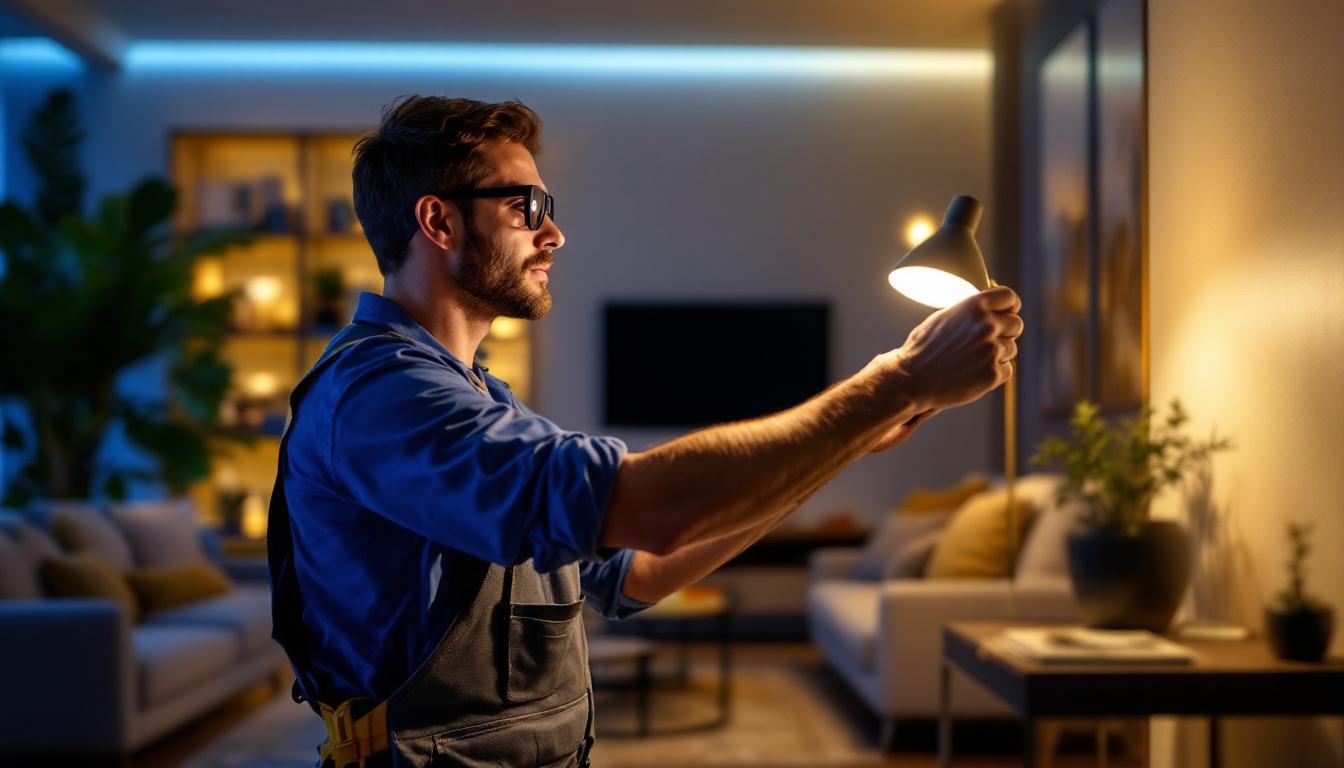
For lighting contractors, mastering control lighting systems is essential to delivering sophisticated, energy-efficient, and user-friendly installations. At its core, lighting control involves managing the intensity, timing, and color of light sources to meet the needs of a space and its occupants. This mastery requires a solid grasp of the underlying technologies, protocols, and design principles that govern modern lighting systems.
Lighting control systems range from simple manual dimmers to complex automated networks integrating sensors, timers, and smart devices. Contractors must understand the differences between analog and digital controls, as well as the advantages and limitations of each. For example, digital control systems using protocols like DALI (Digital Addressable Lighting Interface) or DMX512 offer precise, scalable control and integration with building management systems, which is increasingly important in commercial and industrial projects.
Key Components of Lighting Control Systems
Successful lighting control installations depend on selecting and integrating several critical components. These include:
- Controllers: Devices that process input commands and adjust lighting outputs accordingly. Controllers can be wall-mounted panels, remote controls, or software-based interfaces.
- Drivers and Ballasts: Hardware that regulates power to light sources, especially LEDs and fluorescents, ensuring stable and dimmable operation.
- Sensors: Occupancy, daylight, and ambient light sensors automate lighting adjustments based on environmental conditions and user presence.
- Communication Protocols: Standards such as DALI, DMX, Zigbee, and Bluetooth enable interoperability and remote management.
Understanding how these components interact is crucial for contractors to design systems that are reliable, efficient, and easy to maintain. Additionally, the integration of smart technology into lighting control systems is transforming how spaces are illuminated. For instance, the advent of IoT (Internet of Things) devices allows for real-time data collection and analysis, enabling contractors to create adaptive lighting solutions that respond to user behavior and environmental changes. This not only enhances user comfort but also optimizes energy consumption, contributing to sustainability goals.
Moreover, the aesthetic aspect of lighting control cannot be overlooked. Modern systems often incorporate tunable white and RGB color-changing capabilities, allowing for dynamic lighting scenes that can enhance the mood of a space. This versatility is particularly valuable in environments such as restaurants, theaters, and retail stores, where ambiance plays a critical role in customer experience. By leveraging advanced control strategies, contractors can offer clients tailored solutions that not only meet functional requirements but also elevate the overall design of the space.
Designing Lighting Control Systems for Efficiency and User Experience
Lighting contractors must balance energy efficiency with occupant comfort and usability. A well-designed control system not only reduces energy consumption but also enhances the ambiance and functionality of a space.
Energy Savings Through Smart Controls
Lighting accounts for a significant portion of commercial energy use, often up to 30%. Implementing intelligent control strategies can reduce this dramatically. For example, occupancy sensors ensure lights are only on when spaces are in use, while daylight harvesting adjusts artificial lighting based on natural light availability. These strategies can cut lighting energy consumption by 40% or more.
Contractors should also consider integrating time-based controls and programmable scenes that adapt lighting to different activities or times of day. Such flexibility not only optimizes energy use but also caters to diverse user needs. Additionally, integrating energy monitoring systems can provide real-time feedback on energy consumption, allowing building managers to make informed decisions about lighting usage and identify areas for further improvement. This data-driven approach can lead to continuous optimization of lighting systems, ensuring that energy savings are sustained over time.
Enhancing User Experience with Intuitive Controls
Beyond efficiency, lighting controls must be intuitive and responsive. User interfaces should be straightforward, enabling occupants to adjust lighting easily without frustration. Touch panels, smartphone apps, and voice control integration are becoming standard features that contractors need to master.
Moreover, advanced systems can offer personalized lighting presets, adjusting color temperature and intensity to support circadian rhythms or specific tasks, improving comfort and productivity. For instance, in office environments, a cooler light may be beneficial during the day to enhance alertness, while warmer tones in the evening can help signal to the body that it’s time to wind down. Furthermore, the incorporation of user feedback mechanisms can help contractors refine their systems, ensuring that the controls not only meet but exceed user expectations. This focus on user-centric design can significantly enhance overall satisfaction with the lighting environment, fostering a sense of well-being among occupants.
Installation Best Practices and Troubleshooting Tips
Proper installation is critical to the performance and longevity of lighting control systems. Contractors must follow best practices to avoid common pitfalls and ensure seamless operation.
Planning and Coordination
Successful installations begin with thorough planning. Contractors should collaborate closely with architects, electrical engineers, and end-users to understand project requirements and constraints. Early involvement helps identify potential challenges, such as wiring complexities or integration with existing building systems. This proactive approach not only streamlines the installation process but also fosters a sense of ownership among all stakeholders, ensuring that the final outcome aligns with the vision of the project.
Accurate documentation, including wiring diagrams and control schematics, is essential. This not only facilitates installation but also simplifies future maintenance and upgrades. Additionally, implementing a project timeline with milestones can help keep the installation on track and allow for adjustments as needed. Regular check-ins with the team can also ensure that everyone is aligned and any emerging issues are addressed promptly, reducing the risk of costly delays.
Wiring and Configuration
Lighting control wiring must comply with electrical codes and manufacturer specifications. Using dedicated control wiring, such as twisted-pair cables for DALI systems, minimizes interference and ensures reliable communication. Proper labeling and segregation from power cables prevent confusion and signal degradation. Furthermore, utilizing color-coded wiring can enhance clarity for future technicians, making troubleshooting and modifications much easier down the line.
After physical installation, thorough system configuration and testing are vital. Contractors should verify sensor calibration, control responsiveness, and scene programming. Utilizing diagnostic tools and software can expedite troubleshooting and optimize system performance. It is also beneficial to conduct user training sessions post-installation, ensuring that end-users are familiar with the system’s functionalities and can operate it effectively. This not only enhances user satisfaction but also reduces the likelihood of user-induced errors that could lead to system malfunctions.
Common Troubleshooting Scenarios
Contractors often encounter issues such as flickering lights, unresponsive controls, or communication errors. Common causes include loose connections, incompatible components, or incorrect addressing in digital systems. Systematic troubleshooting—checking wiring, verifying device settings, and consulting manufacturer resources—helps resolve problems efficiently. Additionally, keeping a log of recurring issues and their solutions can serve as a valuable resource for future projects, allowing contractors to quickly reference past experiences and improve their troubleshooting efficiency.
Moreover, it is crucial to stay updated with the latest firmware and software updates from manufacturers, as these can often resolve bugs and enhance system performance. Engaging with online forums or professional networks can also provide insights into common challenges faced by peers in the industry, fostering a community of shared knowledge and support. By leveraging these resources, contractors can not only troubleshoot effectively but also elevate their overall expertise in lighting control systems.
Staying Ahead: Emerging Trends and Technologies in Lighting Control
The lighting industry is rapidly evolving, with new technologies reshaping control possibilities. Contractors who stay informed and adapt to these trends can offer cutting-edge solutions that meet modern demands.
Integration with Building Automation and IoT
Lighting control is increasingly integrated into broader building automation systems, enabling centralized management of HVAC, security, and energy use. Internet of Things (IoT) connectivity allows lighting systems to communicate with other devices and cloud platforms, facilitating remote monitoring, predictive maintenance, and data-driven optimization.
Contractors should familiarize themselves with IoT protocols and cybersecurity considerations to implement these integrated systems effectively. Moreover, as smart buildings become more prevalent, the ability to analyze data from lighting systems can lead to significant energy savings and improved occupant comfort. For instance, data analytics can reveal usage patterns, allowing for more efficient energy allocation and the ability to adjust lighting based on occupancy levels or natural light availability, thus enhancing sustainability efforts.
Advances in Wireless Control Technologies
Wireless lighting controls reduce installation complexity and costs, especially in retrofit projects. Technologies like Zigbee, Bluetooth Mesh, and Wi-Fi enable flexible, scalable networks that support mobile control and sensor integration.
While wireless systems offer convenience, contractors must account for signal range, interference, and battery life of wireless devices to ensure reliable operation. Additionally, the rise of mesh networking technology allows for greater resilience and coverage in larger spaces, ensuring that even the most remote areas receive adequate control. As more devices become interconnected, the potential for creating comprehensive lighting solutions that adapt to user preferences and environmental changes increases, making it essential for contractors to stay updated on the latest advancements in wireless technology.
Human-Centric Lighting and Tunable White Solutions
Human-centric lighting adjusts color temperature and intensity to support health and well-being. Tunable white LED systems can mimic natural daylight patterns, enhancing circadian rhythms and mood.
Lighting contractors should understand how to specify, install, and program these systems to deliver personalized lighting experiences that go beyond mere illumination. Furthermore, research indicates that environments designed with human-centric lighting can lead to increased productivity and reduced fatigue in workplaces, making it a compelling selling point for contractors. As clients become more aware of the benefits of such systems, the demand for tailored lighting solutions that cater to individual needs will likely grow, presenting an opportunity for contractors to differentiate themselves in a competitive market.
Conclusion: Mastering Lighting Control for Professional Excellence
Lighting contractors who master the secrets of control lighting systems position themselves as invaluable partners in creating intelligent, efficient, and comfortable environments. A deep understanding of system components, thoughtful design strategies, meticulous installation practices, and awareness of emerging technologies are the pillars of this mastery.
By continuously honing these skills and embracing innovation, contractors can deliver superior lighting solutions that meet the evolving needs of clients and contribute to sustainable building practices.
Illuminate Your Projects with LumenWholesale
Ready to elevate your lighting control systems with the finest products on the market? Look no further than LumenWholesale, where we provide contractors with exceptional, spec-grade lighting solutions at unbeatable wholesale prices. Say goodbye to unnecessary markups and hello to a vast selection of industry-standard, reliable lighting options for your next project. With the added benefits of free shipping and bulk purchase convenience, LumenWholesale is your go-to source for quality, affordability, and ease. Don’t compromise on your lighting needs—choose the best value with Wholesale Lighting at the Best Value from LumenWholesale.