Understanding Ceiling Inset Lighting: Fundamentals and Applications
Ceiling inset lighting, often referred to as recessed or can lighting, has become a staple in both residential and commercial lighting projects. For lighting contractors, mastering the nuances of ceiling inset installations is essential to delivering efficient, aesthetically pleasing, and code-compliant lighting solutions.
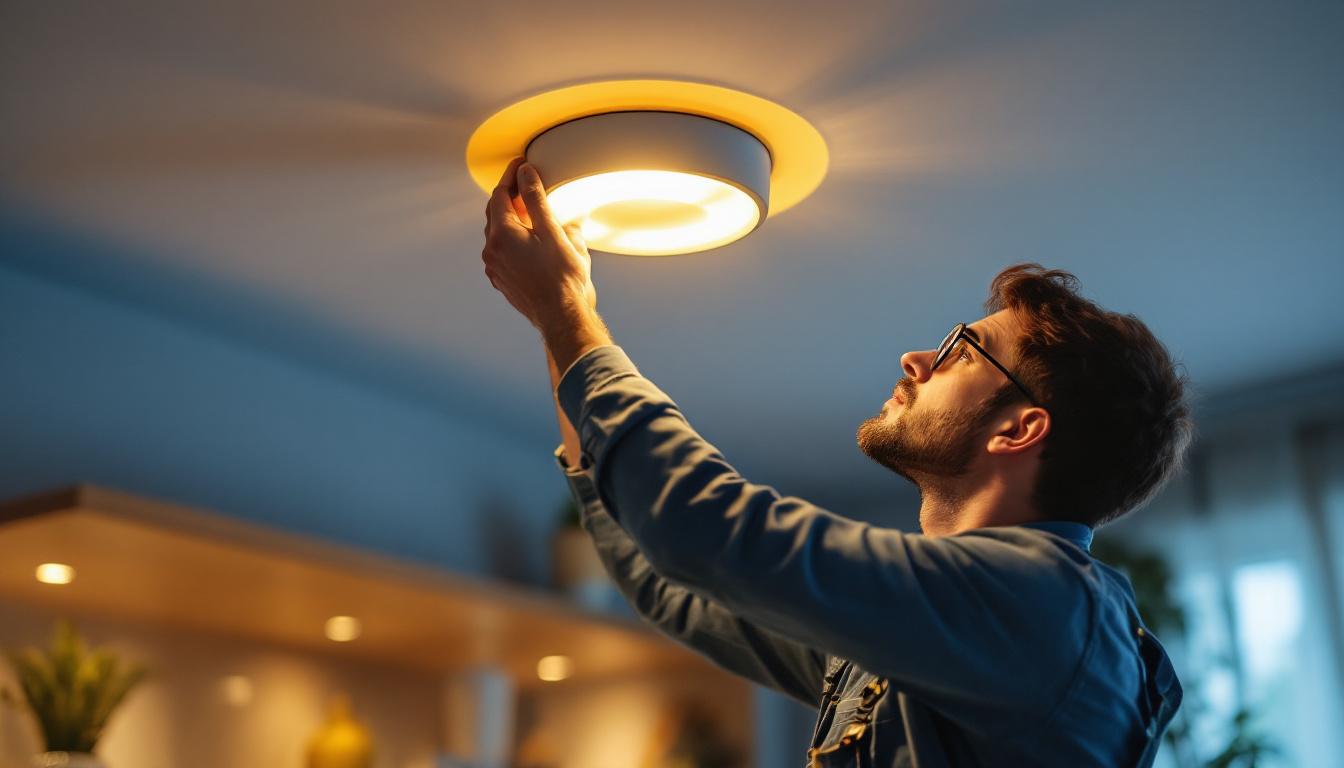
At its core, ceiling inset lighting involves fixtures installed flush with the ceiling surface, creating a clean, unobtrusive look. This style of lighting is favored for its ability to provide ambient, task, or accent lighting without the visual bulk of hanging fixtures. However, the simplicity of the finished appearance belies the complexity of the planning and installation process.
From the early stages of project design to the final commissioning, understanding the types of inset fixtures, their compatibility with ceiling materials, and electrical requirements is crucial. This foundational knowledge enables lighting contractors to anticipate challenges and recommend optimal solutions tailored to client needs.
Types of Ceiling Inset Fixtures
Lighting contractors should be familiar with the primary categories of ceiling inset fixtures, including:
- Standard Recessed Downlights: These provide focused, downward illumination and are common in kitchens, hallways, and offices.
- Adjustable or Gimbal Fixtures: Allow directional lighting, ideal for highlighting artwork or architectural features.
- Wall Washers: Designed to evenly illuminate vertical surfaces, enhancing room ambiance.
- LED Modules: Increasingly popular due to energy efficiency and long lifespan, often integrated into slim-profile fixtures.
Each type has specific installation requirements and performance characteristics, which must be matched to the project’s functional and aesthetic goals. For instance, while standard recessed downlights are perfect for general lighting, adjustable fixtures can create a more dynamic environment by allowing users to change the focus of light as needed. This adaptability is particularly beneficial in spaces that serve multiple functions, such as living rooms that transition from casual gatherings to formal events.
Key Applications and Benefits
Ceiling inset lighting is versatile and can be adapted to various environments:
- Residential Spaces: Provides unobtrusive general lighting and can be combined with dimmers for mood control.
- Commercial Settings: Offers uniform illumination critical for workspaces, retail displays, and hospitality venues.
- Architectural Highlighting: Enhances textures and shapes without distracting from the design.
For contractors, appreciating these applications helps in advising clients and ensuring that lighting installations meet both practical needs and design intentions. Moreover, the integration of smart lighting technology into ceiling inset fixtures is revolutionizing how spaces are illuminated. With the ability to control lighting through mobile devices or voice commands, clients can customize their environments in real-time, adjusting brightness and color temperature to suit their mood or activity. This level of control not only enhances user experience but also promotes energy efficiency, as lights can be programmed to turn off when not in use or dimmed during the day when natural light is abundant.
Technical Considerations for Ceiling Inset Installations
Successful ceiling inset lighting installations hinge on a thorough understanding of technical factors. Lighting contractors must navigate electrical codes, thermal management, fixture compatibility, and ceiling construction details to avoid costly rework and ensure safety.
Electrical and Code Compliance
Compliance with local electrical codes and standards is non-negotiable. Key considerations include:
- Voltage and Circuit Load: Ensuring circuits can handle the cumulative load of inset fixtures prevents overloading and potential hazards.
- Grounding and Wiring: Proper grounding and use of appropriate wire types and gauges are essential for safe operation.
- Fire-Rated Enclosures: In many jurisdictions, recessed fixtures installed in fire-rated ceilings must have certified enclosures to maintain fire resistance.
- Energy Efficiency Standards: Compliance with energy codes often requires the use of LED or other energy-efficient lighting technologies.
Staying current with evolving codes and standards protects contractors from liability and ensures client trust. Additionally, understanding the implications of non-compliance can save contractors from potential fines and legal issues, making it imperative to regularly review updates from local authorities and industry organizations.
Thermal Management and Fixture Selection
Heat dissipation is a critical aspect of ceiling inset lighting. Traditional incandescent or halogen fixtures generate significant heat, necessitating adequate clearance and ventilation. Modern LED fixtures reduce heat output but still require proper thermal management to maintain longevity and performance.
Contractors should verify the following:
- IC (Insulation Contact) Ratings: Fixtures rated for direct contact with insulation prevent overheating and fire risks.
- Air Tightness: Air-tight fixtures reduce energy loss and prevent drafts, contributing to HVAC efficiency.
- Fixture Depth and Ceiling Thickness: Compatibility with ceiling construction, including suspended or drywall ceilings, affects installation feasibility.
Choosing the right fixture based on these parameters ensures safety and durability. Furthermore, it is beneficial to consider the lumen output and color temperature of the fixtures, as these factors significantly influence the ambiance and functionality of the space. A well-lit environment not only enhances aesthetics but also improves productivity and comfort for occupants.
Ceiling Material Compatibility and Installation Challenges
Lighting contractors often encounter diverse ceiling materials such as drywall, plaster, wood paneling, or suspended grids. Each material presents unique challenges for inset lighting:
- Drywall Ceilings: Most common and generally straightforward, but require precise cutting and reinforcement to prevent sagging.
- Suspended Ceilings: May limit fixture size and require specialized mounting brackets.
- Plaster Ceilings: Demanding delicate handling to avoid cracking or damage during installation.
- Wood Ceilings: Require careful consideration of fire codes and may need additional insulation or shielding.
Contractors must assess the ceiling substrate early in the project to select appropriate fixtures and installation methods, minimizing delays and ensuring a professional finish. In addition, understanding the acoustic properties of different ceiling materials can be advantageous, especially in environments where sound control is essential. For instance, certain materials may enhance sound absorption, contributing to a quieter and more comfortable atmosphere, which is particularly important in commercial settings like offices or conference rooms.
Best Practices for Installation and Maintenance
Beyond technical knowledge, effective installation and ongoing maintenance practices distinguish expert lighting contractors. These practices enhance client satisfaction and extend the life of ceiling inset lighting systems.
Pre-Installation Planning and Coordination
Thorough planning is the foundation of a smooth installation process. Key steps include:
- Site Assessment: Evaluate ceiling structure, electrical infrastructure, and spatial requirements.
- Coordination with Other Trades: Collaborate with electricians, HVAC technicians, and ceiling installers to prevent conflicts.
- Fixture Layout Design: Optimize fixture spacing for uniform illumination and compliance with lighting standards.
- Material Procurement: Confirm fixture specifications, certifications, and compatibility before ordering.
Proactive planning reduces the risk of costly modifications and ensures timely project completion.
Installation Techniques for Quality and Safety
During installation, attention to detail is paramount. Recommended techniques include:
- Accurate Ceiling Cutouts: Use templates and precision tools to create clean openings that fit fixtures snugly.
- Secure Mounting: Employ manufacturer-recommended brackets and supports to prevent fixture movement or sagging.
- Proper Wiring and Connections: Follow wiring diagrams meticulously, ensuring secure and code-compliant terminations.
- Thermal and Air Sealing: Install gaskets or seals to maintain air tightness and thermal integrity.
Adhering to these practices minimizes installation defects and enhances system reliability.
Maintenance and Troubleshooting Tips
Ceiling inset lighting systems require periodic maintenance to sustain performance. Contractors should advise clients on:
- Regular Cleaning: Dust and debris can reduce light output and cause overheating; gentle cleaning of trim and lenses is recommended.
- Inspection of Electrical Components: Check for loose connections or signs of wear during routine building maintenance.
- LED Driver and Fixture Replacement: While LEDs have long lifespans, drivers may fail earlier; understanding replacement procedures is essential.
- Addressing Flickering or Dimming: Troubleshoot potential causes such as voltage fluctuations, incompatible dimmers, or fixture defects.
Providing clients with maintenance guidance enhances the longevity of the installation and reduces service calls.
Emerging Trends and Innovations in Ceiling Inset Lighting
The lighting industry is continuously evolving, with new technologies and design trends influencing ceiling inset lighting. Staying informed enables contractors to offer cutting-edge solutions that meet modern demands.
Integration of Smart Lighting Systems
Smart lighting technologies are increasingly integrated into ceiling inset fixtures, offering features such as:
- Wireless Control: Remote dimming, color tuning, and scheduling via smartphones or voice assistants.
- Energy Monitoring: Real-time data on energy consumption to optimize usage.
- Adaptive Lighting: Sensors that adjust brightness and color temperature based on occupancy or daylight availability.
Lighting contractors equipped with knowledge of smart systems can enhance project value and client satisfaction.
Advancements in LED Technology
LED technology continues to improve, with innovations including:
- Higher Lumen Output: More light per watt, enabling fewer fixtures or lower energy consumption.
- Improved Color Rendering: Enhanced ability to render colors naturally, important for retail and hospitality applications.
- Ultra-Thin Fixtures: Slim profiles that expand installation possibilities, especially in low ceiling spaces.
These advancements offer contractors opportunities to propose more efficient and visually appealing lighting designs.
Sustainability and Environmental Considerations
Environmental responsibility is a growing priority in lighting projects. Contractors should be aware of:
- Recyclable Materials: Fixtures designed for end-of-life recyclability reduce environmental impact.
- Low VOC Components: Using materials that emit minimal volatile organic compounds improves indoor air quality.
- Compliance with Green Building Standards: Certifications such as LEED or WELL often require energy-efficient and environmentally friendly lighting solutions.
Incorporating sustainable practices not only meets client expectations but also positions contractors as leaders in responsible building practices.
Conclusion: Elevating Expertise in Ceiling Inset Lighting
Ceiling inset lighting is a sophisticated discipline that demands a blend of technical knowledge, practical skills, and awareness of emerging trends. For lighting contractors, mastering this field translates into enhanced project outcomes, satisfied clients, and a competitive edge in the marketplace.
By understanding fixture types, adhering to electrical and safety codes, executing meticulous installations, and embracing innovation, contractors can confidently tackle the challenges of ceiling inset lighting. Continuous education and adaptation to industry advancements will ensure long-term success and professional growth in this dynamic sector.
Get Your Premium Ceiling Inset Lighting at LumenWholesale
Ready to elevate your lighting projects with the highest quality ceiling inset fixtures? Look no further than LumenWholesale, where we provide contractors with spec-grade lighting products at unbeatable wholesale prices. Our extensive selection is designed to meet the highest industry standards, ensuring you get reliable, high-performance lighting for every project. Plus, with free shipping on bulk orders, you can enjoy premium lighting solutions at the best value — without hidden fees or compromises. Wholesale Lighting at the Best Value is just a click away. Experience the LumenWholesale difference today!