Introduction to 8 Foot LED Fluorescent Replacement
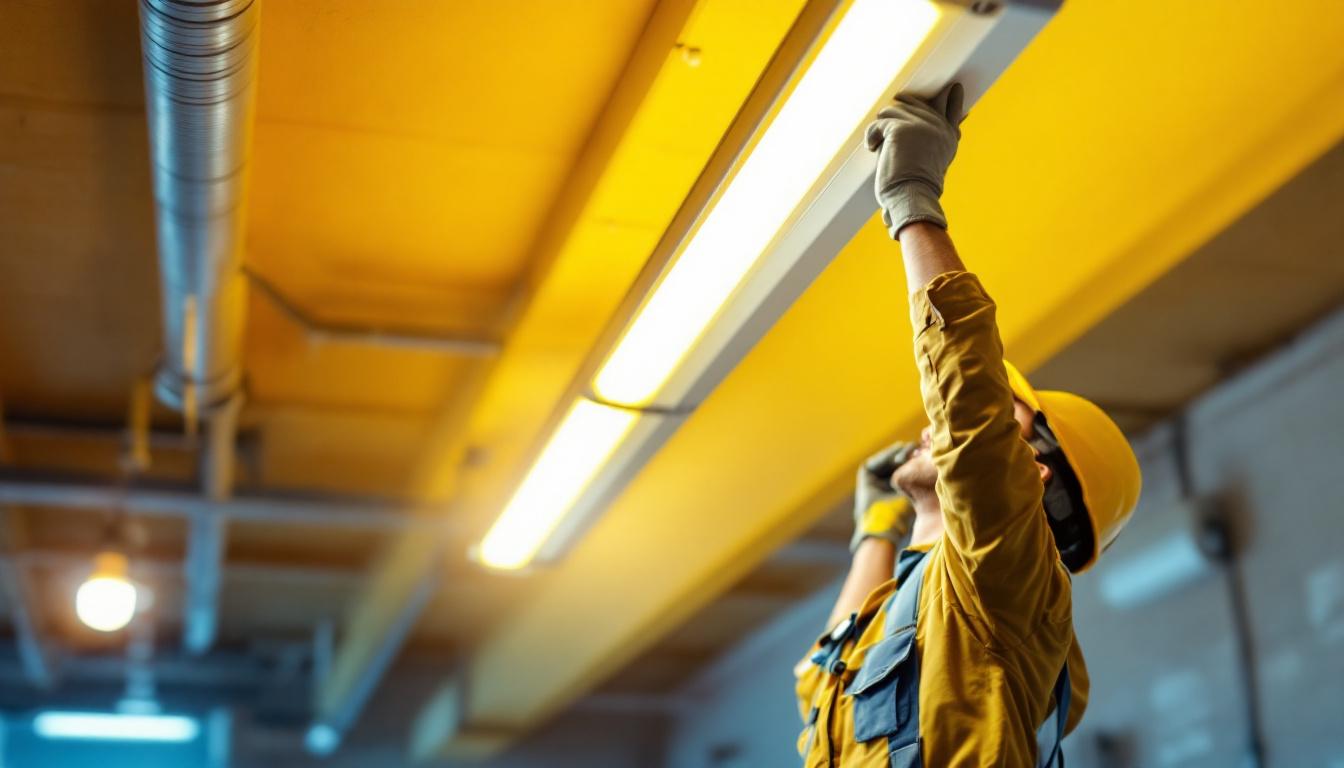
For lighting contractors, the transition from traditional fluorescent tubes to LED technology represents a significant opportunity to enhance energy efficiency, reduce maintenance costs, and improve lighting quality. The 8-foot fluorescent tube has long been a staple in commercial and industrial lighting applications, such as warehouses, manufacturing plants, and large retail spaces. However, advances in LED technology have made 8-foot LED fluorescent replacements a preferred choice for many projects.
Understanding the nuances of these LED replacements is essential for contractors aiming to provide the best solutions to their clients. This guide explores the technical, economic, and practical aspects of 8-foot LED fluorescent replacements, helping contractors make informed decisions and deliver superior lighting installations.
One of the primary advantages of switching to 8-foot LED fluorescent replacements is their remarkable energy efficiency. LEDs consume significantly less power compared to traditional fluorescent tubes, often using up to 50% less energy while producing the same amount of light. This reduction in energy consumption not only translates to lower utility bills for businesses but also contributes to a smaller carbon footprint, aligning with sustainability goals that many companies are now prioritizing. Additionally, the long lifespan of LED lights—often exceeding 50,000 hours—means that contractors can offer clients a solution that minimizes the frequency of replacements, thereby reducing labor costs and the hassle of maintenance.
Moreover, the quality of light produced by 8-foot LED replacements is often superior to that of traditional fluorescent tubes. LEDs provide instant illumination without the flickering or warm-up time associated with fluorescents, creating a more comfortable and productive environment for workers. Furthermore, advancements in color rendering technology have allowed for a broader spectrum of light options, enabling contractors to tailor lighting solutions to specific applications. Whether it’s a bright, daylight-like white for a warehouse or a warmer tone for a retail space, the versatility of LED lighting can significantly enhance the aesthetic appeal and functionality of any environment.
Why Switch to 8 Foot LED Fluorescent Replacement?
Energy Efficiency and Cost Savings
One of the primary reasons for switching to LED replacements is energy efficiency. Traditional 8-foot fluorescent tubes typically consume between 32 to 40 watts per tube, while LED replacements often operate at 18 to 22 watts for the same length and comparable light output. This reduction in power consumption can translate into energy savings of up to 50% or more, depending on usage patterns and fixture configurations.
For large facilities with dozens or hundreds of fixtures, these savings accumulate rapidly, significantly lowering operational costs. Additionally, many utility companies offer rebates and incentives for upgrading to LED lighting, further improving the return on investment for clients. These financial benefits are particularly appealing for businesses looking to enhance their bottom line while also committing to more sustainable practices. As energy costs continue to rise, the switch to LED can be a proactive measure to mitigate future expenses, making it a wise financial decision for both small and large enterprises alike.
Longer Lifespan and Reduced Maintenance
LED tubes typically have a lifespan ranging from 50,000 to 100,000 hours, far exceeding the 15,000 to 30,000 hours typical of fluorescent tubes. This extended lifespan means fewer replacements and less labor required for maintenance. For lighting contractors, this translates into fewer service calls and increased customer satisfaction due to reduced downtime and disruption.
Moreover, LEDs are more durable and less prone to breakage since they do not contain fragile glass components or hazardous mercury, which is present in fluorescent tubes. This makes LED replacements safer to handle and dispose of, aligning with environmental regulations and sustainability goals. In addition to their physical resilience, LED technology is also designed to maintain consistent light quality over time, ensuring that facilities remain well-lit and visually appealing without the flickering or dimming often associated with aging fluorescent lights. This consistent performance not only enhances the aesthetic of a space but also contributes to a safer working environment, reducing the risk of accidents due to poor visibility.
Types of 8 Foot LED Fluorescent Replacement Tubes
Direct Replacement (Plug and Play) LED Tubes
Direct replacement LED tubes are designed to work with existing fluorescent ballasts without requiring rewiring or fixture modifications. These “plug and play” tubes simplify installation, making them attractive for retrofit projects where minimizing labor time and costs is critical.
However, it is important to verify ballast compatibility before installation, as some LED tubes are only compatible with specific ballast types. Incompatible ballasts can cause flickering, reduced lifespan, or failure to operate. Furthermore, the ease of installation does not compromise the performance of these tubes; many direct replacement options now offer enhanced energy efficiency and luminous output compared to traditional fluorescent lighting. This means that not only can users enjoy a hassle-free installation, but they can also benefit from lower energy bills and a more vibrant workspace.
Ballast Bypass (Direct Wire) LED Tubes
Ballast bypass tubes require the removal or bypassing of the fluorescent ballast, with the LED tube wired directly to the line voltage. This approach eliminates ballast-related energy losses and maintenance concerns, often resulting in even greater energy savings and improved reliability.
While the initial installation effort is higher due to rewiring, ballast bypass LED tubes are generally preferred for new installations or when ballasts are nearing the end of their life. Contractors must ensure proper wiring and follow electrical codes to maintain safety and compliance. Additionally, these tubes typically have a longer lifespan than their fluorescent counterparts, which means less frequent replacements and reduced waste over time. As businesses increasingly focus on sustainability, opting for ballast bypass LED tubes can significantly contribute to a greener footprint while enhancing the overall lighting quality in commercial and industrial settings.
Universal or Hybrid LED Tubes
Universal LED tubes combine the benefits of both plug and play and ballast bypass designs. They can operate with or without a ballast, allowing for flexible installation options. This versatility is useful when the condition of existing ballasts is unknown or when a phased retrofit approach is planned.
Contractors should note that universal tubes may have slightly higher upfront costs but can reduce inventory complexity and installation errors. Moreover, their adaptability makes them an excellent choice for facilities undergoing gradual upgrades, as they can seamlessly integrate into various lighting systems without the need for immediate, extensive rewiring. This characteristic is particularly beneficial for businesses that may want to test the efficacy of LED lighting in specific areas before committing to a full-scale replacement. As energy efficiency standards continue to evolve, universal LED tubes provide a forward-thinking solution that can accommodate future upgrades and technologies, ensuring that facilities remain compliant and competitive in an ever-changing market.
Key Considerations for Lighting Contractors
Light Quality and Color Temperature
Light quality is a critical factor in client satisfaction. LED tubes offer a variety of color temperatures, typically ranging from 3000K (warm white) to 6500K (daylight). Selecting the appropriate color temperature depends on the application; for example, warmer tones may be preferred in retail or hospitality settings, while cooler tones are common in warehouses and offices.
Additionally, the Color Rendering Index (CRI) is important. A CRI of 80 or above is generally recommended to ensure colors appear natural and vibrant. High CRI LEDs enhance visibility and safety, especially in environments where color differentiation is essential.
Compatibility and Electrical Requirements
Contractors must carefully assess the existing fixtures and electrical infrastructure before selecting LED replacements. This includes checking ballast types, fixture condition, and wiring configurations. In some cases, older fixtures may not be suitable for LED retrofits and might require complete replacement.
Voltage and current requirements also vary among LED tubes. Ensuring compatibility with the facility’s electrical system and adherence to local electrical codes is essential to avoid operational issues and safety hazards.
Installation Best Practices
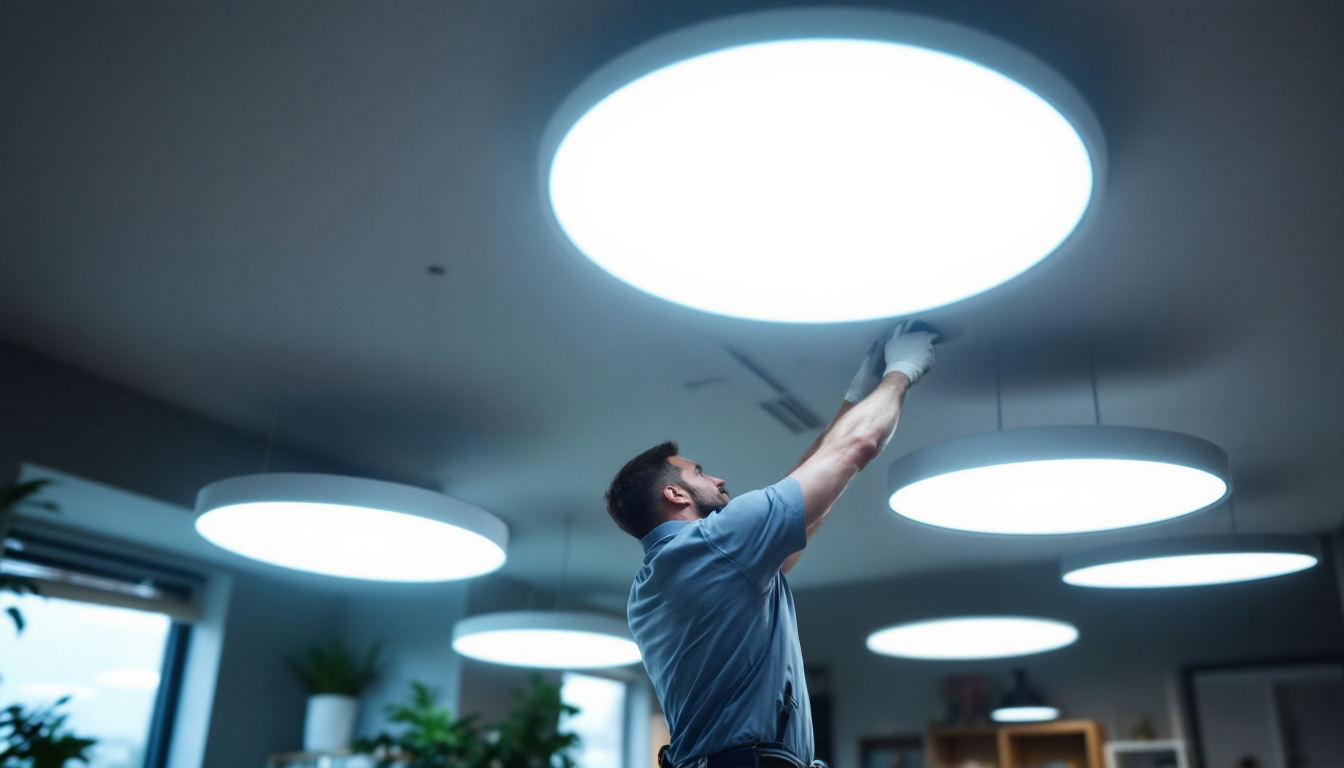
Proper installation is key to maximizing the performance and lifespan of LED replacements. Lighting contractors should follow manufacturer instructions closely, including handling precautions, wiring diagrams, and fixture modifications.
It is advisable to test a few LED tubes in the field before full-scale installation to verify compatibility and performance. Additionally, documenting the installation process and providing clients with maintenance guidelines can enhance service quality and client trust.
Economic and Environmental Impact
Return on Investment (ROI) Analysis
Calculating the ROI for 8-foot LED fluorescent replacements involves considering initial costs, energy savings, maintenance reductions, and potential incentives. While LED tubes generally have higher upfront costs than fluorescent tubes, the long-term savings often justify the investment.
For example, in a facility with 100 fixtures operating 12 hours per day, switching to LED tubes can reduce annual energy consumption by thousands of kilowatt-hours. When combined with lower maintenance expenses and utility rebates, payback periods can be as short as one to three years.
Environmental Benefits
LED technology contributes to sustainability by reducing energy consumption and greenhouse gas emissions. Unlike fluorescent tubes, LEDs do not contain mercury, simplifying disposal and minimizing environmental hazards.
Lighting contractors can leverage these environmental benefits to support clients’ sustainability initiatives and comply with increasingly stringent regulations on energy efficiency and hazardous materials.
Case Studies and Real-World Applications
Warehouse Retrofit Project
A large distribution center replaced 500 fluorescent tubes with 8-foot LED replacements, opting for ballast bypass tubes to maximize energy savings. The retrofit reduced lighting energy consumption by approximately 55%, resulting in annual savings exceeding $20,000. Maintenance intervals extended significantly, reducing labor costs and operational disruptions.
Retail Store Lighting Upgrade
A regional retail chain upgraded multiple stores with plug and play LED tubes to minimize installation downtime. The stores reported improved light quality and customer satisfaction, with a noticeable enhancement in product visibility. Energy savings averaged 45%, and the chain benefited from utility rebates that offset a portion of the upgrade costs.
Conclusion: Best Practices for Lighting Contractors
For lighting contractors, mastering the selection and installation of 8-foot LED fluorescent replacements is essential to delivering value to clients. Prioritizing energy efficiency, light quality, compatibility, and safety ensures successful projects with long-term benefits.
Staying informed about evolving LED technologies, local regulations, and market incentives empowers contractors to offer tailored solutions that meet diverse client needs. By adopting best practices and leveraging LED advantages, contractors can enhance their reputation, grow their business, and contribute to a more sustainable built environment.
Illuminate Your Projects with LumenWholesale
Ready to elevate your lighting projects with the most efficient 8-foot LED fluorescent replacements? Look no further than LumenWholesale, where we provide contractors with exceptional, spec-grade lighting solutions at unparalleled wholesale prices. Our commitment to quality and affordability ensures you receive the best value for your investment. With our vast selection, free shipping on bulk orders, and no middleman markups, you can trust LumenWholesale to light up your projects while maximizing your profits. Don’t compromise on quality or cost—Wholesale Lighting at the Best Value is just a click away.