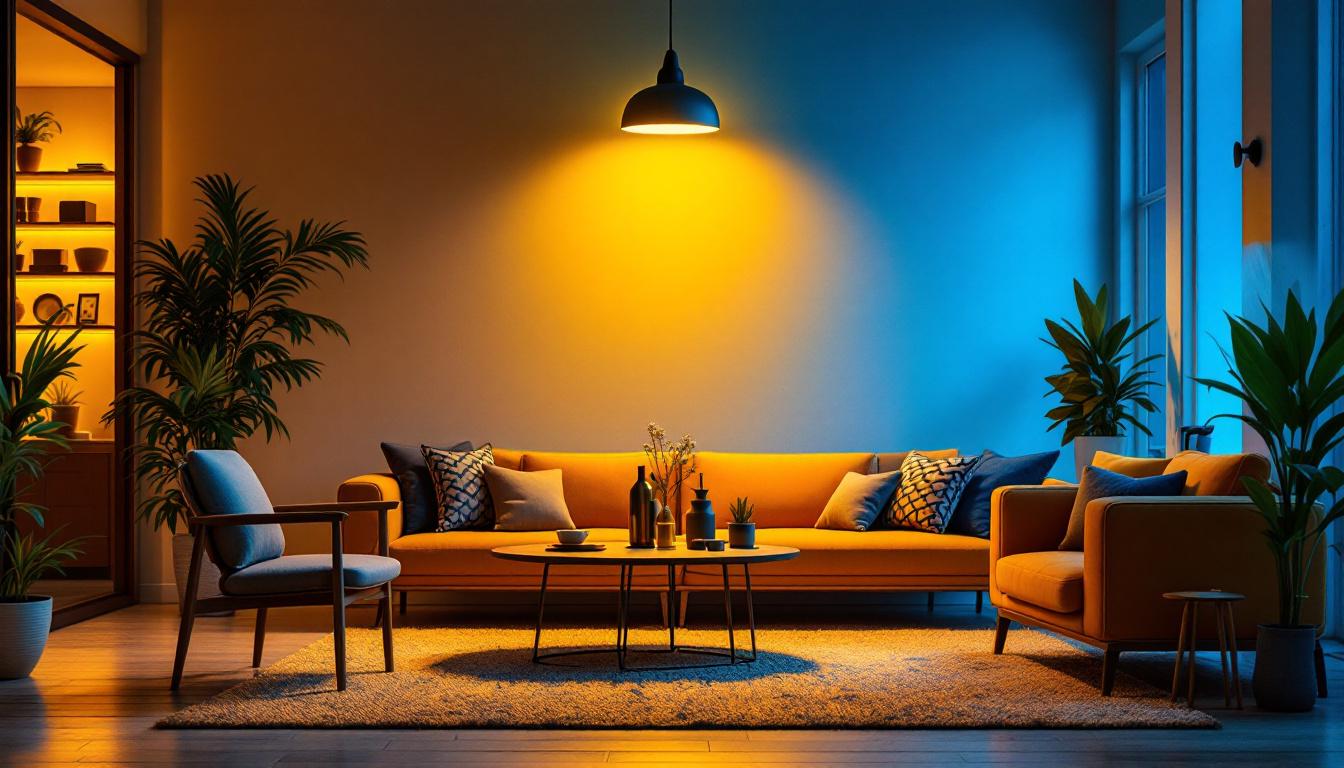
In the realm of modern lighting solutions, can light housing has emerged as a crucial component for achieving energy efficiency and aesthetic appeal. This article delves into the essentials of can light housing, exploring its benefits, types, installation considerations, and best practices for lighting contractors. Understanding these elements can significantly enhance the quality of lighting projects, ensuring they meet both client expectations and energy standards.
Understanding Can Light Housing
Can light housing, often referred to as recessed lighting, is designed to be installed into a ceiling, providing a sleek and unobtrusive lighting option. This type of lighting is particularly popular in residential and commercial spaces, where it can create an open and airy feel while effectively illuminating areas without taking up visual space. The seamless integration of can lights into the ceiling allows for a clean look that enhances the overall design of a room, making it an attractive choice for modern interiors.
The housing itself consists of a metal or plastic shell that holds the light bulb and provides insulation. It is typically installed above the ceiling line, making it an ideal choice for spaces where headroom is a concern. The design allows for various bulb types, including LED, incandescent, and compact fluorescent, catering to different lighting needs and preferences. Furthermore, advancements in technology have led to the development of smart can lights that can be controlled via mobile apps or voice commands, adding an extra layer of convenience and customization to lighting setups.
Benefits of Can Light Housing
One of the primary advantages of can light housing is its ability to enhance energy efficiency. By utilizing LED bulbs, which consume significantly less energy than traditional incandescent bulbs, contractors can help clients reduce their electricity bills while minimizing their carbon footprint. This energy efficiency not only benefits the environment but also appeals to homeowners looking to invest in sustainable living solutions.
Additionally, can lights can be strategically positioned to create focused lighting, reducing the need for multiple fixtures in a room. This targeted approach not only saves energy but also contributes to a cleaner, more modern aesthetic. For instance, placing can lights above artwork or architectural features can highlight these elements, creating a dramatic effect that enhances the overall ambiance of the space. Moreover, the versatility of can lights allows them to be used in various settings, from cozy living rooms to bustling commercial kitchens, proving their adaptability across different environments.
Types of Can Light Housing
There are several types of can light housing available, each designed to meet specific needs and installation requirements. The most common types include new construction housings, remodel housings, and IC-rated housings. Understanding the distinctions between these options is crucial for achieving the desired lighting effect and ensuring safety during installation.
New construction housings are ideal for projects where the ceiling is still being built or renovated. They are designed to be installed before the drywall is put up, providing a secure and stable base for the lighting fixture. On the other hand, remodel housings are perfect for retrofitting existing spaces, allowing contractors to add recessed lighting without extensive renovations. This flexibility makes remodel housings a popular choice for homeowners looking to upgrade their lighting without undergoing a complete overhaul of their interiors. Additionally, IC-rated housings are specifically designed for use in insulated ceilings. They ensure that the fixture does not overheat and can safely come into contact with insulation materials, making them a vital choice for energy-efficient projects. This safety feature is particularly important in maintaining the integrity of the home’s insulation and overall energy performance, further reinforcing the importance of selecting the right type of can light housing for each unique application.
Installation Considerations
Proper installation of can light housing is essential for optimal performance and safety. Contractors must consider various factors, including ceiling type, insulation, and spacing between fixtures. These elements can significantly impact the effectiveness of the lighting design and the overall energy efficiency of the installation.
Ceiling Type and Height
The type of ceiling and its height play a crucial role in determining the placement and type of can light housing to use. For instance, in rooms with high ceilings, it may be necessary to use deeper housings or adjust the beam angle to ensure adequate illumination. Conversely, low ceilings may require shallower housings to avoid overwhelming the space.
Additionally, the ceiling material can affect installation methods. For example, drywall ceilings may require different mounting techniques compared to exposed beams or plaster ceilings. Understanding these nuances ensures a seamless installation process and optimal lighting performance. Furthermore, when dealing with sloped or vaulted ceilings, special consideration should be given to the angle of the fixtures. Adjustable can lights can be particularly beneficial in these scenarios, allowing for targeted lighting that enhances the architectural features of the room while providing sufficient illumination.
Insulation and Airflow
When installing can light housing, it is essential to consider insulation and airflow. In insulated ceilings, using IC-rated housings is crucial to prevent overheating and potential fire hazards. These housings allow for safe contact with insulation, ensuring that energy efficiency is maintained without compromising safety.
Moreover, proper airflow is necessary to prevent heat buildup, especially in LED fixtures. Ensuring that there is adequate ventilation around the housing can prolong the lifespan of the bulbs and maintain their energy-efficient performance. In addition, utilizing thermal barriers or air-tight gaskets can further enhance energy efficiency by minimizing air leaks, which can lead to increased heating and cooling costs. This attention to detail not only contributes to a safer installation but also promotes a more sustainable living environment.
Fixture Spacing and Layout
The spacing and layout of can lights significantly influence the overall lighting effect in a space. A common rule of thumb is to space fixtures approximately 4 to 6 feet apart, depending on the ceiling height and the desired brightness. Proper spacing helps to avoid dark spots and ensures even illumination throughout the area.
Additionally, contractors should consider the purpose of the room when planning the layout. For example, in a kitchen, task lighting may be more concentrated over work areas, while living rooms may benefit from a more dispersed lighting approach to create a warm and inviting atmosphere. Incorporating dimmer switches can also enhance the versatility of the lighting design, allowing homeowners to adjust the brightness according to the time of day or specific activities. Furthermore, layering different types of lighting, such as ambient, task, and accent lighting, can create a more dynamic and functional space, catering to both aesthetic preferences and practical needs.
Best Practices for Energy-Efficient Lighting
Implementing best practices for energy-efficient lighting is essential for contractors looking to enhance their projects’ sustainability and performance. These practices not only benefit the environment but also provide clients with long-term cost savings and improved comfort. As the demand for energy-efficient solutions continues to rise, understanding these best practices becomes increasingly important for staying competitive in the industry.
Choosing the Right Bulbs
Selecting the appropriate bulbs for can light housing is a critical step in ensuring energy efficiency. LED bulbs are highly recommended due to their low energy consumption and long lifespan. They can last up to 25 times longer than traditional incandescent bulbs, making them a cost-effective choice in the long run. Furthermore, the energy savings from using LED bulbs can lead to reduced electricity bills, which is an attractive selling point for clients.
Moreover, LED bulbs are available in various color temperatures, allowing contractors to customize the lighting to suit the specific needs of each space. Whether a warm, inviting glow is desired for a living area or a bright, cool light for a workspace, the right bulb selection can make all the difference. Additionally, many LED bulbs now come with features such as dimming capabilities and color-changing options, providing even more versatility in design and functionality. This adaptability not only enhances the aesthetic appeal of a space but also supports the psychological well-being of occupants by creating environments that can be tailored to different activities and moods.
Utilizing Dimmers and Smart Controls
Incorporating dimmers and smart controls into can light installations can further enhance energy efficiency. Dimmers allow users to adjust the brightness of the lights, reducing energy consumption when full illumination is not necessary. This flexibility not only saves energy but also creates a more dynamic lighting experience. For instance, in a home theater setting, dimmers can help create the perfect ambiance for movie nights, while still allowing for bright lighting during family gatherings.
Smart controls, such as timers and motion sensors, can automate lighting based on occupancy or time of day. This technology ensures that lights are only used when needed, significantly reducing energy waste and contributing to a more sustainable lighting solution. Furthermore, integrating smart home systems can provide users with remote access to their lighting, enabling them to manage energy use even when they are not at home. This level of control not only enhances convenience but also promotes energy-conscious habits among users, ultimately leading to a more sustainable lifestyle.
Regular Maintenance and Upgrades
Regular maintenance of can light fixtures is essential for sustaining their energy efficiency and performance. This includes cleaning the fixtures to remove dust and debris that can obstruct light output and checking for any signs of wear or damage. Routine inspections can help identify potential issues before they escalate, ensuring that lighting systems operate at peak efficiency and safety.
Additionally, staying updated with the latest advancements in lighting technology can help contractors recommend upgrades to clients. Newer LED options and smart lighting solutions continue to emerge, offering improved efficiency and functionality. By embracing these innovations, contractors can provide clients with the best possible lighting solutions. For example, advancements in tunable white lighting allow users to adjust the color temperature throughout the day to align with natural light patterns, enhancing productivity and well-being. This knowledge not only positions contractors as experts in the field but also empowers clients to make informed decisions that align with their sustainability goals.
Conclusion
Can light housing is a fundamental aspect of energy-efficient lighting that every lighting contractor should understand. From the benefits of various housing types to installation considerations and best practices, this knowledge is essential for delivering high-quality, sustainable lighting solutions.
By prioritizing energy efficiency and staying informed about the latest technologies, contractors can enhance their projects’ value while meeting the growing demand for environmentally friendly lighting options. Ultimately, embracing can light housing not only benefits clients but also contributes to a more sustainable future in the lighting industry.
Get Your Energy-Efficient Lighting Solutions at LumenWholesale
Ready to elevate your lighting projects with the most energy-efficient can light housing options? Look no further than LumenWholesale, where we provide lighting contractors with high-quality, spec-grade lighting products at unbeatable wholesale prices. Say goodbye to local distributor markups and hello to our extensive selection that meets the highest industry standards. With LumenWholesale, you can count on reliable, high-performance lighting that aligns with your commitment to sustainability and client satisfaction. Plus, with free shipping on bulk orders, you can stock up on premium lighting solutions at the best value — all without hidden fees or compromises. Don’t miss out on the perfect blend of quality, affordability, and convenience. Wholesale Lighting at the Best Value is just a click away!