Lighting plays a pivotal role in enhancing the beauty and functionality of outdoor spaces. Among various lighting options, garden post lights stand out for their aesthetic appeal and practical benefits. However, even experienced lighting contractors can make mistakes when installing or recommending these fixtures. Understanding these common pitfalls can lead to better installations, satisfied clients, and ultimately, a more successful business.
Understanding Garden Post Lights
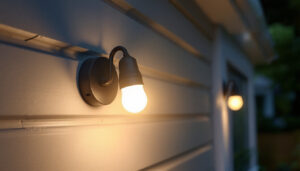
Garden post lights are outdoor fixtures mounted on posts, designed to illuminate pathways, gardens, and other outdoor areas. They serve both decorative and functional purposes, providing safety and enhancing the nighttime ambiance of a property. With various styles, sizes, and technologies available, selecting the right garden post lights can significantly impact the overall design and effectiveness of outdoor lighting. Beyond mere illumination, these fixtures can highlight the unique features of your landscape, such as flower beds, sculptures, or water features, creating a visually appealing environment that can be enjoyed even after the sun sets.
Types of Garden Post Lights
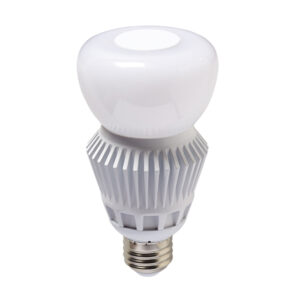
Garden post lights come in several types, including solar-powered, LED, and traditional incandescent options. Solar-powered lights are energy-efficient and easy to install, making them popular for environmentally conscious homeowners. They harness sunlight during the day and automatically illuminate at dusk, providing a hassle-free lighting solution. LED lights, known for their longevity and low energy consumption, are becoming increasingly favored in modern installations. These lights can last up to 25 times longer than incandescent bulbs, reducing maintenance costs and the frequency of replacements. Traditional incandescent lights, while less efficient, still hold appeal for those seeking a classic aesthetic. Their warm glow can evoke a nostalgic charm, often found in vintage-style gardens or historical properties, where preserving the original character is paramount.
Key Considerations for Installation
When installing garden post lights, contractors must consider several factors, including the placement of fixtures, the height of posts, and the overall design of the landscape. Proper placement ensures effective illumination while avoiding glare or shadows. It’s advisable to create a lighting plan that takes into account the natural flow of foot traffic and the areas that require the most light, such as steps or pathways. Additionally, the height of the posts should be chosen based on the intended use of the light, whether for highlighting features or providing general illumination. Taller posts can cast light over a wider area, while shorter posts may be more suitable for intimate settings, such as seating areas or patios. Furthermore, considering the color temperature of the lights can also enhance the atmosphere; warmer tones can create a cozy feel, while cooler tones may lend a more modern and sleek appearance to the outdoor space.
Common Mistakes Made by Lighting Contractors
Even seasoned lighting contractors can fall into traps when it comes to garden post light installations. Recognizing these common mistakes can help avoid costly rework and enhance client satisfaction.
Neglecting Site Assessment
A thorough site assessment is crucial before installing garden post lights. Contractors often overlook this step, leading to poor placement decisions. Factors such as existing landscaping, pathways, and the intended use of the space should be evaluated. Without a proper assessment, lights may end up illuminating the wrong areas or creating unwanted shadows. Additionally, understanding the natural light patterns throughout the day can guide contractors in determining optimal placement. For example, a garden that receives ample sunlight during the day may require different lighting solutions compared to a shaded area, which could benefit from brighter fixtures to enhance visibility at night.
Improper Fixture Selection
Choosing the right fixtures for the specific environment is essential. Some contractors may select garden post lights based solely on aesthetics, ignoring functionality and durability. For instance, lights placed in areas prone to moisture should be rated for wet locations. Failing to consider the environment can lead to premature fixture failure and dissatisfied clients. Furthermore, selecting fixtures that complement the architectural style of the home and the surrounding landscape can elevate the overall appeal of the installation. Contractors should also consider energy-efficient options, such as LED fixtures, which not only reduce energy costs but also have a longer lifespan, ultimately benefiting both the contractor and the client.
Ignoring Local Regulations
Local regulations and codes often dictate the type and placement of outdoor lighting. Contractors may overlook these rules, leading to installations that are non-compliant. This oversight can result in fines or the need for costly adjustments. Staying informed about local regulations ensures that installations are not only aesthetically pleasing but also legally compliant. Additionally, understanding zoning laws can help contractors avoid potential disputes with neighbors regarding light pollution or excessive brightness. Engaging with local authorities or attending workshops can provide valuable insights into the latest regulations, ensuring that contractors remain knowledgeable and professional in their practices.
Design Considerations for Garden Post Lights
Design plays a critical role in the effectiveness of garden post lights. A well-thought-out design enhances both the functionality and aesthetic appeal of outdoor spaces. Beyond mere illumination, these lights can transform a garden into a welcoming retreat, guiding guests along pathways and highlighting key features such as trees, flower beds, and architectural elements.
Creating a Cohesive Look
When selecting garden post lights, it is essential to create a cohesive look that complements the overall design of the landscape. Mixing different styles and finishes can create a disjointed appearance. Contractors should aim for harmony in design elements, ensuring that the lights enhance rather than detract from the surroundings. For instance, if a garden features a modern aesthetic with clean lines and minimalistic features, opting for sleek, contemporary post lights can reinforce this theme. Conversely, in a more traditional garden, ornate fixtures with warm finishes can evoke a sense of timeless elegance, seamlessly integrating with the natural beauty of the space.
Additionally, considering the scale and proportion of the lights in relation to the surrounding elements is crucial. Oversized lights may overwhelm smaller gardens, while diminutive fixtures might get lost in expansive landscapes. By thoughtfully selecting sizes that correspond with the garden’s dimensions, a balanced and inviting atmosphere can be achieved.
Layering Light for Depth
Effective outdoor lighting often involves layering different types of light to create depth and dimension. Garden post lights can be used in conjunction with other lighting types, such as spotlights and wall sconces, to achieve a balanced illumination. This layered approach not only enhances visibility but also adds visual interest to the landscape. For example, strategically placing spotlights to highlight a majestic tree or a water feature can draw the eye and create focal points throughout the garden.
Moreover, incorporating ambient lighting through softer fixtures can provide a warm glow that encourages relaxation and social interaction in outdoor spaces. Using dimmable lights allows for versatility, enabling homeowners to adjust the brightness according to the occasion, whether it’s a lively gathering or a quiet evening under the stars. By thoughtfully combining various lighting techniques, the garden can be transformed into a multi-dimensional space that invites exploration and enjoyment at any hour of the day or night.
Installation Techniques to Avoid
Proper installation techniques are vital for the longevity and effectiveness of garden post lights. Certain common practices should be avoided to ensure a successful installation.
Inadequate Wiring Practices
Wiring is a critical component of outdoor lighting installations. Contractors may sometimes rush through this process, leading to inadequate or unsafe wiring practices. Properly securing and protecting wiring from moisture and damage is essential. Using weatherproof connectors and ensuring that all connections are secure can prevent future issues.
Failing to Test Fixtures Before Finalizing Installation
Testing fixtures before completing the installation is a step that is often overlooked. Contractors may install all lights and then realize that some are not functioning correctly. Taking the time to test each fixture during installation can save time and frustration later, ensuring that clients are satisfied with the final result.
Maintenance and Client Education
Once the installation is complete, ongoing maintenance and client education are crucial for the longevity of garden post lights. Contractors should provide clients with information on how to care for their lighting systems.
Importance of Regular Maintenance
Garden post lights require regular maintenance to ensure optimal performance. This includes cleaning fixtures, checking for burnt-out bulbs, and inspecting wiring for damage. Contractors should emphasize the importance of maintenance to clients, providing them with a simple checklist to follow. Regular upkeep can prevent costly repairs and extend the lifespan of the lighting system.
Educating Clients on Energy Efficiency
With the growing emphasis on sustainability, educating clients about energy-efficient lighting options is essential. Contractors should discuss the benefits of LED and solar-powered lights, highlighting their long-term cost savings and environmental impact. Providing clients with this knowledge can help them make informed decisions about their lighting choices.
Final Thoughts on Successful Installations
Successfully installing garden post lights requires careful planning, attention to detail, and a commitment to quality. By avoiding common mistakes and focusing on effective design and installation techniques, lighting contractors can enhance their reputation and ensure client satisfaction.
Building Client Relationships
Establishing strong relationships with clients can lead to repeat business and referrals. By providing exceptional service and demonstrating expertise, contractors can position themselves as trusted advisors in outdoor lighting. Open communication and a willingness to address client concerns can further strengthen these relationships.
Staying Updated on Industry Trends
The lighting industry is constantly evolving, with new technologies and design trends emerging regularly. Contractors should stay informed about these changes to offer clients the best possible solutions. Attending trade shows, participating in workshops, and engaging with industry publications can help contractors remain at the forefront of the field.
Conclusion
Garden post lights are a valuable addition to any outdoor space, providing both functionality and beauty. However, to achieve the best results, lighting contractors must be aware of common mistakes and strive for excellence in their installations. By focusing on proper design, installation techniques, and client education, contractors can elevate their work and create stunning outdoor environments that clients will love.
Illuminate Your Projects with LumenWholesale
Ready to avoid common installation mistakes and impress your clients with high-quality garden post lights? At LumenWholesale, we provide lighting contractors with spec-grade lighting products that combine beauty and functionality. Our wholesale prices mean you get the best value without the middleman markups, and our commitment to quality ensures your outdoor lighting projects shine. Take advantage of our hassle-free bulk buying and free shipping to elevate your installations. Discover the ideal lighting solutions for your next project at Wholesale Lighting at the Best Value.