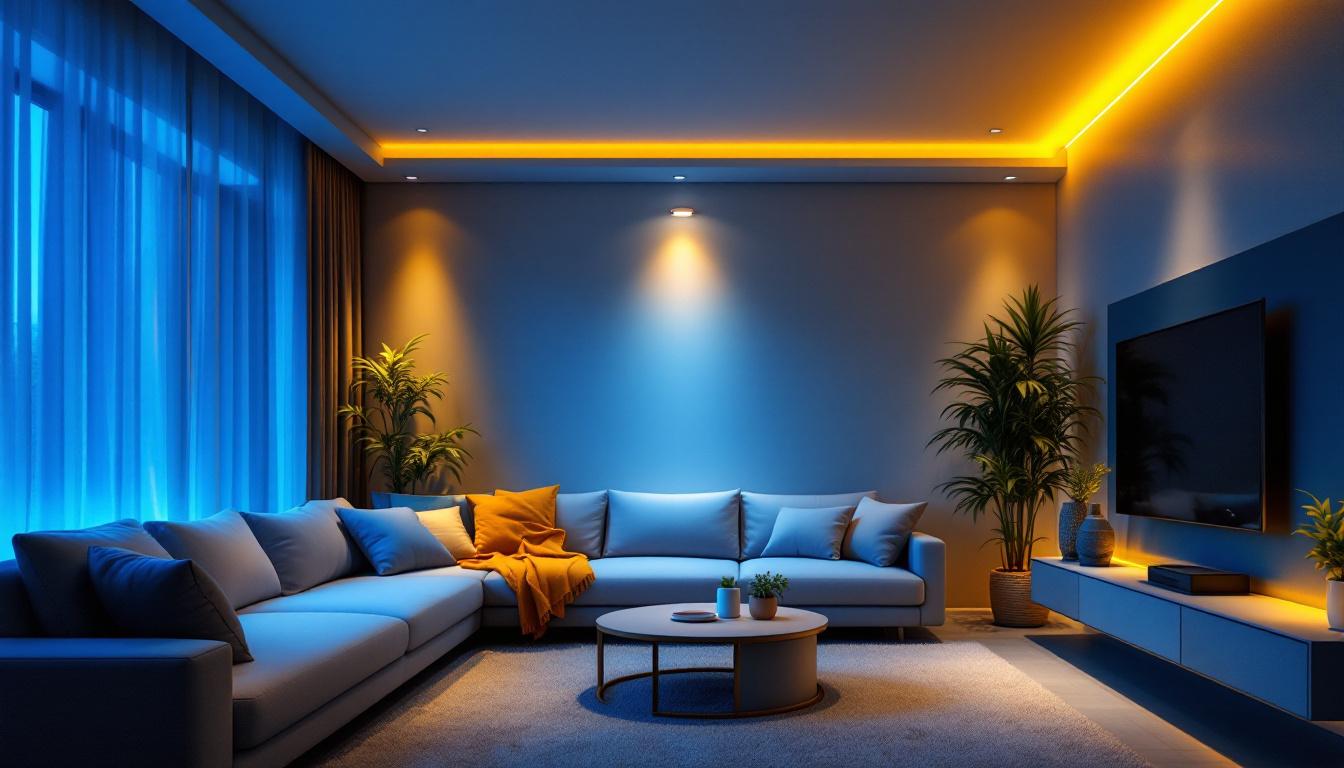
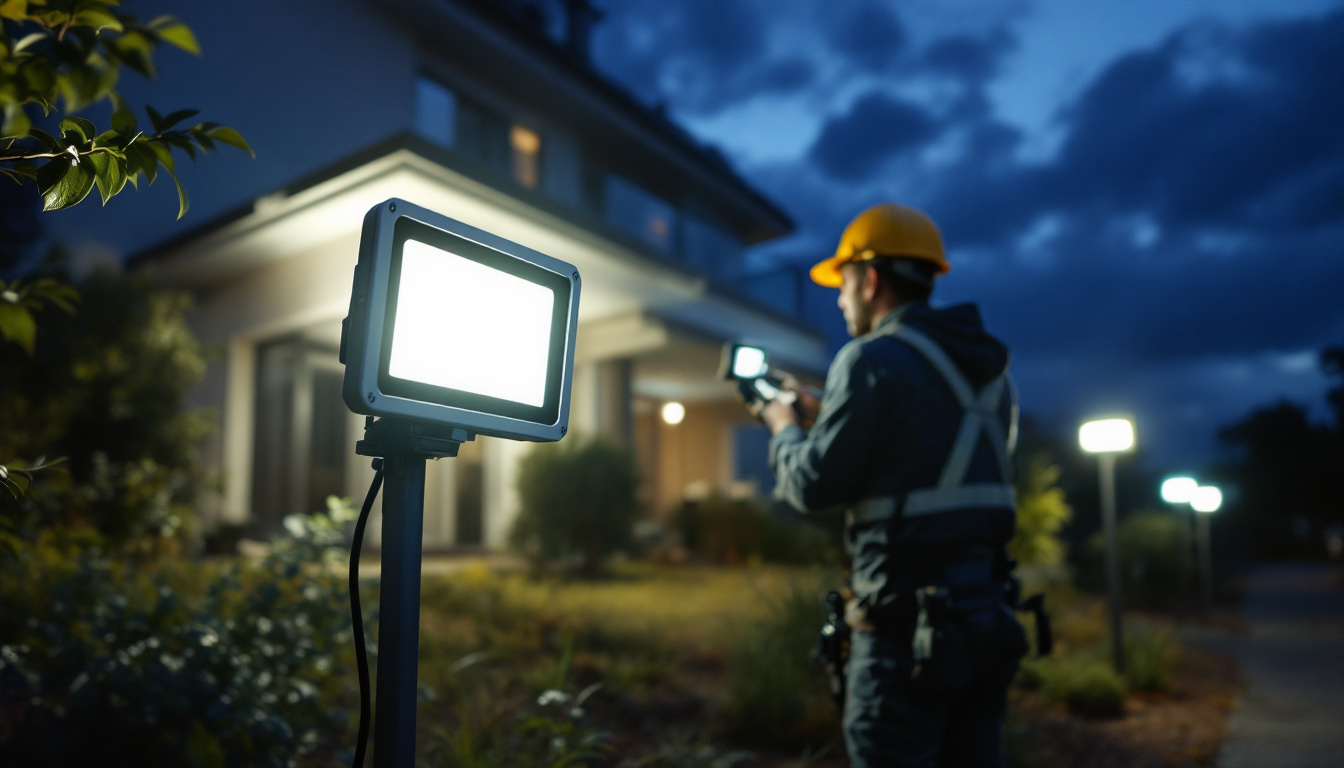
Introduction to Recessed Lighting with Motion Sensors
Recessed lighting has become a staple in modern lighting design, prized for its sleek appearance and ability to provide uniform illumination without cluttering ceilings or walls. When combined with motion sensor technology, recessed lighting can significantly enhance energy efficiency, convenience, and security in both residential and commercial spaces. This innovative pairing not only helps to reduce energy consumption by ensuring lights are only on when needed, but it also adds a layer of safety by illuminating areas as soon as someone enters, deterring potential intruders and providing peace of mind.
For lighting contractors, understanding how to optimize recessed lighting with motion sensors is essential to delivering high-performance lighting solutions that meet client expectations and sustainability goals. This article explores the key considerations, best practices, and technological advancements that can help contractors maximize efficiency and functionality in motion sensor recessed lighting installations. Additionally, incorporating smart technology into these systems can allow for remote monitoring and control, enabling users to adjust settings from their smartphones or integrate with home automation systems. This level of customization not only enhances user experience but also allows for tailored lighting solutions that can adapt to the specific needs of different spaces, whether it be a cozy living room or a bustling office environment.
Moreover, the versatility of recessed lighting with motion sensors extends beyond mere functionality; it also plays a significant role in aesthetic design. By strategically placing recessed lights in key areas, such as hallways, staircases, and entryways, contractors can create a welcoming atmosphere while ensuring safety. The ability to choose from various color temperatures and dimming options further allows for a personalized touch, making it possible to set the mood for any occasion. As technology continues to evolve, the integration of advanced sensors that can distinguish between human and pet movement is paving the way for even more refined applications, ensuring that lighting is both efficient and responsive to the unique dynamics of each household or workspace.
Benefits of Integrating Motion Sensors with Recessed Lighting
Energy Savings and Cost Efficiency
One of the primary advantages of motion sensor technology is its ability to reduce unnecessary energy consumption. Studies indicate that lighting accounts for approximately 15-20% of total electricity use in commercial buildings, and motion sensors can cut lighting energy use by up to 30-50% in spaces with intermittent occupancy.
By ensuring lights are only on when a room is occupied, motion sensors prevent energy waste, lowering utility bills and extending the lifespan of lighting fixtures. This is particularly valuable in areas such as hallways, restrooms, storage rooms, and conference areas where occupancy is sporadic. Furthermore, the integration of motion sensors with recessed lighting can lead to significant environmental benefits. By reducing energy consumption, businesses can decrease their carbon footprint, contributing to a more sustainable future. This is increasingly important as organizations strive to meet corporate social responsibility goals and appeal to environmentally conscious consumers.
Enhanced Convenience and Safety
Motion sensor recessed lighting provides automatic illumination, which enhances user convenience by eliminating the need to manually switch lights on or off. This is especially useful in environments where hands-free operation is preferred, such as healthcare facilities or industrial settings.
Additionally, motion-activated lighting improves safety by illuminating pathways and entry points as occupants approach, reducing the risk of trips and falls. This feature is also beneficial for security, deterring unauthorized access by lighting up areas when movement is detected. The technology can be particularly advantageous in residential settings as well, where families can benefit from lights that automatically turn on when someone enters a room, making late-night trips to the kitchen or bathroom safer. Moreover, with advancements in smart home technology, these motion sensors can be integrated with home automation systems, allowing for customizable settings that adapt to the routines and preferences of the household, further enhancing both convenience and safety.
Key Considerations for Optimizing Motion Sensor Recessed Lighting
Choosing the Right Sensor Type
There are several types of motion sensors commonly used in lighting applications, including passive infrared (PIR), ultrasonic, and dual-technology sensors. Each has distinct advantages and limitations:
- Passive Infrared (PIR): Detects heat emitted by moving objects. Ideal for open spaces with clear line-of-sight but can be less effective through glass or partitions.
- Ultrasonic: Emits high-frequency sound waves and detects changes in the reflected waves. Works well in areas with obstructions but may cause false triggers from vibrations or air movement.
- Dual-Technology: Combines PIR and ultrasonic to minimize false triggers and improve detection accuracy.
For recessed lighting, PIR sensors are often preferred due to their reliability and energy efficiency, but the choice should be tailored to the specific environment and use case.
Sensor Placement and Coverage
Proper sensor placement is critical to ensure reliable detection and avoid blind spots. Sensors should be positioned to cover the entire area where occupancy is expected, taking into account furniture layout, room size, and traffic patterns.
For recessed lighting, sensors can be integrated into the fixture or mounted separately on ceilings or walls. Integrated sensors offer a cleaner aesthetic and simplified installation but may have limited coverage angles. Separate sensors allow for more flexible positioning but require additional wiring and coordination.
Adjusting Sensitivity and Time Delay Settings
Optimizing sensor sensitivity helps balance responsiveness with false trigger prevention. Overly sensitive sensors may cause lights to turn on unnecessarily, while low sensitivity can result in delayed or missed activation.
Time delay settings determine how long the lights remain on after motion is no longer detected. Short delays maximize energy savings but may cause frequent switching in spaces with intermittent movement. Longer delays improve user comfort but increase energy use. Lighting contractors should fine-tune these settings based on the specific usage patterns of the space.
Technological Advancements Enhancing Efficiency
Integration with Smart Lighting Systems
Modern motion sensor recessed lighting can be integrated into smart lighting networks, allowing for remote control, scheduling, and adaptive behavior based on occupancy patterns and daylight availability. This integration enables more granular energy management and improved user experience.
For example, smart systems can dim lights gradually rather than switching them off abruptly, reducing eye strain and enhancing ambiance. They can also collect data on occupancy trends to optimize lighting schedules and maintenance planning.
Use of LED Fixtures with Motion Sensors
LED technology complements motion sensor lighting by offering high energy efficiency, long lifespan, and excellent dimming capabilities. When paired with motion sensors, LED recessed fixtures can deliver significant energy savings compared to traditional incandescent or fluorescent lighting.
LEDs also generate less heat, reducing cooling loads and improving overall building energy performance. Lighting contractors should prioritize LED fixtures designed for compatibility with motion sensors to ensure optimal performance.
Advanced Sensor Features
Newer motion sensors incorporate features such as daylight harvesting, ambient light sensing, and occupancy analytics. Daylight harvesting adjusts artificial lighting based on natural light levels, further reducing energy consumption. Ambient light sensors prevent lights from turning on unnecessarily in well-lit conditions.
Occupancy analytics provide valuable insights into space usage, enabling facility managers to make informed decisions about lighting and HVAC system operation, contributing to broader sustainability efforts.
Installation Best Practices for Lighting Contractors
Pre-Installation Assessment
Conducting a thorough site assessment is essential to identify areas where motion sensor recessed lighting will be most effective. Evaluate room dimensions, ceiling height, existing lighting infrastructure, and occupancy patterns.
Engage with clients to understand their specific needs, such as security concerns, aesthetic preferences, and budget constraints. This information guides product selection and sensor configuration.
Wiring and Integration Considerations
Motion sensor lighting systems require careful wiring to ensure reliable operation and compliance with electrical codes. Contractors should plan for power supply, sensor wiring, and potential integration with building automation systems.
Using modular components and standardized connectors can simplify installation and future maintenance. It is also important to test sensor functionality and coverage before finalizing installation.
Post-Installation Calibration and Testing
After installation, calibrate sensors for sensitivity, time delay, and coverage to align with the intended use of the space. Conduct walk-through tests to verify that lights activate and deactivate appropriately without false triggers.
Provide clients with guidance on sensor settings and maintenance to ensure long-term performance and satisfaction.
Common Challenges and Solutions
False Triggers and Sensor Blind Spots
False triggers can occur due to environmental factors such as HVAC airflow, pets, or reflections. To mitigate this, select sensors with appropriate technology and adjust sensitivity settings carefully.
Address blind spots by repositioning sensors or adding additional units to ensure comprehensive coverage.
Compatibility Issues
Not all motion sensors are compatible with every recessed lighting fixture or dimmer switch. Verify compatibility during product selection to avoid flickering, delayed response, or sensor malfunction.
Consult manufacturer specifications and consider using integrated sensor-fixture combinations designed to work seamlessly together.
Maintenance and Longevity
Motion sensors and LED fixtures require minimal maintenance but should be periodically inspected for dust accumulation, wiring integrity, and sensor alignment. Keeping sensors clean and unobstructed ensures reliable detection.
Educate clients on simple maintenance procedures and establish service intervals to prolong system life and efficiency.
Conclusion: Maximizing Efficiency with Motion Sensor Recessed Lighting
For lighting contractors, mastering the integration of motion sensors with recessed lighting opens opportunities to deliver energy-efficient, user-friendly, and aesthetically pleasing lighting solutions. By carefully selecting sensor types, optimizing placement and settings, leveraging advanced technologies, and adhering to best installation practices, contractors can significantly enhance lighting performance and client satisfaction.
As energy codes become more stringent and sustainability gains prominence, motion sensor recessed lighting stands out as a practical and impactful strategy for modern lighting design. Staying informed about evolving sensor technologies and industry trends will empower contractors to remain competitive and contribute to greener, smarter built environments.
Illuminate Your Projects with LumenWholesale
Ready to elevate your lighting installations with the efficiency and sophistication of motion sensor recessed lighting? Look no further than LumenWholesale for all your lighting needs. Our extensive selection of spec-grade lighting products combines quality and affordability, ensuring you have access to the best solutions for any project. Say goodbye to middleman markups and hello to unbeatable wholesale prices, complete with the convenience of free shipping. Don’t compromise on performance or cost. Visit LumenWholesale today and discover the ideal blend of quality, value, and convenience for Wholesale Lighting at the Best Value.