Understanding Color Temperature in Lighting
Color temperature is a fundamental concept in the lighting industry, especially for contractors tasked with designing and installing effective lighting systems. Measured in Kelvins (K), color temperature describes the hue of a light source, ranging from warm, yellowish tones to cool, bluish shades. The three most common color temperatures used in modern lighting solutions are 3000K, 4000K, and 5000K, each offering distinct characteristics and applications.
For lighting contractors, grasping the nuances between these temperatures is essential for tailoring lighting solutions that meet client needs, enhance aesthetics, and optimize functionality. The choice between 3000K, 4000K, and 5000K impacts not only visual comfort but also energy efficiency, productivity, and even psychological well-being.
What Does Color Temperature Mean?
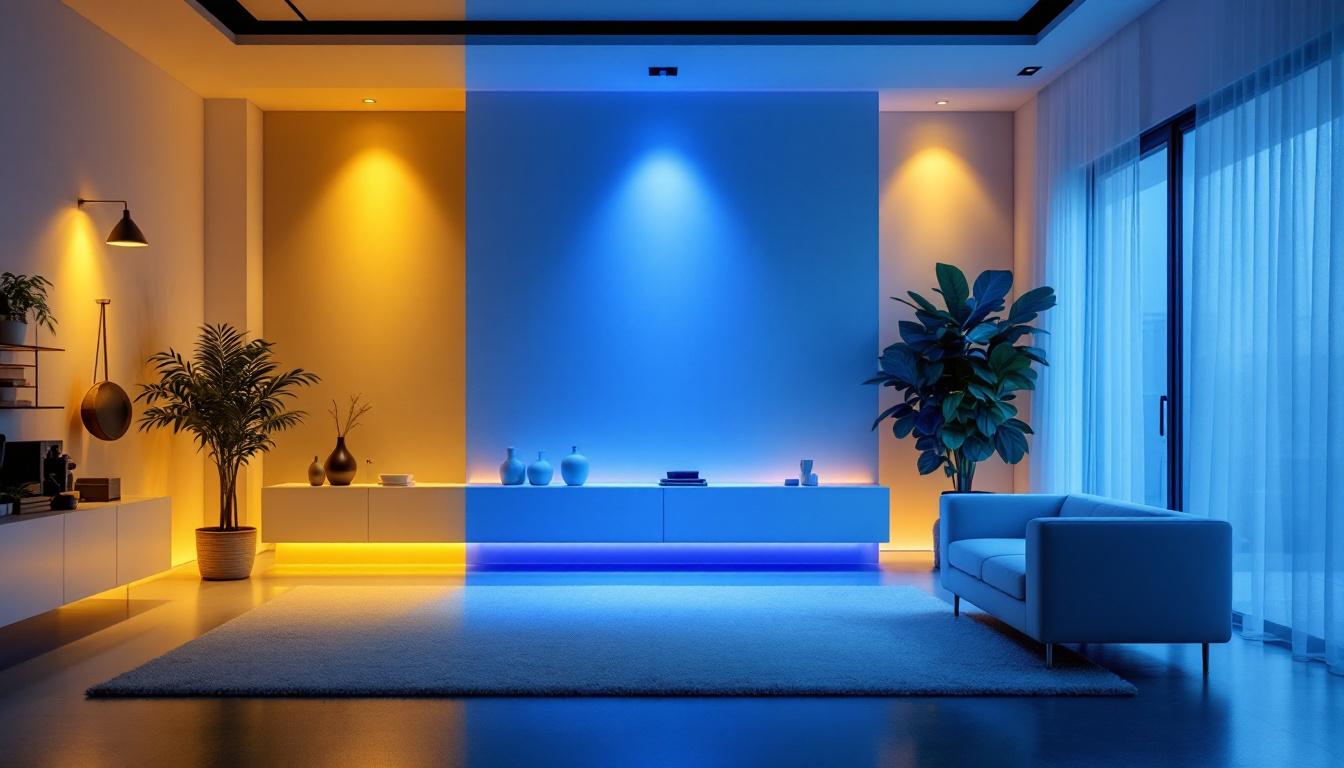
Color temperature refers to the color appearance of the light emitted by a source, based on the temperature of an ideal black-body radiator. Lower Kelvin values (2700K-3000K) produce warm, amber-like light similar to incandescent bulbs, while higher values (5000K and above) yield cool, daylight-like light. The middle range (around 4000K) is often described as neutral white.
Understanding these differences helps contractors specify lighting that aligns with the environment’s purpose—whether creating a cozy ambiance or promoting alertness and clarity. For instance, in residential settings, a warm color temperature of around 3000K is often preferred in living rooms and bedrooms to foster relaxation and comfort. In contrast, commercial spaces such as offices and retail environments may benefit from the energizing effects of cooler temperatures, like 5000K, which can enhance focus and productivity. Furthermore, the choice of color temperature can significantly influence the perception of space; cooler lights can make a room feel larger and more open, while warmer lights can create a more intimate atmosphere.
Additionally, the impact of color temperature extends beyond mere aesthetics; it can also affect the way colors are perceived. For example, a warm light can make colors appear softer and more muted, while a cooler light can enhance the vibrancy and clarity of colors. This aspect is particularly important in settings like art galleries or retail stores, where accurate color representation is crucial for showcasing products or artworks. Therefore, lighting contractors must consider not only the functional aspects of lighting but also how color temperature interacts with the colors and materials present in a space, ensuring that the lighting design complements the overall vision of the environment.
Characteristics and Applications of 3000K Lighting
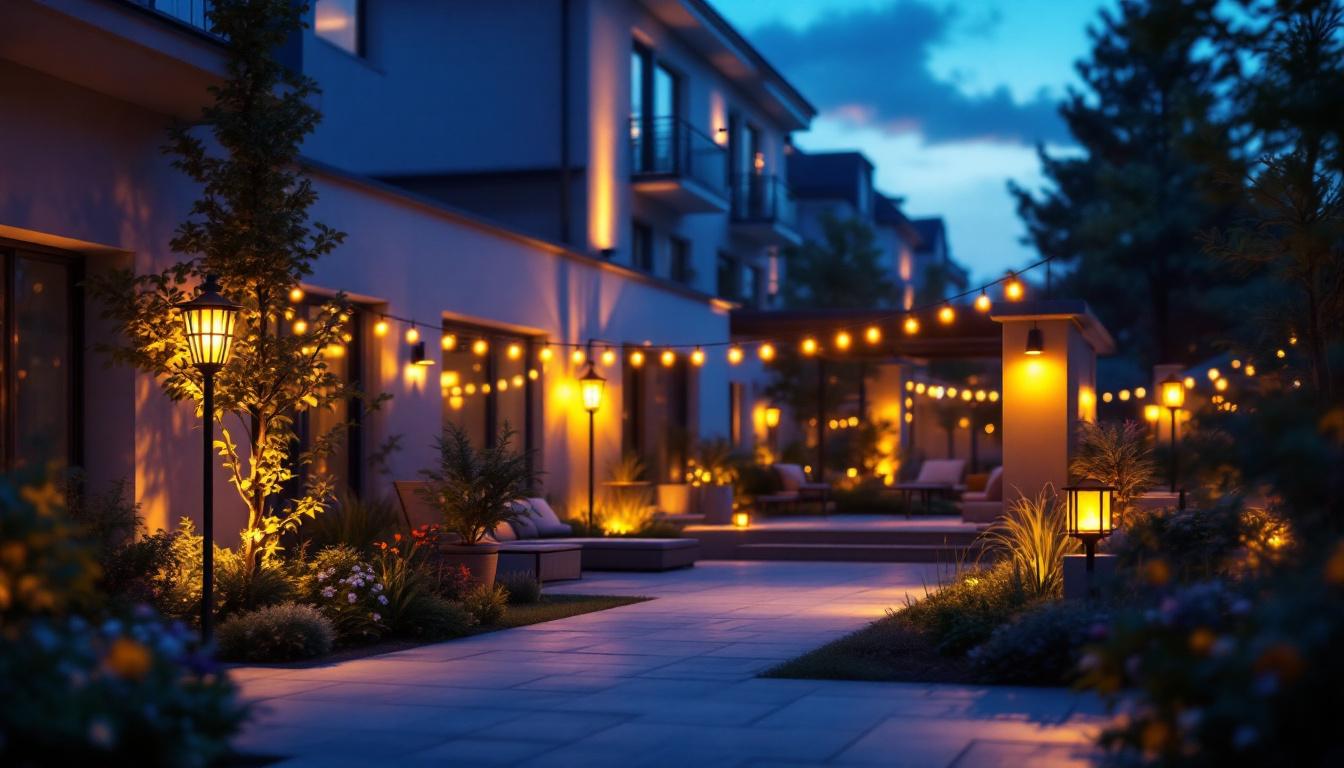
Lighting at 3000K is classified as warm white. It emits a soft, inviting glow that closely resembles traditional incandescent lighting. This color temperature is favored in environments where comfort and relaxation are priorities.
Visual and Psychological Effects
Warm white light at 3000K creates a welcoming atmosphere that reduces eye strain and fosters a sense of calm. It is often used in residential settings, hospitality venues, and restaurants to enhance mood and encourage social interaction. The warm tones help to soften shadows and create a more flattering environment for skin tones and interior finishes.
Common Use Cases
For lighting contractors, 3000K is an excellent choice for:
- Living rooms and bedrooms where a relaxing ambiance is desired
- Restaurants and cafes aiming to create a cozy, intimate setting
- Hotels and lounges where guests expect comfort and warmth
- Retail spaces selling products that benefit from warm lighting, such as clothing and food
Additionally, 3000K lighting is often selected for decorative fixtures and accent lighting to highlight architectural features without overpowering the space.
Exploring 4000K: The Neutral White Balance
4000K lighting occupies the middle ground between warm and cool light, often referred to as neutral white. This color temperature offers a balance of brightness and warmth, making it versatile for a wide range of applications.
Why Choose 4000K?
Neutral white light provides excellent color rendering and clarity without the harshness sometimes associated with cooler temperatures. It supports concentration and alertness while maintaining a comfortable environment, making it ideal for commercial and institutional settings.
Lighting contractors often recommend 4000K for spaces that require both functionality and aesthetic appeal, where neither warm nor cool lighting would be optimal.
Ideal Applications for 4000K
Some typical environments where 4000K lighting excels include:
- Office spaces and conference rooms, where productivity and focus are essential
- Healthcare facilities, such as clinics and examination rooms, where accurate color perception is crucial
- Retail stores that need to showcase products clearly without altering their true colors
- Educational institutions, including classrooms and libraries, supporting attentive learning
In addition, 4000K is often used in industrial and warehouse lighting, where balanced illumination improves safety and operational efficiency.
The Role of 5000K in Modern Lighting Solutions
At 5000K, lighting shifts toward a cool, daylight-like appearance. This color temperature is characterized by crisp, bright light that enhances visibility and mimics natural daylight conditions.
Benefits of 5000K Lighting
5000K lighting is highly effective in environments where precision and alertness are paramount. The cool tone enhances contrast and detail, which can reduce errors and improve safety. It also supports circadian rhythms by simulating daylight, which can boost mood and energy levels during daytime hours.
For lighting contractors, specifying 5000K can be a strategic choice in spaces that demand high visual acuity and a clean, modern aesthetic.
Applications Suited for 5000K
Common settings where 5000K lighting is preferred include:
- Manufacturing and assembly lines, where detailed work requires sharp lighting
- Hospitals and laboratories, where accurate color rendering and sterility are important
- Outdoor lighting, such as parking lots and security areas, to enhance visibility and safety
- Retail environments that sell electronics or other items benefiting from cool, bright illumination
Furthermore, 5000K lighting is frequently used in modern office designs aiming to replicate natural daylight and reduce the effects of indoor lighting fatigue.
Comparing Energy Efficiency and Longevity
While color temperature primarily affects the visual quality of light, it can also influence energy consumption and fixture lifespan. LED technology, which dominates modern lighting solutions, offers consistent efficiency across color temperatures, but subtle differences exist.
Energy Consumption Considerations
Generally, the energy efficiency of LEDs is not significantly impacted by color temperature; however, cooler temperatures like 5000K may appear brighter to the human eye at the same lumen output, potentially allowing for lower wattage usage in some applications. This can translate to energy savings when designing lighting layouts.
Impact on Fixture Longevity
LED lifespan is more closely related to the quality of components and thermal management than to color temperature. However, lighting contractors should be aware that fixtures designed for higher color temperatures sometimes incorporate different phosphor coatings or driver electronics, which can affect durability. Selecting high-quality products from reputable manufacturers is essential regardless of color temperature choice.
Human-Centric Lighting and Color Temperature
Modern lighting solutions increasingly emphasize human-centric design, which considers the biological and psychological effects of light. The choice between 3000K, 4000K, and 5000K plays a crucial role in supporting occupant well-being.
Influence on Circadian Rhythms
Exposure to cooler, higher color temperature light (4000K-5000K) during the day can help regulate circadian rhythms by suppressing melatonin production, thereby promoting alertness and productivity. Conversely, warmer light (around 3000K) in the evening supports relaxation and prepares the body for sleep.
Lighting contractors can design dynamic lighting systems that adjust color temperature throughout the day to align with natural biological cycles, enhancing occupant comfort and health.
Psychological and Emotional Effects
Warm lighting tends to evoke feelings of comfort and intimacy, making it suitable for social and leisure spaces. Neutral and cool lighting, on the other hand, can stimulate focus and mental clarity, which is beneficial in work and educational environments.
Understanding these effects enables contractors to create lighting environments that not only meet functional requirements but also contribute positively to the occupants’ mood and performance.
Practical Tips for Lighting Contractors
Choosing the right color temperature requires a comprehensive assessment of the space, its function, and the end user’s needs. Here are some practical guidelines:
Assess the Environment and Purpose
Consider whether the space is residential, commercial, industrial, or institutional. The activities performed in the area will dictate the ideal color temperature. For example, warm lighting suits relaxation zones, while cooler lighting is better for task-oriented spaces.
Consult with Clients on Aesthetic Preferences
Client expectations and branding can influence color temperature selection. Retailers may prefer lighting that enhances product appeal, while offices may prioritize employee comfort and productivity.
Leverage Tunable White Technology
Where budgets allow, installing tunable white LED systems that can shift between 3000K, 4000K, and 5000K offers maximum flexibility. This adaptability supports changing needs throughout the day and across different use cases.
Consider Integration with Controls
Incorporating dimming and color temperature controls can optimize energy use and occupant experience. Smart lighting systems enable dynamic adjustments that respond to natural light availability and user preferences.
Conclusion: Making Informed Choices in Color Temperature
For lighting contractors, understanding the distinctions between 3000K, 4000K, and 5000K is critical in delivering modern lighting solutions that are both functional and human-centered. Each color temperature offers unique benefits and applications, from the warm comfort of 3000K to the neutral versatility of 4000K and the bright clarity of 5000K.
By carefully evaluating the environment, user needs, and technological options, contractors can design lighting systems that enhance aesthetics, improve well-being, and optimize energy efficiency. Staying informed about the evolving trends and technologies in color temperature will ensure lighting professionals remain at the forefront of delivering superior lighting experiences.
Illuminate Your Projects with LumenWholesale
Ready to bring the ideal color temperature to your next project? At LumenWholesale, we offer an exceptional range of 3000K, 4000K, and 5000K lighting options to suit any application. Our commitment to quality and affordability ensures that you can provide your clients with lighting solutions that not only meet their aesthetic and functional needs but also support their well-being. Take advantage of our wholesale pricing, free shipping, and spec-grade products today. Elevate your lighting game and deliver the best value to your clients with Wholesale Lighting at the Best Value from LumenWholesale.