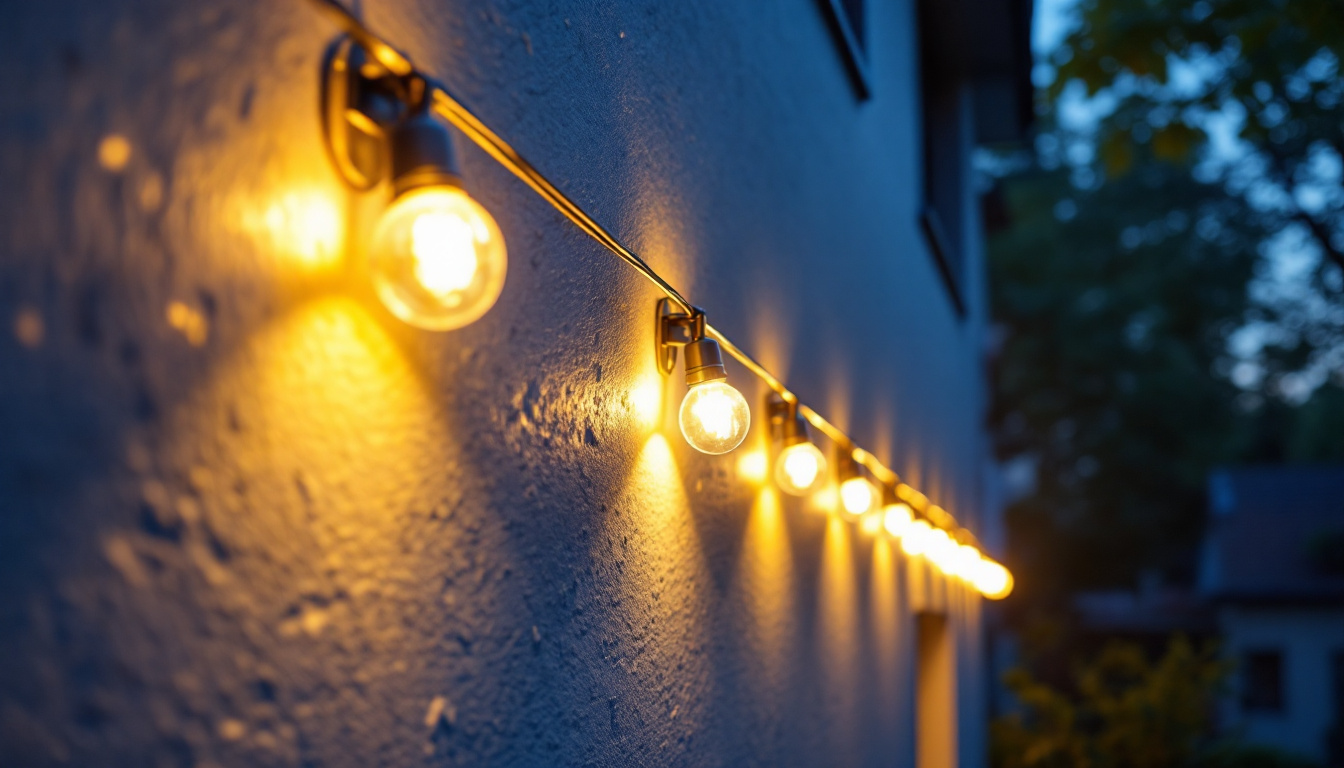
In the world of residential lighting, LED lights have become a popular choice due to their energy efficiency, longevity, and versatility. When tasked with installing a 100-foot run of LED residential lights, lighting contractors must be well-prepared. This comprehensive checklist serves as a guide to ensure a smooth installation process, covering everything from planning to execution.
Understanding LED Lighting Basics
Before diving into the installation process, it’s crucial to understand the fundamentals of LED lighting. LEDs, or Light Emitting Diodes, are semiconductor devices that emit light when an electric current passes through them. Their unique properties make them ideal for various applications, including residential lighting. Unlike traditional bulbs that generate light through heat, LEDs produce light more efficiently, resulting in less energy waste and a cooler operating temperature. This efficiency not only contributes to energy savings but also enhances safety, as the risk of burns or fire hazards is significantly reduced.
Benefits of LED Lighting
LED lights offer numerous advantages over traditional incandescent or fluorescent bulbs. They consume significantly less energy, which translates to lower electricity bills for homeowners. Additionally, LEDs have a longer lifespan, often lasting up to 25,000 hours or more, reducing the frequency of replacements. This longevity means that homeowners can enjoy consistent lighting without the hassle of frequent bulb changes, which can be particularly beneficial in hard-to-reach fixtures.
Moreover, LEDs are available in a wide range of colors and brightness levels, allowing for customizable lighting solutions that can enhance the aesthetic appeal of any space. Their durability also means they can withstand impact and vibration, making them suitable for both indoor and outdoor applications. Furthermore, many LED lights are now designed to be dimmable, providing even greater control over the ambiance of a room. This feature allows homeowners to adjust lighting levels for various activities, from bright illumination for tasks to soft, warm light for relaxation.
Types of LED Lights for Residential Use
When planning a 100-foot run of LED lights, it’s essential to consider the types of LEDs available. Options include strip lights, recessed lights, and pendant fixtures, each serving different purposes and aesthetics. Strip lights, for instance, are perfect for accent lighting, while recessed lights can provide general illumination. Additionally, there are floodlights and spotlights that can be used for outdoor spaces, enhancing security and visibility around the home.
Understanding the specific needs of the residential space will help in selecting the appropriate type of LED lights. Factors such as the intended use of the area, desired ambiance, and existing decor should all influence the decision-making process. For example, in a kitchen, bright, white LED lights can enhance visibility for cooking, while softer, warmer tones may be more suitable for a cozy living room atmosphere. Moreover, with the rise of smart LED technology, homeowners can also consider options that integrate with home automation systems, allowing for remote control and scheduling of lighting to further enhance convenience and energy efficiency.
Planning the Installation
Proper planning is a critical step in any lighting project. A well-thought-out plan can save time, reduce mistakes, and ensure a successful installation. Here are some key considerations to keep in mind during the planning phase.
Assessing the Space
Before installation, conduct a thorough assessment of the area where the LED lights will be installed. Take measurements to determine the exact length of the run and identify any obstacles that may affect installation, such as furniture, windows, or existing electrical fixtures.
Consider the layout of the space as well. For instance, if the lights are intended for a kitchen, think about areas that require more illumination, such as countertops or islands. In contrast, living areas may benefit from softer, ambient lighting.
Creating a Lighting Plan
Once the space has been assessed, develop a comprehensive lighting plan. This plan should outline the specific locations for each LED fixture, the type of lighting to be used, and the desired brightness levels. Utilizing design software or simple sketches can help visualize the final outcome.
Additionally, consider the color temperature of the LEDs. Warmer tones (around 2700K) create a cozy atmosphere, while cooler tones (around 5000K) are more energizing and suitable for task-oriented spaces.
Gathering Necessary Tools and Materials
With a clear plan in place, it’s time to gather the necessary tools and materials for the installation. Having everything on hand before starting will streamline the process and minimize disruptions.
Essential Tools
Some essential tools for installing a 100-foot run of LED lights include:
- Wire cutters and strippers
- Screwdrivers (flathead and Phillips)
- Drill with appropriate bits
- Measuring tape
- Level
- Voltage tester
Each of these tools plays a vital role in ensuring a successful installation. For instance, a voltage tester is crucial for ensuring that electrical circuits are safe to work on, while a level helps to ensure that fixtures are installed straight and evenly.
Required Materials
In addition to tools, gather the necessary materials for the project. This includes:
- LED light strips or fixtures
- Power supply or transformer (if necessary)
- Mounting hardware (clips, brackets, etc.)
- Electrical wire
- Connectors and adapters
Choosing high-quality materials is essential for the longevity and performance of the lighting system. Ensure that all components are compatible with each other, particularly the power supply and LED lights.
Executing the Installation
With planning and preparation complete, it’s time to execute the installation. This phase requires attention to detail and adherence to safety protocols to ensure a successful outcome.
Safety Precautions
Safety should always be a top priority during any electrical installation. Before beginning work, ensure that the power is turned off at the circuit breaker to prevent electrical shock. Wearing personal protective equipment (PPE) such as gloves and safety glasses is also advisable.
Additionally, be aware of any local building codes or regulations that may apply to residential lighting installations. Compliance with these codes is essential to ensure the safety and legality of the installation.
Step-by-Step Installation Process
The installation process can be broken down into several key steps:
- Measure and Mark: Using a measuring tape, mark the locations where the LED lights will be installed. Ensure that the spacing is even and aligns with the lighting plan.
- Install Mounting Hardware: Depending on the type of LED lights being used, install any necessary mounting hardware. This may involve drilling holes and securing brackets or clips to the surface.
- Run Electrical Wiring: If additional wiring is needed, run electrical wires from the power source to the installation points. Use wire connectors to secure connections and ensure they are insulated properly.
- Connect the LED Lights: Follow the manufacturer’s instructions to connect the LED lights to the power supply. Ensure that all connections are secure and that the polarity is correct.
- Test the System: Before finalizing the installation, turn the power back on and test the lights to ensure they function correctly. Check for any flickering or dimming issues that may indicate a problem.
Post-Installation Considerations
After the installation is complete, there are several important considerations to keep in mind to ensure the longevity and effectiveness of the LED lighting system.
Cleaning and Maintenance
Once the installation is finished, clean the area to remove any debris or dust that may have accumulated during the process. This not only improves the appearance of the space but also ensures that the lighting fixtures are free from obstructions that could affect performance.
Regular maintenance is also crucial for the longevity of LED lights. While LEDs require less maintenance than traditional bulbs, periodic checks for dust buildup and ensuring that connections remain secure can help maintain optimal performance.
Educating the Homeowner
After completing the installation, take the time to educate the homeowner about their new lighting system. Discuss the benefits of LED lighting, how to operate any dimmers or controls, and the importance of regular maintenance.
Providing homeowners with information on energy savings and the expected lifespan of the LEDs can also enhance their appreciation of the installation. This knowledge empowers them to make informed decisions regarding their lighting needs in the future.
Common Challenges and Solutions
Even with careful planning and execution, challenges may arise during the installation of a 100-foot run of LED lights. Being prepared to address these issues can help ensure a successful project.
Dealing with Insufficient Power Supply
One common issue is insufficient power supply to support the LED lights. If the lights flicker or do not illuminate properly, it may indicate that the power supply is inadequate. In such cases, consider upgrading the power supply or using a transformer to ensure compatibility with the LED system.
Addressing Lighting Quality Issues
Another challenge may involve lighting quality. If the lights appear too dim or harsh, evaluate the type of LED lights used and the color temperature. Adjusting the brightness levels or selecting different fixtures can help achieve the desired ambiance.
Conclusion
Installing a 100-foot run of LED residential lights can significantly enhance the aesthetics and functionality of a home. By following this comprehensive checklist, lighting contractors can ensure a successful installation that meets the needs and expectations of homeowners.
From understanding the basics of LED lighting to executing a well-planned installation, each step plays a crucial role in delivering high-quality results. With careful attention to detail and a commitment to safety, contractors can create beautiful, energy-efficient lighting solutions that stand the test of time.
Ultimately, the goal is to provide homeowners with a lighting system that not only meets their practical needs but also enhances their living spaces. By staying informed and prepared, lighting contractors can navigate the complexities of LED installations with confidence.
Get Your Premium LED Lighting Supplies at LumenWholesale
Ready to elevate your lighting installations with the best products on the market? Look no further than LumenWholesale for all your LED lighting needs. We provide contractors with high-quality, spec-grade lighting at unbeatable wholesale prices, ensuring your 100-foot LED light run is not only stunning but also cost-effective. With our extensive selection that meets rigorous industry standards, you’ll find the perfect lighting solutions for any project. Plus, with free shipping on bulk orders, you can stock up on superior lighting without worrying about hidden fees. Make your next installation a breeze and experience the ideal combination of quality, affordability, and convenience at LumenWholesale – Wholesale Lighting at the Best Value.