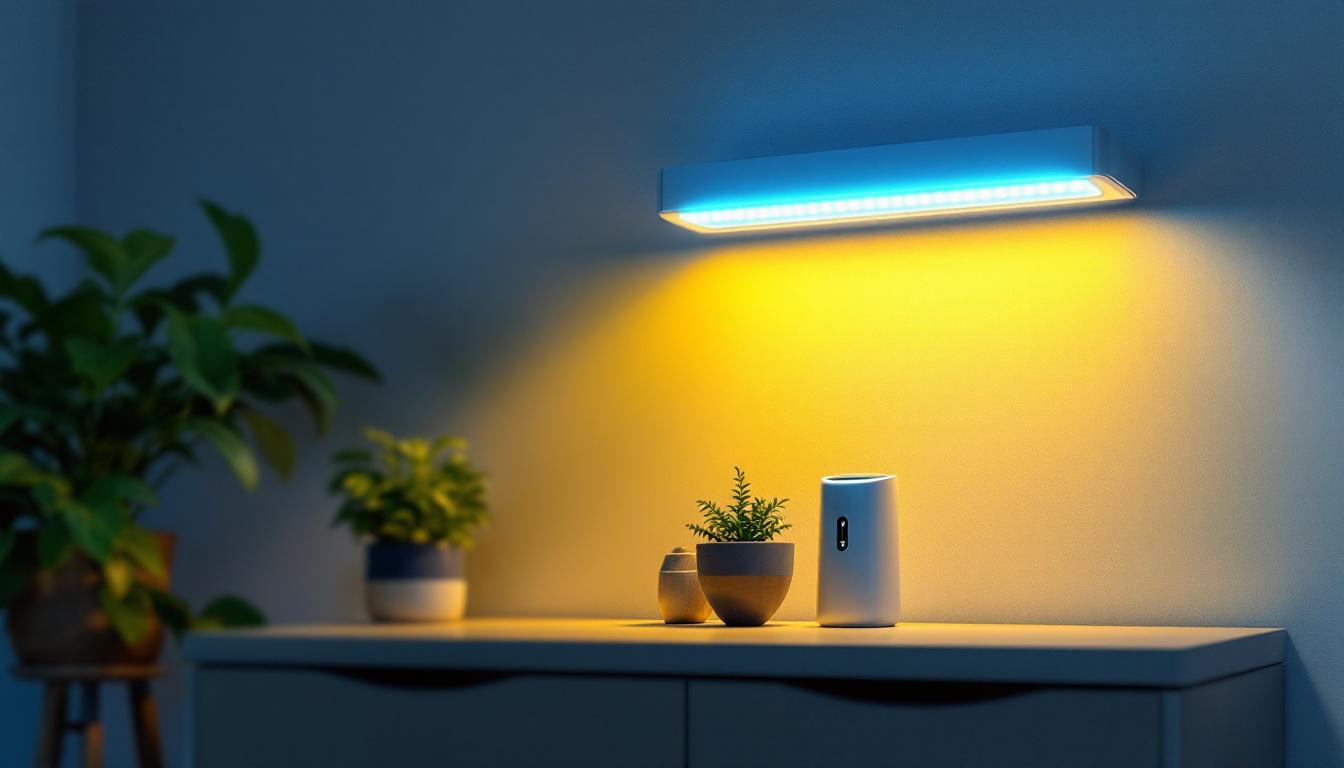
Understanding UV Sanitation Light: What Lighting Contractors Need to Know
Ultraviolet (UV) sanitation lights have become a crucial tool in maintaining hygienic environments, especially in commercial and healthcare settings. For lighting contractors, grasping the fundamentals of UV sanitation technology is essential to meet growing client demands and ensure proper installation and safety.
UV sanitation lights use ultraviolet-C (UV-C) radiation, typically in the wavelength range of 200 to 280 nanometers, to deactivate microorganisms by damaging their DNA or RNA. This process effectively neutralizes bacteria, viruses, molds, and other pathogens, reducing the risk of contamination on surfaces and in the air.
Unlike traditional cleaning methods, UV sanitation offers a chemical-free solution that can complement or even replace disinfectants in certain applications. However, the technology requires careful handling and precise installation to maximize efficacy and avoid health hazards.
Types of UV Sanitation Lights
There are several types of UV sanitation lights that lighting contractors might encounter:
- UV-C Lamps: These are the most common and emit germicidal UV light. They are often used in HVAC systems, air purifiers, and surface disinfection units.
- Far-UV-C Lamps: Operating at around 222 nm, these lamps are gaining attention for their ability to disinfect without penetrating human skin or eyes, making them safer for occupied spaces.
- UV LED Lights: A newer technology, UV LEDs offer longer life spans, lower energy consumption, and instant on/off capabilities. They are increasingly used in compact sanitation devices.
Each type has its own installation requirements and applications, making it vital for lighting contractors to understand the specifics before recommending or implementing solutions.
Moreover, the effectiveness of UV sanitation lights can be influenced by various factors, including distance from the surface being disinfected, exposure time, and the intensity of the UV light. For instance, surfaces that are heavily soiled may require pre-cleaning to ensure that the UV light can penetrate effectively and reach the pathogens. Additionally, the angle at which the UV light is positioned can significantly impact its disinfecting capabilities; therefore, contractors must be diligent in planning the layout of UV sanitation systems to optimize their performance.
As the demand for UV sanitation technology continues to rise, especially in the wake of global health concerns, staying informed about the latest advancements and best practices will be crucial for lighting contractors. This includes understanding regulatory guidelines, such as those set forth by the Environmental Protection Agency (EPA) and the Centers for Disease Control and Prevention (CDC), which provide valuable insights into safe usage and installation standards. By keeping abreast of these developments, contractors can not only enhance their service offerings but also contribute to creating safer environments for their clients.
Key Considerations for Installation and Safety
Installing UV sanitation lights is not just about wiring and mounting. Safety considerations are paramount because UV-C radiation can cause skin burns and eye injuries if exposure is not controlled.
Assessing the Environment
Before installation, contractors should evaluate the space thoroughly. Factors such as room size, airflow, surface materials, and occupancy patterns influence the choice and placement of UV sanitation lights. For example, in HVAC systems, UV lamps are typically installed near coils to prevent microbial growth, while in occupied rooms, upper-room UV fixtures or far-UV-C lamps may be preferable. Additionally, understanding the specific use of the space—whether it’s a healthcare facility, a food processing plant, or an office—can significantly impact the effectiveness of the UV sanitation system. Each environment presents unique challenges, such as varying levels of contamination risk and different cleaning protocols, which must be taken into account during the planning phase.
Proper Shielding and Controls
To protect occupants and maintenance personnel, UV sanitation systems often require shielding or interlocks that prevent exposure during operation. Motion sensors, timers, and remote controls can help ensure lights operate only when spaces are unoccupied or under controlled conditions. Furthermore, implementing visual indicators or alarms can enhance safety by alerting individuals when UV lights are active. Training staff on the importance of these safety features is essential, as it fosters a culture of awareness and responsibility regarding UV exposure. Regular maintenance checks should also be scheduled to ensure that all safety mechanisms are functioning correctly and that the UV lights are operating at optimal levels.
Lighting contractors must be familiar with local regulations and industry standards regarding UV exposure limits and safety protocols. Consulting guidelines from organizations such as the Illuminating Engineering Society (IES) and the American Conference of Governmental Industrial Hygienists (ACGIH) is recommended. Staying updated with the latest research and advancements in UV technology is also crucial, as new findings can influence safety practices and installation methods.
Electrical and Mechanical Integration
UV sanitation lights may have unique electrical requirements, including specific ballasts or drivers, and may generate heat that needs to be managed. Proper integration with existing lighting and HVAC systems is critical to ensure reliability and efficiency. Additionally, contractors should consider the potential for energy savings and the environmental impact of the installation. Using energy-efficient UV lights can reduce operating costs and contribute to sustainability goals. Moreover, incorporating smart technology into the system can allow for real-time monitoring and adjustments, optimizing performance based on actual usage patterns. This level of integration not only enhances the effectiveness of sanitation efforts but also provides valuable data that can inform future upgrades and maintenance strategies.
Applications and Benefits for Clients
Lighting contractors who understand the diverse applications of UV sanitation lights can better advise clients and expand their service offerings.
Healthcare Facilities
Hospitals and clinics rely heavily on UV sanitation to reduce healthcare-associated infections. UV lights installed in patient rooms, operating theaters, and HVAC systems help maintain sterile environments. Contractors working in healthcare must adhere to strict standards and collaborate closely with facility managers. The use of UV sanitation in these settings not only helps in preventing the spread of infections but also contributes to overall patient safety and satisfaction. Additionally, ongoing research into UV light’s effectiveness against various pathogens continues to bolster its credibility in the healthcare sector, making it an essential tool for infection control protocols.
Commercial and Public Spaces
Offices, schools, airports, and retail stores are increasingly adopting UV sanitation to reassure occupants and reduce pathogen transmission. Upper-room UVGI (ultraviolet germicidal irradiation) fixtures can disinfect air in occupied spaces without direct exposure risks. This technology is particularly beneficial in high-traffic areas where the risk of airborne diseases is heightened. Moreover, the integration of UV sanitation systems can enhance the overall air quality, leading to improved employee productivity and customer comfort. As businesses strive to create safer environments, the demand for innovative UV solutions is expected to grow, presenting contractors with new opportunities to expand their portfolios.
Transportation and Hospitality
UV sanitation is making inroads in buses, trains, hotels, and restaurants. Portable UV devices and integrated lighting solutions help maintain cleanliness and enhance customer confidence. In the transportation sector, the implementation of UV lights in vehicles can significantly reduce the risk of contagion among passengers, especially during peak travel seasons. Similarly, in the hospitality industry, hotels are increasingly promoting their use of UV sanitation as a key selling point, reassuring guests that their health and safety are prioritized. As travelers become more health-conscious, the adoption of UV technology in these sectors not only aids in compliance with health regulations but also serves as a competitive advantage in attracting clientele.
Challenges and Limitations
While UV sanitation lights offer many advantages, lighting contractors must be aware of their limitations to set realistic expectations and avoid improper use.
Line-of-Sight and Shadowing
UV-C light disinfects only surfaces it directly illuminates. Shadows and obstructions can prevent effective sanitation, necessitating strategic placement and sometimes multiple fixtures to cover all areas. This challenge is particularly pronounced in environments with complex layouts, such as hospitals or industrial facilities, where furniture and equipment can create significant barriers. Contractors may need to conduct thorough site assessments to identify potential shadow zones and develop a comprehensive lighting plan that maximizes UV exposure. Additionally, educating clients about the importance of maintaining clear lines of sight can further enhance the effectiveness of UV sanitation efforts.
Material Compatibility
Prolonged UV exposure can degrade certain materials such as plastics, rubber, and fabrics. Selecting UV-resistant components and advising clients on maintenance is important to prevent premature wear. It is also crucial to consider the specific applications of UV sanitation in different settings, as some materials may be more susceptible to damage than others. For instance, in healthcare environments, where UV lights are often used for disinfection, the presence of sensitive equipment and furnishings necessitates careful material selection. Contractors should provide clients with detailed information on the types of materials that can withstand UV exposure and recommend alternative solutions when necessary, ensuring both safety and longevity.
Ozone Generation
Some UV lamps produce ozone, which can be harmful in high concentrations. Using ozone-free lamps or ensuring adequate ventilation mitigates this risk. Furthermore, it is essential for contractors to inform clients about the potential health effects of ozone exposure, such as respiratory issues, especially in enclosed spaces. Implementing monitoring systems to track ozone levels can be an effective way to maintain a safe environment. Additionally, educating clients on the importance of regular maintenance and the proper operation of UV systems can help prevent ozone buildup and ensure that the sanitization process remains both effective and safe for all occupants.
Staying Ahead: Training and Certification
With UV sanitation technology evolving rapidly, ongoing education is essential for lighting contractors. Specialized training programs and certifications can enhance technical knowledge and credibility.
Recommended Training Topics
- UV light physics and germicidal mechanisms
- Safety standards and personal protective equipment (PPE)
- Installation best practices and troubleshooting
- Integration with building management systems
- Emerging technologies such as UV LEDs and far-UV-C
Benefits of Certification
Certification demonstrates expertise to clients and can open doors to new projects in healthcare, commercial, and industrial sectors. It also ensures compliance with regulatory requirements and reduces liability risks.
Conclusion: Maximizing Value Through Expertise
UV sanitation lights represent a powerful tool in the lighting contractor’s arsenal. By understanding the technology, prioritizing safety, and tailoring solutions to client needs, contractors can deliver effective sanitation systems that improve health outcomes and build trust.
Investing time in mastering UV sanitation lighting not only differentiates contractors in a competitive market but also positions them as essential partners in creating safer, cleaner environments.
Get Your UV Sanitation Lighting from LumenWholesale
Ready to elevate your lighting projects with the most effective UV sanitation solutions? At LumenWholesale, we offer an extensive selection of high-quality, spec-grade UV lighting products at unbeatable wholesale prices. Say goodbye to inflated markups and hello to superior lighting that meets the highest industry standards. With our hassle-free bulk buying and free shipping, you can trust that you’re getting premium lighting at the best value — without hidden fees or compromises. Enhance your expertise and become a trusted partner in creating safer environments today. Visit LumenWholesale for Wholesale Lighting at the Best Value.