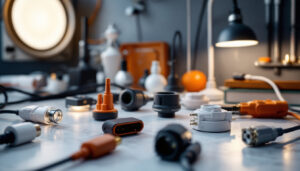
Understanding Wet Location Light Fixtures
For lighting contractors, specifying the right fixture for wet locations isn’t just about compliance-it’s about safety, durability, and performance. Wet location light fixtures are designed to withstand direct exposure to water, rain, and moisture, making them essential for outdoor installations, bathrooms, kitchens, and industrial environments where water contact is inevitable.
These fixtures differ significantly from damp or dry location fixtures. While damp location fixtures can handle humidity and occasional moisture, wet location fixtures must endure continuous water exposure without compromising electrical safety or structural integrity. This distinction is critical, as improper fixture selection can lead to electrical hazards, premature fixture failure, and costly rework.
Defining Wet Locations in Electrical Codes
The National Electrical Code (NEC) classifies wet locations as areas subject to saturation with water or other liquids. Examples include exterior areas exposed to weather, indoor swimming pools, fountains, and certain industrial environments. Understanding these definitions helps contractors select fixtures that meet code requirements and ensure safety.
Wet location fixtures typically carry specific ratings, such as IP65 or higher, indicating their resistance to water ingress. These ratings are crucial for verifying that a fixture can handle the environmental conditions of the installation site. Additionally, many wet location fixtures are constructed with corrosion-resistant materials, such as stainless steel or high-grade plastics, which further enhance their longevity and reliability in harsh conditions. This is particularly important in coastal areas where saltwater can accelerate corrosion, making the choice of materials a key factor in fixture selection.
Moreover, the design of wet location fixtures often incorporates features such as sealed lenses and gaskets to prevent moisture from entering the electrical components. This not only protects the fixture but also ensures consistent lighting performance over time. The integration of LED technology in these fixtures has revolutionized their efficiency and lifespan, providing brighter illumination while consuming less energy. As energy codes become more stringent, the adoption of energy-efficient wet location fixtures is becoming increasingly important for both sustainability and cost-effectiveness in lighting projects.
Key Features of Wet Location Light Fixtures
Wet location fixtures incorporate design elements that protect electrical components from moisture and corrosion. These features are essential for maintaining functionality and safety over time, especially in environments where exposure to water is a constant concern, such as outdoor areas, bathrooms, and industrial settings.
Sealed Enclosures and Gaskets
One of the primary characteristics of wet location fixtures is a tightly sealed enclosure. This prevents water from entering the fixture housing, which could cause short circuits or corrosion. High-quality gaskets made from durable materials like silicone or rubber ensure a watertight seal around lenses, covers, and junction points. These seals are crucial not only for the performance of the fixture but also for compliance with safety standards set by organizations such as the National Electrical Code (NEC).
Contractors should inspect these seals during installation to confirm they are intact and properly seated. Any damage or misalignment can compromise the fixture’s wet location rating. Additionally, routine maintenance checks should be scheduled to ensure that seals remain effective over time, as wear and tear can occur due to environmental factors such as temperature fluctuations and exposure to UV rays.
Corrosion-Resistant Materials
Fixtures intended for wet environments often use corrosion-resistant metals such as stainless steel, aluminum with powder coating, or specially treated plastics. These materials withstand harsh conditions, including salt spray near coastal areas, without degrading. The use of such materials not only enhances durability but also contributes to the aesthetic appeal of the fixture, as many modern designs incorporate sleek finishes that complement various architectural styles.
Choosing fixtures with appropriate materials extends the lifespan of the installation and reduces maintenance costs—an important consideration for clients who expect long-term reliability. Furthermore, the selection of high-quality materials can also lead to improved energy efficiency, as fixtures that maintain their integrity over time are less likely to require frequent replacements, thereby reducing waste and contributing to sustainability goals.
Proper Ventilation and Drainage
Some wet location fixtures include features that allow moisture to escape without allowing water ingress. Ventilation systems with water-resistant membranes or drainage holes help prevent condensation buildup inside the fixture, which can be just as damaging as direct water exposure. This is particularly important in areas where temperature changes can lead to rapid condensation, potentially affecting the performance of the lighting system.
Lighting contractors should evaluate the site’s specific conditions to determine if these features are necessary, especially in humid or temperature-variable environments. Additionally, understanding the local climate can inform decisions about fixture placement and orientation, optimizing performance and longevity. By taking these factors into account, contractors can ensure that wet location fixtures not only meet regulatory standards but also provide reliable illumination in challenging conditions.
Installation Best Practices for Wet Location Fixtures
Installing wet location fixtures requires attention to detail beyond simply mounting the fixture. Proper installation ensures the fixture performs as intended and complies with safety standards.
Site Assessment and Fixture Placement
Before installation, contractors should assess the site for potential water exposure types—rain, splashing, submersion, or condensation. This assessment informs fixture selection and placement. For example, fixtures installed under eaves may require different protection than those fully exposed to rain. Understanding the specific environmental conditions can also help in selecting fixtures with the right IP (Ingress Protection) rating, which indicates their resistance to water and dust. Areas prone to heavy rainfall or flooding may necessitate fixtures designed for complete submersion, while those in more sheltered spots might only need basic weatherproofing.
Placement should also consider accessibility for maintenance without compromising the fixture’s sealed integrity. It’s important to think about how often the fixtures will need to be accessed for bulb replacement or cleaning, as well as the potential for debris accumulation that could obstruct light output or cause damage. Additionally, considering the aesthetic impact of the fixture placement can enhance the overall design of the space, ensuring that functionality does not come at the expense of visual appeal.
Wiring and Sealing Connections
All wiring connections must be made within approved, weatherproof junction boxes rated for wet locations. Using waterproof connectors and sealing any cable entry points with appropriate sealants or gaskets prevents water intrusion into electrical components. Furthermore, it’s advisable to use corrosion-resistant materials for all hardware and fixtures, as the presence of moisture can accelerate degradation. Regular inspections of these connections can also be beneficial, as they allow for early detection of any wear or damage that could compromise the fixture’s performance over time.
Contractors should also ensure that conduit and cable entries are properly sealed and sloped to prevent water pooling or running into the fixture. This attention to detail not only enhances the longevity of the installation but also minimizes the risk of electrical failures that could arise from moisture exposure. In addition, the use of drip loops in wiring can help divert water away from connections, further safeguarding the integrity of the electrical system.
Following Manufacturer Guidelines and Code Compliance
Manufacturers provide detailed installation instructions specific to each fixture model. Adhering to these guidelines is crucial to maintain the fixture’s wet location rating and warranty. NEC and local codes often specify additional requirements, such as grounding methods and circuit protection, which must be incorporated. It’s essential for contractors to stay updated with any changes in local codes or manufacturer recommendations, as these can evolve based on new technologies or safety standards.
Ignoring these details can lead to failed inspections, liability issues, and safety hazards. Moreover, proper documentation of the installation process, including photographs and notes on compliance with guidelines, can be invaluable for future maintenance or in the event of an inspection. This proactive approach not only protects the contractor but also ensures that the installation remains safe and effective for years to come.
Common Applications and Challenges
Wet location fixtures are used in a wide range of environments, each presenting unique challenges for lighting contractors.
Outdoor Residential and Commercial Lighting
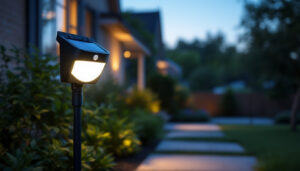
From porch lights to parking lot illumination, wet location fixtures are essential in outdoor settings. Contractors must balance aesthetics, brightness, and durability. Fixtures with adjustable heads or integrated motion sensors add functionality but require careful sealing to maintain wet location integrity.
Industrial and Marine Environments
Factories, warehouses, and marine facilities demand fixtures that resist not only water but also chemicals, salt, and extreme temperatures. Lighting contractors working in these sectors often specify heavy-duty wet location fixtures with enhanced corrosion resistance and impact protection.
Pool and Spa Areas
Lighting near pools and spas is highly regulated due to the increased risk of electrical shock. Wet location fixtures used here must meet stringent standards, including low-voltage options and ground-fault circuit interrupter (GFCI) protection. Proper installation and maintenance are critical to ensure safety.
Maintenance and Troubleshooting Tips
Even the best wet location fixtures require periodic maintenance to sustain performance and safety.
Regular Inspection of Seals and Enclosures
Over time, gaskets and seals can degrade due to UV exposure, temperature changes, or physical damage. Contractors should advise clients to schedule inspections, especially after severe weather events, to detect and replace compromised components promptly.
Cleaning and Corrosion Prevention
Accumulated dirt, salt, or organic matter can trap moisture and accelerate corrosion. Cleaning fixtures with appropriate, non-abrasive materials helps maintain their protective finishes. In marine environments, applying corrosion inhibitors may be necessary.
Addressing Electrical Issues
If a fixture fails or flickers, moisture intrusion is a common culprit. Troubleshooting should begin with a visual inspection for water entry, followed by testing wiring and connections. Replacing damaged fixtures or components promptly prevents further damage and safety risks.
Choosing the Right Wet Location Fixtures: Factors to Consider
With a vast array of wet location fixtures on the market, selecting the right product can be overwhelming. Lighting contractors should weigh several factors to make informed decisions.
Environmental Conditions
Consider exposure to water types (fresh, salt, chemical), temperature extremes, UV exposure, and potential physical impacts. These factors influence material choice, IP rating, and fixture design.
Lighting Requirements
Evaluate the desired light level, beam angle, color temperature, and energy efficiency. LED fixtures dominate the market for wet locations due to their longevity and low heat output, which reduces condensation risks.
Installation Constraints and Maintenance Access
Fixtures should be compatible with existing mounting points and wiring infrastructure. Easy access for maintenance reduces long-term labor costs and downtime.
Budget and Warranty
While upfront costs matter, investing in high-quality wet location fixtures often saves money by minimizing replacements and repairs. Warranties can provide additional peace of mind, especially for commercial projects.
Conclusion
For lighting contractors, mastering the selection, installation, and maintenance of wet location light fixtures is a critical skill that directly impacts safety, client satisfaction, and project success. Understanding the nuances of wet location ratings, fixture features, and environmental challenges equips contractors to deliver reliable, code-compliant lighting solutions that stand the test of time.
Staying informed about evolving standards and product innovations ensures that contractors remain trusted experts in their field, capable of tackling the unique demands of wet location lighting with confidence.
Get Your Wet Location Lighting Solutions at LumenWholesale
Ready to elevate your wet location lighting projects with fixtures that promise safety, durability, and unmatched performance? Look no further than LumenWholesale. Our extensive selection of spec-grade lighting products meets the highest industry standards and is available at unbeatable wholesale prices. Say goodbye to local distributor markups and hello to superior lighting solutions that fit your budget. Plus, with free shipping on bulk orders, you can stock up on premium lighting without any hidden fees or compromises. Make your next project shine by choosing Wholesale Lighting at the Best Value with LumenWholesale.