Understanding the Electrical Demands of Stackable Washer and Dryer Units
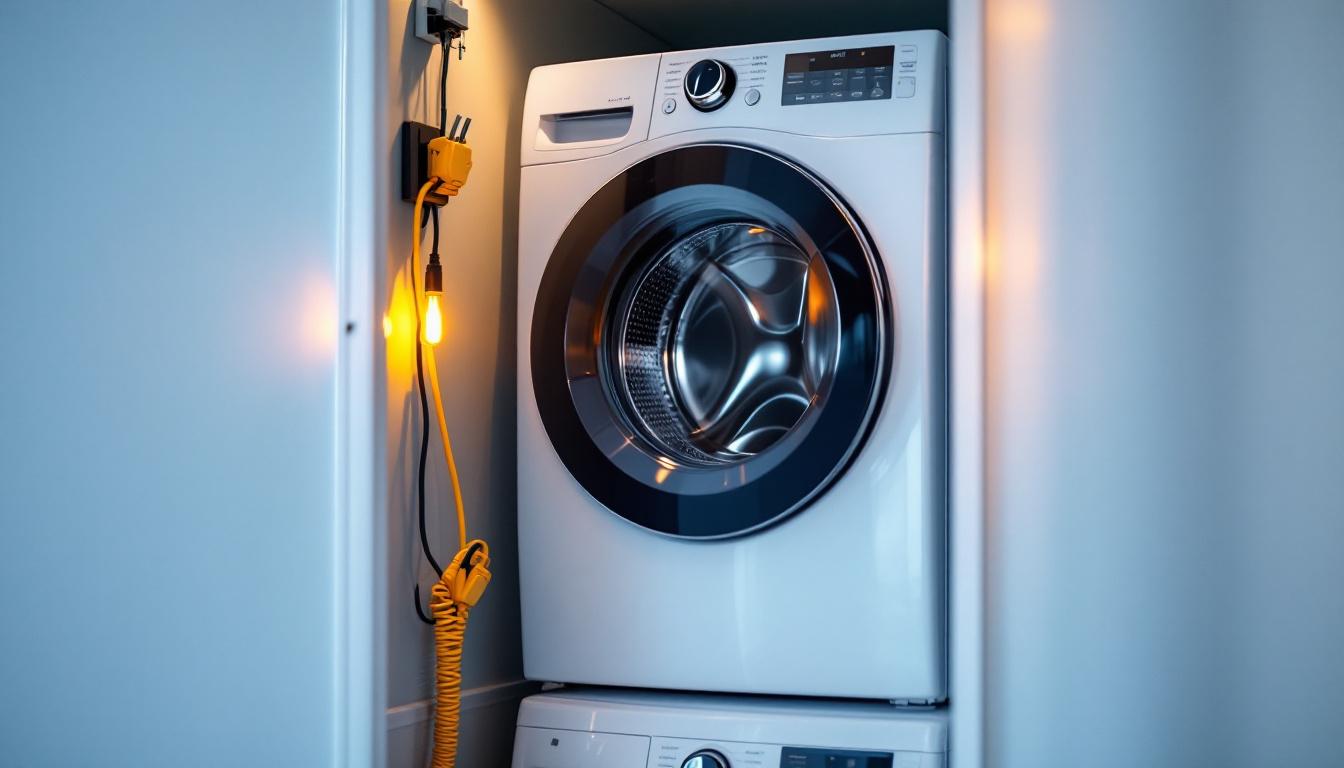
Stackable washer and dryer units have become increasingly popular in residential and commercial settings due to their space-saving design and efficiency. For lighting contractors, understanding the unique electrical requirements of these appliances is essential when planning installations or upgrades. Unlike traditional separate units, stackable models often require specific plug configurations and dedicated circuits to operate safely and effectively.
Typically, stackable washer and dryer units demand a 240-volt power supply, especially for electric dryers, while washers usually operate on standard 120-volt circuits. This dual-voltage requirement means contractors must carefully assess the existing electrical infrastructure to ensure compliance with local codes and manufacturer specifications. Failure to provide the correct plug type or circuit can lead to operational issues, safety hazards, and potential damage to the appliances.
Key Electrical Specifications to Consider
When working with stackable washer and dryer units, lighting contractors should pay close attention to the following electrical specifications:
- Voltage and Amperage: Electric dryers typically require a 240-volt, 30-amp circuit, while washers usually need a 120-volt, 15-amp circuit. Some newer models may have different requirements, so always verify with the appliance documentation.
- Plug Type: The dryer plug is usually a NEMA 14-30 or 10-30 configuration, designed for 240 volts, while washers use standard 120-volt plugs. Correct plug matching is critical for safety and functionality.
- Dedicated Circuits: Both appliances should have dedicated circuits to prevent overloads and ensure consistent power delivery.
In addition to these specifications, it’s crucial to consider the overall layout and accessibility of the installation site. Stackable units are often placed in tight spaces, such as closets or laundry nooks, which can complicate access to electrical panels and outlets. Contractors should plan the installation with sufficient clearance for maintenance and service, as well as ensure that ventilation requirements are met to prevent overheating. Proper airflow is vital for the efficient operation of both the washer and dryer, particularly in stacked configurations where heat can accumulate more easily.
Moreover, contractors should also be aware of the potential for energy efficiency ratings associated with stackable units. Many modern appliances come equipped with features that minimize energy consumption, such as moisture sensors and eco-friendly wash cycles. Understanding these features can not only help in selecting the right unit but also in advising clients on how to maximize their energy savings. As energy costs continue to rise, providing clients with insights into energy-efficient appliances can enhance the overall value of the installation and contribute to a more sustainable home environment.
Top Strategies for Lighting Contractors When Installing Stackable Washer and Dryer Plugs
Lighting contractors often find themselves tasked with installing or upgrading electrical outlets for stackable washer and dryer units. Employing best practices not only ensures safety and compliance but also enhances customer satisfaction and reduces call-backs. Here are some of the top strategies lighting contractors use to manage these installations effectively.
1. Conduct a Thorough Site Assessment
Before beginning any installation, a comprehensive site assessment is crucial. This includes evaluating the existing electrical panel capacity, wiring conditions, and outlet locations. Contractors should:
- Check if the current electrical panel can handle the additional load of a 240-volt dryer circuit alongside existing circuits.
- Inspect wiring for wear or damage that could compromise safety or performance.
- Measure distances between the panel and the installation site to determine appropriate wire gauge and conduit requirements.
Such assessments help prevent unforeseen complications during installation and ensure that the electrical system meets all local and national electrical codes.
2. Select the Correct Plug and Outlet Types
Choosing the appropriate plug and outlet types is fundamental. Lighting contractors should:
- Verify the appliance’s plug type and amperage requirements from the manufacturer’s specifications.
- Use NEMA-approved plugs and receptacles that match the voltage and amperage needs, such as NEMA 14-30 for 240V dryers.
- Ensure outlets are installed at accessible heights and locations to facilitate easy connection and maintenance.
Using the correct plug types prevents electrical hazards and ensures the appliances function as intended.
3. Install Dedicated Circuits with Proper Breakers
Stackable washer and dryer units require dedicated circuits to avoid overloading shared lines. Lighting contractors should:
- Install a 30-amp double-pole breaker for the dryer circuit and a 15-amp single-pole breaker for the washer circuit.
- Use appropriately gauged wiring—typically 10-gauge wire for the dryer and 14-gauge for the washer.
- Label circuits clearly in the electrical panel for future reference and maintenance.
Dedicated circuits not only comply with electrical codes but also enhance the longevity and safety of the appliances.
4. Incorporate Ground Fault Circuit Interrupters (GFCIs) Where Required
In areas prone to moisture, such as laundry rooms, GFCI protection is often mandated by electrical codes. Lighting contractors should:
- Install GFCI outlets or breakers in compliance with local regulations.
- Ensure GFCI devices are tested regularly and accessible for reset.
- Educate clients on the importance of GFCI protection for preventing electrical shock hazards.
GFCIs are a critical safety feature that protects both users and appliances from electrical faults.
Integrating Lighting Solutions with Stackable Washer and Dryer Installations
Lighting contractors are uniquely positioned to enhance laundry spaces by integrating effective lighting solutions alongside electrical installations for stackable washer and dryer units. Proper lighting not only improves functionality but also contributes to the overall aesthetic and safety of the space.
Optimizing Task Lighting for Laundry Areas
Task lighting is essential in laundry rooms to provide clear visibility for sorting, folding, and stain treatment. Contractors should consider:
- Installing bright, energy-efficient LED fixtures that deliver uniform illumination without glare.
- Positioning lights to minimize shadows on work surfaces, particularly near the washer and dryer.
- Using adjustable or under-cabinet lighting to provide focused illumination where needed.
Well-designed task lighting enhances user experience and reduces eye strain during laundry tasks.
Incorporating Ambient and Accent Lighting
Beyond task lighting, ambient and accent lighting can transform laundry spaces into inviting environments. Strategies include:
- Using recessed ceiling lights or flush-mount fixtures to provide general illumination.
- Adding wall sconces or LED strip lights to highlight architectural features or cabinetry.
- Selecting lighting with adjustable color temperatures to create a warm or cool atmosphere based on client preference.
Thoughtful lighting design elevates the functionality and appeal of laundry rooms, making them more enjoyable spaces.
Ensuring Compliance and Safety: Codes and Best Practices
Adhering to electrical codes and safety standards is non-negotiable for lighting contractors working with stackable washer and dryer plugs. Compliance not only protects occupants but also shields contractors from liability.
Key Electrical Code Considerations
Contractors must stay current with the National Electrical Code (NEC) and any local amendments, which typically include:
- Requirements for dedicated circuits and breaker sizing for laundry appliances.
- Specifications for outlet types, grounding, and wiring methods.
- Mandates for GFCI protection in laundry areas.
- Clearance and accessibility requirements for electrical panels and outlets.
Regularly consulting updated code books and participating in continuing education ensures contractors maintain compliance and deliver safe installations.
Implementing Safety Protocols During Installation
Safety during installation is paramount. Lighting contractors should:
- De-energize circuits before working on electrical components.
- Use insulated tools and wear appropriate personal protective equipment (PPE).
- Verify circuit de-energization with appropriate testing devices.
- Follow lockout/tagout procedures to prevent accidental energization.
Adhering to these protocols minimizes risk of injury and ensures a smooth installation process.
Common Challenges and Solutions in Stackable Washer and Dryer Plug Installations
Despite careful planning, lighting contractors may encounter challenges during stackable washer and dryer plug installations. Recognizing these issues and applying effective solutions is key to successful outcomes.
Challenge: Insufficient Electrical Panel Capacity
Older homes or buildings may have electrical panels that lack the capacity to support additional 240-volt circuits. This can result in circuit overloads or the inability to install dedicated breakers.
Solution: Contractors should assess panel capacity during the site evaluation and, if necessary, recommend panel upgrades or subpanels. Collaborating with electricians or specialists ensures the electrical system can safely accommodate the new load.
Challenge: Incompatible Plug Types or Wiring
Sometimes, existing wiring or outlet configurations do not match the requirements of the new stackable units, especially if replacing older appliances.
Solution: Replace outdated outlets and wiring with code-compliant components that match the appliance specifications. This may involve running new wiring or installing new receptacles to meet current standards.
Challenge: Limited Space for Outlet Installation
Stackable units are often installed in compact laundry closets or tight spaces, making outlet placement challenging.
Solution: Utilize low-profile or recessed outlets to maximize space. Additionally, plan outlet locations carefully to ensure plugs can be connected without strain or obstruction, enhancing both safety and convenience.
Future Trends and Innovations Impacting Stackable Washer and Dryer Plug Installations
The electrical and lighting industry is continually evolving, with new technologies and standards influencing how contractors approach stackable washer and dryer plug installations.
Smart Appliances and Integrated Controls
Modern stackable washer and dryer units increasingly feature smart technology, allowing remote monitoring and control via mobile devices. This trend impacts electrical installations by:
- Requiring stable, uninterrupted power supplies to support connected features.
- Encouraging integration with home automation systems, which may necessitate additional wiring or communication protocols.
- Driving demand for energy-efficient circuits and lighting solutions that complement smart appliances.
Advancements in Energy Efficiency and Sustainability
Energy codes and consumer preferences are pushing for more sustainable laundry solutions. Lighting contractors can anticipate:
- Increased use of energy-efficient LED lighting and controls in laundry areas.
- Adoption of electric vehicle (EV) charging infrastructure alongside home electrical upgrades, influencing panel capacity planning.
- Integration of renewable energy sources, such as solar panels, requiring contractors to consider power availability and backup systems.
Conclusion: Elevating Electrical Installations for Stackable Washer and Dryer Units
For lighting contractors, mastering the installation of stackable washer and dryer plugs is a valuable skill that combines electrical expertise with practical problem-solving. By understanding appliance requirements, adhering to safety codes, and integrating thoughtful lighting solutions, contractors can deliver installations that are safe, efficient, and customer-focused.
Staying informed about emerging trends and maintaining a proactive approach to challenges ensures that lighting contractors remain trusted partners in creating functional and inviting laundry spaces. Ultimately, these strategies not only enhance the quality of electrical work but also contribute to the overall satisfaction and safety of homeowners and building occupants.
Get Your Premium Lighting Supplies at LumenWholesale
As a lighting contractor, you understand the importance of using high-quality equipment for your stackable washer and dryer installations. At LumenWholesale, we provide you with spec-grade lighting products that meet the highest industry standards, ensuring your projects shine with reliability and performance. With our unbeatable wholesale prices and hassle-free bulk buying options, you can equip your installations with the best lighting solutions without breaking the bank. Plus, with free shipping, you save even more while avoiding hidden fees. Elevate your electrical installations and delight your clients with the perfect blend of quality, affordability, and convenience. Explore our extensive selection and take advantage of the best value in wholesale lighting by visiting Wholesale Lighting at the Best Value.