Lighting design plays a crucial role in enhancing the aesthetic and functional aspects of a space. For lighting contractors, understanding the nuances of LED recessed downlights is essential for delivering quality installations that meet client expectations. Here are eight quick tips that can help lighting contractors optimize their use of LED recessed downlights.
1. Understand the Basics of LED Technology
LED technology has revolutionized the lighting industry, providing energy-efficient solutions that last significantly longer than traditional incandescent or fluorescent bulbs. Familiarity with the fundamental principles of LED technology is vital for contractors. This includes understanding color temperature, lumens, and wattage. The efficiency of LED bulbs not only translates to lower energy bills but also contributes to a reduced carbon footprint, making them an environmentally friendly choice. As the demand for sustainable solutions continues to grow, knowledge of LED technology becomes increasingly essential for professionals in the field.
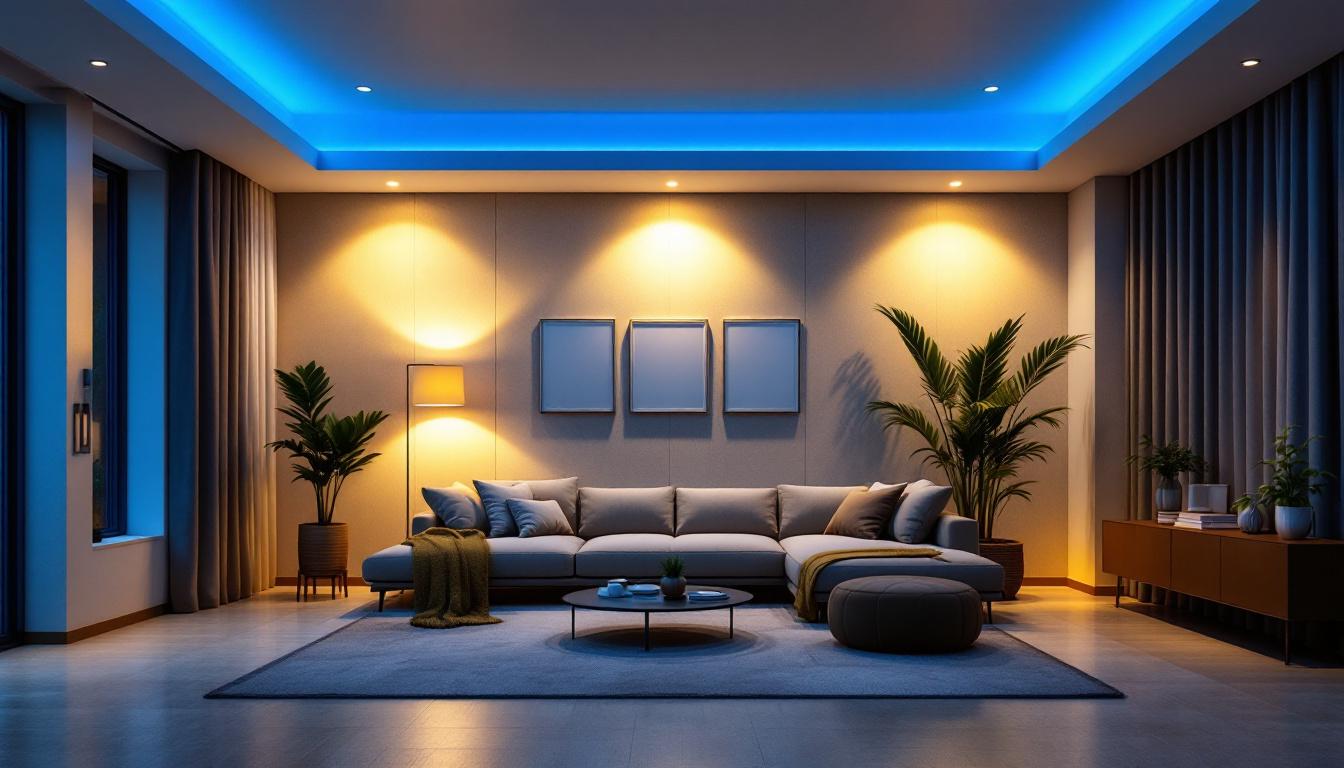
Color temperature, measured in Kelvin, affects the ambiance of a space. Warmer tones (2700K-3000K) create a cozy atmosphere, while cooler tones (4000K-5000K) are ideal for workspaces. Knowing how to select the appropriate color temperature can greatly influence the overall design of a project. Additionally, understanding the psychological effects of different color temperatures can enhance the functionality of a space; for instance, cooler lights can enhance alertness and productivity in office settings, while warmer lights can promote relaxation in residential areas. This nuanced approach to lighting can significantly elevate the quality of the environments we create.
2. Choose the Right Lumens
Lumens measure the brightness of light emitted by a bulb. When selecting LED recessed downlights, it’s important to choose the right lumens for the intended application. A well-lit space should have sufficient lumens to avoid dark spots while not being overly bright, which can cause discomfort. This balance is crucial in creating a visually appealing and functional environment, as excessive brightness can lead to glare and eye strain, while insufficient lighting can hinder tasks and reduce safety.
For general lighting, a range of 100-200 lumens per square foot is typically recommended. However, specific areas such as kitchens or workspaces may require higher lumens to ensure adequate visibility. For example, task-oriented areas like home offices or reading nooks might benefit from targeted lighting solutions that provide upwards of 300 lumens per square foot. Moreover, incorporating dimmable LED options allows for flexibility in brightness, enabling users to adjust the light levels according to their needs and preferences, further enhancing the versatility of LED technology in various settings.
3. Select the Appropriate Trim Style
The trim style of recessed downlights can significantly impact both aesthetics and functionality. Various styles are available, including baffle, reflector, and adjustable trims. Each serves a different purpose and can enhance the design of the space.
Baffle trims are designed to reduce glare and are ideal for general lighting, while reflector trims can provide a more focused beam of light. Adjustable trims allow for directional lighting, making them suitable for highlighting artwork or architectural features. Choosing the right trim style not only affects the quality of light but also influences the visual appeal of the ceiling. For instance, a sleek, modern reflector trim can complement contemporary decor, while a more ornate baffle trim may suit traditional interiors better.
Additionally, the finish of the trim can play a crucial role in the overall design scheme. Options like white, black, or metallic finishes can either blend seamlessly into the ceiling or stand out as a design element. Homeowners should consider how the trim style interacts with other lighting fixtures and decor elements in the room to achieve a cohesive look.
4. Consider the Beam Angle
The beam angle of a recessed downlight determines how wide or narrow the light spreads. A narrow beam angle (less than 30 degrees) is perfect for accent lighting, while a wider beam angle (greater than 60 degrees) is suitable for general illumination.
Contractors should assess the layout of the space and the intended use of the lighting to select the appropriate beam angle. This consideration can help create a balanced lighting design that enhances the overall atmosphere. For example, in a gallery setting, a narrow beam angle can draw attention to specific pieces of art, creating a dramatic effect that highlights textures and colors. Conversely, in a living room, a wider beam angle can ensure that the entire area is evenly lit, promoting a warm and inviting environment.
Moreover, the height of the ceiling plays a pivotal role in determining the ideal beam angle. Higher ceilings may require a narrower beam to ensure the light reaches the desired areas effectively, while lower ceilings can benefit from wider beams that create a more diffused light. Understanding these dynamics allows for a more tailored lighting solution that meets both functional and aesthetic needs, ensuring that every corner of the space is illuminated to perfection.
5. Pay Attention to Dimming Capabilities
Dimming capabilities are a crucial feature for many clients looking to create versatile lighting environments. Not all LED recessed downlights are compatible with dimmers, so it’s essential to choose fixtures that support this functionality.
When selecting dimmable fixtures, ensure that they are compatible with the specific dimmer switches being used. This can prevent flickering and ensure smooth transitions in brightness, allowing clients to customize their lighting experience. Additionally, the ability to adjust lighting levels can enhance the ambiance of a space, making it suitable for various activities, from hosting dinner parties to enjoying a quiet movie night. The right dimming solution can also prolong the lifespan of the bulbs, as lower brightness levels can reduce wear and tear.
6. Evaluate Energy Efficiency
Energy efficiency is one of the primary advantages of LED lighting. Contractors should emphasize this benefit to clients, as it can lead to significant cost savings over time. When selecting LED recessed downlights, look for Energy Star-rated products, which meet strict energy efficiency guidelines.
In addition to the energy savings, many clients appreciate the reduced environmental impact of using energy-efficient lighting solutions. Highlighting these aspects can help contractors build trust and credibility with clients. Furthermore, energy-efficient lighting can contribute to a building’s overall sustainability profile, making it more appealing to eco-conscious consumers. As energy costs continue to rise, clients are increasingly interested in solutions that not only reduce their monthly bills but also align with their values regarding environmental stewardship. By showcasing the long-term benefits of energy-efficient LEDs, contractors can position themselves as knowledgeable partners in their clients’ quest for sustainable living solutions.
7. Installation Considerations
Proper installation is key to maximizing the performance of LED recessed downlights. Contractors should be aware of the specific requirements for installation, including ceiling thickness, insulation, and clearance space. Some fixtures may require additional space for heat dissipation, which is an important consideration in energy-efficient designs. Inadequate clearance can lead to overheating, which not only diminishes the lifespan of the LEDs but can also pose a fire hazard. Therefore, it is crucial to follow manufacturer guidelines meticulously to ensure optimal performance and safety.
Moreover, understanding local building codes and regulations is essential. Compliance with these codes ensures safety and can prevent costly rework down the line. Contractors should always stay updated on the latest regulations affecting lighting installations. This includes knowledge of energy efficiency standards, which may vary by region and can influence the types of fixtures that can be installed. Engaging with local building authorities or attending workshops can provide valuable insights into these evolving regulations, ensuring that installations are both compliant and cutting-edge.
8. Provide Maintenance Tips
Even though LED lights have a longer lifespan than traditional bulbs, they are not maintenance-free. Educating clients about proper maintenance can prolong the life of the fixtures and ensure consistent performance. Simple tips include cleaning the lens regularly to prevent dust buildup and checking for any signs of wear or malfunction. It is also advisable to remind clients to avoid using harsh chemicals when cleaning, as these can damage the finish of the fixtures. Instead, a soft cloth and mild soap solution can effectively keep the lights looking new while preserving their functionality.
Additionally, contractors can offer guidance on when to replace fixtures or bulbs, even if they are LED. This proactive approach can enhance client satisfaction and establish a reputation for thoroughness and reliability. For instance, if a fixture begins to flicker or emit a different color temperature, it may indicate an underlying issue that needs addressing. Regular inspections can help catch these problems early, allowing for timely repairs or replacements. Furthermore, providing clients with a simple maintenance schedule can empower them to take an active role in the upkeep of their lighting systems, fostering a sense of ownership and care for their installations.
Conclusion
Incorporating LED recessed downlights into lighting designs can greatly enhance the functionality and aesthetic appeal of spaces. By understanding the technology, selecting the right products, and ensuring proper installation and maintenance, lighting contractors can deliver exceptional results that meet client needs.
These eight quick tips serve as a foundational guide for contractors looking to improve their approach to LED recessed downlights. By staying informed and adapting to the evolving landscape of lighting technology, contractors can ensure their projects shine brightly for years to come.
Get Your Premium LED Recessed Downlights at LumenWholesale
Ready to elevate your lighting projects with the best LED recessed downlights on the market? Look no further than LumenWholesale, where we provide contractors with exceptional, spec-grade lighting products at unbeatable wholesale prices. Say goodbye to local distributor markups and hello to our extensive selection that meets the highest industry standards. With free shipping on bulk orders, you can stock up on reliable, high-performance lighting without any hidden fees. Don’t compromise on quality or value—experience wholesale lighting at the best value today and make every installation shine with LumenWholesale.