Why Metal Outdoor Lights Are a Contractor’s Go-To Choice
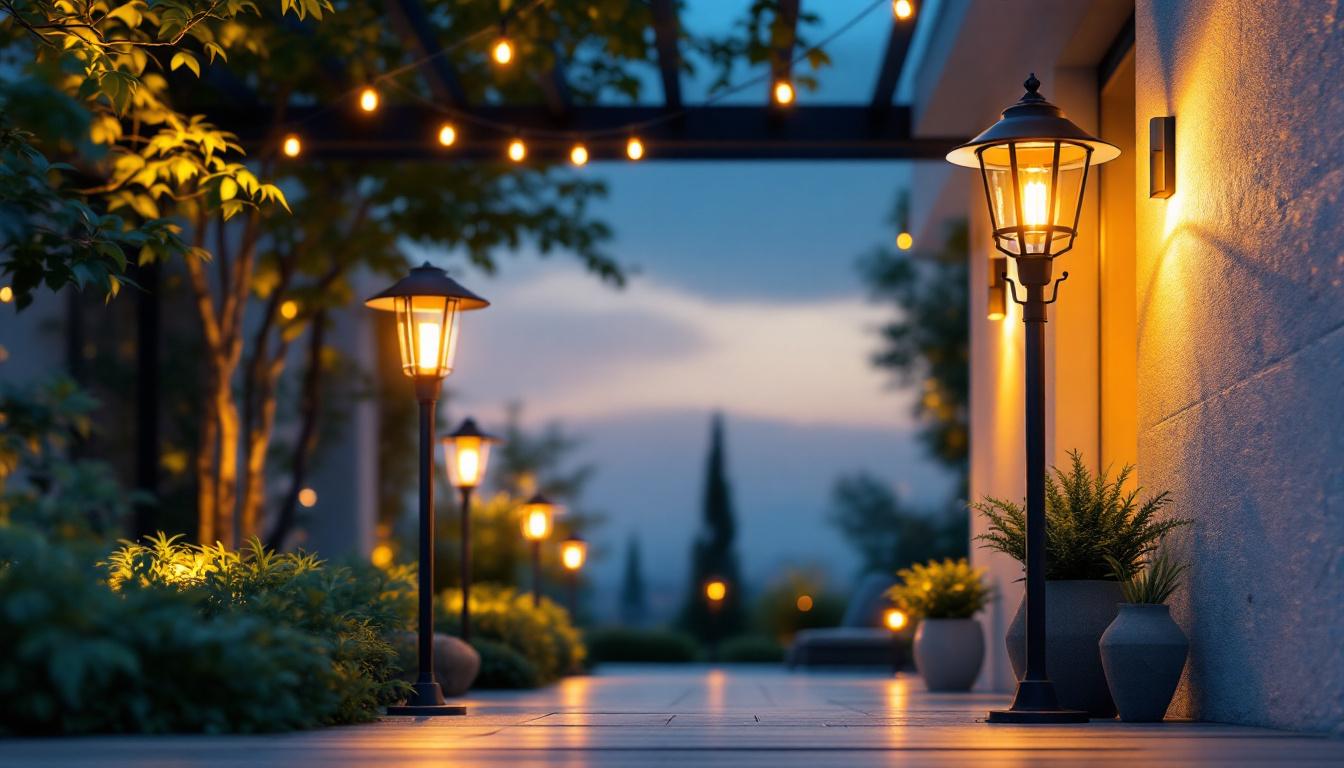
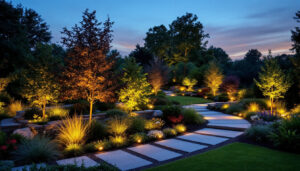
Metal outdoor lighting fixtures have become a staple in the lighting contractor’s toolkit. Their durability and aesthetic versatility make them a reliable choice for a wide range of projects, from residential patios to commercial landscapes. Unlike plastic or composite materials, metal offers a robustness that stands up to the elements, ensuring longevity and reducing maintenance calls.
For contractors, this means fewer callbacks and a reputation for quality installations. Clients appreciate fixtures that maintain their finish and structural integrity over time, especially in harsh weather conditions. Metals like aluminum, brass, and stainless steel each bring unique benefits, allowing contractors to tailor solutions to client needs and site conditions.
Moreover, the aesthetic appeal of metal fixtures cannot be overstated. They can be finished in various styles, from sleek modern designs to more ornate vintage looks, making them suitable for any architectural theme. This versatility allows contractors to create cohesive outdoor environments that enhance the overall beauty of a property. Additionally, metal lighting can be customized with different coatings and finishes, such as powder coating or anodizing, which not only adds to their visual appeal but also provides extra protection against corrosion and wear.
Another significant advantage of metal outdoor lights is their energy efficiency, especially when paired with LED technology. Many contractors are now opting for LED bulbs that can be integrated into metal fixtures, providing bright, long-lasting illumination while consuming less energy. This not only helps clients save on their electricity bills but also aligns with the growing trend toward sustainable and eco-friendly building practices. As energy-efficient lighting becomes more of a priority, metal fixtures equipped with LEDs represent a forward-thinking choice that meets both aesthetic and environmental goals.
Common Metals Used in Outdoor Lighting and Their Benefits
Aluminum: Lightweight and Corrosion-Resistant
Aluminum is the most widely used metal in outdoor lighting. Its lightweight nature simplifies installation, particularly for fixtures that need to be mounted on walls or poles. Aluminum naturally forms a protective oxide layer, making it highly resistant to corrosion—a critical factor in coastal or humid environments.
Additionally, aluminum is highly recyclable and cost-effective, providing an economical option without sacrificing performance. Powder-coated finishes enhance its resistance to UV rays and wear, maintaining appearance over years of exposure. This adaptability allows aluminum fixtures to blend seamlessly into various landscapes, from urban settings to serene gardens, making them a versatile choice for any outdoor lighting project.
Furthermore, aluminum can be easily shaped and molded into intricate designs, allowing for creative and artistic lighting solutions. This flexibility has led to innovative designs that not only illuminate spaces but also serve as decorative elements, enhancing the overall aesthetic appeal of outdoor areas.
Brass: Timeless Appeal and Strength
Brass fixtures are prized for their classic look and exceptional durability. This alloy of copper and zinc offers a warm, rich finish that develops a natural patina over time, which many clients find desirable for historic or traditional settings. Brass is also highly resistant to corrosion, especially in marine environments, making it a premium choice for upscale projects.
While heavier and more expensive than aluminum, brass fixtures convey quality and permanence. Lighting contractors often recommend brass for architectural projects where aesthetics and longevity are paramount. The ability of brass to withstand harsh weather conditions without losing its charm adds to its appeal, ensuring that these fixtures not only last but also age gracefully.
Moreover, brass can be easily polished to restore its original luster, allowing for maintenance that can keep the fixtures looking new for years. This characteristic makes brass an excellent choice for outdoor spaces that require a touch of elegance, such as garden pathways, patios, and entryways, where lighting plays a crucial role in setting the mood.
Stainless Steel: Modern Look and Maximum Durability
Stainless steel is the go-to metal for contemporary designs and high-traffic commercial installations. Its sleek, polished finish complements modern architecture, while its chromium content provides outstanding corrosion resistance. Stainless steel fixtures require minimal upkeep and withstand physical impacts better than many other materials.
Though typically more costly, stainless steel’s robustness justifies the investment in settings like urban plazas, parking lots, and public parks where fixtures face constant wear and tear. The modern aesthetic of stainless steel not only enhances the visual appeal of outdoor spaces but also reflects a commitment to quality and innovation in design.
In addition, stainless steel is often used in energy-efficient lighting solutions, such as solar-powered fixtures, which are becoming increasingly popular in sustainable design. This integration of modern technology with durable materials ensures that outdoor lighting can be both environmentally friendly and stylish, meeting the demands of today’s eco-conscious consumers.
Design Considerations for Metal Outdoor Lighting
Matching Fixture Style to Environment
Metal outdoor lights come in countless styles-from traditional lanterns to minimalist bollards. Selecting the right style is more than an aesthetic choice; it influences the fixture’s function and client satisfaction. For example, a sleek stainless steel fixture might look out of place in a rustic garden, while a brass lantern could elevate the charm of a historic home.
Contractors should assess the architectural style, landscape design, and the client’s personal taste before recommending fixtures. Offering a variety of metal finishes and styles can help meet diverse project demands.
Finish Options and Their Impact
Finishes protect metal fixtures and define their appearance. Powder coating is the most common finish for aluminum, providing a durable, weather-resistant layer available in a spectrum of colors. For brass, finishes range from polished and lacquered to antique patinas that evolve with time.
Stainless steel usually features brushed or polished finishes that resist fingerprints and scratches. Understanding how each finish interacts with environmental factors-like salt air or UV exposure-helps contractors advise clients on maintenance expectations and longevity.
Installation Best Practices for Metal Outdoor Lighting
Ensuring Proper Grounding and Safety
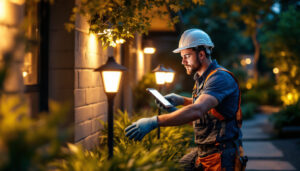
Metal fixtures require careful grounding to prevent electrical hazards. Contractors must verify that all metal components are properly bonded and grounded according to local electrical codes. This step is critical for safety and helps avoid issues like stray voltage or corrosion accelerated by electrical currents.
Using corrosion-resistant connectors and sealing entry points against moisture further protects the fixture’s internal wiring and prolongs its lifespan.
Mounting Techniques for Stability and Longevity
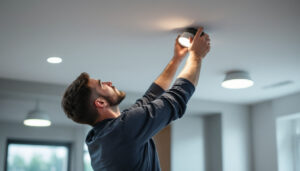
Metal fixtures can be heavier than plastic alternatives, so secure mounting is essential. Anchoring hardware should be compatible with the mounting surface-whether wood, masonry, or metal poles-to prevent loosening over time.
Contractors should also consider thermal expansion. Metal expands and contracts with temperature changes, so mounting systems that allow slight movement without stress reduce the risk of cracks or warping.
Maintenance Tips to Extend the Life of Metal Outdoor Lights
Routine Cleaning and Inspection
Regular cleaning removes dirt, salt, and pollutants that can degrade finishes. Mild soap and water with a soft cloth are usually sufficient. Avoid abrasive cleaners that can scratch protective coatings.
Contractors can advise clients to inspect fixtures periodically for signs of corrosion, loose mounts, or electrical issues. Early detection prevents costly repairs and maintains safety.
Touch-Up and Protective Coatings
For powder-coated aluminum, touch-up paint kits are often available to address chips or scratches. Brass fixtures may benefit from occasional polishing or application of protective wax to preserve their patina.
In coastal areas, applying a clear sealant can add an extra layer of defense against salt air corrosion. These maintenance steps help keep metal fixtures looking their best and functioning properly for years.
Energy Efficiency and Metal Outdoor Lighting
Integrating LED Technology
Metal fixtures pair exceptionally well with LED light sources, which are now standard in outdoor lighting projects. LEDs generate less heat, which reduces thermal stress on metal components and extends fixture life.
Contractors can specify LED modules with various color temperatures and beam angles to optimize both energy efficiency and lighting quality. The combination of metal housing and LED technology results in fixtures that are both durable and cost-effective over time.
Smart Controls and Automation
Modern metal outdoor lights often come equipped or compatible with smart controls such as motion sensors, dimmers, and timers. These features enhance energy savings and provide clients with greater control over their lighting environment.
Lighting contractors should stay informed about the latest control systems that integrate seamlessly with metal fixtures, offering clients convenience and sustainability benefits.
Common Challenges and Solutions When Working with Metal Outdoor Lights
Addressing Corrosion in Harsh Environments
Even corrosion-resistant metals can face challenges in extreme environments. Salt spray, industrial pollutants, and acid rain accelerate wear. Selecting the right metal and finish is the first line of defense, but contractors should also recommend routine maintenance plans tailored to the site conditions.
Installing fixtures with replaceable components or modular designs can simplify future repairs, reducing downtime and costs.
Managing Weight and Installation Complexity
Heavy metal fixtures may require additional labor or specialized equipment during installation. Contractors should plan for these factors in project timelines and budgets. Prefabricated mounting kits and lightweight alloys can ease installation without compromising durability.
Training crews on proper handling techniques minimizes damage risks and ensures a smooth installation process.
Final Thoughts for Lighting Contractors
Metal outdoor lights offer a blend of strength, style, and longevity that few other materials can match. Understanding the nuances of different metals, finishes, and installation techniques empowers contractors to deliver superior results that satisfy clients and stand the test of time.
Staying current with advances in LED technology and smart controls further enhances the value metal fixtures bring to outdoor lighting projects. With careful planning and attention to detail, lighting contractors can leverage metal outdoor lights to build a reputation for quality, reliability, and design excellence.
Illuminate Your Projects with LumenWholesale
Ready to elevate your lighting projects with the unmatched durability and style of metal outdoor lights? At LumenWholesale, we provide lighting contractors like you with the highest quality, spec-grade lighting products at prices that can’t be beaten. Say goodbye to inflated markups and hello to a vast selection of reliable, high-performance lighting that meets the most rigorous industry standards. Plus, with free shipping on bulk orders, you can stock up on premium lighting without worrying about hidden fees or compromises. Don’t miss out on the perfect combination of quality, affordability, and convenience. Wholesale Lighting at the Best Value is just a click away—experience the LumenWholesale difference now.