Understanding the Bed Green Screen Setup
In the realm of professional lighting and video production, the bed green screen setup has become increasingly popular. It allows for dynamic background replacement in scenes involving beds or bedroom environments, commonly used in commercials, films, and virtual meetings. For lighting contractors, mastering this setup is essential to deliver flawless results that meet client expectations.
The bed green screen typically involves placing a green chroma key fabric or paint behind and sometimes beneath the bed, creating a uniform background that can be replaced digitally. However, this seemingly straightforward setup presents unique challenges related to lighting, shadows, and reflections that can compromise the quality of the final footage. The choice of fabric is also crucial; a matte finish is often preferred to minimize reflections that can disrupt the chroma keying process.
Why Lighting is Critical in Bed Green Screen Applications
Lighting is the backbone of any green screen application, but it becomes even more critical when the screen is integrated with a bed. Beds have complex shapes, textures, and materials such as metal frames, glossy headboards, and reflective bedding that can interfere with chroma keying. Uneven lighting or improper placement of lights can cause shadows, color spill, and hotspots that make post-production keying difficult or impossible.
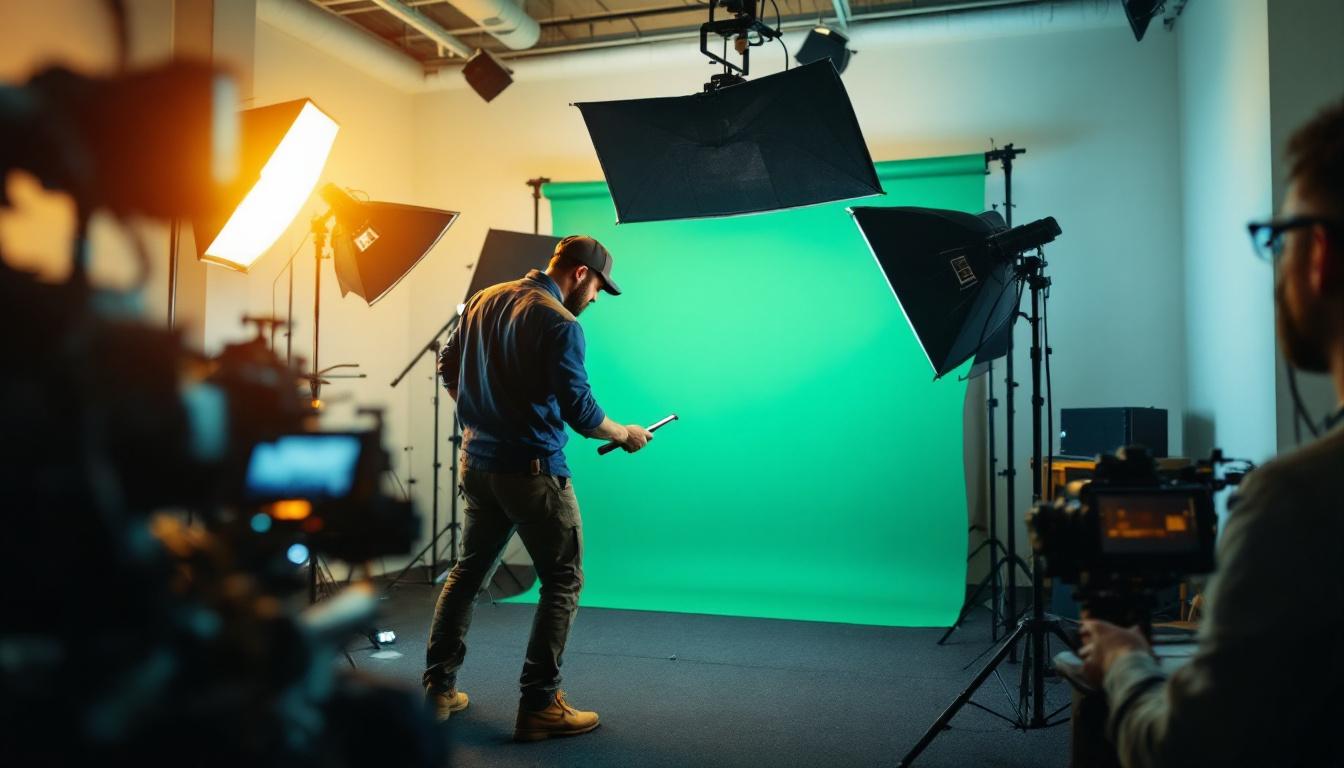
Lighting contractors must therefore understand how to balance illumination to maintain consistent color saturation on the green screen while avoiding interference from the bed’s physical characteristics. This often involves using softboxes or diffusers to create even lighting and employing backlighting techniques to separate the subject from the background effectively. Additionally, the use of color temperature matching can help ensure that the lighting on the subject and the green screen is harmonious, further enhancing the quality of the final composite. Experimentation with different angles and intensities of light can also yield better results, allowing for a more polished and professional look in the final video.
Common Lighting Issues in Bed Green Screen Projects
Several recurring problems arise during bed green screen shoots due to the unique interaction between the bed and the green screen environment. Recognizing these issues early can save time and resources.
Uneven Illumination and Shadows
One of the most common challenges is uneven lighting across the green screen. Beds often cast shadows on the screen, especially if the lighting is directional or insufficiently diffused. These shadows create dark patches that are difficult to key out cleanly, resulting in jagged edges or ghosting effects in the final composite.
Additionally, the bed’s shape can cause light falloff, where parts of the green screen receive less light than others. This inconsistency can cause color variations that complicate chroma keying. To mitigate this issue, using softboxes or diffusers can help create a more uniform light spread, ensuring that the entire green screen is evenly illuminated. Positioning lights at various angles can also help minimize shadows cast by the bed, allowing for a smoother keying process.
Green Spill and Reflections
Green spill occurs when the green color from the screen reflects onto the bed or talent, causing a green tint on skin or clothing. Beds with shiny surfaces or reflective materials exacerbate this problem. For example, a glossy headboard or satin sheets can reflect green light, creating unwanted color contamination.
Reflections can also confuse the camera sensor, leading to inaccurate color sampling and making it harder for post-production software to isolate the green screen effectively. To combat this, using matte fabrics for bedding and avoiding reflective materials can significantly reduce green spill. Additionally, adjusting the distance between the talent and the green screen can help minimize the impact of reflections, allowing for cleaner edges and better overall results.
Hotspots and Overexposure
Hotspots are areas on the green screen that are overly bright due to direct light sources. These bright spots can cause the green color to lose its uniformity, leading to inconsistent keying. Overexposure on parts of the screen reduces the chroma key software’s ability to differentiate between the screen and other elements, resulting in patchy or transparent areas in the final footage.
To prevent hotspots, it’s crucial to employ a balanced lighting setup that includes both key and fill lights. Utilizing reflectors can help redirect light to fill in shadows without creating overly bright spots. Moreover, adjusting the intensity of the lights and using dimmers can provide greater control over exposure levels, ensuring a more consistent and manageable lighting environment throughout the shoot. This attention to detail not only enhances the quality of the footage but also streamlines the post-production process, making it easier to achieve a polished final product.
Best Practices for Lighting Contractors to Avoid Issues
Lighting contractors play a pivotal role in ensuring the success of bed green screen shoots. By adopting best practices tailored to this unique environment, they can mitigate common problems and enhance overall production quality.
Use Soft, Diffused Lighting
Soft lighting is essential to minimize shadows and hotspots. Employing softboxes, diffusion panels, or bounce boards helps spread light evenly across the green screen and bed. This reduces harsh shadows and creates a more uniform color surface.
Positioning lights at multiple angles and distances ensures balanced illumination. For example, placing key lights at 45-degree angles on either side of the bed and supplementing with fill lights above can help achieve even coverage.
Maintain Adequate Distance Between Bed and Green Screen
One of the simplest yet most effective strategies is to increase the distance between the bed and the green screen. This separation minimizes shadows cast by the bed onto the screen and reduces green spill onto the bed and talent.
While space constraints may limit this distance, even a few feet can significantly improve lighting conditions and keying results.
Control Reflections with Matte Materials
Replacing or covering reflective bed surfaces with matte materials can drastically reduce green spill and reflections. For instance, using matte-finish sheets or draping the bed with non-reflective fabrics helps absorb excess green light.
Additionally, strategic placement of flags or black wrap around the bed can block unwanted reflections and control light spill.
Calibrate Lighting Intensity and Color Temperature
Consistent lighting intensity and color temperature are crucial for maintaining uniform green screen color. Using calibrated LED panels or lights with adjustable color temperature allows lighting contractors to match the ambient lighting conditions and avoid color shifts.
Regularly measuring light output with a light meter ensures that no part of the green screen is overexposed or underlit, maintaining an optimal chroma key environment.
Implement Backlighting and Hair Lights
Backlighting the talent and bed helps separate them from the green screen, reducing color spill and improving edge definition in the composite. Hair lights or rim lights can add subtle highlights that enhance depth and prevent the subject from blending into the background.
These lights should be carefully balanced to avoid introducing new shadows or reflections.
Advanced Techniques and Tools for Lighting Contractors
Beyond basic best practices, lighting contractors can leverage advanced techniques and specialized tools to further optimize bed green screen setups.
Using Color-Accurate Monitors and Scopes
Monitoring the green screen footage in real-time on color-accurate monitors enables immediate detection of lighting issues such as unevenness or spill. Waveform monitors and vectorscopes provide visual feedback on luminance and chrominance levels, helping contractors fine-tune lighting on the spot.
Employing LED Lighting with DMX Control
Modern LED lighting panels with DMX control offer precise adjustments for brightness, color temperature, and even color tint. This flexibility allows lighting contractors to adapt quickly to changing conditions or director requests without physically moving lights.
DMX control also facilitates pre-programmed lighting scenes, ensuring consistency across multiple takes or shoots.
Utilizing 3D Lighting Simulations
Before arriving on set, contractors can use 3D lighting simulation software to plan the green screen setup. These tools allow visualization of light placement, intensity, and shadows in a virtual environment, reducing trial-and-error during production.
Simulations can also help identify potential problem areas related to the bed’s shape and materials, enabling proactive solutions.
Case Studies: Successful Bed Green Screen Lighting Setups
Examining real-world examples provides valuable insights into effective lighting strategies for bed green screen projects.
Commercial Shoot for a Mattress Brand
In a commercial for a luxury mattress brand, the lighting contractor faced challenges with a glossy headboard and satin sheets reflecting green spill. By increasing the distance between the bed and green screen, using matte fabric overlays on the bedding, and employing softbox lighting with diffusion, the team achieved a clean key.
Backlighting was used to create separation, and DMX-controlled LEDs allowed quick adjustments during the shoot, resulting in a seamless final product praised by the client.
Virtual Meeting Background Replacement
A corporate client required a bed green screen setup for virtual meetings, where employees could appear in a bedroom setting without revealing their actual environment. The lighting contractor utilized a combination of soft fill lights and hair lights to eliminate shadows and reduce green spill on the bed’s reflective metal frame.
Careful calibration of color temperature matched the client’s office lighting, ensuring natural-looking composites that enhanced professionalism during video calls.
Conclusion: The Lighting Contractor’s Role in Bed Green Screen Success
Lighting contractors hold a crucial responsibility in the success of bed green screen productions. Understanding the unique challenges posed by beds—such as shadows, reflections, and green spill—and applying targeted lighting techniques can dramatically improve the quality of chroma key results.
By leveraging soft, diffused lighting, maintaining proper distances, controlling reflections, and utilizing advanced tools, lighting professionals can avoid common pitfalls and deliver polished, professional footage that meets the high standards of modern video production.
Continuous learning, adapting to new technologies, and collaborating closely with directors and post-production teams will ensure lighting contractors remain indispensable partners in creative storytelling involving bed green screen setups.
Illuminate Your Green Screen Projects with LumenWholesale
Ready to elevate your bed green screen productions with the best lighting solutions on the market? Look no further than LumenWholesale, where we provide lighting contractors with high-quality, specification-grade lighting products at unbeatable wholesale prices. Our extensive selection is designed to meet the highest industry standards, ensuring that every project shines with reliability and high performance. Plus, with free shipping on bulk orders, you can secure premium lighting at the best value without any hidden fees. Make your next green screen project a success and experience the superior value of wholesale lighting with LumenWholesale.