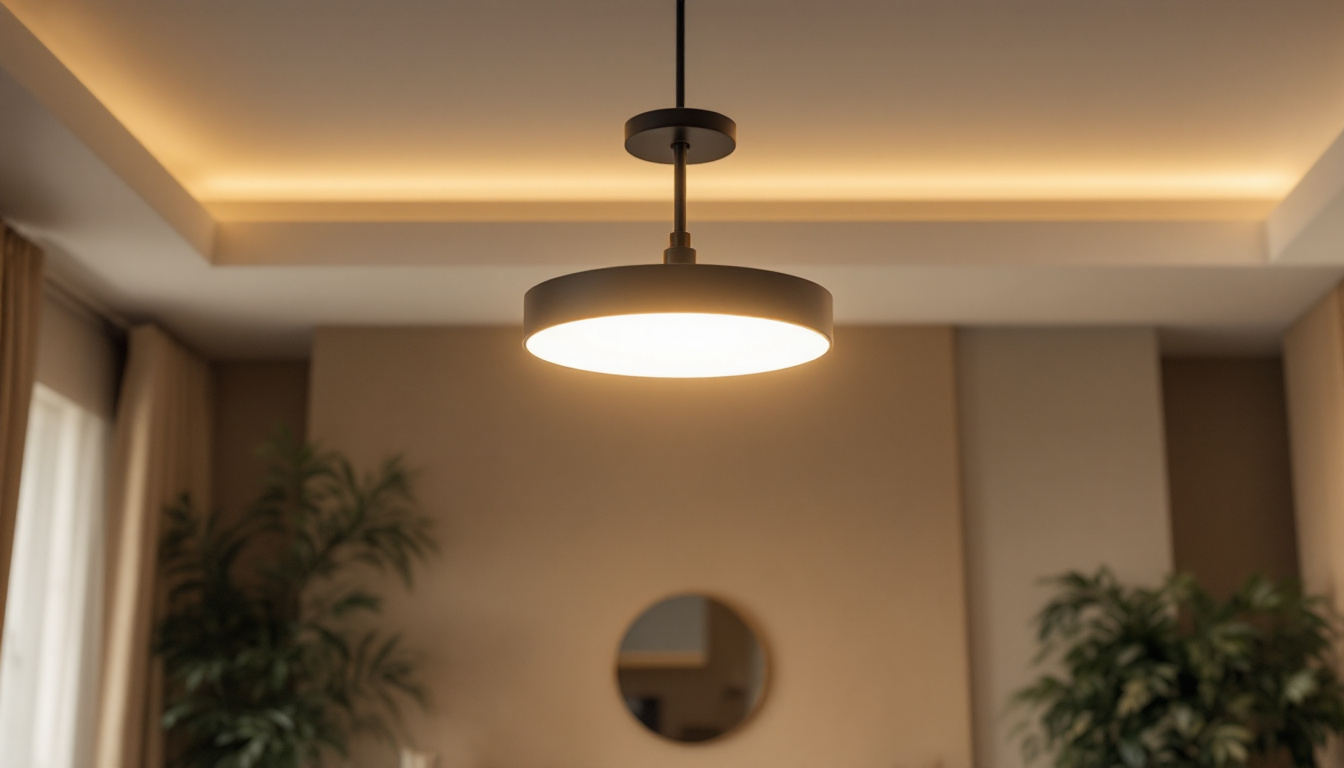
Understanding the Real Purpose of Security Lighting
Security lighting is more than just brightening up a dark corner. For homeowners, it’s a critical component of their safety strategy. As a lighting contractor, your role is to deliver solutions that deter intruders, enhance visibility, and provide peace of mind. Yet, many installations fall short because they miss the mark on these core objectives.
Effective security lighting should create a clear, well-lit environment without causing discomfort or unnecessary energy consumption. This balance is delicate but essential. When done right, it can reduce crime rates around a property by up to 30%, according to various security studies. However, poor placement or inappropriate fixtures can render the system useless or even counterproductive.
Why Security Lighting Often Fails
Common failures stem from a lack of understanding about how light interacts with the environment and human behavior. For example, overly bright lights that cause glare can temporarily blind residents or neighbors, creating safety hazards rather than preventing them. Another frequent issue is lighting that leaves blind spots, which intruders can exploit.
Contractors must also consider the homeowner’s lifestyle and property layout. A one-size-fits-all approach rarely works. Tailoring the lighting plan to the specific needs of the home and its surroundings is crucial for effectiveness.
Moreover, the type of lighting technology used plays a significant role in the overall success of security lighting systems. LED lights, for instance, are not only energy-efficient but also provide a brighter, more focused light that can illuminate larger areas without excessive energy use. Additionally, smart lighting systems that can be controlled remotely or programmed to mimic occupancy can further enhance security by creating the illusion that someone is home, even when they are not. This technology can be particularly beneficial in deterring potential intruders who may be monitoring the property.
Finally, regular maintenance and updates to the lighting system are essential to ensure its continued effectiveness. Over time, bulbs can burn out, and fixtures may become misaligned due to weather or other factors. Contractors should advise homeowners on the importance of routine checks and provide guidance on how to maintain their security lighting system, ensuring that it remains a reliable deterrent against crime.
Common Mistakes Lighting Contractors Make and How to Avoid Them
1. Over-Illumination and Glare
One of the most frequent mistakes is installing excessively bright fixtures. While it might seem logical that brighter equals safer, over-illumination can create glare that reduces visibility rather than improving it. Glare can also annoy neighbors, leading to complaints and potential legal issues.
To avoid this, choose fixtures with appropriate lumen output for the area. Use shielded or fully cut-off fixtures to direct light downward and prevent light pollution. Incorporate diffusers or frosted lenses to soften harsh beams. Remember, the goal is to illuminate critical areas without overwhelming the eyes.
2. Poor Placement of Lights
Lighting that is poorly positioned can create shadows and blind spots, which criminals can exploit. For example, placing a light too high might illuminate a wide area but fail to light the space directly beneath it. Similarly, lights aimed at reflective surfaces like windows or water features can cause distracting reflections.
Conduct a thorough site assessment before installation. Identify vulnerable entry points such as doors, windows, garages, and pathways. Position lights to cover these areas evenly and avoid creating dark pockets. Using multiple lower-intensity lights rather than a single powerful one often yields better coverage.
3. Ignoring the Importance of Motion Sensors
Motion sensors are a vital component of security lighting, but they are often underutilized or improperly configured. Lights that stay on all night waste energy and can desensitize residents to their presence. Conversely, sensors that are too sensitive can trigger false alarms, causing frustration and potentially leading to the system being disabled.
Calibrate motion sensors carefully to detect human movement while ignoring small animals or environmental triggers like blowing leaves. Position sensors to cover entry points and pathways without overlapping excessively. Combining motion sensors with timers or ambient light sensors can optimize performance and energy efficiency.
4. Neglecting Energy Efficiency and Maintenance
Security lighting that consumes excessive power or requires frequent maintenance can frustrate homeowners and increase costs. Traditional incandescent or halogen bulbs, for example, have short lifespans and high energy consumption. This leads to more frequent replacements and higher electricity bills.
Recommend LED fixtures designed for outdoor use. LEDs offer longer lifespans, better durability, and lower energy consumption. Additionally, advise clients on regular maintenance schedules to keep fixtures clean and functioning properly. Dirt, debris, or insect nests can significantly reduce light output and sensor effectiveness.
Design Considerations for Effective Security Lighting
Balancing Brightness and Coverage
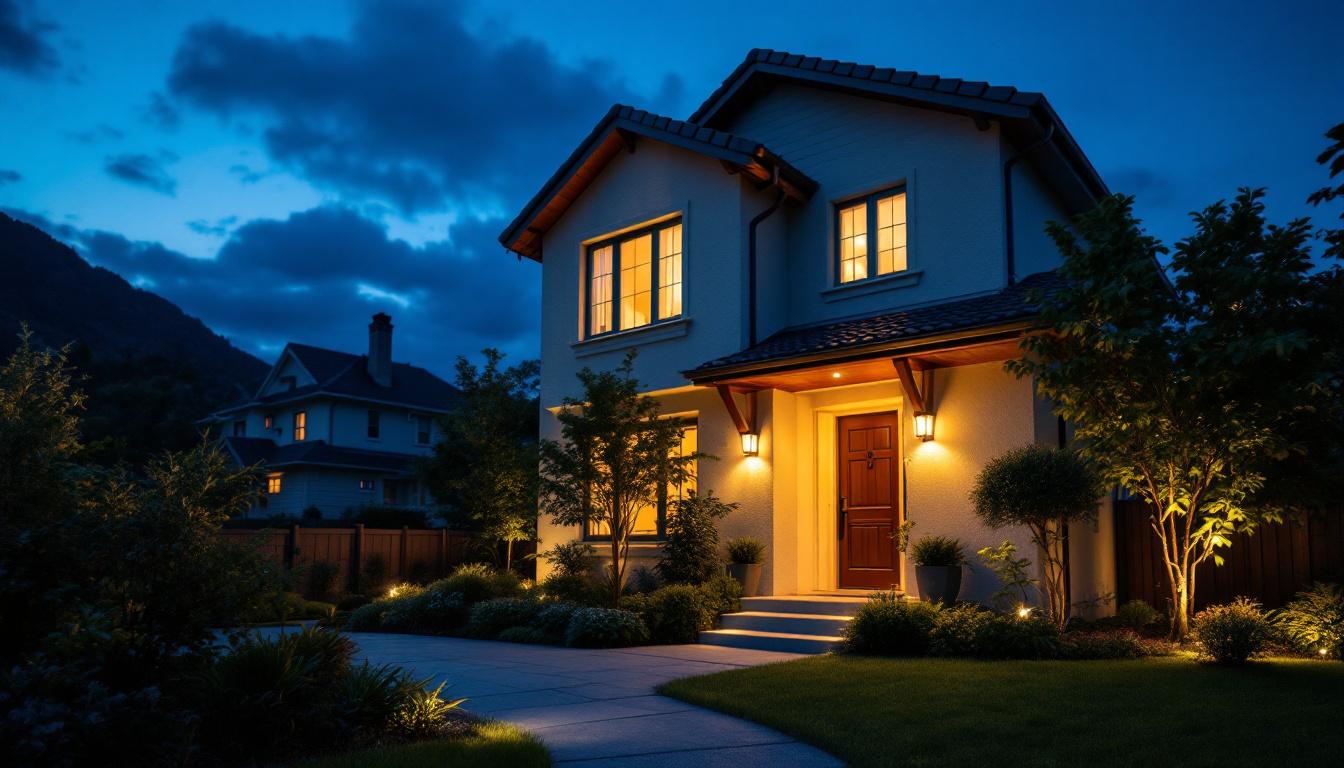
Designing a security lighting plan requires balancing brightness with coverage. Too little light leaves areas vulnerable; too much can cause glare and waste energy. A layered approach works best: ambient lighting to illuminate general areas, task lighting for specific points like doorways, and accent lighting to highlight landscaping or architectural features that may conceal threats.
Use lighting design software or simple mapping techniques to visualize coverage areas. This helps ensure all critical zones are adequately lit without overlap or gaps. Consider the color temperature of the lights as well; cooler white light tends to enhance visibility and contrast, making it easier to detect movement at night.
Integrating Lighting with Other Security Measures
Security lighting should not operate in isolation. Integrating it with alarm systems, surveillance cameras, and smart home technology enhances its effectiveness. For example, lights triggered by a security camera’s motion detection can startle intruders and alert homeowners simultaneously.
Encourage clients to invest in systems that allow remote monitoring and control. This not only improves security but also offers convenience, such as scheduling lights to simulate occupancy when the home is empty. Lighting contractors who understand and recommend these integrations provide added value to their clients.
Respecting Neighborhood and Environmental Standards
Light pollution is a growing concern in many communities. Excessive or poorly directed outdoor lighting can disrupt local wildlife, interfere with neighbors’ sleep, and violate municipal ordinances. Lighting contractors must be aware of local regulations and environmental best practices.
Use fixtures that minimize upward light spill and avoid blue-rich white light, which has been shown to disrupt circadian rhythms in humans and animals. Educate clients about the benefits of “dark sky” compliant lighting and how it contributes to a safer, more comfortable neighborhood environment.
Practical Tips for Lighting Contractors on the Job
Conduct Comprehensive Site Surveys
Before recommending any lighting solution, perform a detailed site survey. Walk the property at night to identify dark spots, potential hiding places, and areas prone to vandalism or break-ins. Take note of existing lighting and electrical infrastructure. This hands-on approach ensures your recommendations are grounded in the property’s unique characteristics.
Communicate Clearly with Homeowners
Clients often have misconceptions about security lighting. Some expect extremely bright lights everywhere, while others fear their property will look like a fortress. Take time to explain the purpose of each light, the benefits of different technologies, and how the system will operate day-to-day. Clear communication builds trust and helps manage expectations.
Offer Scalable and Flexible Solutions
Security needs can change over time. Homeowners may add new structures, landscaping, or security devices. Provide lighting solutions that can be easily expanded or adjusted. Modular fixtures, wireless controls, and smart sensors offer flexibility that traditional setups lack.
Stay Updated on Industry Trends and Technologies
The lighting industry evolves rapidly. Advances in LED technology, sensor accuracy, and smart home integration continuously improve security lighting capabilities. Invest time in ongoing education and training. This knowledge allows you to offer cutting-edge solutions that differentiate your services from competitors.
Case Studies: Lessons from Real-World Installations
Case Study 1: Overcoming Glare Issues in a Suburban Home
A lighting contractor was called to fix a client’s security lighting that was causing complaints from neighbors. The original installation used high-wattage floodlights mounted on the garage, producing intense glare visible from multiple homes. The contractor replaced these with shielded LED fixtures, lowered the mounting height, and added motion sensors to reduce operating hours. The result was improved security, satisfied neighbors, and lower energy costs.
Case Study 2: Enhancing Coverage with Layered Lighting
In a large property with multiple access points, a contractor designed a layered lighting system combining ambient pathway lights, focused door and window lights, and accent lighting on landscaping. Motion sensors were strategically placed to trigger lights only when needed. This approach eliminated blind spots and gave the homeowner confidence in the system’s effectiveness without excessive energy use.
Case Study 3: Integrating Smart Controls for Remote Monitoring
A homeowner wanted a security lighting system that could be controlled remotely while on vacation. The contractor installed smart LED fixtures connected to a home automation platform, allowing the client to schedule lights and receive alerts from motion sensors. This integration enhanced security and convenience, showcasing the value of modern technology in residential lighting.
Final Thoughts for Lighting Contractors
Security lighting is a powerful tool when designed and installed thoughtfully. Avoiding common mistakes like over-illumination, poor placement, and neglecting sensor calibration can make the difference between a system that protects and one that frustrates. Tailoring solutions to each property’s unique needs, respecting environmental considerations, and embracing technology will set you apart as a trusted expert.
Homeowners rely on your expertise to safeguard their most valuable asset-their home. Approach each project with care, thoroughness, and a commitment to quality. The results will speak for themselves in satisfied clients and safer neighborhoods.
Get Your Spec-Grade Security Lighting at LumenWholesale
Ready to elevate your security lighting installations with premium products that promise performance and affordability? Look no further than LumenWholesale. We provide lighting contractors with an extensive selection of top-quality, spec-grade lighting products at unbeatable wholesale prices. Say goodbye to local distributor markups and hello to superior lighting solutions that fit your project’s needs. Plus, with free shipping on bulk orders, you can rest assured you’re getting the best value without any hidden fees. Don’t compromise on quality or cost. Visit LumenWholesale today for wholesale lighting that truly shines.