Understanding the Importance of Proper Tanning Bed Bulb Replacement
Tanning beds are specialized lighting systems designed to emit ultraviolet (UV) radiation that stimulates melanin production in the skin. The bulbs inside these beds are critical components, directly affecting the quality and safety of the tanning experience. Over time, bulbs degrade, lose intensity, and can even pose safety risks if not replaced correctly. For lighting contractors, mastering the replacement process is essential—not only to maintain optimal performance but also to future-proof installations against evolving technology and regulations.
Replacing tanning bed bulbs isn’t as straightforward as swapping out a standard light bulb. These bulbs operate under specific electrical and physical conditions, requiring precision and adherence to manufacturer guidelines. Neglecting these factors can lead to uneven tanning, increased energy consumption, or equipment damage. Additionally, the UV output diminishes gradually, often unnoticed by users, which can result in ineffective sessions and dissatisfied clients.
Moreover, the type of bulbs used in tanning beds can vary significantly, with options ranging from traditional fluorescent tubes to more advanced high-pressure lamps. Each type has its own unique characteristics and lifespan, which can influence the tanning results and overall experience. For instance, high-pressure lamps tend to provide a deeper tan in a shorter amount of time but may require more careful handling and installation due to their higher energy output. Understanding the differences between these bulbs not only aids in making informed decisions during replacements but also helps in educating clients about what to expect from their tanning sessions.
Furthermore, regular maintenance and timely bulb replacement can enhance the longevity of the tanning bed itself. When bulbs are allowed to operate beyond their recommended lifespan, they can cause undue strain on the electrical components of the tanning bed, leading to costly repairs or even complete equipment failure. This is why it’s crucial for tanning salon operators to keep a detailed log of bulb usage and replacement schedules, ensuring that both the safety of their clients and the integrity of their equipment are prioritized. By investing in proper bulb replacement practices, salons can foster a loyal customer base that appreciates consistent and effective tanning results.
Step-by-Step Guide to Replacing Tanning Bed Bulbs
1. Safety First: Preparing for Replacement
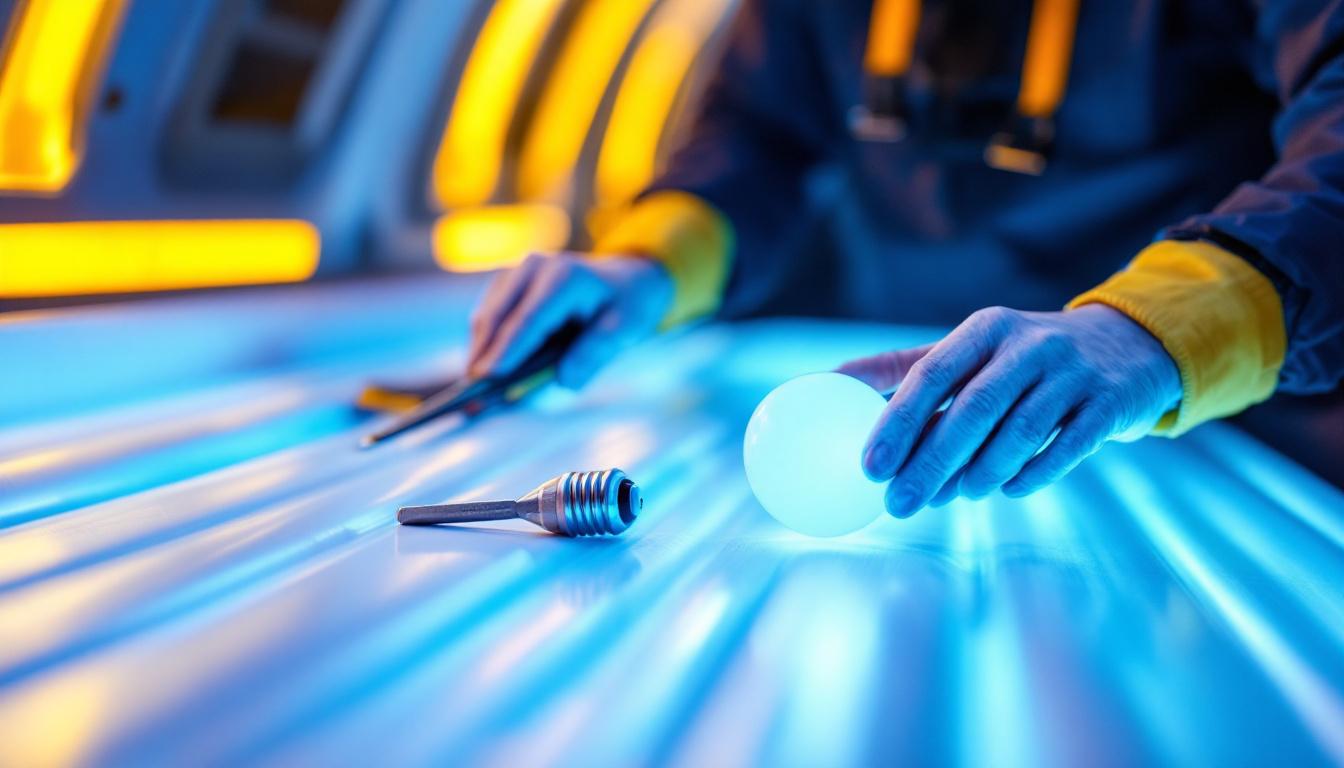
Before starting any work on a tanning bed, ensure the unit is completely powered off and unplugged. UV bulbs contain mercury and other sensitive materials, so handle them with care to avoid breakage. Wearing gloves and safety glasses is recommended to protect against accidental exposure and glass shards.
Make sure you have the correct replacement bulbs on hand. Tanning beds come with different bulb types, wattages, and lengths, so verify the specifications from the manufacturer or the existing bulb’s label. Using incompatible bulbs can cause electrical issues or reduce the lifespan of the equipment. Additionally, it’s wise to review the tanning bed’s manual for any specific instructions or warnings related to bulb replacement, as each model may have unique features or requirements.
2. Removing the Old Bulbs
Open the tanning bed canopy or access panel according to the manufacturer’s instructions. Typically, bulbs are secured with clips or sockets that require gentle twisting or pulling to release. Avoid forcing the bulbs out, as this can damage the fixture or the bulb itself. It’s also a good idea to take a moment to inspect the interior of the tanning bed for any dust or debris that may have accumulated over time. Cleaning the area can help maintain optimal performance and hygiene.
Dispose of the old bulbs responsibly. Due to the mercury content, many regions have regulations for recycling or hazardous waste disposal. Check local guidelines to ensure compliance and environmental safety. Some tanning salons or specialized recycling centers may offer bulb disposal services, making it easier to handle this potentially hazardous material. Ensuring proper disposal not only protects the environment but also promotes safety within your community.
3. Installing New Bulbs Correctly
Handle new bulbs by the ends or with gloves to prevent oils from your skin from shortening their lifespan. Align the pins or connectors carefully with the socket and insert the bulb firmly but gently. Confirm that the bulb is seated securely and that any securing clips or covers are reattached properly. It’s beneficial to double-check the orientation of the bulbs as some may have specific alignment requirements to function correctly.
Once all bulbs are replaced, close the canopy and plug the tanning bed back in. Turn it on briefly to test the bulbs, checking for consistent illumination and any flickering, which could indicate poor connections or defective bulbs. If you notice any issues, it may be necessary to recheck the installation or consult the manufacturer for further troubleshooting. Regular maintenance, including bulb replacement, is essential for ensuring that your tanning bed operates safely and effectively, providing the best results for users. Keeping a log of when bulbs are replaced can also help you track maintenance schedules and ensure optimal performance over time.
Future-Proofing Your Tanning Bed Lighting Projects
Embracing Energy Efficiency and Advanced Bulb Technologies
The lighting industry is shifting towards more energy-efficient and environmentally friendly solutions. For tanning beds, this means exploring bulbs that consume less power while maintaining or improving UV output. Some manufacturers now offer bulbs with improved phosphor coatings or alternative gas mixtures that extend bulb life and reduce heat generation. These advancements not only enhance the tanning experience by providing a more consistent and effective UV exposure but also contribute to a salon’s sustainability goals.
Lighting contractors should stay informed about these advancements and recommend upgrades when appropriate. Installing energy-efficient bulbs can reduce operational costs for tanning salons and appeal to environmentally conscious clients. Additionally, the use of LED technology in tanning beds is gaining traction, as these bulbs not only offer longer lifespans but also generate less heat, which can lead to a more comfortable experience for users. By educating clients on the benefits of these technologies, contractors can help salons position themselves as leaders in eco-friendly practices while enhancing customer satisfaction.
Integrating Smart Controls and Monitoring Systems
Modern tanning beds are increasingly incorporating smart technology. Sensors that monitor bulb usage hours, UV intensity, and temperature can alert operators when bulbs need replacement or maintenance. This proactive approach minimizes downtime and ensures consistent performance. Moreover, these smart systems can be integrated with mobile applications, allowing salon owners to monitor their equipment remotely, track usage patterns, and even receive alerts for maintenance needs, thereby streamlining operations significantly.
For contractors, integrating these systems during installation or retrofit projects adds value and future-proofs the equipment. It also aligns with trends in building automation and the Internet of Things (IoT), which are becoming standard in commercial lighting solutions. By offering clients the ability to manage their tanning beds through smart technology, contractors not only enhance the user experience but also position themselves as forward-thinking professionals in a rapidly evolving industry.
Adapting to Regulatory Changes and Safety Standards
UV-emitting devices are subject to strict safety regulations to protect users from overexposure. These standards evolve as new research emerges on UV radiation risks. Lighting contractors must keep abreast of changes in local and international guidelines to ensure compliance. This vigilance is essential not only for the safety of clients but also for the legal protection of the salon operators, as non-compliance can lead to significant fines and reputational damage.
Future-proofing involves selecting bulbs and fixtures that meet or exceed current safety requirements and can be easily updated or replaced to comply with future standards. Documentation and clear communication with clients about maintenance schedules and regulatory adherence are also critical components of responsible project management. Furthermore, educating clients about the importance of regular safety audits and the latest research on UV exposure can help them maintain a safe environment for their customers, fostering trust and loyalty in the long run.
Common Challenges and How to Overcome Them
Dealing with Bulb Compatibility Issues
One frequent challenge is finding replacement bulbs that match the original specifications, especially for older tanning beds. Manufacturers may discontinue certain models, making it necessary to source compatible alternatives or retrofit the bed with newer technology.
Contractors should maintain relationships with multiple suppliers and keep detailed records of bulb types used in each project. This foresight helps avoid delays and ensures clients receive timely service.
Managing Bulb Lifespan and Performance Degradation
UV bulbs gradually lose effectiveness even before they burn out. This subtle decline can lead to uneven tanning results and customer dissatisfaction. Implementing a routine maintenance schedule that includes tracking bulb hours and performance metrics helps address this issue.
Using smart monitoring tools or manual logs, contractors can advise clients on optimal replacement intervals, balancing cost and performance. Educating salon operators about the signs of bulb degradation also promotes proactive maintenance.
Ensuring Safe Handling and Disposal
Mercury-containing bulbs require careful handling and disposal to prevent environmental contamination and health risks. Contractors must train their teams on proper procedures and provide clients with guidance on disposal options.
Partnering with certified recycling programs or hazardous waste handlers simplifies compliance and demonstrates a commitment to sustainability.
Best Practices for Long-Term Success
Documenting and Standardizing Procedures
Develop clear, step-by-step protocols for bulb replacement tailored to each tanning bed model. Standardizing these procedures minimizes errors and reduces training time for new technicians. Detailed documentation also supports warranty claims and regulatory inspections.
Training and Continuing Education
Lighting contractors should invest in ongoing training to stay current with technological advances and safety standards. Workshops, manufacturer seminars, and industry certifications enhance expertise and credibility.
Building Strong Client Relationships
Effective communication with salon owners and operators is crucial. Providing transparent information about bulb performance, replacement schedules, and safety considerations builds trust. Offering maintenance contracts or service packages can create steady revenue streams and ensure equipment longevity.
Conclusion
Replacing tanning bed bulbs is a task that demands precision, knowledge, and foresight. For lighting contractors, mastering this process not only ensures client satisfaction but also positions them as trusted experts in a niche market. By embracing energy-efficient technologies, integrating smart systems, and adhering to evolving safety standards, contractors can future-proof their projects and deliver lasting value.
Attention to detail-from selecting the right bulbs to managing disposal responsibly-reflects professionalism and commitment to quality. Ultimately, these practices safeguard both the tanning salon’s reputation and the well-being of its customers.
Secure Your Lighting Future with LumenWholesale
Ready to elevate your lighting projects and exceed client expectations? Look no further than LumenWholesale for all your tanning bed bulb needs. Our extensive selection of spec-grade lighting products ensures you have access to the most efficient and reliable options on the market, all at unbeatable wholesale prices. Say goodbye to middleman markups and hello to hassle-free bulk buying with free shipping. Trust LumenWholesale to provide the quality, affordability, and convenience you need to future-proof your lighting installations. Don’t compromise on your lighting solutions—choose Wholesale Lighting at the Best Value today.