Understanding the True Cost of Lighting Mistakes
Lighting projects might seem straightforward at first glance—choose fixtures, install, and turn on the switch. However, the reality is far more complex. A single misstep can lead to significant financial losses, client dissatisfaction, and even safety hazards. For lighting contractors, understanding where these costly errors occur is the first step toward avoiding them.
One of the most common pitfalls is underestimating the importance of proper planning. Without a detailed lighting design that accounts for the space’s function, layout, and aesthetics, contractors risk selecting fixtures that don’t meet client needs or comply with regulations. This can result in expensive rework or replacements. Moreover, failing to conduct a thorough site assessment can lead to overlooking critical factors such as natural light sources, which can dramatically influence the effectiveness of artificial lighting. For instance, a room flooded with sunlight during the day may not require as much artificial light, thus saving energy and costs if planned correctly.
Another costly mistake involves ignoring energy efficiency and maintenance considerations. Choosing lighting solutions solely based on upfront costs often leads to higher operational expenses over time. Clients expect lighting that not only looks good but also performs efficiently and lasts long. Additionally, the rise of smart lighting technology offers opportunities for enhanced energy management, but without proper integration and understanding of these systems, contractors may miss out on significant savings and convenience for their clients. Moreover, the long-term implications of maintenance cannot be overlooked; fixtures that are difficult to access or require specialized tools for replacement can lead to increased labor costs and frustration down the line.
Furthermore, it’s essential to consider the psychological and emotional impact of lighting on occupants. Poor lighting can affect mood, productivity, and even health. For example, in office environments, inadequate lighting can lead to eye strain and decreased employee efficiency. In residential settings, harsh or poorly placed lighting can create an unwelcoming atmosphere. By prioritizing the human experience in lighting design, contractors can not only enhance the aesthetic appeal of a space but also contribute to the well-being of its occupants, ultimately leading to higher client satisfaction and repeat business.
Key Planning Strategies for Successful Lighting Projects
Conduct Thorough Site Assessments
Before any installation begins, a comprehensive site assessment is essential. This includes measuring room dimensions, noting natural light sources, and identifying potential obstructions. Understanding the environment ensures that lighting levels are adequate and that fixtures are positioned optimally.
For example, in commercial spaces, glare from poorly placed fixtures can cause discomfort or reduce productivity. In residential settings, improper lighting can affect ambiance and functionality. Taking the time to assess these factors prevents costly adjustments later. Additionally, evaluating the existing electrical infrastructure can reveal potential challenges or limitations that may need to be addressed during the planning phase. This proactive approach not only enhances the overall effectiveness of the lighting design but also ensures safety and compliance with local regulations.
Collaborate Closely with Designers and Clients
Lighting contractors often work alongside architects, interior designers, and clients. Clear communication about expectations, design intentions, and technical constraints is critical. Misalignment here can lead to selecting incompatible fixtures or failing to meet aesthetic goals.
Early collaboration helps identify potential challenges and allows for adjustments before procurement and installation. It also builds trust with clients, who appreciate transparency and professionalism. Furthermore, involving clients in the decision-making process can lead to a more personalized lighting solution that reflects their unique style and preferences. Workshops or brainstorming sessions can be beneficial in gathering input and fostering a sense of ownership in the project, ultimately leading to greater satisfaction with the final outcome.
Develop Detailed Lighting Plans and Specifications
Creating precise plans that specify fixture types, wattages, mounting heights, and control systems reduces ambiguity. These documents serve as a roadmap for procurement and installation teams, minimizing errors.
Using lighting design software can aid in visualizing the final outcome and calculating illumination levels. This technology helps ensure compliance with industry standards and client requirements. Additionally, incorporating energy-efficient solutions and smart lighting technologies into the plans can significantly enhance the sustainability of the project. By considering factors such as daylight harvesting and occupancy sensors, designers can create a lighting scheme that not only meets aesthetic needs but also contributes to energy savings and reduced operational costs over time.
Common Installation Errors and How to Prevent Them
Incorrect Fixture Placement
Placing fixtures too close together or too far apart can cause uneven lighting and shadowing. This not only affects aesthetics but can also compromise safety in work environments. Contractors should follow spacing guidelines and verify placement with design plans.
Using laser measuring tools and templates during installation can improve accuracy. Double-checking positions before securing fixtures avoids costly repositioning. Additionally, considering the type of activities that will occur in the space can guide fixture placement. For instance, in areas designated for detailed tasks, such as kitchens or workshops, brighter and more focused lighting may be necessary, while ambient lighting may suffice in relaxation areas. By tailoring the lighting to the specific needs of each space, contractors can enhance both functionality and comfort.
Improper Wiring and Connections
Faulty wiring is a leading cause of lighting failures and fire hazards. Ensuring that all electrical connections meet code requirements is non-negotiable. Contractors must use appropriate wire gauges, connectors, and protective devices.
Regular training on electrical standards and thorough inspections during and after installation help catch issues early. Partnering with qualified electricians when necessary adds an extra layer of safety. Furthermore, utilizing circuit breakers and surge protectors can prevent damage from electrical surges, which can be particularly important in areas with fluctuating power supply. Keeping detailed records of wiring layouts and connections can also assist in future troubleshooting, making maintenance and upgrades more straightforward for both contractors and clients.
Neglecting Lighting Controls and Automation
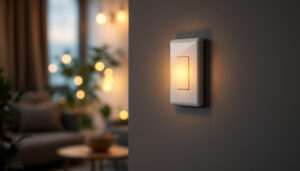
Modern lighting systems often include dimmers, sensors, and smart controls. Ignoring these components during installation can limit functionality and energy savings. Contractors should familiarize themselves with control technologies and integrate them seamlessly.
Testing control systems thoroughly before project handover ensures they operate as intended. Providing clients with clear instructions on usage enhances satisfaction and reduces support calls. Additionally, educating clients about the benefits of automated lighting—such as energy efficiency, convenience, and enhanced security—can encourage them to utilize these features fully. For instance, motion sensors can significantly reduce energy consumption in commercial spaces by ensuring lights are only on when needed. By highlighting the long-term savings and environmental benefits, contractors can foster a greater appreciation for modern lighting solutions among their clients.
Material Selection: Balancing Quality and Budget
Choosing the Right Fixtures
Not all fixtures are created equal. Selecting products from reputable manufacturers like Inova Lighting ensures durability and performance. While cheaper options may seem attractive, they often come with hidden costs such as shorter lifespans or poor light quality. Investing in well-made fixtures not only enhances the aesthetic appeal of a space but also contributes to the overall functionality and efficiency of the lighting design.
Consider factors like color rendering index (CRI), lumen output, and fixture lifespan. High CRI lighting improves color accuracy, which is vital in retail and hospitality environments. For instance, a CRI of 90 or above is often recommended for spaces where color differentiation is crucial, such as art galleries or fashion boutiques. Investing in quality upfront saves money and headaches down the line, as it minimizes the need for frequent replacements and maintenance. Additionally, the right fixtures can elevate the ambiance, creating a welcoming atmosphere that encourages customer engagement and satisfaction.
Energy Efficiency Matters
Energy-efficient lighting reduces operational costs and supports sustainability goals. LED technology is the industry standard, offering long life and low power consumption. These lights not only consume less energy but also generate less heat, which can lead to lower cooling costs in warmer climates. Incorporating energy-saving controls like occupancy sensors and daylight harvesting further optimizes usage, allowing for automatic adjustments based on the presence of people or the availability of natural light.
Contractors should stay updated on energy codes and rebate programs. Many utility companies offer incentives for projects that incorporate energy-efficient technologies, which can significantly offset initial costs. Advising clients on these options adds value and positions the contractor as a knowledgeable partner. Furthermore, promoting energy-efficient solutions can enhance a contractor’s reputation, as more clients are prioritizing sustainability in their projects. By being proactive in this area, contractors not only help clients save money but also contribute to a greener future, aligning with the growing trend towards environmentally responsible building practices.
Post-Installation Best Practices
Comprehensive Testing and Commissioning
After installation, thorough testing verifies that the system performs as designed. This includes checking illumination levels, control responsiveness, and fixture functionality. Any discrepancies should be addressed immediately to avoid future complaints.
Documenting test results and providing clients with detailed reports demonstrates professionalism and transparency.
Client Training and Support
Clients often struggle with advanced lighting controls. Offering training sessions or user manuals helps them maximize the system’s benefits. This proactive approach reduces service calls and enhances client satisfaction.
Establishing a support plan for maintenance and troubleshooting builds long-term relationships and encourages repeat business.
Learning from Real-World Examples
A commercial office project once faced significant delays because the contractor failed to coordinate fixture placement with the HVAC system. The lighting fixtures obstructed air vents, causing overheating and requiring costly rework. This underscores the importance of interdisciplinary collaboration during planning.
In another case, a contractor opted for low-cost LED fixtures without verifying their CRI. The client, a high-end retailer, found the lighting distorted product colors, negatively impacting sales. The contractor had to replace the fixtures at their own expense, highlighting the risks of sacrificing quality.
Final Thoughts
Lighting projects demand careful attention to detail at every stage-from initial planning through installation and beyond. Avoiding costly mistakes requires a blend of technical expertise, clear communication, and commitment to quality.
Contractors who prioritize thorough assessments, collaborate effectively, and choose materials wisely position themselves for success. Embracing best practices not only protects profits but also builds a reputation for reliability and excellence in the competitive lighting industry.
Illuminate Your Projects with LumenWholesale
Ready to elevate your lighting projects while keeping costs down? At LumenWholesale, we provide you with the high-quality, spec-grade lighting products you need at unbeatable wholesale prices. Say goodbye to middleman markups and hello to a vast selection of industry-standard lighting solutions that promise reliability and high performance. With the added convenience of free shipping on bulk orders, LumenWholesale is your go-to source for premium lighting without the premium price tag. Don’t compromise on quality or value; visit Wholesale Lighting at the Best Value today and bring exceptional lighting to every space you illuminate.