Understanding the Role of Chandeliers in Office Lighting
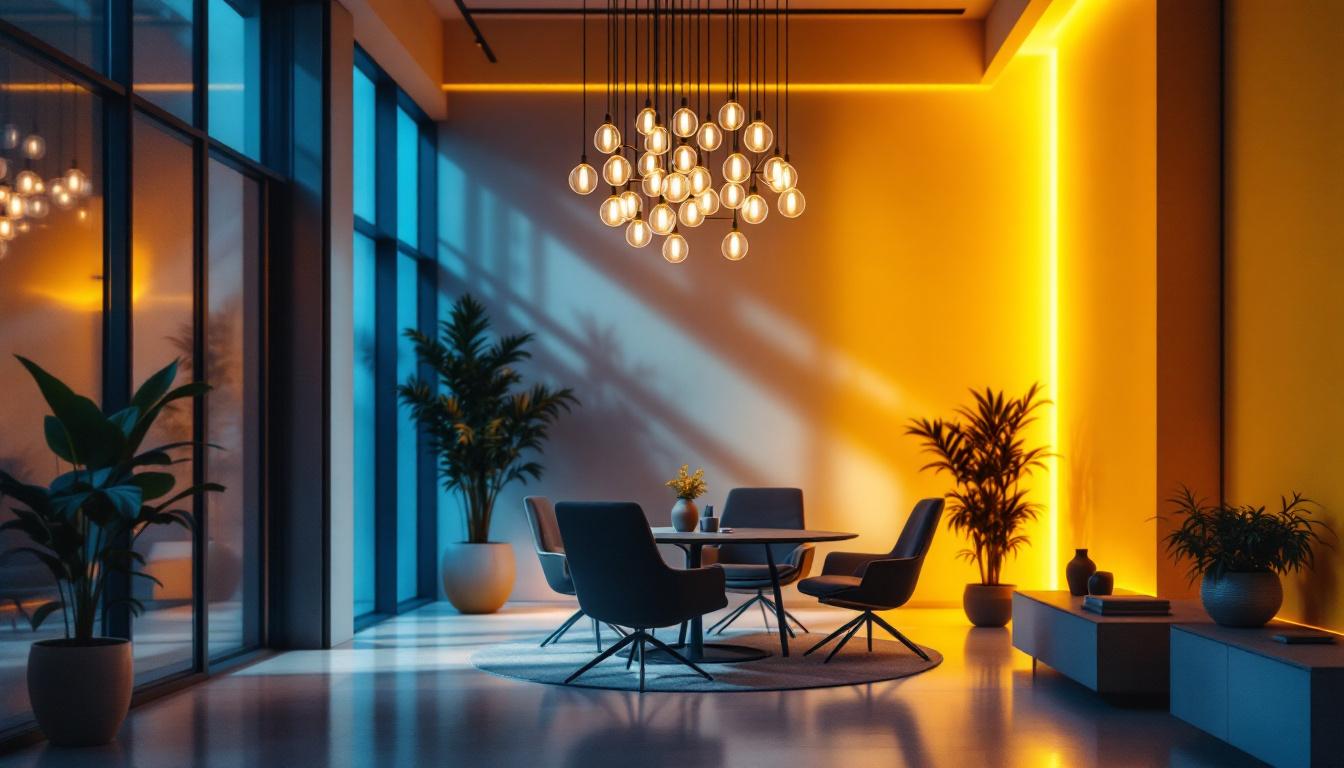
Chandeliers have long been associated with elegance and grandeur, often reserved for ballrooms or luxury homes. However, their role in office environments is evolving. Today’s office chandeliers blend aesthetic appeal with functional lighting, creating spaces that inspire productivity and comfort.
For lighting contractors, integrating chandeliers into office projects means balancing design with practicality. Unlike traditional overhead fixtures, chandeliers can serve as focal points that enhance brand identity and elevate workplace ambiance. But beyond looks, they must meet the rigorous demands of office lighting standards, including adequate illumination, energy efficiency, and adaptability.
Why Choose Chandeliers for Offices?
Chandeliers offer a unique combination of ambient and task lighting. Their multi-directional light sources can reduce shadows and glare, which are common complaints in office environments. When properly specified, they contribute to a well-lit workspace that supports visual comfort and reduces eye strain.
Additionally, chandeliers can be customized to fit various office layouts—from open-plan spaces to executive suites. Their presence can signal a company’s commitment to quality and attention to detail, which can positively impact employee morale and client impressions. The choice of materials, colors, and styles can also reflect the company’s brand identity, making chandeliers not just a lighting solution but a statement piece that embodies the organization’s values and culture.
Moreover, the versatility of chandeliers allows them to be integrated with modern smart lighting systems. This capability enables businesses to adjust brightness and color temperature according to the time of day or specific tasks, further enhancing the work environment. For instance, cooler light tones can be used during peak productivity hours to stimulate focus, while warmer hues can create a more relaxed atmosphere for meetings or collaborative sessions. Such adaptability not only promotes a healthier work-life balance but also aligns with sustainability goals by optimizing energy use throughout the day.
Key Considerations for Future-Proofing Office Chandelier Lighting
Future-proofing lighting projects means anticipating changes in technology, workspace needs, and sustainability requirements. For chandeliers, this involves several critical factors that contractors must consider during design and installation.
1. Energy Efficiency and Sustainability
Energy consumption is a major concern for commercial buildings. LED technology has revolutionized lighting by offering high efficiency, long lifespan, and lower heat output. Selecting chandeliers equipped with LED modules or compatible with LED bulbs ensures reduced energy costs and maintenance.
Beyond LEDs, consider fixtures made from sustainable materials or those designed for easy disassembly and recycling. Office clients increasingly prioritize green building certifications such as LEED or WELL, and lighting choices play a significant role in achieving these standards. Additionally, incorporating solar-powered options or integrating renewable energy sources can further enhance a building’s sustainability profile. This not only reduces the carbon footprint but also appeals to eco-conscious tenants and clients, making the space more attractive in a competitive market.
2. Smart Lighting Integration
Smart lighting systems are becoming standard in modern offices. Chandeliers that can integrate with building automation systems allow for dynamic control of brightness, color temperature, and scheduling. This adaptability supports circadian rhythms, enhancing employee well-being and productivity.
Contractors should specify chandeliers with compatible drivers and controls, such as DALI or Zigbee protocols, to ensure seamless integration. Future upgrades will be easier if the initial infrastructure supports these technologies. Moreover, the ability to control lighting through mobile apps or voice-activated systems not only adds convenience but also empowers users to create personalized lighting environments that can enhance focus or relaxation as needed. As the Internet of Things (IoT) continues to evolve, the potential for interconnected lighting solutions will only expand, offering even more sophisticated options for office spaces.
3. Flexibility and Modularity
Office layouts frequently change to accommodate evolving work styles. Chandeliers designed with modular components—adjustable arms, interchangeable shades, or scalable sizes—offer flexibility. This adaptability can extend the fixture’s useful life and reduce renovation costs.
Modular chandeliers also simplify maintenance and repairs. Contractors can replace or upgrade parts without removing the entire fixture, minimizing downtime and labor expenses. Furthermore, this design approach allows for creative customization, enabling businesses to refresh their aesthetic without a complete overhaul. As trends in office design shift towards more collaborative and open spaces, the ability to easily reconfigure lighting can help maintain an inviting atmosphere that fosters creativity and teamwork. By investing in flexible lighting solutions, companies can ensure their environments remain relevant and appealing to both employees and clients alike.
Design Strategies to Enhance Longevity and Performance
Beyond technical specifications, design choices influence how well chandeliers perform over time in office settings.
Optimizing Light Quality
High-quality lighting supports visual tasks and creates a comfortable environment. Look for chandeliers with high Color Rendering Index (CRI) values-ideally above 90-to ensure colors appear natural and vibrant. This is particularly important in spaces where branding and presentation matter.
Adjustable color temperature options allow offices to shift lighting from cooler tones for focus to warmer tones for relaxation or meetings. Such versatility caters to diverse activities within the workplace. Additionally, integrating smart lighting technology can further enhance this adaptability, allowing employees to customize their immediate environment through mobile apps or voice commands. This not only fosters a sense of personal control but also contributes to overall employee satisfaction and productivity.
Minimizing Glare and Shadows
Glare can cause discomfort and reduce productivity. Chandeliers with diffusers, frosted glass, or layered shades help soften light output. Positioning fixtures thoughtfully within the office layout also prevents direct exposure to employees’ eyes.
Shadow reduction is equally critical. Multi-arm chandeliers with evenly spaced light sources distribute illumination uniformly, reducing harsh contrasts that strain vision. Furthermore, incorporating adjustable arms or rotating elements can allow for dynamic lighting adjustments throughout the day, accommodating the sun’s movement and ensuring that workspaces remain well-lit without creating distracting shadows or glare.
Durability and Maintenance
Office lighting fixtures face constant use and environmental factors like dust and temperature fluctuations. Selecting chandeliers made from robust materials such as anodized aluminum, stainless steel, or treated glass ensures durability.
Maintenance-friendly designs-such as easy-access bulbs and washable components-simplify upkeep. Contractors should provide clients with clear maintenance guidelines to preserve fixture appearance and performance. Regular maintenance checks not only prolong the life of the chandeliers but also ensure that they continue to operate at optimal efficiency. Moreover, investing in energy-efficient LED bulbs can significantly reduce energy costs and the frequency of replacements, making them a practical choice for busy office environments where downtime is a concern.
Installation Best Practices for Office Chandeliers
Proper installation is crucial to maximize the benefits of chandeliers in office lighting projects. It also affects safety, compliance, and long-term functionality.
Assessing Structural Support
Chandeliers can be heavy, especially those with multiple arms or glass elements. Before installation, verify that ceiling structures can support the fixture’s weight. Reinforcement may be necessary in some office buildings.
Consulting with structural engineers or facility managers prevents costly mistakes and ensures safety. Additionally, it is important to consider the type of ceiling material when assessing support. For instance, drywall ceilings may require different anchoring solutions compared to those made of concrete or wood. A thorough evaluation of the ceiling’s load-bearing capacity can help in choosing the right mounting hardware, ensuring that the chandelier remains securely in place over time.
Wiring and Electrical Considerations
Ensure that wiring complies with local electrical codes and supports the fixture’s power requirements. For smart chandeliers, additional wiring or wireless modules may be needed to enable control systems.
Contractors should plan for future expansion or upgrades by installing conduits or junction boxes that facilitate easy access. Furthermore, incorporating dimmable features can enhance the versatility of the lighting, allowing for adjustments based on the time of day or specific tasks being performed. This flexibility not only improves energy efficiency but also contributes to a more comfortable and productive work environment, as employees can tailor the lighting to their personal preferences.
Height and Placement
Chandeliers must be hung at appropriate heights to avoid obstructing movement or sightlines. In open office areas, they should complement other light sources without overwhelming the space.
Consider the scale of the chandelier relative to ceiling height and room size. Oversized fixtures in low-ceiling offices can feel oppressive, while undersized ones may lose impact. Additionally, the placement of chandeliers should take into account the layout of the office furniture and the flow of foot traffic. Strategically positioning the chandelier above collaborative spaces or meeting areas can enhance the ambiance and create focal points that draw attention, fostering a sense of community and engagement among employees. Thoughtful placement can also help in reducing glare on screens, contributing to a more comfortable working atmosphere.
Trends Shaping the Future of Office Chandelier Lighting
Staying ahead in lighting projects requires awareness of emerging trends that influence design and technology choices.
Biophilic Design and Natural Light Integration
Incorporating elements of nature into office design is gaining momentum. Chandeliers that mimic organic shapes or use natural materials like wood and stone complement biophilic themes.
Integrating chandeliers with daylight harvesting systems-where artificial lighting adjusts based on natural light availability-enhances energy savings and occupant comfort.
Human-Centric Lighting
Lighting that adapts to human biological rhythms is becoming a priority. Chandeliers with tunable white LEDs can shift color temperature throughout the day, supporting alertness in the morning and relaxation in the afternoon.
Such lighting strategies improve employee health and reduce fatigue, making offices more inviting and productive.
Customization and Personalization
Clients increasingly seek lighting solutions that reflect their brand identity and culture. Custom-designed chandeliers-whether through unique shapes, colors, or finishes-offer differentiation.
Advances in manufacturing, such as 3D printing and modular assembly, make bespoke fixtures more accessible and cost-effective for office projects.
Conclusion: Building Resilience into Office Chandelier Lighting
Future-proofing office chandelier lighting is about more than choosing a beautiful fixture. It requires a comprehensive approach that considers technology, design, sustainability, and adaptability.
Lighting contractors who embrace these principles deliver projects that stand the test of time, meet evolving client needs, and contribute to healthier, more efficient workplaces. By selecting energy-efficient LEDs, integrating smart controls, prioritizing flexibility, and focusing on quality light, contractors can ensure their chandelier installations remain relevant and valuable for years to come.
Illuminate Your Projects with LumenWholesale
Ready to elevate your office lighting projects with chandeliers that promise longevity, efficiency, and style? Look no further than LumenWholesale. We provide contractors with an exceptional range of spec-grade lighting products that blend quality with unbeatable wholesale value. Our commitment to cutting out the middleman means you enjoy superior products at prices that respect your budget. With free shipping on bulk orders, LumenWholesale is your go-to source for lighting that meets the highest industry standards. Don’t compromise on quality or cost. Discover wholesale lighting at the best value and make your next project shine with resilience and brilliance.