Understanding the Fundamentals of Fluorescent Lighting
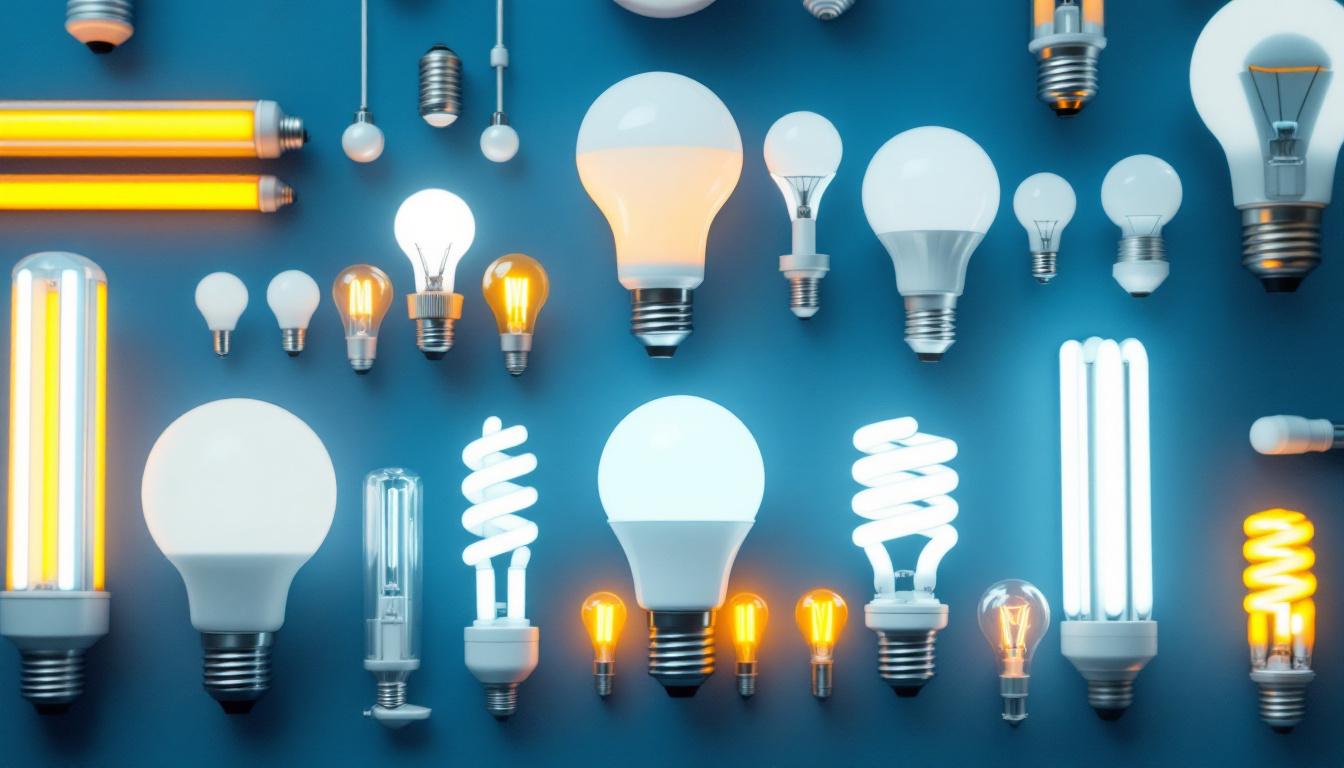
Fluorescent lighting has long been a staple in commercial, industrial, and institutional environments due to its energy efficiency and longevity compared to traditional incandescent bulbs. For lighting contractors, a deep understanding of the various fluorescent light bulb types is essential to ensure optimal installation, maintenance, and client satisfaction.
At its core, a fluorescent bulb operates by passing an electric current through mercury vapor, which produces ultraviolet light. This ultraviolet light then excites the phosphor coating on the inside of the tube, emitting visible light. The technology’s efficiency and versatility have made it a preferred choice in many applications, but the diversity of fluorescent bulbs demands careful selection based on project requirements.
The Role of Fluorescent Lighting in Modern Installations
Despite the rise of LED technology, fluorescent lighting remains relevant in many settings due to its cost-effectiveness and specific performance characteristics. For example, in large-scale commercial spaces such as warehouses or office buildings, fluorescent tubes provide broad, uniform illumination that is both economical and reliable.
Lighting contractors must weigh factors such as initial cost, energy consumption, light quality, and compatibility with existing fixtures when recommending fluorescent options. A well-informed choice can lead to significant energy savings and improved lighting quality, enhancing both operational efficiency and occupant comfort.
Moreover, fluorescent lighting is available in various color temperatures, ranging from warm white to cool daylight, allowing for tailored lighting solutions that meet specific aesthetic and functional needs. This flexibility is particularly beneficial in environments such as retail spaces, where the right lighting can enhance product visibility and influence consumer behavior. Additionally, advancements in fluorescent technology, such as high-output and dimmable options, have further expanded their applicability, enabling contractors to create dynamic lighting designs that can adapt to different tasks and moods.
Furthermore, the environmental impact of fluorescent lighting is an important consideration. While they are more energy-efficient than incandescent bulbs, fluorescent lights contain small amounts of mercury, necessitating proper disposal and recycling practices. Awareness of these environmental factors is crucial for contractors, as they can guide clients in making informed decisions about their lighting choices. By promoting sustainable practices and educating clients on the importance of responsible disposal, lighting professionals can contribute to a greener future while still delivering effective lighting solutions.
Key Types of Fluorescent Light Bulbs
Fluorescent bulbs come in a variety of shapes, sizes, and performance specifications. Understanding these differences is crucial for contractors tasked with selecting and installing the right product for each application. The choice of fluorescent lighting can significantly impact energy consumption, maintenance costs, and the overall ambiance of a space, making it essential for contractors to stay informed about the latest advancements and options available in the market.
Tubular Fluorescent Lamps (T5, T8, T12)
The most common fluorescent bulbs are tubular lamps, categorized primarily by their diameter. The designation “T” refers to the tube diameter in eighths of an inch. For example, a T8 lamp is 8/8 inch (1 inch) in diameter.
– T12 Lamps: Once the standard in many commercial settings, T12 lamps are 1.5 inches in diameter. They tend to be less energy-efficient and are being phased out in favor of smaller diameter tubes. However, they are still found in older installations and may require retrofitting or replacement. Despite their declining popularity, T12 lamps can still be found in applications where high light output is necessary, such as in warehouses and large retail spaces, where their initial cost can be more attractive than newer options.
– T8 Lamps: These 1-inch diameter lamps offer improved efficiency and better color rendering compared to T12s. T8s are widely used in new installations and retrofits, often paired with electronic ballasts for enhanced performance. Their versatility makes them suitable for a range of environments, from offices to schools, where consistent lighting quality is essential for productivity and comfort.
– T5 Lamps: With a diameter of just 5/8 inch, T5 lamps are the most compact and efficient tubular fluorescent bulbs available. They operate at higher frequencies and require compatible ballasts, but their smaller size allows for more streamlined fixture designs and better energy savings. T5s are particularly favored in applications with limited space, such as under-cabinet lighting in kitchens or in display cases where aesthetics are as important as functionality.
Compact Fluorescent Lamps (CFLs)
Compact fluorescent lamps are designed to replace incandescent bulbs in residential and commercial fixtures. Their spiral or folded tube design allows for a smaller footprint while delivering fluorescent efficiency.
CFLs are particularly useful in retrofit scenarios where fixture size limits the use of tubular lamps. They offer energy savings of up to 75% compared to incandescent bulbs and have a longer lifespan, reducing maintenance frequency. However, contractors must ensure CFLs are compatible with dimmers and enclosed fixtures to avoid premature failure. Additionally, the environmental impact of CFLs, due to their mercury content, necessitates proper disposal methods, which contractors should communicate to clients to promote responsible usage.
Specialty Fluorescent Lamps
Beyond standard tubes and CFLs, specialty fluorescent lamps serve niche applications. These include blacklight bulbs for entertainment and pest control, germicidal lamps used in sanitation, and high-output tubes designed for industrial environments requiring intense illumination.
Lighting contractors should be familiar with these specialty types to advise clients accurately and ensure proper handling, as some lamps contain higher mercury levels or require specific ballast types. For instance, germicidal lamps are often utilized in healthcare settings to reduce the spread of pathogens, making knowledge of their application and safety protocols essential for contractors involved in such projects. Furthermore, understanding the specific light spectrum emitted by blacklight bulbs can help in creating the desired effects for theatrical productions or art displays, showcasing the versatility and importance of specialty fluorescent lamps in various sectors.
Ballast Compatibility and Its Impact on Performance
One of the most critical aspects of fluorescent lighting installations is ballast compatibility. The ballast regulates the current to the lamp, ensuring stable operation and preventing damage.
Magnetic vs. Electronic Ballasts
Historically, magnetic ballasts were the standard, but they are less energy-efficient and produce audible hum. Electronic ballasts, on the other hand, operate at higher frequencies, reducing flicker and noise while improving energy efficiency by up to 30%.
For lighting contractors, recommending electronic ballasts can enhance client satisfaction through improved lighting quality and reduced operational costs. However, electronic ballasts must be matched to the specific lamp type (T5, T8, T12) and wattage to avoid compatibility issues.
Ballast Factor and Energy Considerations
The ballast factor describes the ratio of light output from a lamp-ballast combination compared to the lamp’s rated output. A ballast factor less than 1.0 means reduced light output but improved energy efficiency, while a factor above 1.0 increases light output at the expense of energy consumption and lamp life.
Contractors must balance these factors based on client needs—whether prioritizing maximum brightness or energy savings. Understanding ballast factor helps in specifying systems that meet lighting standards and energy codes.
Color Temperature and Color Rendering Index (CRI)
Lighting quality is not just about brightness; color characteristics significantly affect the ambiance and functionality of a space.
Choosing the Right Color Temperature
Fluorescent bulbs are available in a range of color temperatures, typically measured in Kelvins (K). Lower temperatures (2700K–3000K) produce warm, yellowish light suitable for hospitality and retail environments. Mid-range temperatures (3500K–4100K) offer neutral white light, ideal for offices and schools. Higher temperatures (5000K–6500K) create daylight-like illumination, preferred in industrial and healthcare settings.
Lighting contractors should assess the application to recommend the appropriate color temperature, as it influences occupant comfort and task performance.
Importance of Color Rendering Index (CRI)
CRI measures a light source’s ability to accurately reveal colors compared to natural light. Fluorescent lamps typically have CRI values ranging from 60 to 90. Higher CRI values (above 80) are desirable in environments where color discrimination is critical, such as retail displays, art galleries, and medical facilities.
Selecting fluorescent bulbs with suitable CRI ensures that spaces are visually appealing and functional, enhancing client satisfaction and end-user experience.
Installation and Maintenance Best Practices
Proper installation and maintenance are vital to maximizing the lifespan and performance of fluorescent lighting systems.
Installation Considerations
Lighting contractors should verify fixture compatibility, ballast type, and lamp specifications before installation. Ensuring secure connections and correct wiring reduces the risk of premature failures and safety hazards.
Additionally, contractors must consider environmental factors such as ambient temperature, which can affect fluorescent lamp performance. For example, T5 lamps perform optimally at higher temperatures, making them suitable for indoor commercial spaces but less ideal for cold storage areas.
Maintenance Strategies
Regular maintenance extends the service life of fluorescent lighting. This includes periodic cleaning of lamps and fixtures to remove dust and debris that can diminish light output. Monitoring for flickering, dimming, or color shifts can indicate ballast or lamp degradation requiring timely replacement.
Lighting contractors should educate clients on the benefits of scheduled maintenance and the potential energy savings from upgrading to more efficient fluorescent technologies or transitioning to LED alternatives where appropriate.
Regulatory and Environmental Considerations
Fluorescent lamps contain small amounts of mercury, necessitating careful handling, disposal, and compliance with environmental regulations.
Compliance with Safety Standards
Contractors must adhere to local and national regulations regarding the installation and disposal of fluorescent lamps. Proper recycling programs help mitigate environmental impact and avoid legal liabilities.
Training in safe handling procedures is essential to prevent mercury exposure during lamp replacement or breakage. Using protective equipment and following manufacturer guidelines ensures safety for both contractors and building occupants.
Energy Codes and Efficiency Incentives
Many jurisdictions have adopted energy codes mandating minimum efficiency levels for lighting systems. Fluorescent lighting often meets or exceeds these standards, but contractors should stay informed about evolving requirements and available incentives for energy-efficient upgrades.
Leveraging utility rebates and government programs can provide cost savings for clients, making fluorescent lighting projects more financially attractive and environmentally responsible.
Conclusion: Empowering Lighting Contractors with Fluorescent Expertise
For lighting contractors, mastery of fluorescent light bulb types and their associated technologies is indispensable. From selecting the right lamp and ballast combination to understanding color characteristics and regulatory compliance, these insights enable contractors to deliver superior lighting solutions tailored to client needs.
While the lighting industry continues to evolve with emerging technologies, fluorescent lighting remains a valuable component in many applications. By staying informed and applying best practices, contractors can optimize performance, enhance energy efficiency, and contribute to safer, more sustainable lighting environments.
Illuminate Your Projects with LumenWholesale
Ready to elevate your lighting projects with the best in fluorescent technology? At LumenWholesale, we provide lighting contractors with the highest quality, spec-grade fluorescent light bulbs and fixtures at unbeatable wholesale prices. Say goodbye to local distributor markups and hello to a vast selection of reliable, high-performance lighting options that meet the strictest industry standards. Plus, enjoy the convenience of bulk buying with free shipping, ensuring you get the premium lighting you need at the best value — without any hidden fees. Don’t compromise on quality or cost. Discover wholesale lighting at the best value and make LumenWholesale your go-to for all your lighting needs.