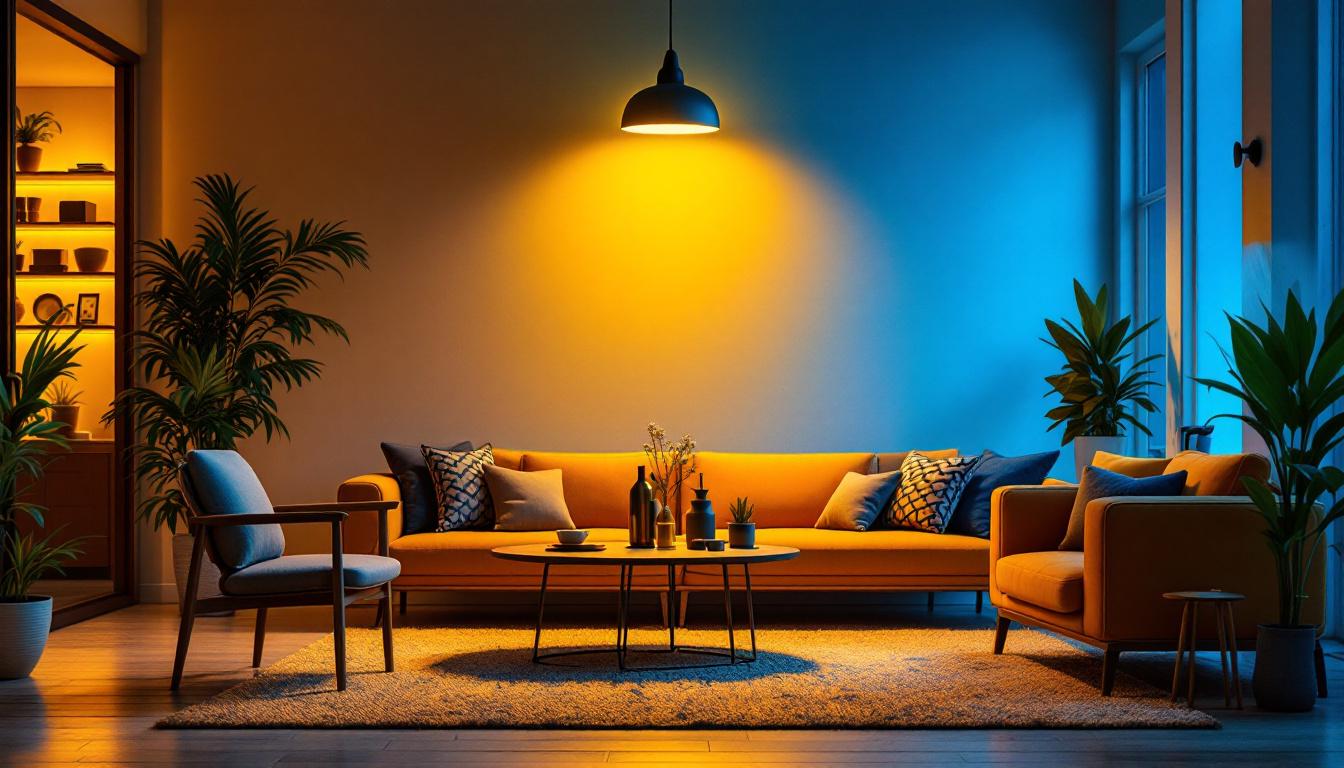
Understanding the Role of a Light Diffuser in Lighting Design
In the realm of lighting projects, achieving the perfect balance between illumination and ambiance is crucial. A light diffuser plays an indispensable role in this process by modifying how light is emitted from a source. Essentially, a light diffuser is a material or device that scatters light rays, softening the intensity and distributing light more evenly across a space. This results in reduced glare, minimized harsh shadows, and a more comfortable visual environment.
For lighting contractors, comprehending the function and benefits of light diffusers is fundamental. Whether working on residential, commercial, or industrial projects, incorporating diffusers can elevate the quality of lighting, enhance aesthetic appeal, and improve occupant comfort. By controlling light diffusion, contractors can tailor illumination to meet specific design goals and client needs.
Light diffusers come in various forms, including frosted glass, acrylic panels, and fabric materials, each offering unique properties that can be leveraged based on the specific application. For instance, frosted glass diffusers are often used in modern designs to create a sleek, sophisticated look while providing effective light scattering. On the other hand, fabric diffusers can introduce a warm, inviting atmosphere, making them ideal for settings such as restaurants or lounges where ambiance is key. The choice of material not only affects the quality of light but also the overall aesthetic of the space, allowing designers to express creativity while ensuring functionality.
Moreover, the placement and configuration of light diffusers can significantly impact the effectiveness of a lighting design. Strategic positioning can enhance the natural light entering a room, reduce the need for artificial lighting during the day, and create a more sustainable environment. In commercial settings, where productivity and comfort are paramount, diffusers can help reduce eye strain for employees by providing a more uniform light distribution. This thoughtful integration of diffusers into lighting schemes not only meets practical needs but also contributes to the overall well-being of occupants, making them a vital consideration in any lighting design project.
Types of Light Diffusers and Their Applications
Common Materials Used for Diffusion
Light diffusers come in various forms and materials, each suited for different applications. Popular materials include frosted glass, acrylic panels, polycarbonate sheets, and specialized fabrics. These materials vary in their diffusion properties, durability, and compatibility with lighting fixtures.
For example, frosted glass diffusers are often used in upscale commercial settings due to their elegant appearance and effective light scattering. Acrylic and polycarbonate diffusers are favored in industrial and outdoor applications for their impact resistance and weather durability. Fabric diffusers, such as stretched textiles, are increasingly popular in modern interior design for their versatility and aesthetic options. Additionally, some manufacturers are now exploring the use of biodegradable materials for diffusers, aligning with sustainable design principles and reducing environmental impact.
Design Variations and Their Impact
Beyond material choice, the design of the diffuser—such as thickness, surface texture, and patterning—directly influences light quality. Micro-prismatic diffusers, for instance, incorporate tiny prisms to direct light in specific ways, enhancing uniformity while controlling glare. Ribbed or patterned diffusers can create decorative lighting effects while maintaining functional diffusion. The choice of design can also affect the color temperature of the light emitted, as certain textures can soften or warm the light, creating a more inviting atmosphere.
Lighting contractors should assess project requirements carefully to select the appropriate diffuser type. This ensures that the lighting system performs optimally, whether the goal is to create a soft ambient glow in a retail space or provide uniform task lighting in an office environment. Moreover, the integration of smart lighting technologies is becoming more prevalent, allowing for dynamic adjustments to both the intensity and color of light. This adaptability can be further enhanced by using advanced diffusers that respond to changes in light quality, thereby optimizing energy use and enhancing user comfort in various environments.
Benefits of Using Light Diffusers in Lighting Projects
Improved Visual Comfort and Reduced Glare
One of the primary advantages of light diffusers is their ability to reduce glare, which can cause eye strain and discomfort. By scattering light rays, diffusers soften the intensity of direct light sources, making spaces more comfortable for occupants. This is particularly important in workplaces where prolonged exposure to harsh lighting can impact productivity and well-being.
Studies have shown that well-diffused lighting contributes to better visual ergonomics, reducing headaches and fatigue associated with poor lighting conditions. For lighting contractors, incorporating diffusers is a proactive step toward creating healthier environments and meeting occupational health standards. Furthermore, the use of diffusers can also enhance the overall mood of a space; softer lighting can lead to a more relaxed atmosphere, encouraging creativity and collaboration among employees. In educational settings, diffused lighting can improve focus and concentration, making it easier for students to engage with their studies without the distraction of harsh shadows or glaring light sources.
Enhanced Aesthetic Appeal and Ambiance
Diffusers also contribute significantly to the aesthetic quality of a space. They help create a uniform light distribution that highlights architectural features and interior design elements without causing distracting shadows or hotspots. This uniformity enhances the perception of space and can make rooms appear larger and more inviting.
In hospitality and retail sectors, where ambiance directly influences customer experience, light diffusers are invaluable. They enable designers and contractors to craft lighting schemes that evoke desired moods, from warm and cozy to bright and energetic, aligning with brand identity and functional needs. Additionally, diffusers can be designed in various shapes and materials, allowing for creative expression in lighting design. For instance, frosted glass or textured acrylic diffusers can add a touch of elegance, while colorful diffusers can create a playful atmosphere, making them versatile tools for enhancing the overall design narrative of a space.
Energy Efficiency and Fixture Longevity
By optimizing light distribution, diffusers can contribute to energy efficiency. Evenly dispersed light reduces the need for excessive brightness, allowing for lower wattage settings without compromising illumination quality. This can lead to significant energy savings over time, an important consideration given rising energy costs and sustainability goals.
Moreover, diffusers protect lighting components from dust, moisture, and physical damage, extending fixture lifespan. This reduces maintenance frequency and replacement costs, benefiting both contractors and end-users in the long run. In addition, the integration of diffusers with energy-efficient LED technology can amplify these benefits, as LEDs are already known for their longevity and low energy consumption. By combining these two innovations, lighting designers can create systems that not only look great but also operate sustainably, further supporting green building initiatives and reducing the carbon footprint of lighting installations.
Practical Considerations for Lighting Contractors
Selection Criteria for Effective Diffusion
Choosing the right diffuser involves evaluating several factors: the type of light source, installation environment, desired lighting effect, and budget constraints. Contractors must consider the compatibility of diffusers with LED, fluorescent, or incandescent fixtures, as each light source has unique characteristics affecting diffusion performance.
Environmental conditions such as humidity, temperature, and exposure to UV radiation also influence material selection. For example, outdoor installations require diffusers that resist yellowing and degradation, whereas indoor projects might prioritize aesthetic qualities and ease of cleaning.
Installation and Maintenance Best Practices
Proper installation is critical to maximizing the benefits of light diffusers. Contractors should ensure secure mounting to prevent displacement and maintain optimal distance from the light source to avoid overheating. Some diffusers are designed to be integrated seamlessly with fixtures, while others may require custom framing or housing.
Maintenance routines should include regular cleaning to prevent dust accumulation, which can diminish diffusion effectiveness. Selecting diffusers with anti-static or easy-clean coatings can simplify upkeep and preserve light quality over time.
Addressing Common Challenges
While diffusers offer many advantages, contractors may encounter challenges such as color distortion, reduced brightness, or compatibility issues with certain fixtures. Careful specification and testing can mitigate these problems. Utilizing photometric data and mock-ups allows contractors to visualize outcomes and make informed decisions before full-scale installation.
Collaboration with manufacturers and suppliers is also valuable for accessing technical support and custom solutions tailored to unique project demands.
Case Studies: Successful Implementation of Light Diffusers
Commercial Office Lighting Upgrade
A commercial office building sought to improve employee comfort and reduce energy consumption. By retrofitting existing fluorescent fixtures with acrylic diffusers optimized for LED lighting, the project achieved a 30% reduction in energy use while significantly enhancing light uniformity. Employee feedback highlighted decreased eye strain and improved overall satisfaction.
Hospitality Lighting Enhancement
In a boutique hotel, lighting contractors installed fabric diffusers in lobby and dining areas to create a warm, inviting atmosphere. The diffusers softened the glare from LED downlights and accentuated architectural details, contributing to a memorable guest experience. The project demonstrated how diffusers can blend functionality with design aesthetics.
Industrial Facility Illumination
An industrial warehouse implemented polycarbonate diffusers with micro-prismatic patterns to improve task lighting and safety. The diffusers provided bright, evenly distributed light that minimized shadows around machinery, reducing accident risks. Additionally, the durable diffusers withstood harsh environmental conditions, ensuring long-term performance.
Conclusion: Why Light Diffusers Are Essential for Lighting Contractors
Light diffusers are more than just accessories; they are vital components that influence the success of lighting projects. For contractors, mastering the selection, application, and maintenance of diffusers translates into enhanced project outcomes, satisfied clients, and adherence to industry standards.
By integrating diffusers thoughtfully, lighting contractors can deliver solutions that optimize visual comfort, energy efficiency, and aesthetic appeal. As lighting technology continues to evolve, the strategic use of diffusers will remain a cornerstone of effective and innovative lighting design.
Illuminate Your Projects with LumenWholesale
Ready to enhance your lighting projects with the highest quality light diffusers? Look no further than LumenWholesale, where we provide contractors with spec-grade lighting products at unbeatable wholesale prices. Say goodbye to middleman markups and hello to superior lighting solutions that meet the strictest industry standards. With our vast selection, free shipping on bulk orders, and commitment to affordability and convenience, you can trust LumenWholesale to light up your projects with excellence. Elevate your lighting designs today by visiting Wholesale Lighting at the Best Value and discover the difference that premium lighting can make.