Understanding Client Expectations for Porch Light Ceiling Mounts
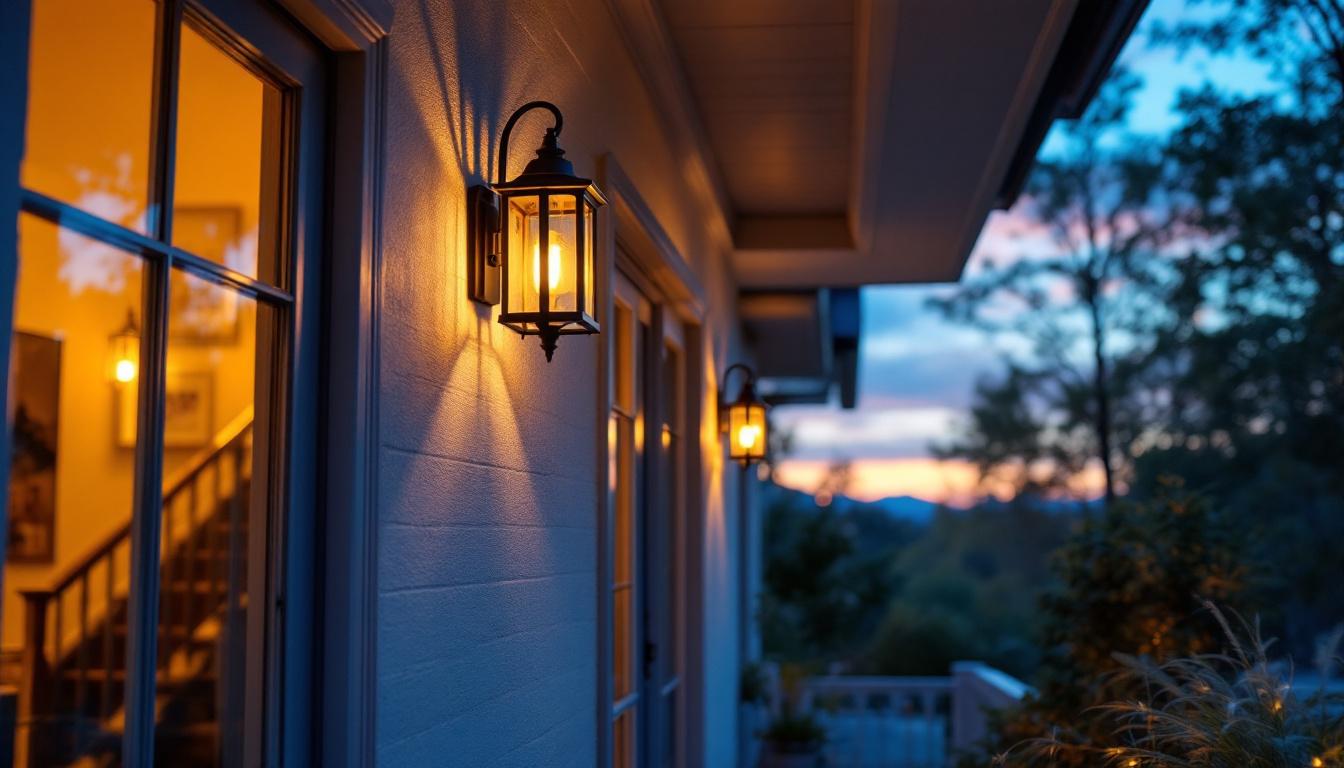
When homeowners decide to install porch lights with ceiling mounts, they’re not just thinking about illumination. They want a combination of style, durability, and functionality. Lighting contractors often face the challenge of balancing these factors while meeting client expectations. Recognizing what clients prioritize can make the difference between a satisfied customer and a missed opportunity.
Clients expect lighting contractors to have a deep knowledge of the types of ceiling-mounted porch lights available, their installation requirements, and how these fixtures will perform in various outdoor environments. They want assurance that the lighting will enhance curb appeal, provide adequate security, and withstand weather conditions without frequent maintenance.
Durability and Weather Resistance
Porch lights mounted on ceilings are exposed to rain, wind, dust, and temperature fluctuations. Clients expect contractors to recommend fixtures made from materials that resist corrosion and fading. For example, fixtures crafted from powder-coated aluminum, brass, or stainless steel tend to offer better longevity. Glass components should be tempered or sealed to prevent moisture intrusion.
Lighting contractors should also be familiar with weatherproof ratings such as IP (Ingress Protection) ratings. An IP44 rating or higher is generally advisable for porch ceiling mounts to ensure protection against water splashes and solid objects like dust or insects. Furthermore, clients may inquire about the warranty and lifespan of the fixtures, as a longer warranty can indicate a manufacturer’s confidence in their product’s durability. Providing information on maintenance tips can also reassure clients that their investment will remain functional and aesthetically pleasing for years to come.
Energy Efficiency and Lighting Quality
Energy-conscious clients often seek lighting solutions that reduce electricity consumption without compromising brightness. LED technology is now the standard for porch ceiling lights due to its energy efficiency, long lifespan, and low heat output. Contractors should be prepared to discuss lumens (brightness) and color temperature options, helping clients choose warm or cool light tones that match their home’s exterior ambiance.
Additionally, clients appreciate lighting that offers adjustable brightness or smart controls. Knowledge of dimmable LED fixtures and compatibility with home automation systems can set a contractor apart in the eyes of discerning customers. With the rise of smart home technology, many homeowners are looking for integrated solutions that allow them to control their porch lighting remotely or set schedules for when lights should turn on or off. This not only enhances convenience but can also improve security by making it appear as though someone is home, even when they are not. Providing insights on how to integrate these smart features can elevate a contractor’s service offering and meet the evolving needs of modern clients.
Key Installation Considerations for Porch Ceiling Lights
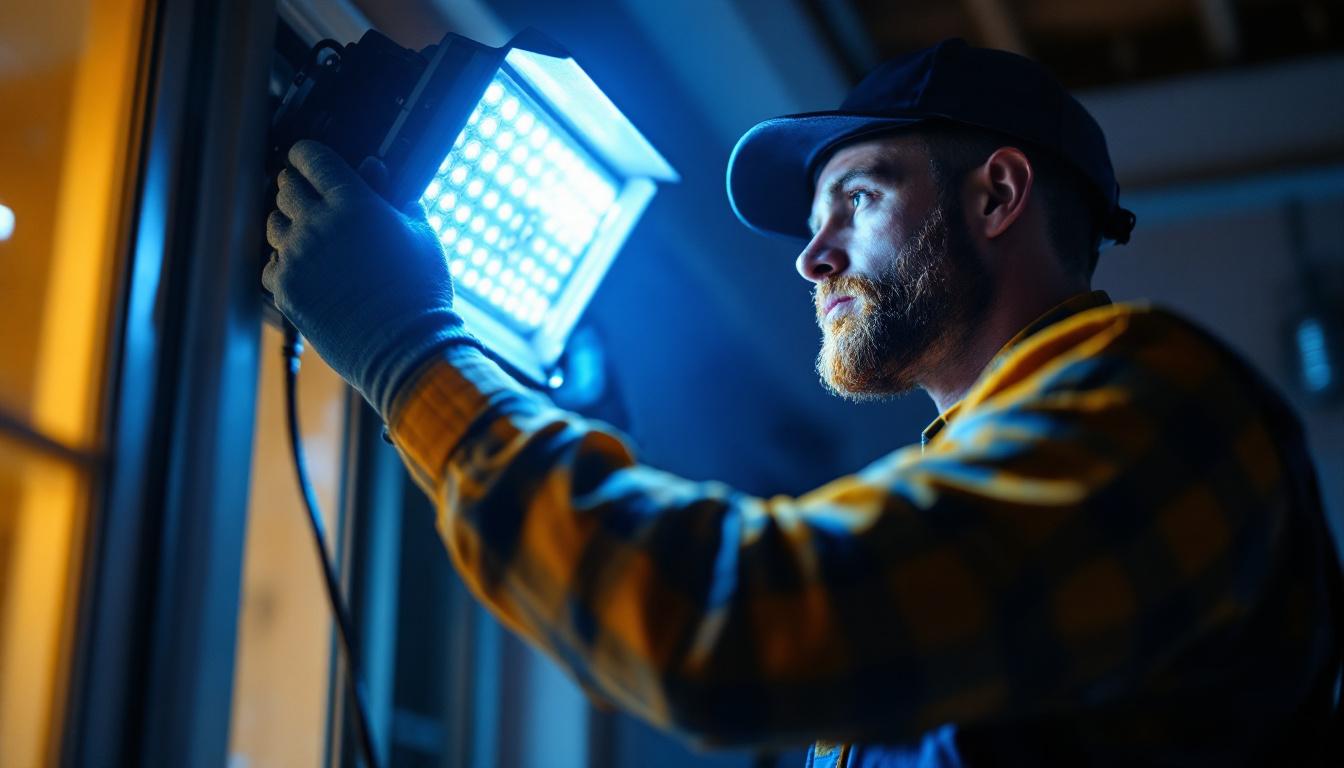
Installation is more than just mounting a fixture and connecting wires. Clients expect lighting contractors to deliver a seamless, safe, and code-compliant installation that enhances the porch’s usability and aesthetics.
Mounting Height and Placement
The height at which a porch ceiling light is installed affects both the fixture’s performance and visual appeal. Typically, porch ceilings range from 7 to 9 feet high. Contractors should advise clients on the ideal mounting height to ensure the light spreads evenly across the porch area without causing glare or shadows.
Placement near entry doors, seating areas, or architectural features can highlight the home’s best attributes. Understanding how light disperses and interacts with the porch layout is crucial for optimal placement. For instance, strategically positioning lights to illuminate pathways not only enhances safety but also creates an inviting atmosphere for guests. Additionally, using dimmable fixtures can provide versatility, allowing homeowners to adjust the ambiance according to different occasions, whether it be a cozy family gathering or a lively outdoor party.
Electrical Safety and Compliance
Safety is paramount. Clients expect contractors to adhere strictly to electrical codes and standards. This includes using weather-rated junction boxes, proper grounding, and GFCI (Ground Fault Circuit Interrupter) protection where required. Contractors should also ensure all wiring is rated for outdoor use and that connections are sealed against moisture.
Moreover, contractors should be prepared to secure any necessary permits and inspections. Demonstrating knowledge of local regulations reassures clients that the installation is both legal and safe. In addition to compliance, educating clients about the importance of regular maintenance checks can prevent potential hazards. For example, advising them to inspect fixtures for signs of wear or corrosion can prolong the life of the installation and maintain safety standards over time.
Fixture Compatibility and Weight Support
Ceiling-mounted porch lights vary widely in weight and design. Heavy fixtures require secure mounting points, often involving reinforcement of the ceiling structure. Clients expect contractors to assess the mounting surface and recommend appropriate anchors or supports.
In some cases, contractors may need to install or upgrade ceiling joists or use specialized mounting brackets. Ensuring the fixture is safely supported prevents future damage or accidents. Additionally, contractors should consider the fixture’s design and energy efficiency. For instance, recommending LED options not only reduces energy consumption but also offers longer lifespans, providing clients with both aesthetic appeal and cost savings in the long run. Furthermore, discussing the variety of styles available—from vintage lanterns to modern flush mounts—can help clients choose a fixture that complements their home’s architecture while fulfilling their functional needs.
Design Trends and Client Preferences in Porch Ceiling Lighting
Porch lighting is a key element of exterior design. Clients often look to contractors for guidance on current trends and styles that complement their home’s architecture.
Modern Minimalism vs. Classic Elegance
Many clients gravitate toward sleek, minimalist fixtures featuring clean lines and neutral finishes like matte black or brushed nickel. These designs suit contemporary homes and provide a subtle yet effective lighting solution.
Conversely, traditional and vintage-inspired fixtures with ornate detailing, lantern shapes, or warm bronze finishes remain popular for classic or craftsman-style homes. Contractors should be familiar with a broad range of styles to match diverse client tastes.
Integrated Smart Lighting Features
Smart home technology is increasingly influencing porch lighting choices. Clients may want fixtures with built-in motion sensors, dusk-to-dawn photocells, or remote control capabilities. Some prefer color-changing LEDs or programmable schedules to customize their porch ambiance.
Contractors who can install and configure smart lighting systems, and explain their benefits clearly, often gain a competitive edge. Clients appreciate the convenience and added security these features provide.
Complementing Landscape and Security Lighting
Porch ceiling lights rarely work in isolation. Clients often want their porch lighting to integrate seamlessly with other outdoor lighting elements, such as pathway lights, wall sconces, or security floodlights. Contractors should consider the overall lighting plan, ensuring consistent color temperature and brightness levels.
Security-conscious clients may request fixtures with motion detection or timers to deter intruders. Lighting contractors should be able to recommend solutions that balance aesthetics with safety.
Common Challenges and How Lighting Contractors Can Overcome Them
Porch ceiling light installations can present unique challenges. Clients expect contractors to anticipate and resolve these issues efficiently.
Dealing with Low or Uneven Ceilings
Older homes or porches with non-standard ceiling heights can complicate fixture selection and installation. Low ceilings may limit the size and style of fixtures that can be used without causing obstruction or discomfort.
Contractors should offer alternative solutions such as flush mount or semi-flush mount fixtures that provide ample light without hanging too low. In some cases, recessed lighting may be a viable option to maintain headroom.
Wiring Limitations and Upgrades
Clients sometimes discover that existing wiring is outdated, insufficient, or not rated for outdoor use. Contractors must be prepared to upgrade wiring, install new circuits, or add weatherproof junction boxes.
Clear communication about the scope of work and potential additional costs helps manage client expectations. Offering energy-efficient upgrades alongside wiring improvements can add value to the project.
Matching Fixture Aesthetics with Existing Architecture
Clients want porch lights that feel like a natural extension of their home’s style. This can be challenging when the home has unique architectural features or historical significance.
Contractors should be skilled in sourcing or customizing fixtures that complement the home’s design. Providing samples or digital renderings can help clients visualize the final result and feel confident in their choices.
Effective Communication: Building Trust with Clients
Clients expect more than technical expertise; they want clear, honest communication throughout the project. Lighting contractors who take the time to explain options, listen to client needs, and provide transparent pricing build stronger relationships.
Educating Clients on Product Choices
Many homeowners are unfamiliar with lighting terminology and technology. Contractors who break down concepts like lumens, color temperature, and IP ratings in simple terms empower clients to make informed decisions.
Providing brochures, websites, or demonstration fixtures can enhance understanding and reduce decision-making anxiety.
Setting Realistic Timelines and Budgets
Surprises related to project duration or costs can erode client trust. Contractors should provide detailed estimates and realistic timelines upfront. If unexpected issues arise, prompt communication and proposed solutions help maintain confidence.
Offering Post-Installation Support
Clients appreciate contractors who offer follow-up services such as maintenance advice, warranty information, or troubleshooting assistance. This ongoing support can lead to repeat business and referrals.
Conclusion
Porch lights with ceiling mounts are more than functional fixtures; they are integral to a home’s exterior charm, safety, and energy efficiency. Lighting contractors who understand client expectations-from durability and style to installation challenges and smart technology-position themselves as trusted experts.
Success in this niche requires a blend of technical knowledge, design sensibility, and excellent communication skills. Meeting and exceeding client expectations in porch ceiling lighting not only enhances homes but also builds lasting professional relationships.
Illuminate Your Projects with LumenWholesale
Ready to exceed your clients’ expectations with porch lights that blend charm, safety, and energy efficiency? Choose LumenWholesale for your lighting needs and gain access to our extensive selection of top-quality, spec-grade lighting products. With unbeatable wholesale prices and the convenience of free shipping on bulk orders, you can provide premium lighting solutions without the premium price tag. Elevate your professional service with the quality, affordability, and convenience that LumenWholesale offers. Wholesale Lighting at the Best Value is just a click away.