Why Brightness Matters in Outdoor Flood Lighting
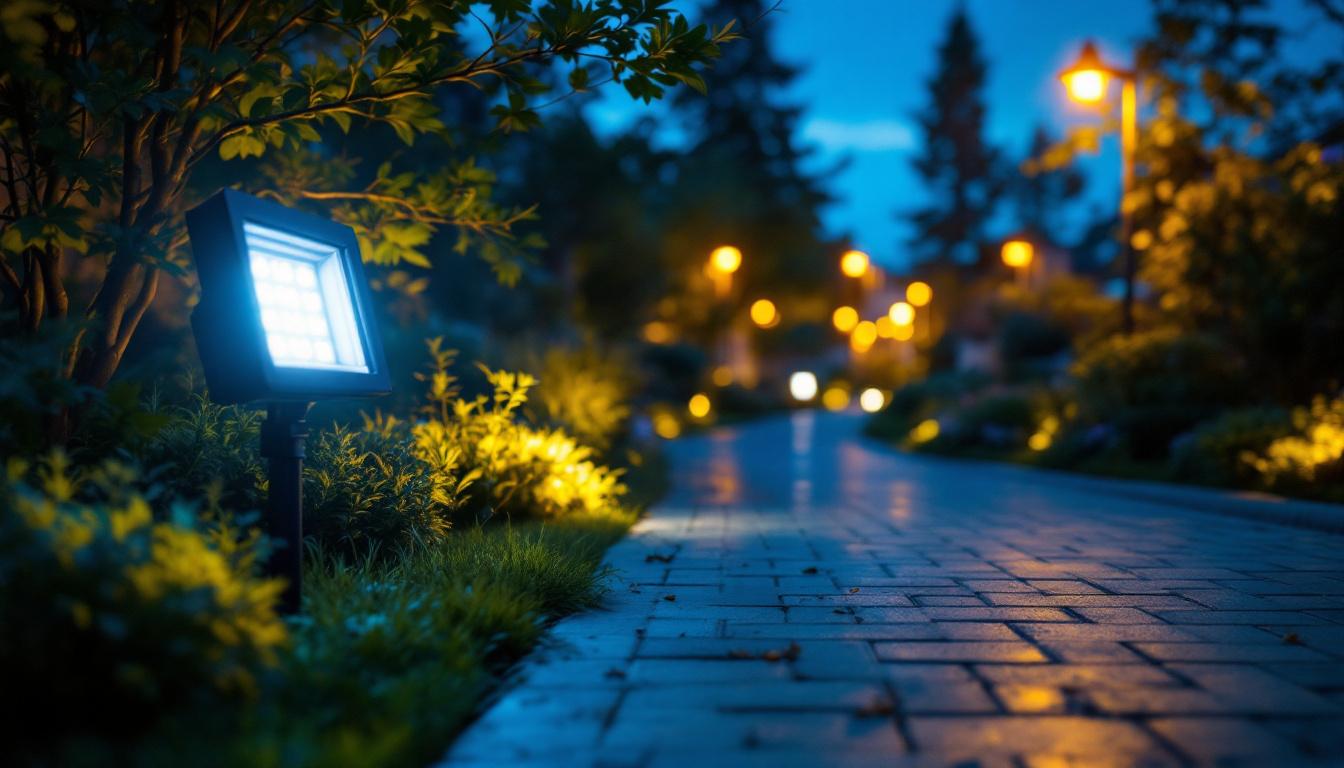
For lighting contractors, selecting the right flood light bulbs is more than just a technical choice-it’s a critical factor that can make or break a project. Outdoor flood lighting serves multiple purposes: enhancing security, highlighting architectural features, and ensuring safety in public and private spaces. Brightness, measured in lumens, directly impacts how well these goals are achieved.
Imagine a commercial parking lot or a large sports field. Insufficient brightness can leave dark spots, creating safety hazards and diminishing the overall effectiveness of the lighting design. On the other hand, overly bright lights can cause glare and discomfort, leading to complaints and potential liability issues. Striking the perfect balance requires a deep understanding of the brightest outdoor flood light bulbs available and their practical applications.
Moreover, the impact of brightness extends beyond mere visibility; it plays a crucial role in setting the mood and atmosphere of an outdoor space. For instance, a well-lit garden or patio can transform a simple gathering into a vibrant social event, encouraging people to linger and enjoy the surroundings. In contrast, poorly lit areas can feel uninviting and even intimidating, discouraging social interaction and use. This is particularly important in commercial settings where businesses rely on an inviting ambiance to attract customers and create a positive experience.
Additionally, the type of flood light used can influence not only brightness but also energy efficiency and longevity. LED flood lights, for example, are becoming increasingly popular due to their high lumen output combined with low energy consumption. This not only helps in reducing electricity bills but also minimizes the environmental impact, aligning with the growing trend towards sustainability in lighting design. By understanding the nuances of brightness and the technology behind flood lights, contractors can make informed decisions that enhance both the functionality and aesthetic appeal of outdoor spaces.
Understanding Lumens and Wattage: What Contractors Need to Know
Many clients ask about wattage when discussing brightness, but lumens are the true measure of light output. A bulb’s wattage indicates energy consumption, not brightness. For outdoor flood lighting, lumens provide a more accurate gauge of how much light the bulb emits.
For example, an LED flood light bulb consuming 30 watts can produce around 3,000 lumens, whereas an older halogen bulb might consume 150 watts to achieve a similar output. This efficiency not only reduces energy costs but also allows contractors to recommend solutions that meet clients’ brightness needs without excessive power consumption.
Contractors should also consider the beam angle of flood lights. A narrower beam angle concentrates light on a smaller area, increasing brightness intensity, while a wider beam angle spreads light over a larger space but with less intensity. Matching beam angle with lumen output ensures optimal coverage and brightness.
In addition to lumens and beam angles, the color temperature of the light is another crucial factor that contractors should discuss with clients. Measured in Kelvins (K), color temperature can significantly affect the ambiance of a space. For instance, a bulb rated at 3000K emits a warm, inviting glow, ideal for residential settings, while a cooler 5000K light mimics daylight and is often preferred for security and outdoor applications. Understanding the desired atmosphere can help contractors guide clients toward the right choice for their specific needs.
Furthermore, it’s essential for contractors to stay informed about the latest advancements in lighting technology. Smart lighting systems, which allow for remote control and scheduling, are becoming increasingly popular. These systems can enhance energy efficiency by automatically adjusting brightness based on time of day or occupancy, providing not only convenience but also additional savings on energy bills. By integrating these modern solutions into their recommendations, contractors can offer clients a more comprehensive approach to their lighting needs, ensuring both functionality and innovation in their projects.
Top Technologies Behind the Brightest Outdoor Flood Light Bulbs
LED Flood Lights: The Industry Standard
LED technology has revolutionized outdoor flood lighting. LEDs offer high lumen output with low energy consumption, long lifespan, and durability against harsh weather conditions. These features make them the preferred choice for contractors who want to deliver bright, reliable lighting solutions.
Some LED flood light bulbs can produce upwards of 10,000 lumens, enough to illuminate large commercial spaces or sports arenas effectively. Their instant-on capability and minimal heat generation also enhance safety and convenience on job sites. Furthermore, the ability to dim LED lights and adjust their color temperature allows for greater flexibility in creating the desired ambiance, whether for a festive event or a security application. This adaptability is particularly valuable in outdoor settings where lighting needs may vary throughout the evening.
Metal Halide and HID Bulbs: Still Relevant for Specific Needs
Although LEDs dominate the market, metal halide and high-intensity discharge (HID) bulbs remain relevant in certain applications. These bulbs emit a bright, white light with excellent color rendering, which can be advantageous for settings requiring true color representation, such as stadiums or outdoor events.
However, these bulbs consume more energy, have shorter lifespans, and require warm-up time. Contractors must weigh these factors against the brightness needs and project specifications before recommending them. In addition, the maintenance of metal halide fixtures can be more demanding due to their susceptibility to damage from vibrations and extreme temperatures, which is a critical consideration for installations in exposed outdoor environments. Despite these drawbacks, their unique ability to produce a high-quality light output makes them a staple in areas where visual clarity is paramount, such as during televised sports events.
Emerging Technologies: Laser and OLED Flood Lighting
Laser-based flood lighting is an emerging technology offering extremely high brightness levels with compact fixtures. While still in early adoption stages, this technology promises greater efficiency and longer lifespans, potentially transforming outdoor lighting solutions in the near future. The precision and directionality of laser lights also allow for innovative designs and applications, such as dynamic light displays that can enhance the aesthetic appeal of outdoor spaces during events or festivals.
OLEDs (organic LEDs) are another innovation, known for their uniform light distribution and thin form factors. However, their brightness levels currently lag behind LEDs and metal halide bulbs, limiting their use in high-intensity outdoor flood lighting. Yet, their unique ability to create flexible and transparent light panels opens up exciting possibilities for architectural lighting and artistic installations. As research continues to advance in this field, we may soon see OLEDs being integrated into outdoor settings, providing not only functional lighting but also contributing to the overall design and atmosphere of public spaces.
Choosing the Right Brightness for Different Outdoor Applications
Residential and Small Commercial Spaces
For residential driveways, gardens, and small commercial properties, flood light bulbs producing between 700 and 2,000 lumens are typically sufficient. These brightness levels provide clear visibility without overwhelming the space or neighbors.
Contractors should consider adjustable fixtures to allow homeowners to fine-tune brightness and beam direction, enhancing user satisfaction and reducing light pollution.
Large Commercial Areas and Parking Lots
Parking lots and large commercial areas require flood lights with lumen outputs ranging from 3,000 to 7,000 lumens. Brightness must be consistent across the area to eliminate shadows and dark spots that could compromise safety.
Using multiple fixtures with overlapping coverage and appropriate beam angles helps achieve uniform illumination. Additionally, integrating motion sensors or dimmers can optimize energy use while maintaining security.
Sports Fields and Stadiums
Sports facilities demand some of the highest brightness levels, often exceeding 10,000 lumens per fixture. Uniformity and color rendering are crucial to ensure players and spectators have clear visibility and accurate color perception.
Contractors should select bulbs with high color rendering index (CRI) values, ideally above 80, and coordinate with lighting designers to meet regulatory standards and client expectations.
Durability and Weather Resistance: Essential Features for Outdoor Bulbs
Brightness alone isn’t enough. Outdoor flood light bulbs must withstand rain, snow, heat, and dust. Look for bulbs with high IP (Ingress Protection) ratings-IP65 or higher is recommended for most outdoor applications. This ensures protection against water jets and dust ingress.
Materials also matter. Aluminum housings with powder coatings resist corrosion and fading, extending fixture life. Shatterproof lenses and impact-resistant designs reduce maintenance and replacement costs, a significant consideration for contractors managing large-scale installations.
Energy Efficiency and Cost Considerations
Brightest bulbs often come with higher upfront costs, but energy efficiency and longevity can offset these expenses over time. LEDs, for instance, can reduce energy consumption by up to 80% compared to traditional halogen bulbs.
Contractors should present clients with total cost of ownership analyses, including energy savings, maintenance costs, and replacement frequency. This approach builds trust and positions the contractor as a knowledgeable advisor rather than just a supplier.
Installation Tips to Maximize Brightness and Performance
Proper installation is crucial to achieve the intended brightness and coverage. Position flood lights at optimal heights and angles to minimize glare and shadows. Use quality wiring and connectors to prevent voltage drops that can reduce light output.
Incorporate smart controls where possible. Dimming, scheduling, and motion detection not only save energy but also extend bulb life by reducing unnecessary operation.
Conclusion: Brightness Is a Contractor’s Competitive Edge
Choosing the brightest outdoor flood light bulbs is a strategic decision that impacts safety, aesthetics, and client satisfaction. By understanding lumen output, technology options, application-specific needs, and durability requirements, lighting contractors can deliver superior solutions that stand out in a competitive market.
Staying informed about emerging technologies and installation best practices further enhances a contractor’s reputation and success. Brightness isn’t just about illumination-it’s about illuminating a path to business growth and client trust.
Illuminate Your Projects with LumenWholesale
Ready to harness the power of the brightest outdoor flood light bulbs and give your projects a competitive edge? At LumenWholesale, we provide lighting contractors with the highest quality, spec-grade lighting products at prices that can’t be beaten. Say goodbye to local distributor markups and hello to our extensive selection that meets rigorous industry standards. With free shipping on bulk orders, LumenWholesale is your go-to source for premium lighting solutions that combine quality, affordability, and convenience. Elevate your lighting game and discover wholesale lighting at the best value today!