Replacing T12 With LED: Compliance, What Lighting Contractors Need to Know
Understanding the Shift from T12 to LED Lighting
For decades, T12 fluorescent lamps were a staple in commercial, industrial, and institutional lighting. However, advances in lighting technology and increasing regulatory pressure have made T12 lamps largely obsolete. As a lighting contractor, understanding why and how to replace T12 fixtures with LED alternatives is essential not only for compliance but also for delivering energy-efficient, cost-effective solutions to clients.
The transition from T12 to LED is more than just swapping out bulbs; it involves navigating a complex landscape of regulations, performance standards, and retrofit challenges. This article aims to provide a comprehensive guide to lighting contractors, focusing on compliance requirements, technical considerations, and best practices for successful LED upgrades.
One of the primary drivers behind the shift from T12 to LED lighting is the significant energy savings that LEDs offer. While T12 lamps typically consume around 40 watts, equivalent LED replacements can provide the same light output while using only 18 to 20 watts. This reduction in energy consumption not only lowers electricity bills for clients but also contributes to a decrease in overall greenhouse gas emissions, aligning with sustainability goals that many organizations are now prioritizing. Additionally, LED technology has improved dramatically, offering longer lifespans—often exceeding 50,000 hours—compared to the 20,000 hours typical for T12s, which translates to reduced maintenance costs and less frequent replacements.
Moreover, the transition to LED lighting opens up opportunities for enhanced lighting quality and versatility. LEDs are available in a wide range of color temperatures, allowing for tailored lighting solutions that can enhance the ambiance of a space or improve visibility for specific tasks. Furthermore, many LED fixtures come equipped with smart technology options, such as dimming capabilities and integration with building management systems, which can further optimize energy use and create more adaptable environments. As lighting contractors, it is crucial to stay informed about these advancements and to educate clients on the potential benefits of modern LED solutions, ensuring they make informed decisions that meet their unique needs.
Regulatory Landscape: Why Compliance Matters
Federal and State Regulations Impacting T12 Lighting
Federal regulations have significantly restricted the manufacture and sale of T12 fluorescent lamps. The U.S. Department of Energy (DOE) has established minimum efficiency standards that effectively phase out T12s due to their lower energy efficiency compared to newer technologies. Many states have adopted or even expanded upon these federal standards, creating a patchwork of regulations that contractors must navigate.
For example, some states require that any lighting retrofit projects involving T12 lamps must replace them with more efficient alternatives, such as T8 or LED lighting. Non-compliance can result in fines or disqualification from energy rebate programs, which are often a critical component of project financing. Additionally, states like California have implemented stringent regulations that not only restrict T12 usage but also promote the adoption of smart lighting technologies, which can further enhance energy savings and operational efficiency.
As a result, contractors must stay updated on both federal and state regulations, as well as any local ordinances that may impose additional requirements. This can involve attending workshops, participating in industry associations, or consulting with legal experts to ensure compliance. The complexity of these regulations can be daunting, but understanding them is essential for successful project execution and maintaining a competitive edge in the market.
Energy Codes and Standards
Beyond lamp-specific regulations, lighting contractors must also consider building energy codes like the International Energy Conservation Code (IECC) and standards from the Illuminating Engineering Society (IES). These codes often mandate specific lighting power densities and controls that LED lighting can more easily achieve than T12 fluorescents.
Compliance with these codes ensures that lighting installations meet energy efficiency goals and contribute to sustainability initiatives. It also protects contractors and clients from costly rework or penalties during inspections. Furthermore, as municipalities increasingly adopt green building standards, such as LEED (Leadership in Energy and Environmental Design), the importance of adhering to these energy codes becomes even more pronounced. Projects that align with these standards not only enhance their marketability but also attract environmentally-conscious clients who prioritize sustainability in their operations.
Moreover, the integration of advanced lighting controls, such as occupancy sensors and daylight harvesting systems, is becoming a requirement in many jurisdictions. These technologies not only improve energy efficiency but also enhance the overall user experience by providing tailored lighting solutions that adapt to the needs of the space. As such, contractors must not only focus on the selection of energy-efficient lighting products but also on the implementation of smart controls to ensure full compliance with evolving energy codes and to maximize the benefits of their installations.
Technical Considerations in Replacing T12 With LED
Compatibility and Retrofit Options
One of the first challenges contractors face is determining the best retrofit approach. LED replacements for T12 lamps come in several forms:
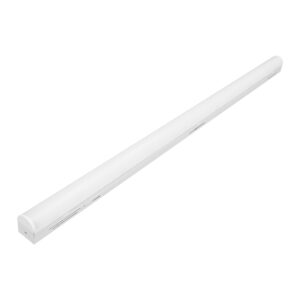
- Direct Replacement LED Tubes: Designed to fit into existing T12 fixtures with minimal modification. These can be ballast-compatible (plug-and-play) or ballast-bypass (direct wire) types.
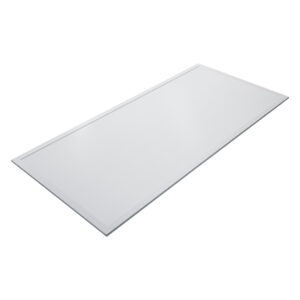
- Complete Fixture Replacement: Replacing the entire fixture with a new LED fixture designed for optimal performance and longevity.
- Hybrid Solutions: Combining retrofit tubes with fixture modifications to improve efficiency and reliability.
Each option has pros and cons regarding installation complexity, cost, performance, and compliance. For example, ballast-compatible LED tubes simplify installation but may have compatibility issues with older or non-standard ballasts. Ballast-bypass tubes eliminate ballast maintenance but require rewiring, which increases labor costs and safety considerations.
Performance Metrics: Lumens, Color Temperature, and CRI
When replacing T12 lamps, it’s crucial to match or improve lighting quality. LED technology offers superior control over key performance metrics:
- Lumens: LEDs provide higher luminous efficacy, meaning more light output per watt consumed compared to T12 fluorescents.
- Color Temperature: LEDs are available in a wide range of color temperatures, from warm white to daylight, allowing customization to suit the application.
- Color Rendering Index (CRI): LEDs typically have higher CRI values, enhancing the appearance of colors and improving visual comfort.
Contractors should carefully select LED products that meet the lighting needs of the space while complying with any client specifications or regulatory requirements.
Electrical and Safety Considerations
Retrofitting T12 fixtures with LED lighting requires attention to electrical safety and code compliance. For ballast-bypass installations, the fixture wiring must be modified to bypass or remove the existing ballast, which involves working with line voltage and ensuring proper grounding and insulation.
Additionally, contractors must verify that LED products are certified by recognized safety organizations such as UL or ETL. Using certified products helps ensure reliability and reduces liability risks.
Financial and Environmental Benefits of LED Retrofits
Energy Savings and Cost Reduction
One of the primary drivers for replacing T12 lamps with LED is energy efficiency. LEDs consume significantly less power—often 40-60% less—while providing equal or better lighting quality. This reduction translates directly into lower utility bills for clients.
Furthermore, LEDs have longer lifespans, typically lasting 50,000 hours or more compared to 7,000-15,000 hours for T12 fluorescents. This longevity reduces maintenance costs and downtime, which is especially valuable in commercial and industrial settings.
Incentives and Rebates
Many utility companies and government programs offer financial incentives for upgrading to energy-efficient lighting. These rebates can substantially offset the upfront costs of LED retrofits, making projects more attractive to clients.
Lighting contractors should stay informed about available incentives in their service areas and assist clients in applying for them. Proper documentation and compliance with rebate program requirements are critical to securing these benefits.
Environmental Impact and Sustainability Goals
Replacing T12 lamps with LEDs contributes to reducing greenhouse gas emissions by lowering energy consumption. LEDs also eliminate the use of mercury, a hazardous material present in fluorescent lamps, simplifying disposal and minimizing environmental risks.
For clients with sustainability goals or certifications such as LEED, LED retrofits can help achieve points related to energy efficiency and indoor environmental quality.
Best Practices for Lighting Contractors in T12 to LED Retrofits
Conducting a Thorough Site Assessment
Before recommending a retrofit solution, contractors should perform a detailed assessment of the existing lighting system. This includes evaluating fixture types, ballast conditions, wiring, lighting levels, and client needs.
A comprehensive assessment helps identify potential challenges, such as incompatible ballasts or difficult-to-access fixtures, and informs the selection of the most appropriate LED products and retrofit methods.
Educating Clients on Compliance and Benefits
Many clients may not be fully aware of the regulatory landscape or the advantages of LED lighting. Contractors play a key role in educating clients about compliance requirements, potential energy savings, maintenance benefits, and environmental impacts.
Providing clear, data-driven information helps build trust and supports informed decision-making, increasing the likelihood of project approval and satisfaction.
Ensuring Proper Installation and Documentation
Proper installation is critical to achieving the expected performance and compliance outcomes. Contractors should follow manufacturer guidelines, adhere to electrical codes, and implement quality control measures.
Additionally, maintaining thorough documentation—including product specifications, installation records, and compliance certifications—is essential for warranty claims, rebate applications, and future maintenance.
Staying Updated on Industry Trends and Regulations
The lighting industry is continually evolving, with new technologies, standards, and regulations emerging regularly. Contractors should invest in ongoing education and professional development to stay current and competitive.
Participating in industry associations, attending training sessions, and subscribing to relevant publications can provide valuable insights and networking opportunities.
Conclusion: Navigating the Transition with Confidence
Replacing T12 fluorescent lamps with LED lighting is no longer optional but a necessary step for compliance, energy efficiency, and sustainability. For lighting contractors, mastering the technical, regulatory, and financial aspects of this transition is critical to delivering successful projects and maintaining a competitive edge.
By understanding the regulatory environment, selecting appropriate retrofit solutions, educating clients, and ensuring quality installation, contractors can confidently guide clients through the upgrade process. The result is enhanced lighting performance, reduced operational costs, and a positive environmental impact—benefits that resonate with clients and communities alike.
Get Your Premium LED Solutions at LumenWholesale
Ready to take the next step in upgrading to LED lighting? At LumenWholesale, we provide lighting contractors with the highest quality, spec-grade LED products at the most competitive wholesale prices. Say goodbye to local distributor markups and hello to our extensive selection that meets rigorous industry standards. With free shipping on bulk orders, you can stock up on reliable, high-performance lighting solutions that will make your retrofit projects shine. Don’t compromise on quality or value—choose LumenWholesale for the perfect fusion of affordability and excellence. Wholesale Lighting at the Best Value is just a click away.