Understanding the Role of Motion Sensors in Security Lighting
Security lighting has evolved significantly over the years, becoming a critical component in both residential and commercial lighting designs. Among the various technologies incorporated into modern security lighting, motion sensors stand out as a game-changer. These devices detect movement within a specified range and trigger lights to illuminate, providing an effective deterrent against intruders while enhancing safety for occupants and visitors.
For lighting contractors, integrating motion sensors into security lighting designs offers a strategic advantage. Not only do they improve the functionality of lighting systems, but they also contribute to energy efficiency and user convenience. Understanding how motion sensors work and their benefits is essential for creating lighting solutions that meet client expectations and regulatory standards.
How Motion Sensors Work
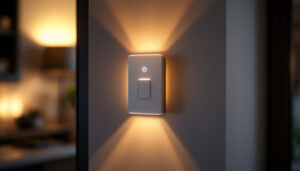
Motion sensors primarily operate using infrared technology, detecting heat emitted by moving objects such as people or animals. When the sensor perceives a change in infrared energy within its detection zone, it activates the connected lighting fixture. Some advanced sensors combine infrared detection with microwave or ultrasonic technologies to reduce false triggers and improve accuracy.
The sensitivity and range of motion sensors can be adjusted to suit specific environments, ensuring that lights activate only when necessary. This customization is vital for tailoring security lighting to different property layouts and usage patterns. Moreover, many modern motion sensors are equipped with timers and dimming features, allowing lights to remain on for a predetermined duration after activation, thus providing additional convenience and energy savings.
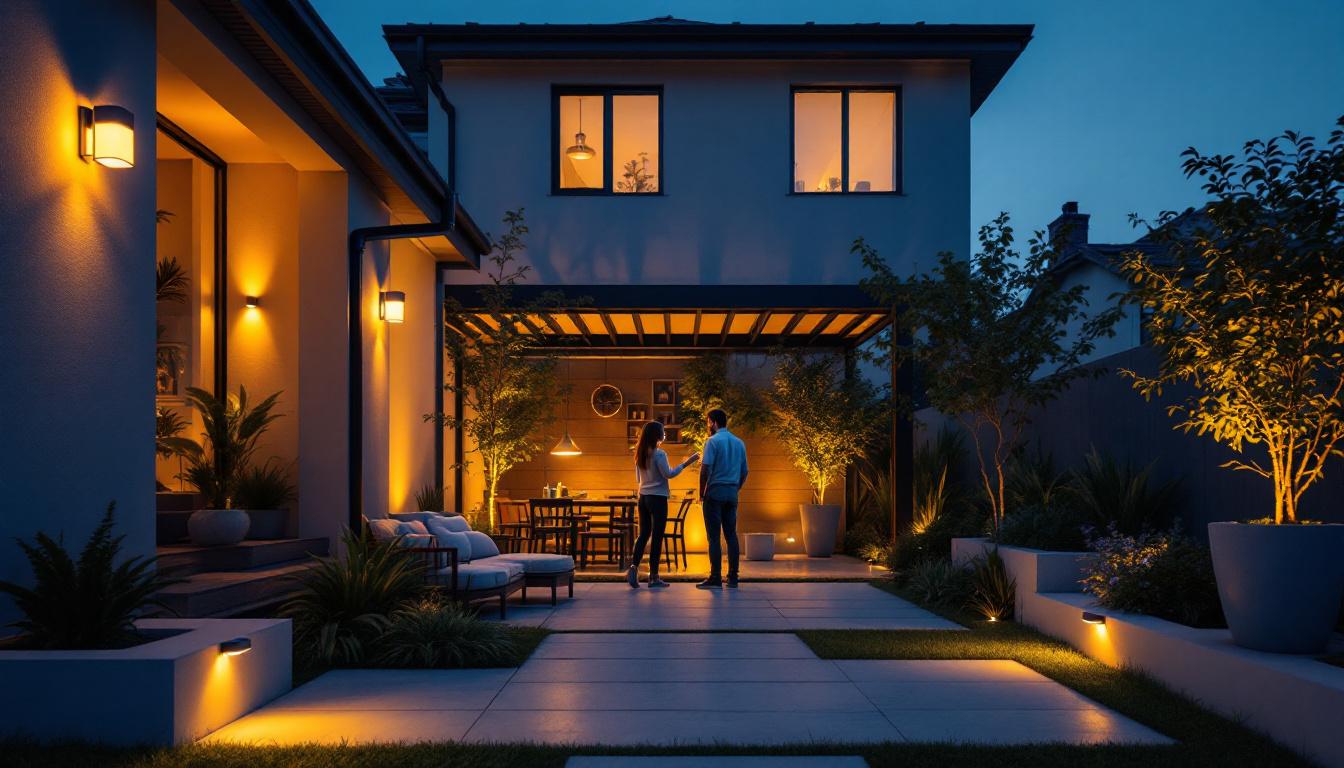
In addition to their functional benefits, motion sensors also play a significant role in enhancing the overall security strategy of a property. By illuminating dark areas and pathways, they not only deter potential intruders but also increase visibility for residents and guests, reducing the risk of accidents. Furthermore, the presence of motion-activated lights can create a sense of vigilance, making it clear that the property is monitored and cared for. This psychological aspect can be particularly important in neighborhoods where crime rates may be a concern, as well-lit areas are less attractive to would-be criminals.
Benefits of Incorporating Motion Sensors in Security Lighting Designs
Motion sensor technology brings multiple benefits that enhance the overall effectiveness and appeal of security lighting installations. These advantages are particularly relevant for lighting contractors aiming to deliver superior solutions that balance performance, cost, and sustainability.
Enhanced Security and Crime Prevention
One of the primary reasons for installing security lighting with motion sensors is to deter criminal activity. Sudden illumination triggered by motion can startle potential intruders, drawing attention to their presence and reducing the likelihood of theft or vandalism. Studies have shown that well-lit areas with motion-activated lights experience fewer break-ins compared to poorly lit or unlit spaces.
Moreover, motion sensor lighting improves visibility for surveillance cameras, increasing the chances of capturing clear footage of suspicious activity. This dual benefit strengthens the security infrastructure of any property.
Energy Efficiency and Cost Savings
Traditional security lighting systems often remain on throughout the night, leading to unnecessary energy consumption and higher utility bills. Motion sensors address this issue by ensuring that lights are only activated when movement is detected, significantly reducing operating hours.
For lighting contractors, promoting energy-efficient solutions aligns with growing client demand for sustainable and cost-effective designs. Utilizing motion sensors can contribute to achieving green building certifications and compliance with energy codes, making installations more attractive to environmentally conscious clients.
Extended Lifespan of Lighting Fixtures
Reducing the amount of time lights are on directly impacts the longevity of bulbs and fixtures. Motion sensor-controlled lighting minimizes wear and tear, decreasing the frequency of replacements and maintenance visits. This benefit not only lowers long-term costs for property owners but also enhances the reputation of contractors who provide durable, low-maintenance solutions.
Design Considerations for Effective Motion Sensor Security Lighting
Successful integration of motion sensors into security lighting requires careful planning and design. Lighting contractors must consider various factors to optimize sensor performance and ensure client satisfaction.
Placement and Coverage
Proper placement of motion sensors is crucial to maximize detection coverage while minimizing false activations. Sensors should be positioned to cover entry points, walkways, driveways, and other vulnerable areas without being triggered by irrelevant movements such as passing vehicles or wildlife.
Contractors should assess the environment for potential obstructions like trees or walls that could block the sensor’s field of view. Additionally, mounting height and angle must be adjusted according to manufacturer guidelines to achieve optimal detection zones.
Adjusting Sensitivity and Timing Settings
Most motion sensors allow customization of sensitivity levels and lighting duration after activation. Setting sensitivity too high may result in frequent false alarms, while too low a setting could cause missed detections. Contractors should calibrate these parameters based on site-specific conditions and client preferences.
Timing settings determine how long the light stays on once triggered. Balancing this duration is important to conserve energy while maintaining adequate illumination for safety and security.
Integration with Other Security Systems
Modern security lighting can be integrated with broader security infrastructure, including alarm systems, surveillance cameras, and smart home automation platforms. Motion sensors can serve as triggers for multiple devices, enhancing overall security responsiveness.
Lighting contractors should collaborate with security specialists to design cohesive systems that leverage motion sensor data effectively. This integration can add value to the lighting installation and provide clients with comprehensive protection solutions.
Choosing the Right Motion Sensor Technology
Not all motion sensors are created equal. Selecting the appropriate sensor type depends on the specific application, environmental conditions, and client requirements.
Passive Infrared (PIR) Sensors
PIR sensors are the most common type used in security lighting. They detect changes in infrared radiation caused by moving heat sources. PIR sensors are cost-effective, reliable, and suitable for most outdoor lighting applications.
However, they can be sensitive to temperature fluctuations and may have limited detection range in certain conditions.
Microwave Sensors
Microwave sensors emit electromagnetic waves and detect movement based on the reflection of these waves off moving objects. They offer greater sensitivity and longer detection ranges than PIR sensors and can detect motion through certain materials like glass or thin walls.
The downside is that microwave sensors are more expensive and prone to false triggers from non-human movement, such as swaying branches.
Dual-Technology Sensors
Combining PIR and microwave technologies, dual-technology sensors require both sensors to detect motion before activating lights. This approach reduces false alarms and improves detection accuracy, making it ideal for high-security or complex environments.
While dual-technology sensors come at a higher cost, their performance benefits often justify the investment in critical applications.
Installation Best Practices for Lighting Contractors
Proper installation is key to unlocking the full potential of motion sensor security lighting. Lighting contractors should follow industry best practices to ensure reliable operation and client satisfaction.
Site Assessment and Planning
Before installation, conduct a thorough site assessment to identify key areas requiring illumination and potential obstacles. Understanding the property layout, traffic patterns, and environmental factors will guide sensor placement and selection.
Consulting with clients about their security concerns and preferences helps tailor the design to their needs.
Wiring and Power Supply Considerations
Ensure that wiring complies with local electrical codes and is protected from weather and physical damage. For outdoor installations, use weatherproof fixtures and connectors to enhance durability.
Consider power supply options such as solar-powered sensors for remote locations or areas where running electrical wiring is challenging. Solar solutions also contribute to sustainability goals.
Testing and Calibration
After installation, thoroughly test the motion sensors under various conditions to verify detection accuracy and lighting response. Adjust sensitivity, range, and timing settings as necessary to optimize performance.
Providing clients with instructions on sensor operation and maintenance can prevent future issues and reduce service calls.
Future Trends in Security Lighting and Motion Sensor Technology
The field of security lighting continues to advance, driven by innovations in sensor technology and smart home integration. Lighting contractors should stay informed about emerging trends to offer cutting-edge solutions.
Smart Sensors and IoT Integration
Next-generation motion sensors are increasingly connected to the Internet of Things (IoT), enabling remote monitoring and control via smartphones and cloud platforms. These smart sensors can adapt to environmental changes, learn user behavior, and integrate with other smart devices for enhanced security management.
Such capabilities provide clients with greater convenience and real-time security insights.
Adaptive Lighting and AI
Artificial intelligence (AI) is being incorporated into security lighting systems to analyze sensor data and optimize lighting patterns dynamically. Adaptive lighting can adjust brightness and activation based on factors like time of day, weather conditions, and occupancy patterns, further improving energy efficiency and security effectiveness.
Advancements in Sensor Accuracy and Range
Ongoing research aims to improve sensor sensitivity and reduce false alarms through advanced algorithms and sensor fusion techniques. Enhanced detection capabilities will allow lighting contractors to design systems that are both highly responsive and user-friendly.
Conclusion: Elevating Lighting Designs with Motion Sensor Technology
Incorporating motion sensors into security lighting designs is no longer optional but a necessity for delivering modern, effective, and sustainable lighting solutions. For lighting contractors, mastering the selection, design, and installation of motion sensor lighting systems opens opportunities to meet evolving client demands and regulatory requirements.
By understanding the technology, benefits, and best practices outlined in this article, contractors can create lighting designs that not only enhance security but also promote energy efficiency, reduce maintenance costs, and integrate seamlessly with broader security infrastructures. Embracing motion sensor technology is the secret to better lighting designs that stand the test of time.
Illuminate Your Projects with LumenWholesale
Ready to transform your lighting designs with the latest motion sensor technology? At LumenWholesale, we provide lighting contractors with the high-quality, spec-grade lighting products you need to stay ahead of the curve. Enjoy unbeatable wholesale prices and an extensive selection that meets the highest industry standards. Say goodbye to inflated markups and hello to hassle-free bulk buying with free shipping. Elevate your security lighting projects with products that promise quality, affordability, and convenience. Take the first step towards better lighting designs and discover our wholesale lighting at the best value today.