Understanding Lumens: The Foundation of Effective Bathroom Lighting
For lighting contractors, mastering the concept of lumens is essential when designing and installing bathroom lighting solutions. Lumens measure the total amount of visible light emitted by a source, serving as a critical metric to ensure that spaces are illuminated appropriately. Unlike watts, which indicate energy consumption, lumens provide a direct measure of brightness, allowing contractors to tailor lighting to the specific needs of a bathroom environment.
Bathrooms present unique lighting challenges due to their multifunctional nature. They require bright, clear illumination for tasks such as shaving or applying makeup, while also benefiting from softer, ambient lighting for relaxation. Understanding lumens enables contractors to balance these needs effectively, ensuring both functionality and comfort. Additionally, the choice of color temperature, measured in Kelvins, plays a significant role in how light is perceived in a bathroom. For instance, cooler light temperatures can enhance visibility for grooming tasks, while warmer tones create a cozy atmosphere for unwinding after a long day.
Why Lumens Matter More Than Watts in Bathroom Lighting
Historically, watts were used as a proxy for brightness, but with the rise of energy-efficient lighting technologies like LEDs, this approach has become outdated. A 10-watt LED bulb can produce the same lumens as a 60-watt incandescent bulb, making wattage an unreliable indicator of brightness. Lighting contractors who focus on lumens rather than watts can better specify fixtures that deliver the right amount of light without wasting energy. This shift not only promotes sustainability but also aligns with modern design principles that emphasize efficiency without compromising aesthetics.
In bathrooms, where precision lighting is vital, relying on lumens ensures that contractors meet client expectations for brightness and energy efficiency. This knowledge also helps in complying with building codes and energy standards, which increasingly emphasize lumen output and energy consumption. Furthermore, the strategic placement of fixtures can enhance the overall design of the bathroom. For example, installing sconces on either side of a mirror can provide even lighting that reduces shadows, making everyday tasks easier and more enjoyable. By taking into account both lumens and fixture placement, contractors can create a well-lit, inviting space that caters to the diverse needs of bathroom users.
Optimal Lumens Levels for Different Bathroom Zones
Bathrooms consist of various zones, each requiring different lighting intensities. Lighting contractors must understand these distinctions to create balanced and effective lighting schemes.
General Ambient Lighting
Ambient lighting provides overall illumination, ensuring safe navigation and a comfortable environment. For most bathrooms, a lumen range of 1,500 to 3,000 lumens is recommended, depending on the size and natural light availability. Larger bathrooms or those with minimal natural light may require higher lumen outputs to avoid dark spots and shadows.
Ceiling-mounted fixtures, recessed lights, or flush mounts are commonly used to deliver ambient light. Lighting contractors should select fixtures that distribute light evenly to prevent glare and enhance the room’s atmosphere. Additionally, dimmable options can be beneficial, allowing homeowners to adjust the brightness according to the time of day or activity, creating a more versatile space. Incorporating smart lighting systems can further enhance this flexibility, enabling users to control their bathroom lighting through mobile apps or voice commands, adding a modern touch to functionality.
Task Lighting Around Mirrors and Vanities
Task lighting is crucial in areas where precision is required, such as around mirrors. Proper illumination reduces shadows on the face, which is vital for grooming activities. Lighting contractors typically recommend 4,000 to 8,000 lumens for vanity areas, depending on fixture placement and mirror size.
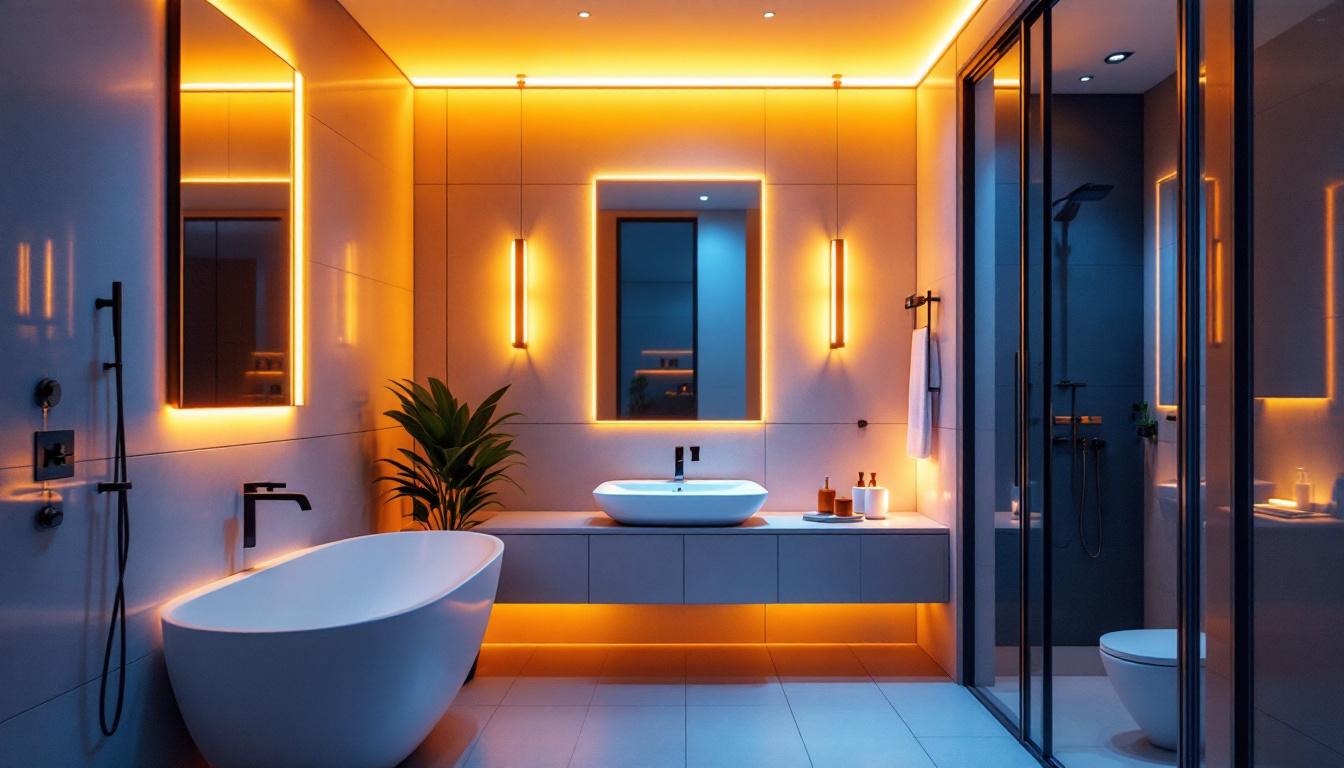
Vertical lighting on either side of the mirror or integrated LED strips can provide even, shadow-free light. The color temperature should be in the range of 3,000 to 4,000 Kelvin to mimic natural daylight, enhancing color accuracy for makeup application and shaving. Furthermore, considering the height at which mirrors are installed is essential; lighting should be positioned at eye level to maximize effectiveness. For those who enjoy a spa-like experience, incorporating adjustable lighting that can shift from bright task lighting to softer hues can create a relaxing atmosphere during bath time or self-care routines.
Accent and Decorative Lighting
Accent lighting highlights architectural features or decorative elements, contributing to the bathroom’s aesthetic appeal. While not a primary source of illumination, accent lighting typically requires lower lumen levels, around 300 to 500 lumens per fixture.
Lighting contractors can use LED spotlights or wall sconces to create visual interest and depth. This layer of lighting adds sophistication and can be controlled separately to adjust mood and ambiance. Additionally, incorporating backlighting behind mirrors or under floating vanities can create a stunning visual effect that enhances the overall design. Using colored LED lights for accent features can also allow homeowners to personalize their space, setting different moods for relaxation or energizing starts to the day. By thoughtfully integrating these lighting elements, contractors can transform a standard bathroom into a stylish retreat that reflects the homeowner’s unique taste and lifestyle.
Energy Efficiency and Lumens: Balancing Brightness with Sustainability
Energy efficiency is a top priority for both contractors and clients. Understanding lumens allows lighting contractors to specify fixtures that provide adequate brightness while minimizing energy consumption. This balance is crucial not only for reducing energy costs but also for contributing to a more sustainable future. As awareness of climate change and environmental responsibility grows, the demand for energy-efficient lighting solutions continues to rise, making it essential for contractors to stay informed about the latest technologies and practices in the industry.
Choosing LED Fixtures for Maximum Efficiency
LED technology has revolutionized bathroom lighting by offering high lumen output at low wattage. For example, an LED fixture producing 1,600 lumens may consume only 15 watts, compared to a 100-watt incandescent bulb delivering similar brightness. This efficiency translates into lower utility bills and reduced environmental impact. Furthermore, LED fixtures are available in a variety of styles and color temperatures, allowing homeowners to select options that best fit their aesthetic preferences while still benefiting from energy savings.
Lighting contractors should prioritize LED fixtures with high lumen-per-watt ratios and long lifespans. This approach not only satisfies client demands for sustainability but also reduces maintenance costs over time. Additionally, it’s important to educate clients about the longevity of LED lights, which can last up to 25,000 hours or more, significantly outlasting traditional bulbs. This durability means fewer replacements and less waste, aligning perfectly with eco-friendly practices that many consumers are now seeking.
Incorporating Dimmers and Smart Controls
Integrating dimmers and smart lighting controls enhances energy savings by allowing users to adjust brightness according to their needs. Dimming reduces energy consumption and extends the life of LED fixtures. For instance, when lights are dimmed to 50% brightness, energy usage can drop by as much as 20%, showcasing the potential for significant savings over time. This flexibility not only caters to different activities—whether it’s bright lighting for tasks or softer lighting for relaxation—but also empowers users to take control of their energy consumption.
Smart controls can automate lighting schedules, respond to occupancy, and adjust color temperature throughout the day, optimizing both energy use and user comfort. Lighting contractors who offer these solutions position themselves as forward-thinking professionals attuned to modern client preferences. The integration of smart technology also opens up opportunities for additional features, such as voice control and remote access via smartphone apps, making it easier than ever for homeowners to manage their lighting efficiently. As the trend towards smart homes continues to grow, offering these advanced solutions can set contractors apart in a competitive market.
Challenges Lighting Contractors Face with Lumens in Bathroom Projects
Despite its importance, specifying the correct lumens for bathroom lighting can be challenging. Lighting contractors must navigate several factors to achieve optimal results.
Dealing with Reflective Surfaces and Glare
Bathrooms often feature reflective surfaces such as mirrors, tiles, and glass, which can cause glare and uneven lighting. Excessive lumens without proper fixture selection and placement may exacerbate these issues.
Contractors need to consider fixture design, beam angles, and diffuser types to minimize glare. Using multiple light sources with appropriate lumen outputs rather than a single high-lumen fixture can create a more balanced and comfortable environment.
Meeting Client Expectations and Code Requirements
Clients may have varying expectations regarding brightness and ambiance, sometimes influenced by trends or personal preferences. Lighting contractors must educate clients on the importance of lumen levels and guide them toward practical choices that meet both aesthetic and functional needs.
Additionally, local building codes and energy regulations may specify minimum or maximum lumen outputs for bathroom lighting. Staying informed about these requirements ensures compliance and avoids costly rework.
Best Practices for Lighting Contractors to Optimize Bathroom Lumens
To excel in bathroom lighting projects, contractors should adopt a strategic approach that combines technical knowledge with client communication.
Conducting a Thorough Lighting Assessment
Before installation, contractors should perform a detailed assessment of the bathroom’s size, layout, natural light sources, and intended use. This evaluation informs lumen requirements and fixture selection.
Using lighting design software or lumen calculators can help predict lighting performance and identify potential issues such as shadows or glare. This proactive step enhances accuracy and client satisfaction.
Educating Clients on Lumens and Lighting Quality
Clients often focus on fixture style or wattage rather than lumen output and color temperature. Lighting contractors who explain these concepts in accessible terms empower clients to make informed decisions.
Demonstrating sample fixtures or providing visual simulations can illustrate how different lumen levels affect the bathroom’s appearance and usability, fostering trust and collaboration.
Specifying Fixtures with Adjustable Lumens and Color Temperatures
Offering fixtures with adjustable lumen outputs and tunable white light allows clients to customize their bathroom lighting. This flexibility accommodates changing needs and preferences over time.
Lighting contractors can recommend products with dimming capabilities and color temperature controls, enhancing the bathroom’s versatility and user experience.
Conclusion: Lumens as a Critical Metric for Lighting Contractors
For lighting contractors, understanding and applying the concept of lumens is fundamental to delivering high-quality bathroom lighting solutions. Lumens provide a precise measure of brightness that informs fixture selection, placement, and energy efficiency strategies.
By tailoring lumen levels to the specific zones within a bathroom, contractors can create environments that are both functional and inviting. Embracing energy-efficient technologies and smart controls further enhances the value offered to clients.
Ultimately, a deep knowledge of lumens empowers lighting contractors to meet client expectations, comply with regulations, and contribute to sustainable building practices. This expertise distinguishes professionals in a competitive market and drives successful project outcomes.
Illuminate Your Projects with LumenWholesale
Ready to elevate your bathroom lighting projects with the precision of lumens? At LumenWholesale, we provide lighting contractors with the highest quality, spec-grade lighting products at unbeatable wholesale prices. Say goodbye to local distributor markups and hello to a vast selection of reliable, high-performance lighting that meets the most rigorous industry standards. With free shipping on bulk orders, you can stock up on premium lighting solutions at the best value — all without hidden fees or compromises. Don’t just meet client expectations—exceed them with the quality, affordability, and convenience of Wholesale Lighting at the Best Value from LumenWholesale.