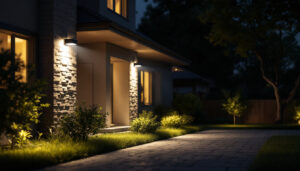
Introduction to LED Parking Lights
In the evolving landscape of outdoor lighting, LED parking lights have emerged as a transformative solution for energy efficiency, durability, and cost-effectiveness. For lighting contractors, understanding the nuances of LED technology in parking applications is essential to delivering superior results that meet client expectations and regulatory standards.
Parking lots and garages are critical areas requiring reliable illumination for safety, security, and aesthetic appeal. Traditional lighting methods, such as high-pressure sodium or metal halide lamps, have served these spaces for decades but come with drawbacks including high energy consumption, frequent maintenance, and shorter lifespans. LED parking lights address these concerns, offering a sustainable alternative that aligns with modern energy codes and sustainability goals.
One of the most significant advantages of LED parking lights is their impressive lifespan, often exceeding 50,000 hours compared to the 15,000 hours typical of traditional lighting solutions. This longevity not only reduces the frequency of replacements but also minimizes the associated labor costs and downtime for parking facilities. Furthermore, LEDs operate at a fraction of the energy consumption of their predecessors, translating into substantial savings on electricity bills. As municipalities and private enterprises increasingly prioritize sustainability, the shift to LED technology is not merely a trend but a necessary evolution in responsible facility management.
Moreover, the versatility of LED parking lights allows for various designs and configurations to suit different environments and needs. From pole-mounted fixtures to wall packs and floodlights, LEDs can be tailored to provide optimal illumination for various parking layouts. Advanced features such as motion sensors and dimming capabilities further enhance their functionality, ensuring that lights are only active when needed, thus conserving energy. Additionally, the crisp, bright light emitted by LEDs improves visibility, which can deter criminal activity and enhance the overall safety of patrons. As the demand for smarter, more efficient lighting solutions continues to grow, LED technology stands at the forefront, promising a brighter future for parking facilities everywhere.
Why LED Parking Lights Are Revolutionizing Outdoor Lighting
Energy Efficiency and Cost Savings
One of the most compelling reasons to switch to LED parking lights is their remarkable energy efficiency. LEDs consume up to 75% less energy compared to conventional lighting technologies. This reduction in energy use translates into significant cost savings on utility bills, a critical consideration for commercial property owners and municipalities managing large parking areas.
Moreover, LEDs provide directional lighting, which means they emit light in a specific direction rather than scattering it. This characteristic reduces wasted light and enhances the overall illumination quality, allowing for lower wattage fixtures without compromising brightness. The energy savings not only benefit the bottom line but also contribute to a smaller carbon footprint, making LED lighting an environmentally friendly choice that aligns with sustainability goals. As cities and businesses strive to meet green initiatives, the adoption of LED technology becomes a pivotal step towards reducing overall energy consumption and promoting eco-conscious practices.
Longevity and Reduced Maintenance
LED parking lights typically boast lifespans exceeding 50,000 hours, far surpassing traditional lamps that often require replacement every few years. This longevity reduces maintenance frequency and costs, an important factor for contractors and facility managers aiming to minimize operational disruptions and labor expenses. The extended lifespan of LEDs means that fewer replacements are needed, which not only saves money but also reduces the environmental impact associated with manufacturing and disposing of lighting products.
Durability is another advantage; LEDs are solid-state devices less prone to damage from vibrations or impacts, making them ideal for outdoor environments subject to weather and physical stress. Additionally, many LED fixtures are designed with weather-resistant materials and features, ensuring they can withstand harsh conditions such as rain, snow, and extreme temperatures. This resilience further decreases the likelihood of outages and maintenance calls, allowing property managers to focus on other pressing tasks rather than worrying about lighting failures.
Improved Lighting Quality and Safety
LEDs offer superior color rendering and uniform illumination, enhancing visibility in parking areas. Improved lighting quality contributes to heightened safety for pedestrians and drivers by reducing shadows and dark spots where accidents or criminal activities could occur. The crisp, bright light emitted by LEDs not only makes it easier to navigate parking lots but also helps in identifying potential hazards or suspicious activities, fostering a safer environment for all users.
Additionally, LEDs can be integrated with smart controls such as dimming, motion sensors, and adaptive lighting systems, allowing for dynamic lighting that responds to real-time conditions and further reduces energy waste. These smart systems can adjust brightness based on the time of day or the presence of vehicles and pedestrians, ensuring that lighting is always optimal without unnecessary energy consumption. This level of adaptability not only enhances safety but also improves the overall user experience, as well-lit areas create a welcoming atmosphere that encourages usage and deters negative behavior.
Key Considerations for Selecting LED Parking Lights
Understanding Photometric Requirements
Proper lighting design begins with understanding the photometric needs of the parking area. This includes determining the required illuminance levels, uniformity ratios, and glare control to ensure compliance with standards such as those outlined by the Illuminating Engineering Society (IES).
LED fixtures come with detailed photometric data, enabling contractors to model lighting layouts accurately. Selecting fixtures with appropriate beam angles and lumen outputs tailored to the specific parking lot size and configuration is crucial for optimal performance.
Fixture Types and Mounting Options
LED parking lights are available in various fixture types, including pole-mounted luminaires, wall packs, and canopy lights. Each type serves different functional and aesthetic purposes. For example, pole-mounted fixtures are common in open parking lots, while canopy lights are suited for covered areas such as garages or gas stations.
Mounting height and spacing must be carefully planned to achieve uniform illumination and avoid over-lighting or dark zones. Adjustable mounting brackets and modular fixture designs offer flexibility during installation and future upgrades.
Environmental and Regulatory Compliance
Many jurisdictions enforce lighting ordinances to reduce light pollution and energy consumption. LED parking lights can be selected to meet these requirements, including cutoff fixtures that minimize skyglow and glare.
Additionally, choosing fixtures with appropriate ingress protection (IP) ratings ensures resistance to dust and moisture, critical for outdoor durability. Compliance with safety certifications such as UL or DLC also assures quality and eligibility for utility rebates.
Installation Best Practices for LED Parking Lights
Site Assessment and Preparation
Before installation, a thorough site assessment is essential. This involves evaluating existing electrical infrastructure, pole conditions, and environmental factors such as prevailing winds and exposure to elements.
Proper preparation minimizes installation challenges and ensures that the new LED system integrates seamlessly with the site’s electrical network and control systems.
Wiring and Electrical Considerations
LED parking lights typically operate on low-voltage DC or standard AC power, but it is important to verify compatibility with existing circuits. Contractors should ensure that wiring meets local electrical codes and that surge protection is in place to safeguard sensitive LED drivers.
Incorporating smart controls during installation, such as photocells or occupancy sensors, can maximize energy savings and extend fixture life.
Testing and Commissioning
After installation, comprehensive testing is critical to confirm that all fixtures function correctly and meet design specifications. This includes verifying light levels, uniformity, and control system responsiveness.
Documenting the commissioning process provides a valuable reference for future maintenance and helps demonstrate compliance with project requirements.
Case Studies Demonstrating the Impact of LED Parking Lights
Municipal Parking Lot Retrofit
A mid-sized city undertook a retrofit of its municipal parking lots, replacing outdated metal halide fixtures with LED luminaires. The project resulted in a 60% reduction in energy consumption and a 70% decrease in maintenance costs due to fewer lamp replacements and longer fixture life.
Enhanced lighting quality improved public perception of safety, contributing to increased nighttime use of the parking facilities and a positive impact on local businesses.
Commercial Retail Center Upgrade
A large retail center integrated LED parking lights with smart controls, including dimming schedules and motion-activated lighting. This approach reduced energy usage by nearly 65% while maintaining optimal illumination during peak hours.
The flexibility of the LED system allowed for future scalability and integration with broader building management systems, showcasing the adaptability of LED technology in commercial settings.
Emerging Trends and Future Outlook
Integration with Smart City Infrastructure
LED parking lights are increasingly becoming components of smart city initiatives, where interconnected lighting systems provide data analytics, adaptive lighting, and enhanced public safety features. Lighting contractors should be prepared to work with IoT-enabled fixtures and advanced control platforms.
Advancements in LED Technology
Ongoing innovations in LED chip efficiency, thermal management, and optics continue to improve the performance and affordability of LED parking lights. New materials and manufacturing techniques are pushing the boundaries of lumen output and color quality, enabling more creative and effective lighting designs.
Sustainability and Environmental Impact
As sustainability remains a priority, LED parking lights contribute significantly to reducing carbon footprints. Their recyclability and lower environmental impact compared to traditional lighting solutions align with corporate social responsibility goals and green building certifications.
Conclusion
For lighting contractors, mastering the application of LED parking lights is essential in delivering energy-efficient, durable, and high-quality lighting solutions. The benefits of LEDs—from substantial energy savings and reduced maintenance to improved safety and compliance—make them the preferred choice for modern parking lot illumination.
Staying informed about design best practices, installation techniques, and emerging technologies will empower contractors to provide value-driven solutions that meet the evolving needs of clients and communities.
Illuminate Your Projects with LumenWholesale
Ready to elevate your lighting projects with the most efficient LED parking lights on the market? Look no further than LumenWholesale, where we offer the finest spec-grade lighting products at unbeatable wholesale prices. Say goodbye to local distributor markups and hello to top-quality lighting that meets the highest industry standards. With free shipping on bulk orders, LumenWholesale is your go-to source for premium lighting solutions that blend quality, affordability, and convenience seamlessly. Don’t miss out on the best value for your lighting needs. Visit Wholesale Lighting at the Best Value today and light up your projects with confidence.