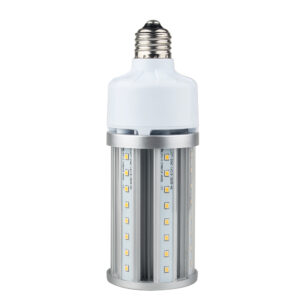
In the ever-evolving world of lighting design and installation, lighting contractors play a crucial role in bringing visions to life. With advancements in technology and a growing emphasis on energy efficiency, contractors must stay informed and adaptable. This article provides essential tips and insights for lighting contractors to enhance their skills, improve client satisfaction, and ultimately master the art of lighting.
Understanding the Basics of Lighting Design
Before diving into complex projects, it is imperative for lighting contractors to have a solid grasp of the fundamental principles of lighting design. This foundational knowledge not only aids in effective project execution but also enhances communication with clients and other stakeholders. A well-informed contractor can better navigate the nuances of a project, ensuring that every detail aligns with the client’s vision and functional requirements.
The Importance of Light Quality
Light quality encompasses various aspects, including color temperature, color rendering index (CRI), and brightness. Understanding these elements allows contractors to select the appropriate fixtures and bulbs for different environments. For instance, a warm color temperature can create a cozy atmosphere in residential settings, while cooler temperatures might be more suitable for commercial spaces. Additionally, the choice of light quality can significantly influence mood and productivity; studies have shown that well-lit environments can enhance focus and reduce eye strain, making it crucial for contractors to consider the psychological effects of lighting.
Moreover, the CRI measures how accurately a light source displays colors compared to natural light. A higher CRI is essential in spaces where color accuracy is critical, such as art galleries or retail stores. By prioritizing light quality, contractors can ensure that their installations meet the aesthetic and functional needs of their clients. Furthermore, the advent of LED technology has revolutionized the lighting industry, offering options that not only provide high CRI but also consume less energy, thereby aligning with sustainability goals that many clients now prioritize.
Types of Lighting
Lighting can be broadly categorized into three types: ambient, task, and accent lighting. Ambient lighting provides overall illumination, task lighting focuses on specific areas for activities, and accent lighting highlights particular features or objects. A successful lighting design often incorporates all three types to create a balanced and functional space. Understanding the interplay between these types is essential for achieving a harmonious design that caters to both aesthetics and utility.
Contractors should assess the specific needs of each project to determine the right mix of lighting types. For example, a home office may require bright task lighting for work tasks, complemented by softer ambient lighting for relaxation. Additionally, accent lighting can be strategically placed to draw attention to artwork or architectural features, adding depth and interest to the overall design. Understanding these distinctions is vital for delivering customized solutions that exceed client expectations. Moreover, incorporating smart lighting technologies can further enhance the functionality of these lighting types, allowing clients to adjust brightness and color temperature with ease, thus adapting their environments to suit different activities or moods throughout the day.
Staying Updated with Industry Trends
The lighting industry is constantly evolving, with new technologies, designs, and regulations emerging regularly. Lighting contractors must stay informed about the latest trends to remain competitive and provide clients with the best options available.
Embracing Smart Lighting Technology
Smart lighting systems have gained popularity due to their convenience and energy efficiency. These systems allow users to control their lighting remotely, adjust brightness levels, and even change color temperatures through smartphone applications or voice commands. As a contractor, familiarity with smart lighting technology can set you apart from competitors and appeal to tech-savvy clients.
Integrating smart lighting solutions into projects can also enhance energy savings, as many systems are designed to optimize energy consumption. Educating clients about the benefits of smart lighting can lead to more informed decisions and increased satisfaction with the final outcome.
Energy Efficiency and Sustainability
With growing concerns about climate change and energy consumption, sustainability has become a key focus in the lighting industry. Contractors should be well-versed in energy-efficient lighting options, such as LED fixtures and solar-powered lighting. These solutions not only reduce energy costs for clients but also contribute to a greener environment.
In addition to product knowledge, understanding local regulations and incentives related to energy efficiency can provide contractors with an edge. Many regions offer rebates or tax incentives for energy-efficient upgrades, which can be a selling point for clients considering lighting renovations.
Effective Communication with Clients
Strong communication skills are essential for lighting contractors to ensure successful project outcomes. From the initial consultation to project completion, clear and open dialogue fosters trust and collaboration.
Conducting Thorough Consultations
During the consultation phase, contractors should take the time to understand the client’s vision, needs, and budget. Asking open-ended questions can encourage clients to share their preferences and ideas, allowing contractors to tailor their proposals accordingly. Additionally, providing visual aids, such as mood boards or lighting simulations, can help clients visualize the final result.
Listening actively to client feedback and concerns is equally important. Addressing any issues promptly and professionally can prevent misunderstandings and ensure a smoother project flow.
Setting Realistic Expectations
Setting realistic expectations regarding project timelines, costs, and potential challenges is crucial for maintaining client satisfaction. Contractors should provide detailed estimates and timelines, outlining each phase of the project. Transparency in communication helps clients feel informed and involved in the process.
Furthermore, discussing potential obstacles upfront, such as permitting issues or supply chain delays, can prepare clients for any unexpected changes. By managing expectations effectively, contractors can build strong relationships and encourage repeat business.
Enhancing Technical Skills
As technology continues to advance, lighting contractors must continuously enhance their technical skills. This ongoing education not only improves installation quality but also boosts confidence when tackling complex projects.
Investing in Training and Certifications
Participating in training programs and obtaining relevant certifications can significantly enhance a contractor’s credibility and expertise. Many organizations offer specialized courses in lighting design, energy efficiency, and smart technology integration. These credentials can set contractors apart in a competitive market and instill confidence in clients.
Additionally, staying updated with manufacturer training on new products and installation techniques ensures that contractors are well-equipped to handle the latest innovations in the industry.
Utilizing Design Software
Design software has revolutionized the way lighting contractors plan and visualize projects. Familiarity with tools such as CAD (Computer-Aided Design) and lighting design software can streamline the design process and improve accuracy. These programs allow contractors to create detailed layouts, simulate lighting effects, and present professional proposals to clients.
Investing time in learning these tools can enhance project efficiency and elevate the overall quality of work. As clients increasingly expect high-level visuals and presentations, proficiency in design software becomes a valuable asset.
Building a Strong Network
Networking is a powerful tool for lighting contractors, providing opportunities for collaboration, referrals, and professional growth. Building relationships with other industry professionals can lead to fruitful partnerships and new business opportunities.
Collaborating with Architects and Designers
Establishing connections with architects and interior designers can lead to collaborative projects where lighting plays a pivotal role. By working together, contractors can ensure that lighting solutions complement the overall design vision, resulting in cohesive and aesthetically pleasing spaces.
Regular communication with these professionals can also lead to referrals, as they often recommend trusted contractors to their clients. Building a reputation for reliability and quality work can enhance visibility within the industry.
Participating in Industry Events
Attending industry trade shows, conferences, and workshops provides valuable opportunities for networking and learning. These events often feature the latest trends, products, and technologies, allowing contractors to stay informed and connected with peers.
Engaging in discussions with other professionals can spark new ideas and inspire innovative approaches to lighting design. Additionally, these gatherings can help contractors establish their presence in the industry and attract potential clients.
Prioritizing Safety and Compliance
Safety should always be a top priority for lighting contractors. Ensuring compliance with local codes and regulations is essential for protecting both the contractor and the client.
Understanding Local Regulations
Each region has specific electrical codes and regulations that govern lighting installations. Contractors must familiarize themselves with these requirements to ensure that all work is compliant. This knowledge not only prevents potential legal issues but also enhances the contractor’s reputation as a knowledgeable and responsible professional.
Regularly reviewing local codes and staying updated on any changes is crucial for maintaining compliance. Engaging with local building authorities can provide valuable insights into upcoming regulations and best practices.
Implementing Safety Protocols
Establishing and adhering to safety protocols is vital for protecting workers and clients during installations. This includes providing proper training for employees, using appropriate personal protective equipment (PPE), and following safe work practices.
Conducting regular safety audits and addressing any potential hazards can create a safer work environment. By prioritizing safety, contractors not only protect themselves but also build trust with clients who value professionalism and responsibility.
Conclusion: Mastering the Art of Lighting
Lighting contractors play a vital role in shaping the environments we inhabit. By mastering the principles of lighting design, staying updated with industry trends, enhancing communication skills, and prioritizing safety, contractors can elevate their work and exceed client expectations.
Investing in ongoing education, building a strong network, and embracing new technologies will ensure that lighting contractors remain at the forefront of the industry. As the demand for innovative and sustainable lighting solutions continues to grow, those who adapt and excel will thrive in this dynamic field.
Ultimately, mastering the art of lighting is not just about technical skills; it is about understanding the impact of light on our lives and creating spaces that inspire and uplift. With dedication and a commitment to excellence, lighting contractors can illuminate the path to success.
Illuminate Your Projects with LumenWholesale
Ready to take your lighting projects to the next level? At LumenWholesale, we provide lighting contractors like you with the highest quality, spec-grade lighting products at prices that can’t be beaten. Say goodbye to local distributor markups and hello to a vast selection of reliable, high-performance lighting that meets the strictest industry standards. Plus, with free shipping on bulk orders, you can stock up on premium lighting solutions without worrying about hidden fees or compromises. Elevate your lighting game and experience the unbeatable value and convenience that LumenWholesale offers. Start browsing our collection now and find the perfect lighting for your next project at the best value. Wholesale Lighting at the Best Value.