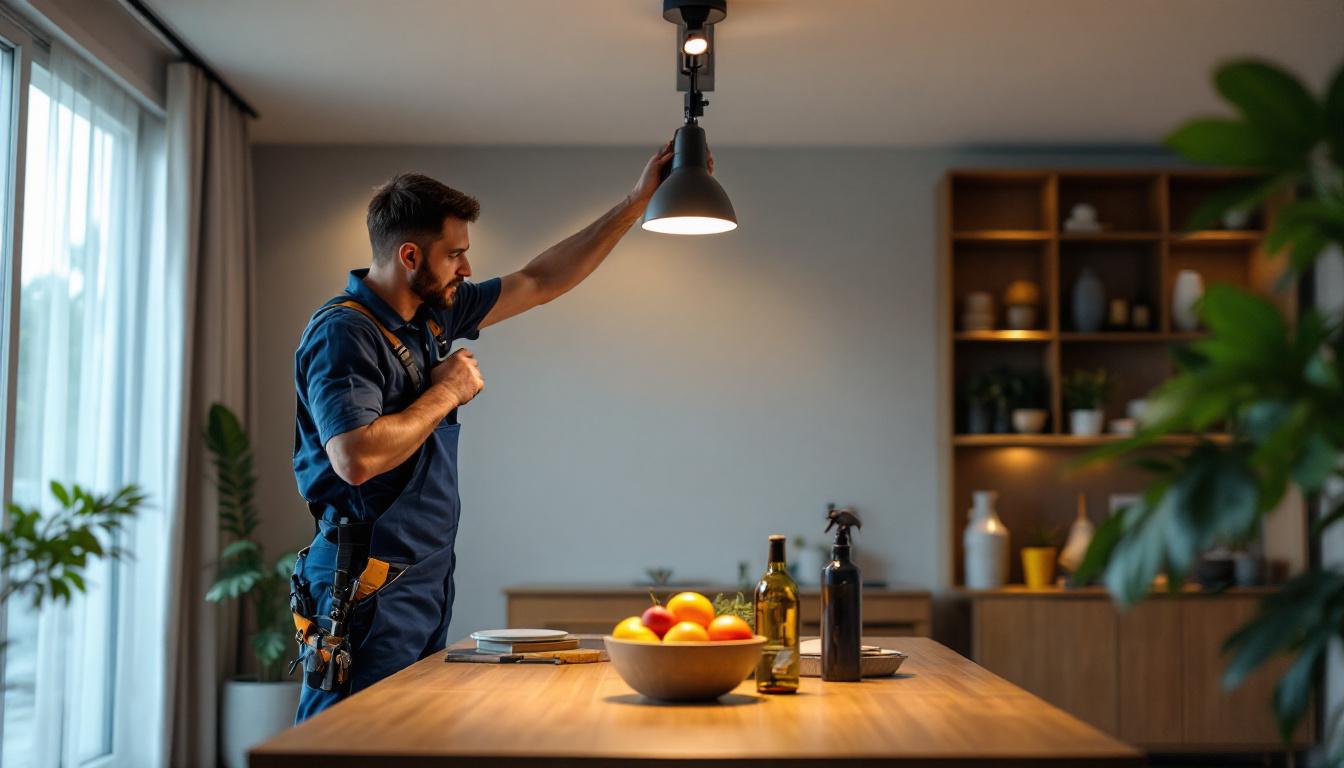
Introduction to Wall-Mounted Lighting Trends
Wall-mounted lighting has evolved significantly beyond its traditional role of simply illuminating spaces. For lighting contractors, understanding the latest trends in wall-mounted fixtures is essential not only to meet client expectations but also to stay competitive in a rapidly changing market. These trends reflect advances in technology, shifts in design aesthetics, and growing demands for energy efficiency and smart home integration.
In this article, lighting contractors will discover key trends shaping the wall-mounted lighting industry, from innovative fixture designs to cutting-edge control systems. Embracing these developments can enhance project outcomes, improve client satisfaction, and open new business opportunities.
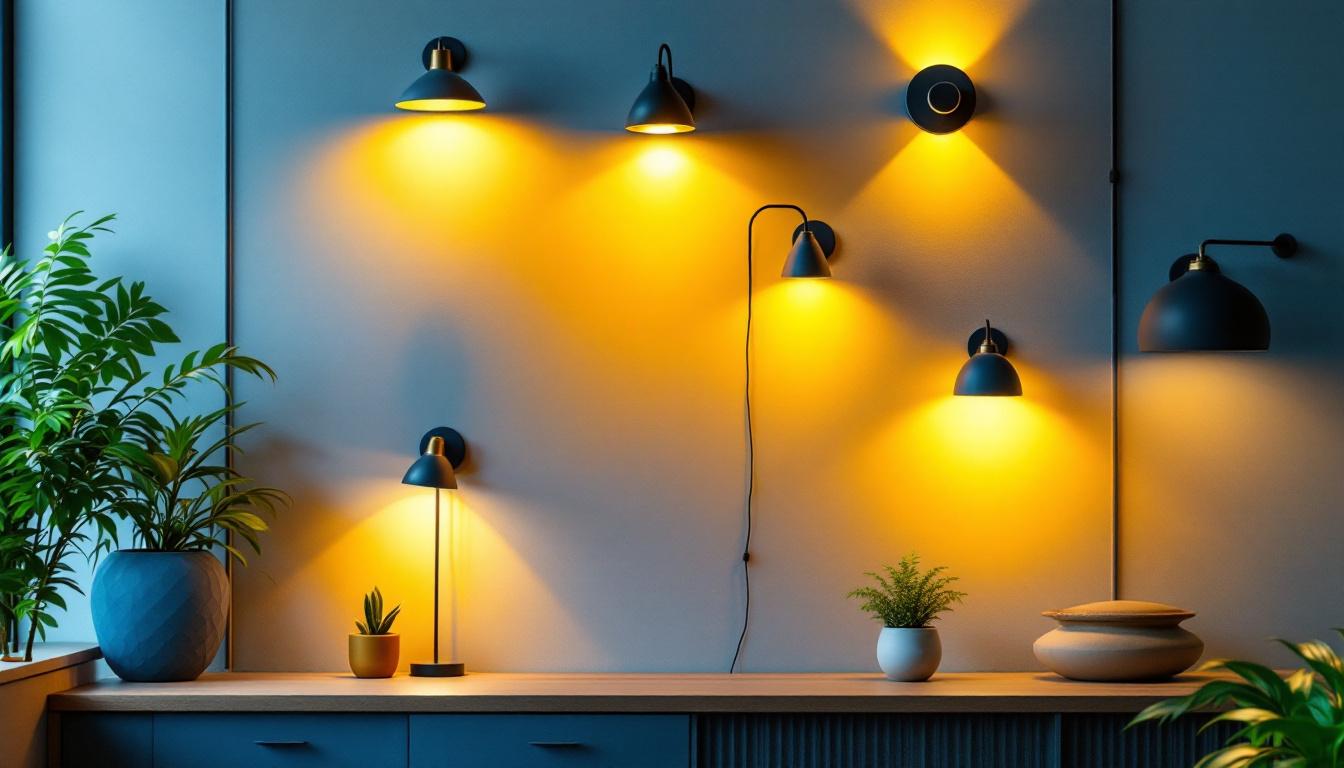
One of the most notable trends in wall-mounted lighting is the rise of minimalist designs that focus on clean lines and unobtrusive aesthetics. This trend caters to modern interior design preferences, where less is often more. Fixtures are being crafted from materials like brushed metals and frosted glass, which not only provide a sleek look but also diffuse light in a way that creates a warm and inviting atmosphere. Additionally, these minimalist designs often incorporate adjustable features, allowing clients to customize the angle and intensity of light, further enhancing the functionality of the space.
Another significant development is the integration of smart technology into wall-mounted lighting solutions. With the increasing popularity of smart homes, lighting contractors are now tasked with offering solutions that can be controlled via mobile apps or voice-activated devices. This includes features such as dimming capabilities, color temperature adjustments, and even programmable schedules that adapt to the homeowner’s lifestyle. Such advancements not only improve energy efficiency but also provide an enhanced user experience, making it easier for clients to create the perfect ambiance for any occasion.
Modern Design Aesthetics in Wall-Mounted Lighting
Minimalism and Clean Lines
One of the most prominent trends in wall-mounted lighting is the move toward minimalism. Clean lines, simple geometric shapes, and understated finishes characterize many contemporary fixtures. This aesthetic complements modern architectural styles and appeals to clients seeking a sleek, uncluttered look.
Lighting contractors should familiarize themselves with fixtures made from materials like brushed aluminum, matte black metals, and frosted glass. These materials not only contribute to the minimalist appeal but also offer durability and ease of maintenance. The use of LED technology further enhances this trend, allowing for slim profiles and energy efficiency without sacrificing brightness. This integration of advanced lighting technology with minimalist design principles creates a harmonious balance that resonates with eco-conscious consumers.
Mixed Materials and Textures
While minimalism dominates, there is also a growing interest in combining different materials and textures to create visual interest. For example, wall sconces that blend metal with natural wood accents or incorporate fabric shades are gaining popularity. These designs add warmth and character to spaces, making them suitable for residential and hospitality projects.
Contractors can advise clients on selecting fixtures that balance modernity with tactile richness, enhancing the overall ambiance of a room. The juxtaposition of hard and soft materials not only creates a striking visual contrast but also invites touch, encouraging a more intimate connection with the space. Furthermore, incorporating elements such as woven textiles or artisanal ceramics can evoke a sense of craftsmanship, appealing to those who value unique, handcrafted designs in their interiors.
Statement Fixtures as Art Pieces
Wall-mounted lights are increasingly viewed as decorative elements or art pieces rather than purely functional items. Oversized sconces, sculptural forms, and fixtures with intricate detailing serve as focal points in interior design.
Lighting contractors should be prepared to install and integrate these statement pieces, which often require precise placement and coordination with other design elements. Collaborating closely with interior designers can ensure seamless integration. Additionally, the trend of customization allows clients to choose colors, finishes, and even shapes that reflect their personal style. This bespoke approach not only elevates the aesthetic appeal but also transforms lighting into a form of self-expression, making each installation a unique statement that resonates with the inhabitants of the space.
Technological Advancements Impacting Wall-Mounted Lighting
LED Technology and Energy Efficiency
LED lighting remains the cornerstone of modern wall-mounted fixtures due to its superior energy efficiency, longevity, and versatility. Advances in LED technology have enabled the development of ultra-thin profiles and customizable color temperatures, allowing for more creative and functional lighting solutions.
For lighting contractors, recommending LED fixtures can help clients reduce energy consumption and maintenance costs. Additionally, understanding the nuances of LED drivers, dimming compatibility, and heat dissipation is crucial for ensuring optimal performance and longevity. The lifespan of LED bulbs can exceed 25,000 hours, significantly outpacing traditional incandescent and fluorescent options, which means fewer replacements and less waste. This longevity not only benefits the environment but also translates into substantial savings for homeowners and businesses alike.
Smart Lighting Integration
The integration of smart technology into wall-mounted lighting is transforming how spaces are illuminated and controlled. Features such as voice activation, app-based control, and automated scheduling are becoming standard expectations among tech-savvy clients.
Contractors should stay informed about popular smart lighting platforms and protocols like Zigbee, Z-Wave, and Wi-Fi-enabled systems. Offering expertise in installing and configuring these systems adds value and positions contractors as forward-thinking professionals. Moreover, the ability to create personalized lighting scenes tailored to specific activities—such as reading, entertaining, or relaxing—can greatly enhance the user experience. As more homeowners seek seamless integration of lighting with other smart home devices, contractors who can provide comprehensive solutions will find themselves in high demand.
Human-Centric Lighting
Human-centric lighting (HCL) focuses on adjusting light intensity and color temperature to support human circadian rhythms and well-being. Wall-mounted fixtures equipped with tunable white LEDs can shift from warm to cool tones throughout the day, enhancing comfort and productivity.
Lighting contractors can differentiate their services by educating clients on the benefits of HCL and incorporating these fixtures into residential, office, and healthcare environments. Research has shown that proper lighting can improve mood, increase focus, and even boost overall health. In workplaces, for instance, HCL can lead to higher employee satisfaction and reduced absenteeism, while in healthcare settings, it can aid in patient recovery by mimicking natural daylight patterns. By promoting these advantages, contractors can position themselves as not just installers, but as integral partners in enhancing the quality of life through thoughtful lighting design.
Functional Innovations and Practical Considerations
Adjustability and Directional Lighting
Modern wall-mounted lights often feature adjustable arms, swivels, or rotatable heads, allowing users to direct light precisely where it is needed. This flexibility is especially valuable in task lighting applications such as reading nooks, workspaces, and galleries. For instance, in a cozy reading corner, a lamp with an adjustable arm can be positioned to eliminate shadows on the pages of a book, enhancing the reading experience significantly. Similarly, in art galleries, directional lighting can highlight specific pieces, drawing attention to the textures and colors that might otherwise go unnoticed.
Contractors should prioritize fixtures with ergonomic designs that facilitate easy adjustment without compromising aesthetic appeal. Proper installation techniques are also crucial to ensure stability and safety. It is important to consider the weight and balance of the fixtures, as well as the type of wall they are mounted on, to prevent accidents. Furthermore, integrating smart technology into these fixtures can provide users with the ability to control brightness and color temperature remotely, making the lighting not only functional but also customizable to suit different moods and activities.
Outdoor and Weather-Resistant Fixtures
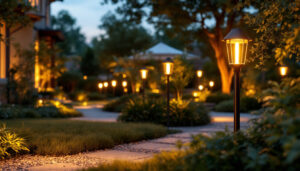
With increasing demand for outdoor living spaces, wall-mounted lighting designed for exterior use has become a significant trend. Weather-resistant materials, sealed enclosures, and corrosion-resistant finishes are essential features for these fixtures. These outdoor lights not only enhance the beauty of patios and gardens but also improve safety by illuminating pathways and entryways. For example, strategically placed wall-mounted lights can guide guests safely to the front door while creating an inviting atmosphere for evening gatherings.
Lighting contractors must be knowledgeable about appropriate IP ratings and local electrical codes to ensure safe and durable outdoor installations. Additionally, incorporating energy-efficient and solar-powered options can appeal to environmentally conscious clients. The use of LED technology in outdoor fixtures not only reduces energy consumption but also extends the lifespan of the lights, minimizing maintenance costs. Moreover, integrating motion sensors can enhance security while providing convenience, as lights can automatically illuminate when someone approaches, ensuring that outdoor spaces remain both functional and welcoming.
Integration with Architectural Elements
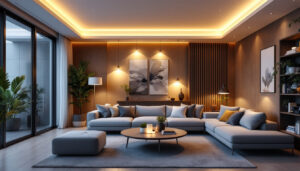
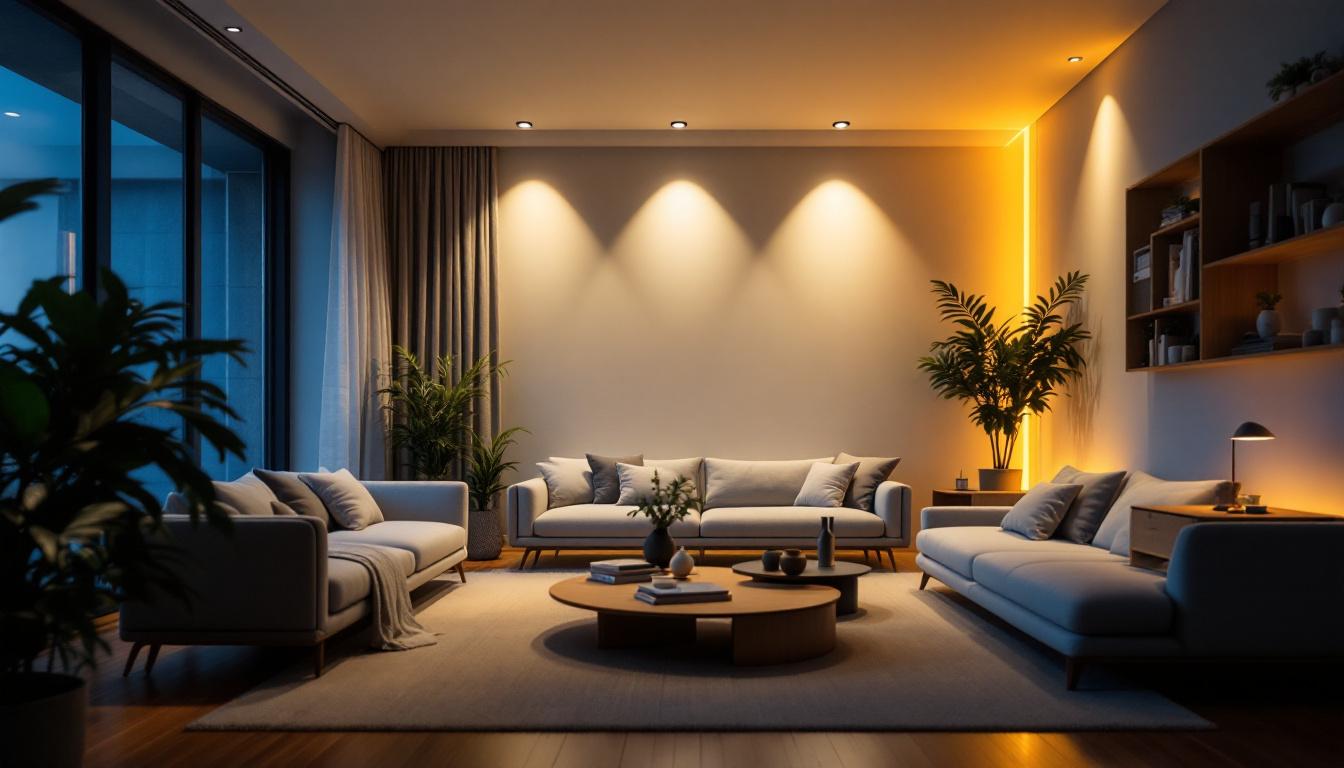
Wall-mounted lighting is increasingly being integrated seamlessly into architectural elements such as niches, staircases, and textured walls. Recessed or semi-recessed fixtures that blend into the wall surface create subtle illumination effects and enhance spatial perception. This design approach not only maximizes the use of space but also contributes to a clean and modern aesthetic, allowing the architecture itself to shine without distraction. For example, lights embedded in staircases can provide safety while accentuating the architectural lines of the home.
Contractors should collaborate with architects and builders early in the project to plan for wiring, mounting, and fixture placement that aligns with the architectural vision. This collaboration can lead to innovative solutions, such as using lighting to highlight unique features like vaulted ceilings or textured wall surfaces. Additionally, the strategic placement of wall-mounted lights can create dynamic shadows and patterns, adding depth and interest to otherwise flat surfaces. By considering the interplay of light and architecture, contractors can help create spaces that are not only functional but also visually stunning, enhancing the overall experience of the environment.
Market and Client Expectations
Customization and Bespoke Solutions
Clients are seeking more personalized lighting solutions that reflect their unique tastes and functional needs. Customizable wall-mounted fixtures, including options for finishes, sizes, and lighting effects, are increasingly in demand.
Lighting contractors who can facilitate bespoke solutions—whether through partnerships with manufacturers or in-house customization—can capture a niche market segment and command premium pricing.
Sustainability and Eco-Friendly Practices
Sustainability is no longer optional but a key consideration for many clients. Wall-mounted lighting products that use recyclable materials, low-impact manufacturing processes, and energy-saving technologies are preferred.
Contractors should highlight eco-friendly options during consultations and demonstrate their commitment to sustainable practices, which can enhance reputation and client loyalty.
Compliance and Safety Standards
Adhering to evolving electrical codes and safety standards is critical for lighting contractors. Wall-mounted lighting installations must comply with regulations regarding wiring, grounding, and fixture ratings to ensure occupant safety.
Staying updated on local and national standards, as well as manufacturer installation guidelines, protects contractors from liability and ensures high-quality workmanship.
Conclusion: Embracing Trends for Business Growth
For lighting contractors, staying abreast of trends in wall-mounted lighting is more than a matter of aesthetics—it is a strategic imperative. By understanding modern design preferences, leveraging technological innovations, and addressing practical installation considerations, contractors can deliver superior solutions that delight clients and differentiate their services.
Investing time in continuous education, building relationships with designers and manufacturers, and adopting sustainable practices will position lighting contractors for success in an evolving marketplace. Wall-mounted lighting, with its blend of form and function, offers abundant opportunities to innovate and grow.
Illuminate Your Projects with LumenWholesale
Ready to elevate your lighting projects with the latest trends and top-quality products? Look no further than LumenWholesale. Our extensive selection of spec-grade lighting solutions is designed to meet the needs of modern contractors, providing the perfect blend of form, function, and cutting-edge technology. With unbeatable wholesale prices and free shipping on bulk orders, you can ensure your projects shine without breaking the bank. Don’t compromise on quality or value—discover wholesale lighting at the best value today and light up your business growth with LumenWholesale.