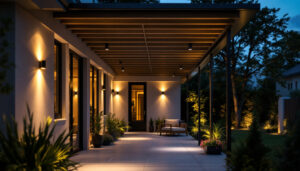
Understanding the Rise of LED Outdoor Lighting
LED outdoor lighting has transformed the landscape of exterior illumination, offering unparalleled advantages over traditional lighting technologies. For lighting contractors, embracing LED solutions is not merely a trend but a strategic move that aligns with energy efficiency, longevity, and enhanced design flexibility.
The shift towards LED outdoor fixtures is driven by their superior energy efficiency, often consuming up to 75% less power than incandescent or halogen bulbs. This translates into significant cost savings for clients, a compelling selling point for contractors. Moreover, LEDs boast a longer operational life, frequently exceeding 50,000 hours, reducing maintenance demands and replacement frequency.
Beyond efficiency, LED technology provides superior light quality with options for various color temperatures and beam angles, enabling precise control over illumination. This versatility is crucial for outdoor applications, where lighting must balance functionality, aesthetics, and safety.
In addition to these benefits, the environmental impact of LED lighting cannot be overstated. As cities and municipalities strive to reduce their carbon footprints, the adoption of LED technology plays a pivotal role in achieving sustainability goals. LEDs contain no hazardous materials like mercury, which is commonly found in traditional bulbs, and they are 100% recyclable. This eco-friendly aspect appeals not only to environmentally conscious consumers but also to contractors looking to position themselves as leaders in sustainable practices.
Furthermore, the integration of smart technology with LED outdoor lighting is revolutionizing how we approach exterior illumination. Smart LEDs can be programmed for various functions, such as dimming, color changing, or even syncing with motion sensors for enhanced security. This level of control allows homeowners and businesses to tailor their lighting to specific needs, whether it’s creating an inviting atmosphere for outdoor gatherings or ensuring safety during late-night hours. As the demand for smart home technologies continues to rise, contractors who offer LED solutions with smart capabilities will find themselves at the forefront of the industry, catering to a tech-savvy clientele eager for innovation.
Key Considerations for Smart LED Outdoor Lighting Installations
Assessing Site-Specific Requirements
Every outdoor lighting project presents unique challenges and opportunities. A thorough site assessment is essential to determine the optimal LED fixtures, placement, and control systems. Factors such as ambient light levels, architectural features, landscape elements, and security needs must be evaluated.
For instance, in residential settings, contractors might prioritize warm color temperatures and subtle illumination to enhance curb appeal without causing light pollution. In contrast, commercial or municipal projects often require brighter, more uniform lighting with integrated smart controls for energy management and safety. Furthermore, considerations such as the proximity to neighboring properties and local regulations regarding light trespass can significantly influence design choices. Understanding the specific needs of the area, including pedestrian traffic patterns and potential wildlife impacts, can also guide the selection of fixtures and their placement.
Choosing the Right Fixtures and Components
Selecting high-quality LED fixtures designed for outdoor environments is critical. Fixtures should have appropriate ingress protection (IP) ratings to withstand weather conditions, such as rain, dust, and temperature fluctuations. Typically, an IP65 rating or higher is recommended for most exterior applications.
Additionally, contractors must consider fixture materials and finishes to ensure durability and resistance to corrosion. Aluminum housings with powder-coated finishes are common choices, balancing robustness with aesthetic appeal. Beyond materials, the choice of optics and beam angles can greatly influence the effectiveness of the lighting. For example, narrow beam angles may be ideal for accentuating architectural features, while wider beams can provide general illumination for pathways and parking areas. The integration of energy-efficient drivers and heat management systems is also crucial, as these components can prolong the lifespan of LED fixtures and enhance overall performance.
Integrating Smart Controls and Automation
Smart lighting controls elevate LED outdoor installations by enabling dynamic management of lighting levels, schedules, and responses to environmental cues. Contractors should be adept at integrating sensors, timers, dimmers, and wireless communication protocols such as Zigbee, Z-Wave, or Wi-Fi.
For example, motion sensors can trigger lights only when activity is detected, enhancing security while conserving energy. Photocells enable automatic adjustment based on ambient light, ensuring illumination is provided only when necessary. Moreover, centralized control systems allow property managers or homeowners to customize lighting scenes remotely via mobile apps. This level of automation not only improves convenience but also supports sustainability initiatives by allowing users to monitor energy consumption in real-time. Additionally, the ability to create programmable schedules can help optimize lighting based on seasonal changes or special events, ensuring that outdoor spaces are always well-lit and inviting while minimizing energy waste.
Design Strategies for Effective LED Outdoor Lighting
Balancing Aesthetics and Functionality
Effective outdoor lighting design requires a harmonious balance between aesthetics and functionality. Lighting contractors must collaborate closely with architects, landscape designers, and clients to develop plans that highlight architectural features, enhance landscape textures, and ensure safety.
Layered lighting techniques, combining ambient, accent, and task lighting, can create depth and interest. For instance, pathway lights improve navigation, while uplights accentuate trees or building facades. Using LEDs with adjustable beam angles and color temperatures allows contractors to tailor effects precisely. Additionally, integrating smart lighting controls can elevate the user experience, enabling homeowners to adjust settings based on their preferences or the time of day. This flexibility not only enhances the visual appeal but also contributes to energy efficiency, as lights can be dimmed or turned off when not needed.
Minimizing Light Pollution and Environmental Impact
With growing awareness of light pollution’s ecological consequences, smart lighting contractors must adopt responsible design practices. This includes using fully shielded fixtures to direct light downward, selecting appropriate brightness levels, and employing timers or sensors to limit unnecessary illumination.
Such practices not only protect nocturnal wildlife and preserve night sky visibility but also align with increasingly stringent regulations and community standards. Demonstrating expertise in eco-friendly lighting solutions can differentiate contractors in a competitive market. Furthermore, incorporating solar-powered LED fixtures can greatly reduce reliance on grid electricity, making installations more sustainable. The use of renewable energy sources not only lowers operating costs but also enhances the overall appeal of outdoor spaces, as clients increasingly seek environmentally conscious solutions that contribute to a greener future.
Technical Challenges and Solutions in LED Outdoor Lighting
Addressing Heat Dissipation and Longevity
While LEDs generate less heat than traditional bulbs, managing thermal conditions remains vital to ensure fixture longevity and consistent performance. Lighting contractors should specify fixtures with effective heat sinks and ventilation designs.
Improper heat management can lead to premature LED degradation, color shifting, and reduced luminous efficacy. Therefore, understanding fixture specifications and installation best practices is critical to avoid costly callbacks and maintain client satisfaction.
Ensuring Electrical Safety and Compliance
Outdoor lighting installations must comply with national and local electrical codes, including grounding, circuit protection, and weatherproofing standards. Contractors should verify that all components meet UL or equivalent certifications for outdoor use.
Additionally, integrating smart controls introduces complexity that requires careful planning to prevent interference, ensure reliable communication, and maintain cybersecurity. Staying current with evolving standards and manufacturer guidelines is essential.
Maximizing Client Value Through Smart LED Outdoor Lighting
Energy Savings and Return on Investment
One of the most compelling arguments for LED outdoor lighting is the substantial energy savings it delivers. For clients, this translates into lower utility bills and reduced environmental footprint. Contractors can leverage detailed energy consumption comparisons and lifecycle cost analyses to illustrate these benefits convincingly.
Moreover, the extended lifespan of LED fixtures reduces maintenance costs and downtime, further enhancing return on investment. Smart controls optimize energy use by adapting lighting to actual needs, avoiding wasteful operation.
Enhancing Security and Property Value
Well-designed outdoor lighting improves security by deterring intruders and increasing visibility around entrances, pathways, and perimeters. Smart lighting systems can integrate with security cameras and alarms, providing comprehensive protection solutions.
Additionally, attractive and functional exterior lighting boosts curb appeal and property value. Contractors who demonstrate expertise in creating tailored lighting environments can position themselves as trusted advisors, fostering long-term client relationships.
Emerging Trends and Future Directions in LED Outdoor Lighting
Advancements in Smart Lighting Technologies
The smart lighting landscape continues to evolve rapidly, with innovations such as adaptive lighting systems that respond in real-time to environmental changes, occupancy patterns, and even weather conditions. Integration with Internet of Things (IoT) platforms enables sophisticated data analytics and predictive maintenance.
For contractors, staying informed about these developments and acquiring skills in system integration will be crucial to maintaining a competitive edge and delivering cutting-edge solutions.
Sustainability and Regulatory Drivers
Increasing emphasis on sustainability is shaping the future of outdoor lighting. Governments and municipalities are implementing stricter energy codes and light pollution ordinances, encouraging the adoption of efficient, smart LED systems.
Contractors who proactively incorporate sustainable practices and comply with emerging regulations will not only avoid potential penalties but also enhance their reputation among environmentally conscious clients.
Conclusion: Best Practices for Lighting Contractors
LED outdoor lighting represents a significant opportunity for lighting contractors to deliver superior performance, energy efficiency, and design innovation. Success in this arena requires a comprehensive approach that includes thorough site assessments, careful fixture selection, smart control integration, and adherence to safety and environmental standards.
By embracing emerging technologies and sustainable design principles, contractors can provide clients with valuable solutions that enhance security, aesthetics, and operational cost savings. Continuous education and collaboration with industry partners will ensure that contractors remain at the forefront of this dynamic field.
Illuminate Your Projects with LumenWholesale
Ready to elevate your outdoor lighting projects with the most efficient, innovative, and sustainable solutions? Look no further than LumenWholesale, where we provide lighting contractors with the highest quality, spec-grade LED products at unbeatable wholesale prices. Say goodbye to middleman markups and hello to a vast selection of industry-standard lighting that promises reliability and high performance for any project. With the added convenience of free shipping on bulk orders, LumenWholesale is your go-to source for premium lighting at the best value. Don’t compromise on quality or cost. Wholesale Lighting at the Best Value is just a click away. Experience the LumenWholesale difference today!