Understanding Recessed Canned Lights: Basics and Benefits
Recessed canned lights, often called can lights or downlights, are a staple in modern lighting design. Their sleek, unobtrusive appearance allows them to blend seamlessly into ceilings, providing clean lines and a minimalist aesthetic. For lighting contractors, mastering the nuances of these fixtures is essential, as they are among the most commonly installed lighting solutions in residential and commercial projects.
These lights consist of a housing (the “can”) recessed into the ceiling, a trim that finishes the opening, and the bulb or LED module. The design allows light to be directed downward, creating focused illumination without the bulk of traditional fixtures. This makes them ideal for a variety of applications, from ambient lighting to task lighting in kitchens, offices, and retail spaces.
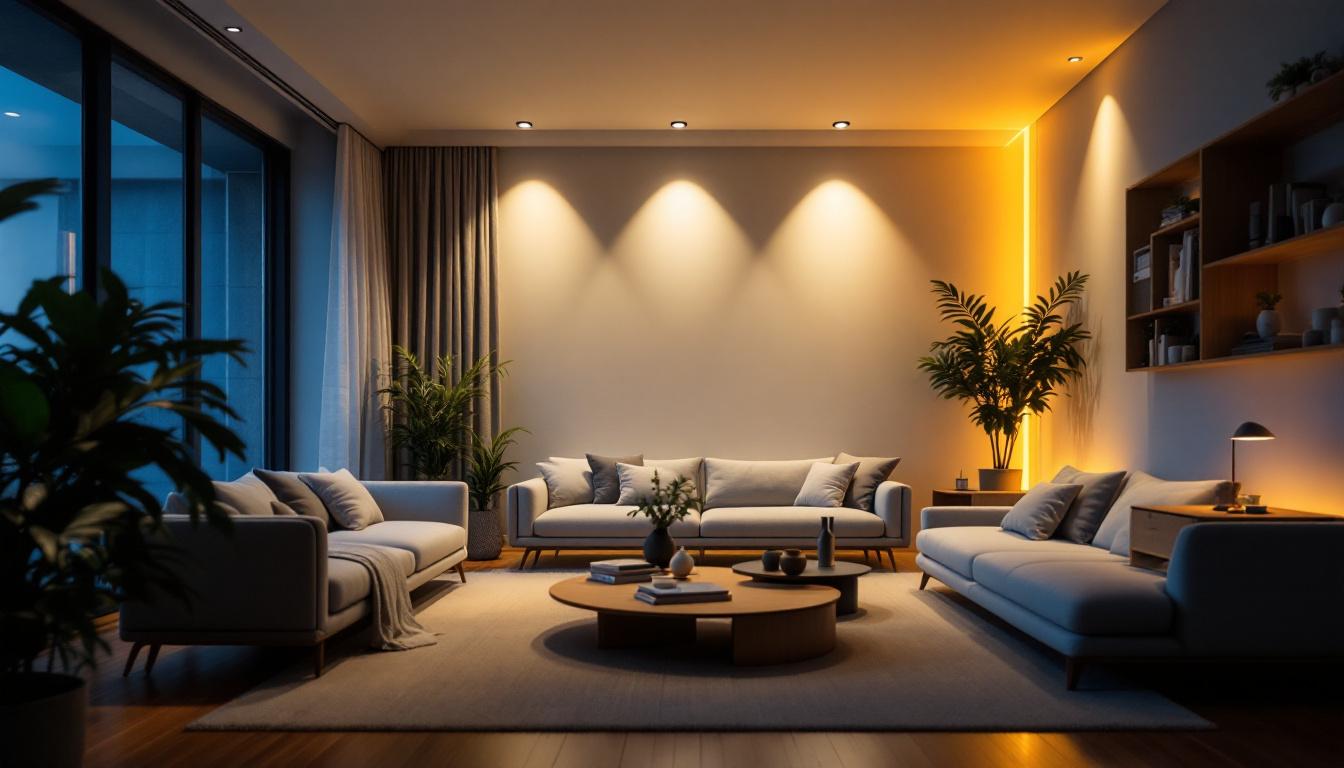
One of the key benefits of recessed canned lights is their versatility. They can be spaced evenly for general lighting or strategically placed to highlight architectural features or artwork. Additionally, their compatibility with dimmers and smart controls enables lighting contractors to offer clients customizable ambiance solutions.
Moreover, recessed canned lights come in various sizes, shapes, and color temperatures, allowing for tailored lighting solutions that cater to specific needs and preferences. For instance, a warm white light can create a cozy atmosphere in living rooms, while cooler tones may be more suitable for workspaces, enhancing focus and productivity. The ability to choose between different beam angles also plays a crucial role in how effectively the light can illuminate a space, whether it’s a narrow beam for highlighting a sculpture or a wider beam for general illumination.
Another significant advantage of these fixtures is their energy efficiency, especially when utilizing LED technology. LED recessed lights consume significantly less power than traditional incandescent bulbs, leading to reduced energy bills and a smaller carbon footprint. Furthermore, their longevity means less frequent replacements, which is a considerable benefit for both homeowners and commercial property managers. As sustainability becomes increasingly important in design and construction, the adoption of energy-efficient lighting solutions like recessed canned lights aligns with eco-friendly practices and contributes to greener building certifications.
Choosing the Right Housing: IC vs. Non-IC and Airtight Options
Selecting the appropriate housing is a critical decision that affects safety, energy efficiency, and installation complexity. The two primary types are IC (Insulation Contact) and Non-IC housings.
IC housings are designed to be installed where insulation is present. They can safely come into direct contact with insulation without risk of overheating. This is crucial in many residential settings where ceilings are insulated to improve energy efficiency. Using a Non-IC housing in these areas can create fire hazards or cause the fixture to overheat, leading to premature failure.
Non-IC housings require a clearance space around the fixture to prevent heat buildup. They are typically used in non-insulated spaces like basements or commercial areas with dropped ceilings. Lighting contractors must assess the ceiling environment carefully before choosing the housing type.
Airtight housings are another important consideration. These housings prevent air leakage between conditioned and unconditioned spaces, helping maintain HVAC efficiency. Many building codes now require airtight fixtures in certain applications. Contractors should verify local regulations and recommend airtight housings where appropriate to help clients reduce energy costs.
Trim Styles and Their Impact on Lighting Design
The trim is the visible part of the recessed light and plays a significant role in both aesthetics and light distribution. Lighting contractors should be familiar with the various trim styles to meet client expectations and functional needs.
Common trim types include baffle, reflector, eyeball, and wall wash. Baffle trims reduce glare by absorbing excess light, making them suitable for general lighting in living rooms or bedrooms. Reflector trims increase brightness and are often used in kitchens or workspaces where higher illumination levels are needed.
Eyeball trims allow the light beam to be directed, perfect for accentuating artwork or architectural details. Wall wash trims distribute light evenly across vertical surfaces, enhancing texture and color in a room. Choosing the right trim can transform the ambiance and effectiveness of the lighting scheme.
Color temperature and finish options also matter. White trims blend into most ceilings, while black or metallic finishes can add contrast or complement specific design themes. Contractors should discuss these options with clients to align with the overall interior design.
LED Technology and Energy Efficiency Considerations
LED recessed canned lights have revolutionized the lighting industry. Compared to traditional incandescent or halogen bulbs, LEDs offer significant energy savings, longer lifespan, and improved color rendering. For lighting contractors, recommending LED solutions is often a win-win: clients benefit from reduced electricity bills and maintenance costs, while contractors enhance their reputation by promoting sustainable choices.
When specifying LED cans, contractors should pay attention to lumen output rather than wattage, as LEDs use far less power for the same brightness. For example, a 10-watt LED can produce the equivalent light of a 60-watt incandescent bulb. This makes it easier to meet energy codes and efficiency standards.
Another factor is color temperature, measured in Kelvins (K). Warm white (2700K-3000K) creates a cozy atmosphere, ideal for living spaces. Neutral white (3500K-4100K) suits work areas, while cool white (5000K+) is preferred for task lighting or commercial environments. Offering clients a range of color temperatures allows for tailored lighting solutions.
Dimming compatibility is also important. Not all LED recessed lights dim smoothly with all dimmer switches. Contractors should select fixtures and dimmers that are tested to work together to avoid flickering or buzzing.
Installation Challenges and Best Practices
Installing recessed canned lights requires precision and attention to detail. Unlike surface-mounted fixtures, these lights are integrated into the ceiling structure, which can present unique challenges.
One common issue is ensuring proper ceiling clearance. Contractors must verify the depth of the housing fits within the joist space and that insulation or other obstructions won’t interfere. In retrofit installations, cutting the ceiling hole accurately is crucial to avoid gaps or damage to drywall.
Wiring must comply with electrical codes, including securing cables and using appropriate connectors. For IC housings, maintaining insulation integrity around the fixture is essential to prevent heat buildup and energy loss.
Contractors should also consider accessibility for future maintenance. Some recessed lights come with removable trims and bulbs, while others are sealed units. Planning for easy replacement can save time and costs down the line.
Safety is paramount. All installations should be performed with power off, and fixtures must be rated for the environment-wet or damp location ratings are necessary for bathrooms or outdoor soffits.
Code Compliance and Industry Standards
Lighting contractors must stay current with building codes and standards that govern recessed lighting installations. These regulations ensure safety, energy efficiency, and performance.
For example, the National Electrical Code (NEC) outlines requirements for wiring methods, fixture ratings, and installation practices. Local amendments may impose additional rules, such as mandatory use of airtight housings or specific insulation clearances.
Energy codes, like those based on the International Energy Conservation Code (IECC), often require high-efficiency lighting solutions, including LED fixtures and controls such as occupancy sensors or dimmers. Failure to comply can result in failed inspections and costly rework.
Contractors should also be aware of certification programs like ENERGY STAR, which identify products that meet stringent efficiency and quality criteria. Specifying certified fixtures can simplify code compliance and provide clients with confidence in their lighting investment.
Client Communication: Setting Expectations and Offering Solutions
Effective communication with clients is a cornerstone of successful lighting projects. Lighting contractors must translate technical details into clear, understandable information that helps clients make informed decisions.
Discussing the advantages and limitations of recessed canned lights upfront prevents misunderstandings. For instance, clients may expect these fixtures to provide dramatic lighting effects, but recessed lights typically offer subtle, ambient illumination unless paired with accent or task lighting.
Contractors should present options for housing types, trims, and LED features, explaining how each choice impacts aesthetics, performance, and cost. Visual aids such as lighting layouts, mock-ups, or sample trims can enhance understanding.
Energy savings and maintenance benefits are compelling selling points. Quantifying potential reductions in electricity bills or bulb replacement frequency helps clients appreciate the long-term value of quality recessed lighting.
Finally, discussing installation timelines and any potential disruptions ensures clients are prepared and satisfied with the process from start to finish.
Future Trends: Smart Controls and Integration
Recessed canned lights are evolving alongside smart home technology. Lighting contractors who embrace these innovations can offer clients enhanced convenience and control.
Smart LED recessed lights can be integrated with home automation systems, allowing users to adjust brightness, color temperature, and scheduling via smartphone apps or voice assistants. This flexibility supports energy savings and personalized lighting scenes for different activities.
Integration with occupancy sensors and daylight harvesting systems further optimizes energy use by automatically adjusting lighting based on presence or natural light levels. These features are increasingly sought after in commercial and residential projects aiming for sustainability certifications.
Contractors should stay informed about compatibility between recessed fixtures and smart controls, as well as the latest communication protocols like Zigbee, Z-Wave, or Wi-Fi. Offering these advanced solutions can differentiate a contractor’s services and attract tech-savvy clients.
Conclusion
Recessed canned lights remain a fundamental component of effective lighting design. For lighting contractors, understanding the technical details, installation challenges, and client needs associated with these fixtures is vital. From selecting the right housing and trim to embracing LED technology and smart controls, contractors who master these points can deliver superior results that satisfy both aesthetic and functional demands.
By prioritizing safety, code compliance, and clear communication, lighting professionals ensure smooth installations and happy clients. As lighting technology continues to advance, staying current with trends and innovations will help contractors maintain a competitive edge in a dynamic industry.
Illuminate Your Projects with LumenWholesale
Ready to elevate your lighting projects with the finest recessed canned lights on the market? Look no further than LumenWholesale, where we offer an exceptional range of spec-grade lighting products at unbeatable wholesale prices. Say goodbye to local distributor markups and hello to top-quality lighting that meets the highest industry standards. With LumenWholesale, you can enjoy the convenience of bulk buying with free shipping, ensuring you get the premium lighting you need at the best value — all without hidden fees or compromises. Don’t miss out on the perfect blend of quality, affordability, and convenience. Visit LumenWholesale today and discover Wholesale Lighting at the Best Value for your next project.