Why Sport Lighting Demands Specialized Expertise
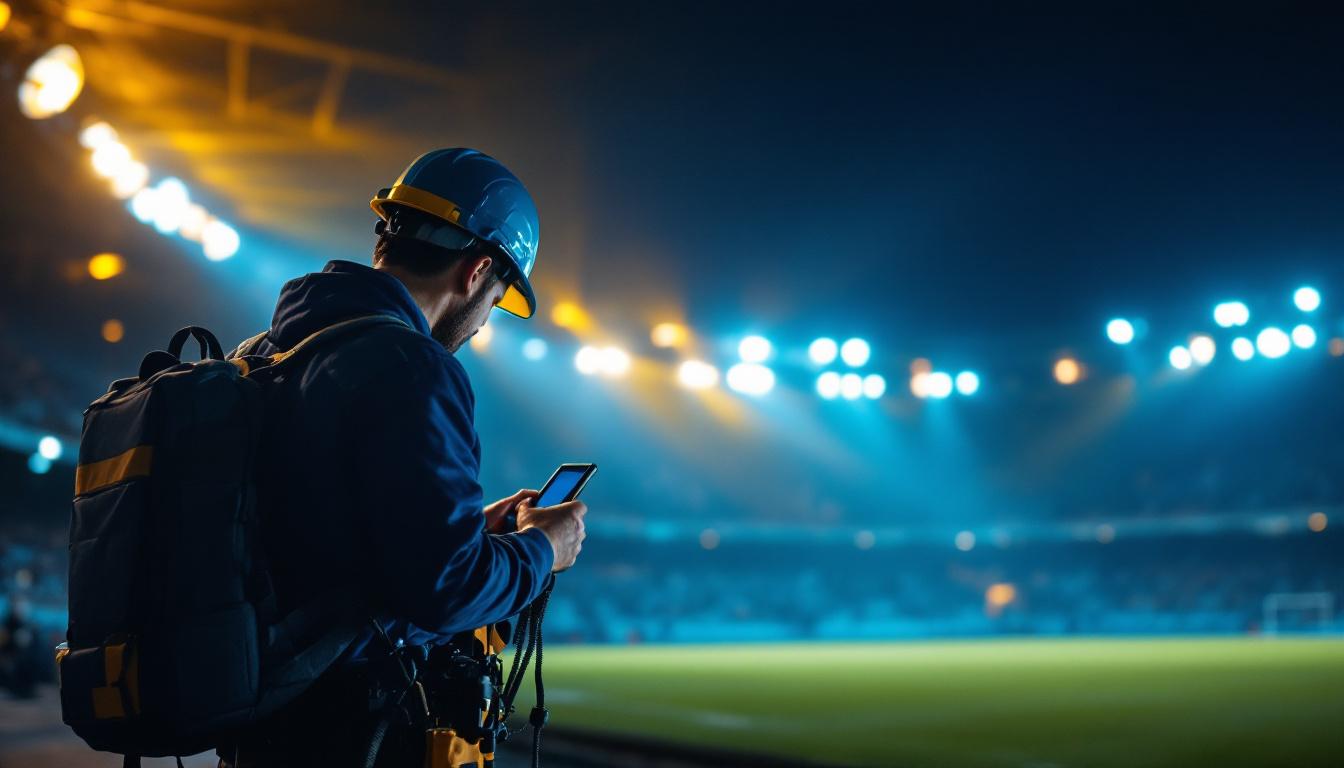
Lighting a sports venue is not simply about illuminating a field or court. It requires a deep understanding of how light interacts with fast-moving objects and large spaces. For lighting contractors, this means selecting and installing fixtures that deliver uniform brightness, minimize glare, and support both athlete performance and spectator experience.
Sports lighting projects often involve complex challenges: high mounting heights, strict energy efficiency requirements, and compliance with governing bodies’ standards. For example, stadium lighting must meet specific lux levels and uniformity ratios to ensure fair play and broadcast quality. These demands push contractors to rely on specialized sport lights and tools designed for precision and durability.
Moreover, the technology behind sports lighting has evolved significantly in recent years. LED fixtures, for instance, have become the gold standard due to their energy efficiency and longevity. Unlike traditional lighting systems, LEDs offer the advantage of instant on/off capabilities and can be dimmed to create the perfect ambiance for various events, from high-intensity games to more relaxed community gatherings. This adaptability not only enhances the experience for athletes and fans alike but also contributes to lowering operational costs over time.
In addition to the technical aspects, the design of sports lighting must also consider the aesthetics of the venue. A well-lit stadium or arena can elevate the overall atmosphere, creating an exciting environment that engages spectators and enhances their viewing experience. Lighting designers often collaborate closely with architects to ensure that the lighting scheme complements the architectural features of the venue while also meeting functional requirements. This synergy between form and function is crucial in creating a space that is not only practical for play but also visually appealing and memorable for all who enter.
Key Features of Sport Lights That Lighting Contractors Must Know
High Lumen Output and Uniformity
Sports venues require intense illumination to cover large areas evenly. A lighting contractor must understand lumen output and how to achieve uniform light distribution. Uneven lighting can cause shadows or bright spots, impairing athletes’ vision and affecting game quality.
Modern LED sport lights provide high lumen output with better control over beam angles. This helps contractors tailor the lighting layout to the venue’s dimensions, ensuring consistent brightness across the playing surface. Additionally, the ability to adjust the color temperature of the lights can enhance visibility and create an inviting atmosphere for both players and spectators. For example, a cooler light can improve concentration and alertness during competitive events, while warmer tones may be more suitable for recreational activities.
Glare Control and Visual Comfort
Glare is a major concern in sports lighting. Excessive glare can distract players and officials, reducing performance and safety. Lighting contractors must select fixtures with appropriate optics and shielding to control glare levels.
Tools like glare calculators and photometric software assist contractors in designing lighting schemes that balance brightness with comfort. These tools simulate how light will behave in the venue, helping avoid costly mistakes during installation. Moreover, the integration of adaptive lighting systems can further enhance visual comfort by adjusting brightness levels in real-time based on the activity taking place, ensuring that both players and spectators experience optimal lighting conditions throughout the event.
Durability and Weather Resistance
Sport lights are often installed outdoors, exposed to harsh weather conditions. Lighting contractors should prioritize fixtures with robust construction, corrosion-resistant materials, and IP ratings that ensure protection against dust and moisture.
Choosing durable sport lights reduces maintenance costs and downtime, crucial for venues that host frequent events. Contractors must also consider thermal management to prevent overheating, which can shorten fixture lifespan. Furthermore, the use of advanced materials such as polycarbonate lenses can enhance impact resistance, making the fixtures less susceptible to damage from flying balls or extreme weather. This resilience not only prolongs the life of the lighting system but also contributes to the overall safety of the venue, allowing events to proceed without interruption due to lighting failures.
Essential Tools for Lighting Contractors in Sport Lighting Projects
Photometric Analysis Software
Before any installation begins, contractors rely on photometric analysis software to design the lighting layout. This software uses IES files-standardized photometric data from manufacturers-to simulate light distribution patterns.
By inputting venue dimensions and fixture specifications, contractors can predict lux levels, uniformity, and glare. This reduces guesswork and ensures compliance with sport governing bodies’ lighting standards. Popular software options include DIALux and AGi32, both widely used in the industry. Additionally, these tools often come equipped with advanced features such as 3D visualization and real-time rendering, allowing contractors to present their designs to clients in a more engaging manner. This not only aids in securing approvals but also fosters collaboration among stakeholders, ensuring that everyone is aligned on the project goals and expectations.
Light Meters and Lux Meters
After installation, verifying that the lighting meets design specifications is critical. Light meters measure illuminance in lux or foot-candles, allowing contractors to assess brightness levels on the field.
Regular use of these meters helps identify areas with insufficient or excessive lighting. For sports venues, maintaining proper lux levels is essential for player safety and broadcast quality, making these tools indispensable on site. Moreover, contractors often conduct multiple readings at various times of day to account for changing natural light conditions, ensuring that the artificial lighting remains effective throughout different scenarios. This thorough approach not only enhances the quality of the lighting but also contributes to the longevity of the fixtures by preventing overexertion in poorly lit areas.
Glare Meters and Visual Comfort Tools
Glare meters measure the intensity of glare in a lighting installation. Contractors use these tools to ensure that fixtures do not produce blinding light that could affect athletes or spectators.
Visual comfort tools, including software simulations, help contractors optimize fixture placement and shielding. This attention to detail improves the overall experience and reduces complaints from users of the venue. Furthermore, glare management is particularly crucial in multi-use facilities where different sports may require varying lighting conditions. By utilizing these tools effectively, contractors can create a versatile lighting environment that caters to diverse sporting events, enhancing both performance and enjoyment for all participants and viewers.
Thermal Imaging Cameras
LED sport lights generate heat that must be managed effectively. Thermal imaging cameras allow contractors to inspect fixtures for hotspots or poor heat dissipation during and after installation.
Identifying thermal issues early prevents premature fixture failure and helps maintain consistent lighting performance. These cameras are valuable for both new installations and ongoing maintenance checks. Additionally, contractors can use thermal imaging to conduct energy audits, helping clients understand the efficiency of their lighting systems. This proactive approach not only extends the lifespan of the fixtures but also contributes to lower energy costs, aligning with the growing emphasis on sustainability in sports facility management.
Adjustable Mounting Hardware and Alignment Tools
Precision in fixture alignment is crucial in sports lighting. Adjustable mounting brackets and alignment tools enable contractors to fine-tune the direction and angle of each light.
Proper alignment ensures the light covers the intended area without spillover, reducing light pollution and improving energy efficiency. Contractors often use laser levels and digital inclinometers to achieve exact positioning. Furthermore, the use of adjustable hardware allows for future modifications as venue needs evolve or as new technologies emerge. This flexibility is vital in an industry that is constantly innovating, ensuring that installations remain relevant and effective for years to come. By investing in high-quality mounting solutions, contractors can provide clients with a reliable lighting system that adapts to changing requirements, ultimately enhancing the overall functionality of the sports venue.
Best Practices for Lighting Contractors Working on Sports Venues
Understanding Sport-Specific Lighting Standards
Different sports have unique lighting requirements. For example, tennis courts require higher vertical illuminance for ball tracking, while football fields emphasize horizontal uniformity. Contractors must familiarize themselves with standards from organizations like the International Tennis Federation (ITF), FIFA, or the Illuminating Engineering Society (IES).
Meeting these standards is not optional; it affects the venue’s certification and usability. Contractors who stay current with evolving guidelines deliver better results and build stronger reputations.
Energy Efficiency and Sustainability Considerations
Energy consumption is a major concern for sports venues, which often operate for extended hours. Lighting contractors should prioritize LED technology for its efficiency and longevity.
Incorporating smart controls such as dimmers, motion sensors, and scheduling systems helps reduce energy waste. These solutions also allow venues to adapt lighting levels based on event type or time of day, enhancing sustainability without sacrificing quality.
Maintenance Planning and Accessibility
Sport lighting systems require regular maintenance to perform optimally. Lighting contractors should design installations with accessibility in mind, facilitating easy fixture replacement and cleaning.
Using modular fixtures and standardized components simplifies repairs and reduces downtime. Contractors who provide detailed maintenance plans add value to their services and help venue managers extend the lifespan of their lighting investments.
Emerging Trends in Sport Lighting for Contractors to Watch
Integration of IoT and Smart Lighting Systems
Internet of Things (IoT) technology is transforming sports lighting. Smart systems enable remote monitoring and control, allowing contractors and facility managers to adjust lighting in real-time and detect faults before they cause issues.
This technology improves operational efficiency and reduces maintenance costs. Contractors familiar with IoT integration are well-positioned to offer cutting-edge solutions that meet modern venue demands.
Human-Centric Lighting and Tunable White LEDs
Human-centric lighting focuses on the impact of light on human physiology and behavior. Tunable white LEDs allow adjustment of color temperature to mimic natural daylight cycles, which can enhance athlete alertness and recovery.
Lighting contractors incorporating these technologies can create environments that support athlete well-being and improve overall venue ambiance. This approach is gaining traction in high-performance sports facilities.
Advanced Optical Designs for Enhanced Performance
New optical technologies, such as micro-lens arrays and asymmetric reflectors, enable more precise light distribution. These innovations help contractors reduce glare and light spill while increasing uniformity.
Staying informed about these advancements allows contractors to recommend the best fixtures and layouts, delivering superior lighting quality and energy savings.
Conclusion: Mastering Sport Lighting as a Contractor
Sport lighting is a specialized field that demands technical knowledge, precision tools, and an understanding of evolving standards. Lighting contractors who invest in the right equipment-photometric software, measurement meters, thermal cameras-and stay current with industry trends will deliver superior results.
By focusing on uniformity, glare control, durability, and energy efficiency, contractors can enhance athlete performance, spectator enjoyment, and venue reputation. The role of the lighting contractor extends beyond installation; it encompasses design, verification, maintenance, and innovation.
Mastering these elements transforms sport lighting projects from routine jobs into showcases of expertise and professionalism.
Illuminate Your Projects with LumenWholesale
Ready to elevate your sport lighting installations to the next level? At LumenWholesale, we provide lighting contractors with the high-quality, spec-grade sport lights you need to outshine the competition. With our unbeatable wholesale prices and commitment to cutting out the middleman, you can trust that you’re getting the best value for your investment. Our extensive selection not only meets but exceeds industry standards, ensuring that every project shines with reliability and performance. Plus, with the convenience of free shipping on bulk orders, you can stock up on premium lighting solutions without worrying about hidden fees or compromises. Don’t settle for less; choose LumenWholesale for quality, affordability, and convenience. Wholesale Lighting at the Best Value is just a click away.