Understanding Adjustable Lighting: Fundamentals for Contractors
Adjustable lighting fixtures have become a staple in both residential and commercial environments, offering versatility and enhanced control over illumination. For lighting contractors, a thorough understanding of these fixtures is essential to meet client expectations and comply with evolving industry standards.
Adjustable lights typically refer to fixtures that allow modification of beam direction, intensity, or color temperature. This adaptability supports various applications, from accentuating architectural features to creating dynamic ambiance in hospitality settings. As contractors, recognizing the different types of adjustable lighting and their operational mechanisms is the foundation for successful installation and integration.
Common adjustable lighting types include track lights, recessed adjustable downlights, wall-mounted fixtures with swivel heads, and pendant lights with adjustable cords or arms. Each type offers unique benefits and installation considerations, which will be explored in subsequent sections.
Types of Adjustable Lighting Fixtures
Track lighting systems are popular for their modularity and ease of repositioning. They consist of a track that supplies power and multiple heads that can be moved or angled as needed. This system is ideal for galleries, retail spaces, and kitchens where lighting needs frequently change. Additionally, track lighting can accommodate various bulb types, including LED, incandescent, and halogen, allowing for energy-efficient options that suit different aesthetic preferences.
Recessed adjustable downlights, often called eyeball or gimbal lights, are embedded into ceilings and allow the light source to pivot within the housing. These are favored for their clean aesthetic and ability to highlight specific areas without visible hardware. Their low-profile design makes them particularly suitable for modern interiors, where a minimalist look is desired. Furthermore, many recessed fixtures now come with integrated smart technology, enabling contractors to offer clients advanced control options such as dimming and color-changing capabilities.
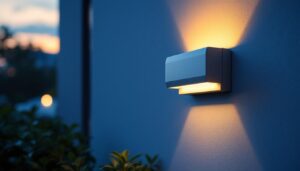
Wall-mounted adjustable fixtures provide directional lighting for reading areas, hallways, or accent walls. Their adjustability can range from simple tilting to full articulation, offering contractors flexibility in design implementation. These fixtures can also serve as decorative elements, enhancing the overall decor of a space. In addition, they can be equipped with features like built-in USB ports for charging devices, making them a practical choice for contemporary living spaces.
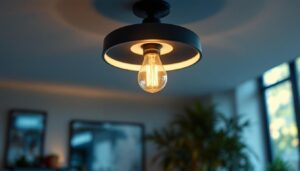
Another noteworthy type of adjustable lighting is the pendant light, which can be suspended at varying heights to create visual interest and provide focused illumination over dining areas or kitchen islands. Pendant lights come in a myriad of styles, from industrial to modern, allowing contractors to tailor their selections to the specific design aesthetics of a project. Moreover, adjustable pendant fixtures can be paired with smart lighting controls, enabling users to change the ambiance with just a touch of a button, further enhancing the functionality of the space.
Installation Challenges and Best Practices
Proper installation of adjustable lighting is critical to ensure both functionality and safety. Contractors often face challenges related to wiring, mounting, and alignment, which can impact the final performance and client satisfaction.
Wiring and Power Considerations
Adjustable fixtures may require specialized wiring configurations, especially when integrated with dimmers or smart controls. It is important to verify compatibility with existing electrical systems and adhere to local electrical codes. For example, some fixtures demand dedicated circuits or specific gauge wiring to support higher wattage or LED drivers.
Additionally, contractors should consider the potential for electromagnetic interference when adjustable lights are combined with wireless control systems. Proper grounding and shielding techniques can mitigate these issues. Furthermore, it’s beneficial to plan the layout of the wiring before installation begins. This proactive approach can help avoid last-minute adjustments and ensure that all components are easily accessible for future maintenance or upgrades. Keeping a detailed schematic of the wiring layout can also assist in troubleshooting any issues that may arise down the line, providing a clear roadmap for both contractors and electricians.
Mounting and Alignment Techniques
Ensuring that adjustable fixtures are securely mounted is paramount, particularly for ceiling or track-mounted systems. Contractors should use manufacturer-recommended anchors and hardware, accounting for ceiling type and weight of the fixture.
Alignment is another crucial step. Adjustable lights must be positioned to achieve the intended lighting effect without causing glare or uneven illumination. Using laser levels or alignment tools can enhance precision during installation. Additionally, it may be advantageous to conduct a mock setup before finalizing the installation, allowing contractors to visualize the light distribution and make necessary adjustments. This practice can also help in identifying any potential obstacles, such as furniture or architectural features, that could obstruct the light’s intended path. Furthermore, discussing the lighting plan with clients can provide valuable feedback and ensure that the final setup meets their expectations and enhances the overall ambiance of the space.
Energy Efficiency and Compliance
Energy efficiency is a key concern for contractors advising clients on lighting solutions. Adjustable lighting systems, when paired with LED technology and smart controls, can significantly reduce energy consumption while maintaining high-quality illumination. This dual focus not only meets the demands of modern sustainability practices but also aligns with the growing consumer preference for environmentally friendly solutions. As energy costs continue to rise, the financial benefits of energy-efficient lighting become increasingly apparent, making it an attractive option for both residential and commercial projects.
LED Integration and Benefits
LEDs have become the preferred light source for adjustable fixtures due to their longevity, low heat output, and energy savings. Contractors should select LED modules or bulbs that are compatible with dimmers and adjustable housings to avoid flickering or reduced lifespan. The versatility of LEDs also allows for innovative design possibilities, enabling contractors to create unique lighting schemes that enhance the aesthetic appeal of a space. Additionally, the reduced maintenance costs associated with LEDs can lead to significant savings over time, as they require far less frequent replacement compared to traditional incandescent or fluorescent bulbs.
Moreover, LEDs offer a range of color temperatures, enabling contractors to tailor lighting to specific environments—from warm, inviting tones in hospitality to cooler, focused light in workspaces. This adaptability not only enhances the functionality of a space but also contributes to the overall mood and experience of its occupants. By utilizing tunable white technology, contractors can further customize lighting conditions throughout the day, promoting well-being and productivity in various settings.
Regulatory Standards and Certifications
Compliance with energy codes such as ASHRAE 90.1 or local building codes is mandatory. Contractors must ensure that adjustable lighting installations meet these standards, which often include requirements for efficacy, control capabilities, and occupancy sensing. Understanding these regulations is essential, as non-compliance can lead to costly penalties and project delays. Furthermore, staying informed about evolving standards can provide contractors with a competitive edge in the marketplace, allowing them to offer cutting-edge solutions that meet or exceed regulatory expectations.
Certifications like ENERGY STAR for fixtures and DLC (DesignLights Consortium) listings provide assurance of performance and efficiency. Incorporating certified products can streamline approval processes and enhance client confidence. These certifications not only signify adherence to rigorous testing and performance criteria but also serve as a marketing tool, appealing to environmentally conscious consumers. By promoting the use of certified lighting solutions, contractors can position themselves as leaders in sustainability, fostering long-term relationships with clients who prioritize energy efficiency in their projects.
Control Systems and Smart Lighting Integration
Modern adjustable lighting increasingly incorporates advanced control systems, enabling dynamic lighting scenarios and improved energy management. Lighting contractors must be proficient in these technologies to deliver cutting-edge solutions.
Dimming and Scene Control
Dimming capabilities are fundamental to adjustable lighting, allowing users to modify brightness levels for comfort and ambiance. Contractors should be familiar with various dimming protocols such as TRIAC, 0-10V, and DALI, and understand their compatibility with fixtures and control panels.
Scene control systems enable pre-programmed lighting settings tailored to different activities or times of day. Integration with building automation systems can enhance user experience and operational efficiency.
Wireless and Networked Controls
Wireless control systems, including Zigbee, Z-Wave, and Wi-Fi-based platforms, offer flexibility in retrofitting and scalability. Contractors must evaluate signal range, interference potential, and security considerations when designing these systems.
Networked lighting controls facilitate centralized management, remote monitoring, and data analytics. These features are particularly valuable in commercial and institutional projects where energy savings and maintenance optimization are priorities.
Common Questions from Lighting Contractors
Throughout the installation and specification process, lighting contractors frequently encounter questions that reflect practical concerns and client demands. Addressing these inquiries with clarity and expertise enhances project outcomes and professional reputation.
How Do Adjustable Lights Affect Room Ambiance?
Adjustable lights provide the ability to tailor lighting to the function and mood of a space. By directing light precisely, contractors can highlight architectural details, artwork, or work surfaces while minimizing shadows and glare. This flexibility supports multifunctional spaces and evolving design preferences.
What Are the Maintenance Requirements for Adjustable Fixtures?
Maintenance varies depending on fixture type and environment. Generally, adjustable fixtures require periodic cleaning to prevent dust accumulation, which can diminish light output. Mechanical components such as swivel joints may need lubrication or tightening over time. Using LED sources reduces the frequency of bulb replacement, lowering long-term maintenance costs.
Can Adjustable Lights Be Used Outdoors?
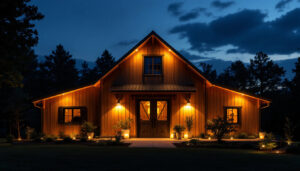
Yes, many adjustable fixtures are rated for outdoor use, provided they have appropriate ingress protection (IP) ratings to withstand moisture and dust. Contractors should verify the fixture’s rating and ensure proper sealing during installation to prevent water intrusion and corrosion.
Are There Limitations to Adjustability?
While adjustable lights offer significant flexibility, there are physical and electrical limits. Excessive movement can strain wiring or mounting hardware, and some fixtures have restricted adjustment ranges to maintain beam quality. Contractors should consult manufacturer specifications to avoid compromising fixture performance or safety.
Conclusion: Mastering Adjustable Lighting for Optimal Client Satisfaction
Adjustable lighting represents a dynamic and evolving segment of the lighting industry, offering contractors numerous opportunities to enhance spaces through tailored illumination. Mastery of fixture types, installation techniques, energy considerations, and control systems equips contractors to meet diverse client needs effectively.
By anticipating common questions and challenges, lighting professionals can deliver solutions that are not only aesthetically pleasing but also energy-efficient, compliant, and easy to maintain. As lighting technology continues to advance, ongoing education and adaptation will remain key to success in this specialized field.
Illuminate Your Projects with LumenWholesale
Ready to elevate your lighting installations with the finest adjustable fixtures on the market? Look no further than LumenWholesale, where we provide contractors with exceptional, spec-grade lighting solutions at unparalleled wholesale prices. Our commitment to quality and affordability ensures you have access to the best products for every scenario, from residential ambiance to commercial brilliance. Plus, with free shipping on bulk orders, you can stock up on premium lighting without the worry of hidden costs. Don’t compromise on quality or value—discover wholesale lighting at the best value today and light up your projects with confidence.