Understanding Motion Control Switches and Their Growing Importance
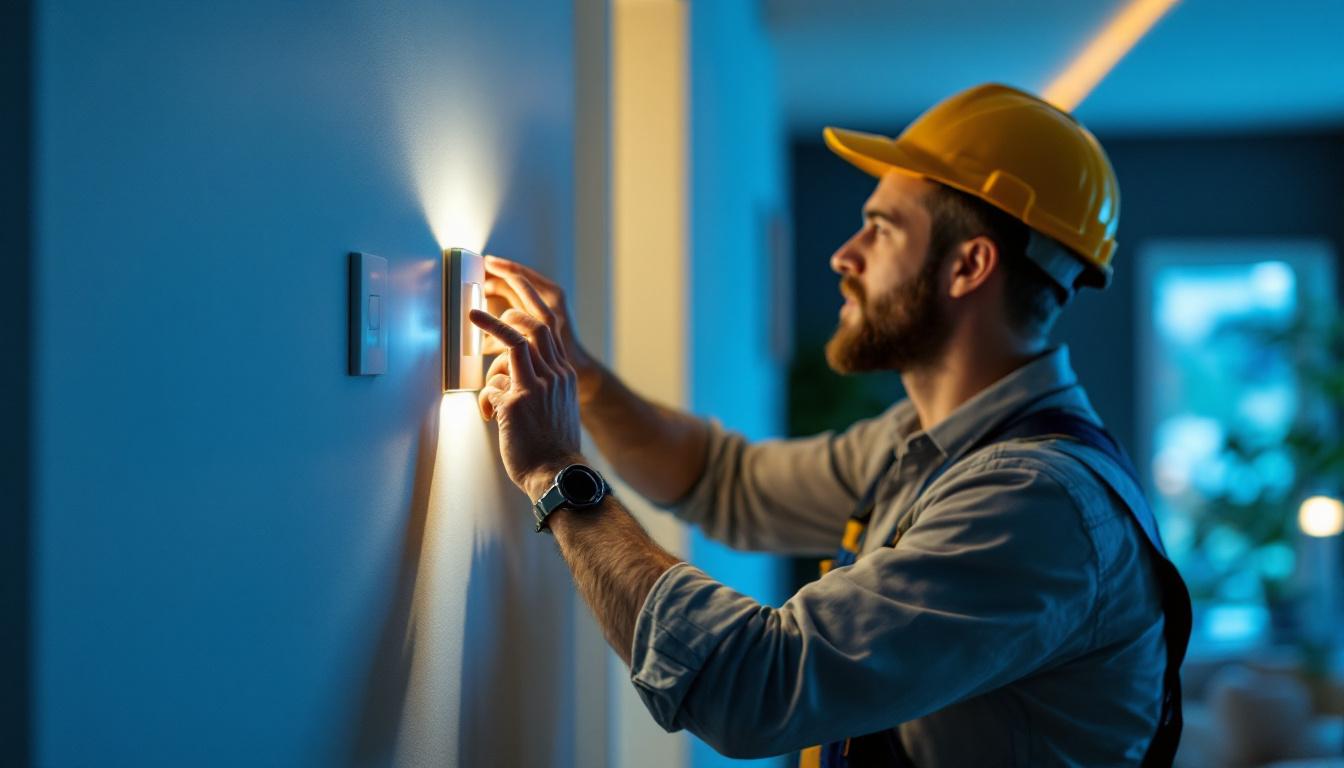
Motion control switches, also known as occupancy sensors or motion sensors, have revolutionized the way lighting systems operate in residential, commercial, and industrial settings. These devices detect movement within a designated area and automatically turn lights on or off, optimizing energy use without compromising convenience or safety.
For lighting contractors, integrating motion control switches into projects is more than just a technical upgrade—it represents a strategic opportunity to enhance service offerings, improve client satisfaction, and tap into the increasing demand for energy-efficient solutions.
As energy conservation becomes a priority worldwide, the adoption of motion control technology is accelerating. According to industry reports, buildings equipped with occupancy sensors can reduce lighting energy consumption by up to 30-50%, depending on usage patterns. This level of efficiency not only benefits end-users but also positions contractors as leaders in sustainable building practices.
Moreover, the technology behind motion control switches has evolved significantly, with advancements in sensor accuracy and responsiveness. Modern sensors can differentiate between human movement and other disturbances, such as pets or passing vehicles, thereby minimizing false activations. This precision enhances user experience, ensuring that lights are only triggered when genuinely needed. Additionally, many of these systems now offer customizable settings, allowing users to adjust sensitivity levels, time delays, and even integrate with smart home systems for a more cohesive experience.
The versatility of motion control switches extends beyond just lighting; they can also be integrated into security systems, HVAC controls, and even automated window treatments. This multifaceted application not only streamlines building management but also enhances overall safety and comfort for occupants. As more businesses and homeowners recognize the benefits of such comprehensive systems, the demand for skilled contractors who can implement these technologies effectively is expected to rise, further solidifying the role of motion control switches in modern infrastructure.
Why Lighting Contractors Should Embrace Motion Control Switches
Meeting Client Expectations for Smart and Sustainable Solutions
Today’s clients are more informed and environmentally conscious than ever before. Whether they are commercial property managers, homeowners, or facility operators, there is a growing expectation for lighting systems that contribute to sustainability goals and reduce operational costs.
By offering motion control switches, lighting contractors can provide solutions that align with these expectations. This not only helps clients reduce their carbon footprint but also delivers measurable financial savings through lower utility bills—an attractive selling point in any project proposal. Furthermore, the integration of motion control technology can enhance user experience by providing convenience and flexibility in lighting management. For instance, in residential settings, homeowners can enjoy the ease of having lights automatically turn on when they enter a room, creating a seamless and welcoming environment. In commercial spaces, this technology can lead to improved productivity as employees are not distracted by flickering lights or the need to manually adjust settings.
Expanding Service Portfolio and Competitive Advantage
Incorporating motion control technology allows contractors to diversify their service offerings. This expansion can differentiate a business in a crowded market, attracting new clients who prioritize energy efficiency and smart building integrations.
Moreover, contractors who demonstrate expertise in installing and configuring motion control switches often gain repeat business and referrals, as satisfied customers seek reliable partners for future upgrades or maintenance. As the demand for smart home technology continues to rise, contractors can position themselves as forward-thinking leaders in the industry by staying ahead of trends and offering comprehensive solutions that include not just motion control switches, but also integration with other smart devices. This holistic approach can further enhance customer loyalty, as clients appreciate a one-stop-shop for all their lighting and automation needs.
Compliance with Energy Codes and Incentives
Many jurisdictions have adopted energy codes and standards that encourage or mandate the use of occupancy sensors in specific building types or spaces. Familiarity with these regulations enables contractors to ensure compliance, avoiding costly delays or redesigns.
Additionally, numerous utility companies and government programs offer rebates or incentives for installing energy-saving devices like motion control switches. Contractors can leverage these opportunities to make projects more cost-effective and appealing to clients. By proactively informing clients about potential savings and available incentives, contractors can not only enhance their value proposition but also foster a sense of trust and transparency. Furthermore, as energy efficiency becomes a key component of corporate sustainability strategies, contractors who are well-versed in these programs can position themselves as essential partners in helping businesses achieve their environmental goals, thus solidifying their reputation in the industry.
Types of Motion Control Switches and Their Applications
Passive Infrared (PIR) Sensors
PIR sensors detect infrared radiation emitted by moving bodies, making them ideal for indoor applications such as offices, restrooms, and corridors. They are cost-effective and reliable for spaces where occupants generate heat signatures that can be easily detected.
Lighting contractors often recommend PIR sensors for their simplicity and broad compatibility with existing lighting systems.
Ultrasonic Sensors
Ultrasonic sensors emit high-frequency sound waves and measure the reflection to detect movement. These sensors are particularly useful in areas with obstacles or where occupants may be stationary for periods, such as conference rooms or storage areas.
While slightly more expensive than PIR sensors, ultrasonic sensors offer enhanced sensitivity and coverage, which can be a selling point for clients with complex space layouts.
Dual-Technology Sensors
Combining PIR and ultrasonic technologies, dual-technology sensors reduce false triggers and enhance detection accuracy. This makes them suitable for high-traffic or irregularly used spaces where precise control is critical.
Contractors who understand the nuances of these sensors can tailor solutions that maximize performance and client satisfaction.
Advanced Features: Daylight Harvesting and Integration
Modern motion control switches often include daylight harvesting capabilities, adjusting artificial lighting based on natural light availability. This feature further optimizes energy use and enhances occupant comfort.
Integration with building management systems (BMS) or smart home platforms is another growing trend, allowing centralized control and monitoring. Lighting contractors skilled in these integrations can offer cutting-edge solutions that appeal to tech-savvy clients.
Installation Best Practices for Lighting Contractors
Site Assessment and Sensor Placement
Successful motion control switch installations begin with a thorough site assessment. Contractors should evaluate room dimensions, occupancy patterns, and potential obstructions to determine optimal sensor placement.
Proper positioning ensures reliable detection and prevents issues such as lights turning off prematurely or failing to activate. For example, sensors should avoid direct exposure to HVAC vents or windows that may cause false triggers due to temperature fluctuations or sunlight.
Wiring and Compatibility Considerations
Understanding the existing electrical infrastructure is critical to ensure compatibility with motion control switches. Contractors must verify voltage ratings, load capacities, and wiring configurations to prevent malfunctions or safety hazards.
In retrofit projects, selecting sensors that can integrate seamlessly with legacy systems reduces installation time and costs, enhancing client satisfaction.
Programming and Calibration
Many motion control switches offer adjustable settings for sensitivity, time delay, and ambient light thresholds. Proper programming tailors the system to the specific usage patterns of the space, maximizing energy savings and occupant comfort.
Contractors should educate clients on these settings and provide documentation to facilitate future adjustments as needs evolve.
Marketing Motion Control Switch Services to Grow Your Business
Highlighting Energy Savings and ROI
When pitching motion control switch installations, emphasizing the tangible benefits—such as energy savings, reduced maintenance costs, and quick return on investment—resonates strongly with clients. Providing case studies or examples of successful projects can build credibility and trust.
Using tools like energy calculators or simulation software can help demonstrate potential savings tailored to the client’s specific environment.
Leveraging Sustainability Trends
Positioning your services within the broader context of green building and sustainability initiatives can attract clients who prioritize environmental responsibility. Certifications such as LEED or WELL often require or reward the use of occupancy sensors, creating additional demand.
Contractors can also partner with architects, engineers, and sustainability consultants to become preferred providers for energy-efficient lighting solutions.
Offering Maintenance and Upgrade Packages
Beyond installation, providing ongoing maintenance and upgrade services can establish long-term client relationships and recurring revenue streams. Regular system checks ensure sensors operate correctly, and upgrades can introduce new features as technology advances.
Educating clients about the benefits of proactive maintenance can differentiate your business and reduce downtime or dissatisfaction.
Challenges and Solutions in Implementing Motion Control Switches
Addressing Client Concerns About Reliability
Some clients may worry about motion sensors causing inconvenience, such as lights turning off too quickly or failing to detect occupants. Contractors can alleviate these concerns by selecting high-quality products, customizing settings, and demonstrating system performance during commissioning.
Providing clear instructions and responsive support builds confidence and reduces the risk of negative feedback.
Managing Installation Complexity
Incorporating motion control switches into existing lighting systems can sometimes present technical challenges, especially in older buildings. Contractors should conduct detailed assessments and plan for potential obstacles, such as incompatible wiring or limited sensor coverage.
Investing in training and staying updated on the latest products and installation techniques equips contractors to handle complex projects efficiently.
Keeping Up With Rapid Technological Advances
The motion control switch market is evolving rapidly, with new features, wireless technologies, and integration capabilities emerging regularly. Staying informed through industry publications, manufacturer training, and professional networks is essential for maintaining a competitive edge.
Contractors who proactively adopt innovations can offer superior solutions that meet evolving client demands.
Conclusion: Positioning Your Lighting Contracting Business for Future Success
Motion control switches represent a powerful tool for lighting contractors seeking to grow their businesses and meet modern client expectations. By understanding the technology, mastering installation best practices, and effectively communicating the benefits, contractors can unlock new revenue streams and build lasting client relationships.
Embracing motion control technology not only aligns your business with sustainability trends and regulatory requirements but also enhances your reputation as a forward-thinking, customer-focused professional. In a competitive market, this strategic adoption can be the key differentiator that drives long-term success.
Get Started with LumenWholesale Today!
Ready to elevate your lighting contracting business with the latest motion control switch technology? Look no further than LumenWholesale for a vast selection of top-quality, spec-grade lighting products at unbeatable wholesale prices. Say goodbye to inflated markups and hello to superior lighting solutions that meet the highest industry standards. With LumenWholesale, bulk buying is a breeze, thanks to our hassle-free process and free shipping. Don’t compromise on quality or value—choose LumenWholesale for the perfect blend of affordability and convenience. Take the first step towards a brighter future and Wholesale Lighting at the Best Value now!