Understanding In Cabinet Lighting: Why It Matters
Cabinet lighting is no longer just a luxury or an afterthought in interior design. It’s become a fundamental element that enhances both aesthetics and functionality in kitchens, bathrooms, offices, and retail environments. For lighting contractors, mastering in cabinet lighting means delivering solutions that meet client expectations for style, efficiency, and durability.
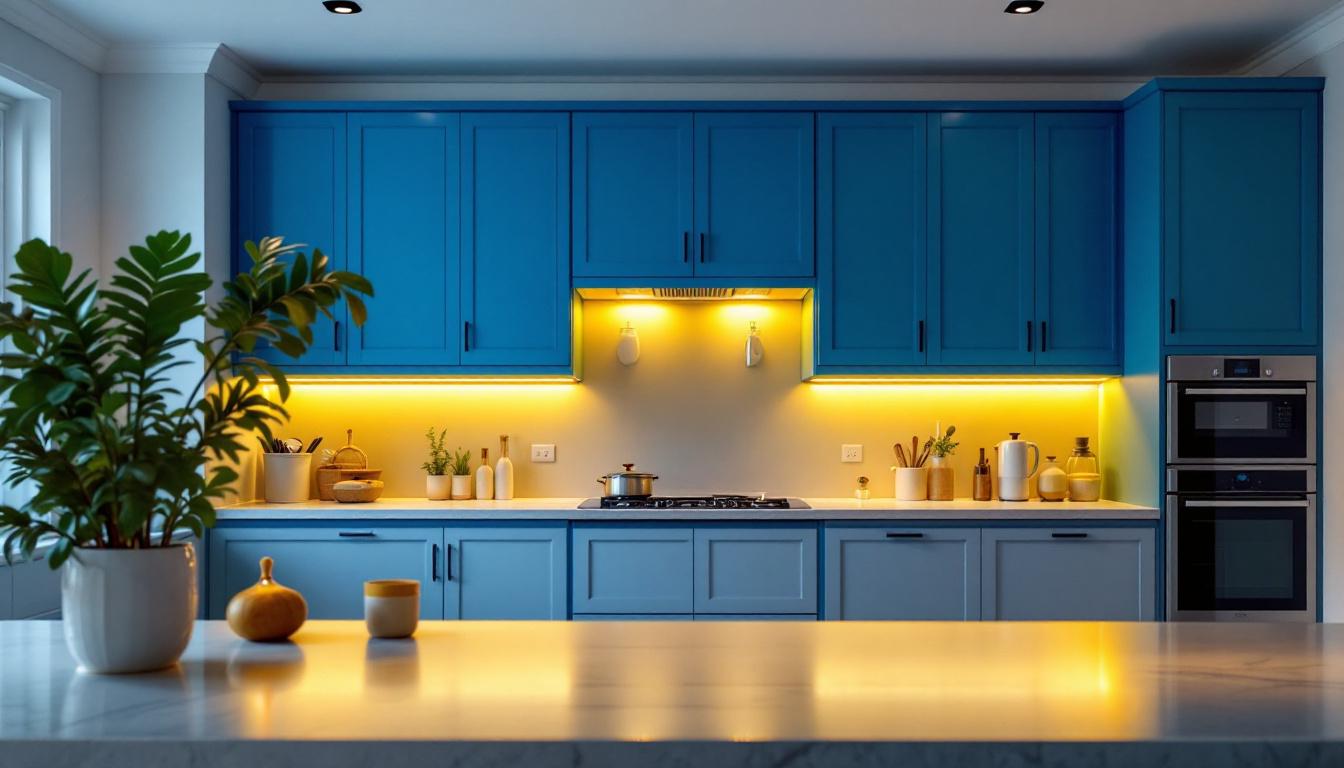
In cabinet lights illuminate hidden spaces, making it easier to find items and adding a layer of sophistication to cabinetry. Whether it’s under-cabinet task lighting or interior cabinet illumination, the right lighting transforms a space. But it also presents unique challenges in terms of installation, wiring, and product selection.
Moreover, the variety of available lighting options has expanded significantly, allowing for greater customization to suit individual tastes and needs. LED strip lights, puck lights, and even smart lighting systems can be integrated into cabinetry to create a personalized ambiance. These options not only provide illumination but also contribute to energy efficiency, with many LED solutions consuming significantly less power than traditional bulbs. This shift towards energy-efficient lighting is not just beneficial for the environment; it also translates to lower utility bills for homeowners and businesses alike.
Additionally, the aesthetic impact of in cabinet lighting cannot be overstated. Properly placed lights can highlight the textures and finishes of cabinetry, drawing attention to beautiful wood grains or elegant glassware. In retail settings, strategically designed cabinet lighting can enhance product displays, making items more appealing to customers and encouraging purchases. The interplay of light and shadow can create a dynamic visual experience, turning ordinary cabinets into focal points that reflect the personality and style of the space. As such, understanding the nuances of in cabinet lighting is essential for anyone looking to elevate their interior design game.
Types of In Cabinet Lighting: Options and Applications
LED Strip Lights
LED strip lights are the most popular choice for in cabinet lighting due to their flexibility and low profile. These strips can be cut to size and installed in tight spaces, making them ideal for lining the underside of shelves or the interior perimeter of cabinets. Their energy efficiency and long lifespan make them a favorite among contractors looking to provide durable solutions.
LED strips come in various color temperatures, from warm white to cool white, allowing customization based on the desired ambiance. Dimmable options add another layer of control, enabling users to adjust brightness for different tasks or moods. Additionally, many LED strip lights are now available with smart technology, allowing homeowners to control them via smartphone apps or voice commands, enhancing convenience and modernizing the home experience.
Puck Lights
Puck lights are small, round fixtures that provide focused pools of light. These are often used inside cabinets to highlight specific areas or objects, such as glassware or collectibles. They can be surface mounted or recessed, depending on the cabinet design and client preferences.
While puck lights offer excellent spot illumination, they typically require more wiring and installation time compared to LED strips. Contractors should weigh these factors when recommending puck lights for a project. Moreover, the ability to choose between battery-operated and hardwired options makes puck lights versatile for various settings, including those where electrical access may be limited. This adaptability ensures that even the most challenging spaces can benefit from effective lighting solutions.
Linear Lights
Linear lights are rigid fixtures that provide uniform lighting along a cabinet’s length. They are often used in under-cabinet applications where consistent illumination is needed for countertops or workspaces. These fixtures usually come with integrated LED modules and are designed for easy installation with mounting clips or brackets.
Linear lights offer a clean, modern look and are available in various lengths and finishes to match cabinetry styles. Furthermore, they can be integrated with motion sensors for added convenience, automatically turning on when someone approaches the cabinet. This feature not only enhances usability but also contributes to energy savings, as the lights will turn off when the area is no longer in use. With their sleek design and advanced functionalities, linear lights are an excellent choice for both aesthetic appeal and practical application in contemporary kitchens and living spaces.
Key Considerations for Installation
Power Supply and Wiring
One of the biggest challenges in installing in cabinet lighting is managing power supply and wiring discreetly. Lighting contractors must plan routes that keep wires hidden yet accessible for maintenance. Low-voltage LED systems often require transformers or drivers, which need to be placed in ventilated areas to prevent overheating.
Understanding the electrical load is crucial. Overloading circuits can lead to flickering lights or premature failure. Contractors should calculate total wattage and ensure the power source can handle the load, especially when multiple fixtures are involved.
Heat Management
Although LEDs generate less heat than traditional bulbs, heat buildup inside enclosed cabinets can still be an issue. Proper ventilation or heat sinks are necessary to maintain fixture longevity and prevent damage to cabinetry materials.
Contractors should advise clients on the importance of choosing fixtures designed for enclosed spaces and avoid installing lights in areas where heat could accumulate excessively.
Accessibility and Maintenance
In cabinet lighting systems should be designed with future maintenance in mind. Easy access to drivers, connectors, and fixtures reduces service time and cost. Modular systems or plug-and-play connectors simplify troubleshooting and replacement.
Contractors should also educate clients on cleaning and care, as dust and grease buildup can diminish light output over time.
Choosing the Right Lighting for Different Cabinet Types
Kitchen Cabinets
In kitchens, lighting must balance aesthetics with practicality. Under-cabinet lighting provides essential task illumination for food preparation, while interior cabinet lights add a decorative touch and help locate items quickly.
Warm white LEDs (2700K to 3000K) typically complement kitchen cabinetry and create a welcoming atmosphere. However, cooler temperatures (3500K to 4000K) may be preferred in modern or minimalist designs for a crisp, clean look.
Bathroom Cabinets
Bathroom cabinets benefit from moisture-resistant lighting fixtures. Contractors should select products rated for damp environments to ensure safety and durability. Interior cabinet lighting in bathrooms improves visibility for grooming and storage, while under-cabinet lights can enhance vanity areas.
Color rendering index (CRI) is especially important in bathrooms to ensure accurate color perception. LEDs with a CRI of 90 or higher are recommended for these applications.
Retail and Display Cabinets
Retail environments demand lighting that highlights products effectively without causing damage. LED lights are ideal because they emit minimal UV radiation and heat, which can degrade sensitive merchandise.
Adjustable puck lights or directional linear fixtures allow precise control over light placement, enhancing visual appeal and drawing customer attention. Lighting contractors should collaborate with store designers to achieve the best results.
Energy Efficiency and Sustainability
Energy efficiency is a top priority for many clients, and lighting contractors play a key role in delivering sustainable solutions. LEDs consume significantly less power than incandescent or halogen bulbs and have longer lifespans, reducing replacement frequency and waste.
Incorporating dimmers and smart controls can further optimize energy use. Motion sensors or timers ensure lights are only on when needed, which is especially useful in seldom-used cabinets or retail displays.
Specifying fixtures with certifications such as ENERGY STAR provides assurance of performance and efficiency, which can be a selling point for environmentally conscious customers.
Trends and Innovations in In Cabinet Lighting
Smart Lighting Integration
Smart home technology has made its way into in cabinet lighting. Wireless controls, app integration, and voice activation allow users to customize lighting scenes, adjust brightness, and change colors effortlessly. For lighting contractors, offering smart lighting solutions can differentiate their services and meet growing client demand.
Installation of smart systems requires additional planning for connectivity and compatibility with existing home automation platforms.
Color Tuning and RGB Options
Beyond standard white light, RGB and tunable white LEDs provide dynamic lighting options. Clients can shift color temperatures throughout the day to mimic natural light or create mood lighting for special occasions. This flexibility adds value and enhances the user experience.
Contractors should be familiar with the control systems and wiring requirements for these advanced lighting options to ensure seamless integration.
Minimalist and Integrated Fixtures
Design trends favor lighting that is nearly invisible when off, blending seamlessly with cabinetry. Thin profiles, concealed mounting, and integrated diffusers create a sleek look that emphasizes the cabinetry itself rather than the light source.
Understanding the latest fixture designs helps contractors recommend products that align with contemporary aesthetics and client preferences.
Common Challenges and How to Overcome Them
Uneven Lighting and Shadows
Improper placement or insufficient lighting can create shadows that defeat the purpose of in cabinet illumination. Contractors should plan fixture spacing carefully and use diffusers or multiple light sources to achieve uniform coverage.
Testing lighting layouts before final installation can prevent costly adjustments later.
Compatibility with Cabinet Materials
Some cabinet finishes and materials reflect or absorb light differently. Glossy surfaces may cause glare, while dark woods can reduce perceived brightness. Selecting the right color temperature and fixture placement helps mitigate these issues.
Contractors should collaborate with cabinet makers or interior designers to understand material characteristics and tailor lighting solutions accordingly.
Client Expectations and Budget Constraints
Balancing client desires with practical limitations is a common challenge. High-end lighting options may exceed budgets, while cheaper alternatives might compromise quality or longevity. Clear communication about trade-offs and benefits helps set realistic expectations.
Offering tiered options and explaining lifecycle costs can guide clients toward informed decisions.
Final Thoughts for Lighting Contractors
Mastering in cabinet lighting requires a blend of technical knowledge, design sensibility, and practical problem-solving. By understanding the types of fixtures, installation nuances, and client needs, contractors can deliver lighting solutions that enhance spaces and satisfy customers.
Staying current with industry trends and innovations ensures that contractors remain competitive and capable of offering the best possible service. Attention to detail in planning and execution will result in installations that look great, perform reliably, and stand the test of time.
Illuminate Your Projects with LumenWholesale
Ready to take your in-cabinet lighting projects to the next level? At LumenWholesale, we provide lighting contractors with an exceptional range of high-quality, specification-grade lighting products at prices that can’t be beaten. Say goodbye to local distributor markups and hello to our direct-to-contractor wholesale pricing. Our carefully curated selection not only meets but exceeds industry standards, ensuring your installations shine with reliability and performance. Plus, with free shipping on bulk orders, you can stock up on premium lighting solutions without worrying about hidden costs. Elevate your lighting game and give your clients the best value by choosing Wholesale Lighting at the Best Value with LumenWholesale.