Understanding High Leverage Cable Cutters: Why They Matter for Lighting Contractors
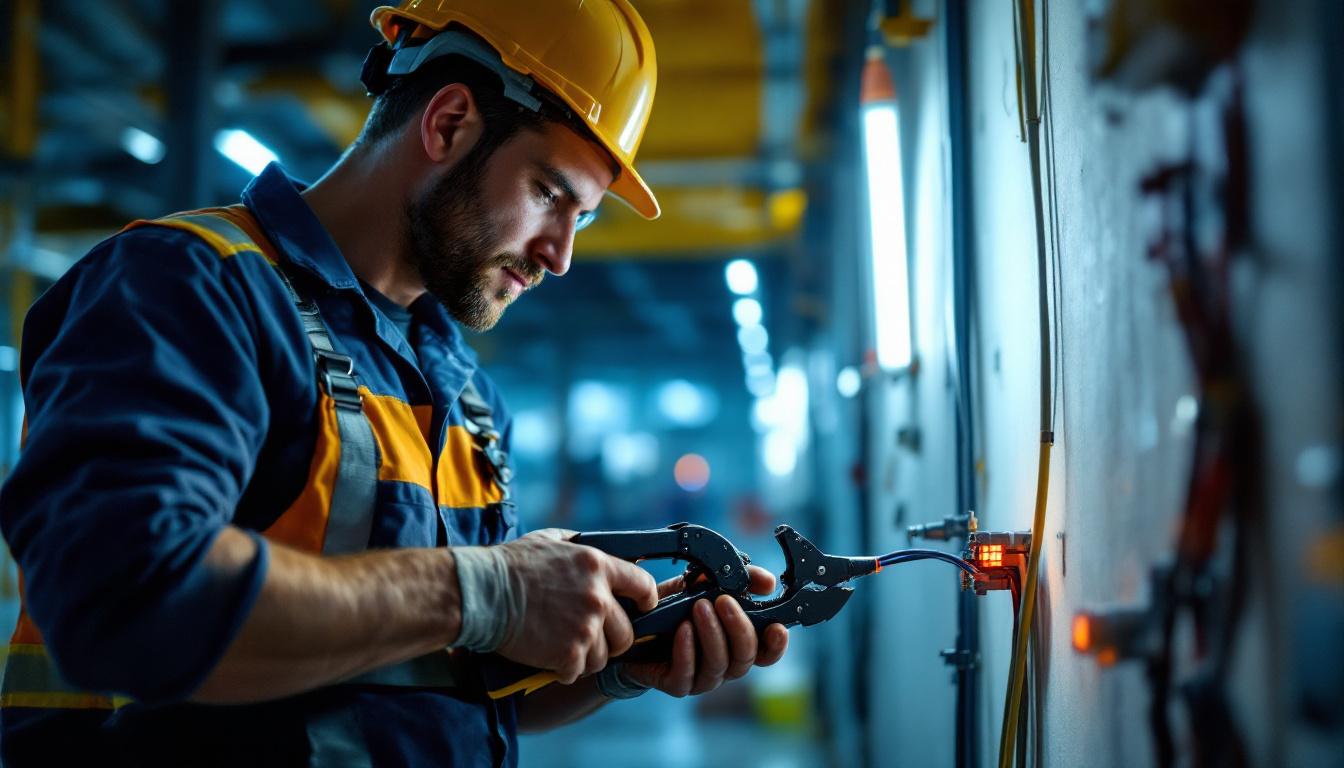
For lighting contractors, having the right tools is essential to ensure efficiency, safety, and precision on the job. One tool that often sparks questions is the high leverage cable cutter. Unlike standard cutters, high leverage cable cutters are designed to maximize cutting force while minimizing user effort, making them indispensable when working with thick or tough cables commonly found in lighting installations.
High leverage cable cutters utilize a compound action mechanism that multiplies the force applied by the user. This means that even when cutting through large-gauge cables or multi-strand wires, the tool performs smoothly without requiring excessive manual strength. For lighting contractors, this translates to faster job completion times, reduced hand fatigue, and a cleaner cut—factors that directly impact the quality and safety of electrical connections.
Moreover, the importance of using the right cable cutter cannot be overstated. Using inadequate tools can lead to frayed wires, incomplete cuts, or even damage to the cable insulation, potentially compromising the integrity of the lighting system. High leverage cable cutters are engineered to address these challenges, offering a reliable solution tailored to the demands of professional lighting work.
In addition to their cutting efficiency, high leverage cable cutters often come equipped with ergonomic handles designed to enhance grip and comfort during prolonged use. This feature is particularly beneficial for lighting contractors who may find themselves working in awkward positions or tight spaces. The design not only helps in reducing strain on the hands and wrists but also improves control, allowing for more precise cuts that are crucial in ensuring the safety and functionality of lighting installations.
Furthermore, many high leverage cable cutters are constructed from high-quality materials that ensure durability and longevity. This is vital for contractors who rely on their tools day in and day out. Investing in a reliable high leverage cable cutter means fewer replacements and repairs, ultimately leading to cost savings over time. Additionally, some models include built-in safety features, such as locking mechanisms, which prevent accidental cuts and enhance overall job site safety. As lighting technology continues to evolve, having the right tools, like high leverage cable cutters, becomes increasingly important in keeping up with industry standards and delivering top-notch work to clients.
Common Questions About High Leverage Cable Cutters
What Types of Cables Can High Leverage Cable Cutters Handle?
Lighting contractors frequently encounter a variety of cable types, including copper and aluminum conductors, armored cables, and multi-strand wiring. High leverage cable cutters are designed to handle these materials effectively, especially cables with larger diameters or tougher insulation.
Most high leverage cable cutters are rated for cutting cables up to a specific gauge, often ranging from 1/0 AWG to 4/0 AWG or larger. For example, when working with heavy-duty feeder cables or service entrance wires, these cutters provide the necessary cutting force without damaging the conductor strands. It is important to select a cutter rated appropriately for the cable size to ensure both safety and tool longevity. Additionally, many high leverage cable cutters feature ergonomic designs that enhance grip and control, allowing for a more comfortable experience during extended use. This is particularly beneficial for contractors who may be cutting multiple cables in a single job, as it minimizes fatigue and increases efficiency.
Are High Leverage Cable Cutters Safe to Use on Live Circuits?
Safety is paramount in electrical work, and many lighting contractors ask whether high leverage cable cutters can be used on live circuits. The short answer is no. These tools are designed for cutting de-energized cables only. Using any cutting tool on live wires poses a significant risk of electric shock or arc flash.
However, many high leverage cable cutters come with insulated handles rated for specific voltage levels, typically up to 1000 volts. This insulation protects the user from accidental contact with energized conductors during handling but does not make the tool safe for cutting live wires. Always ensure power is disconnected and verified before cutting. Furthermore, it is advisable to use appropriate personal protective equipment (PPE), such as rubber gloves and safety goggles, when working near live circuits. This additional layer of protection can help mitigate risks and ensure a safer working environment, especially in situations where accidental contact may occur.
How Does the High Leverage Mechanism Work?
The high leverage mechanism in cable cutters is based on compound leverage principles. Essentially, the tool uses multiple pivot points to amplify the force applied by the user’s hand. This mechanical advantage allows the cutter to generate significantly more cutting power compared to standard pliers or snips.
For lighting contractors, this means less physical strain and more precise cuts. The mechanism also contributes to a smoother cutting action, reducing the risk of crushing or deforming the cable. This precision is critical when preparing cables for connectors or terminals, where clean cuts ensure optimal electrical contact and prevent future issues. Additionally, many high leverage cable cutters are constructed from high-carbon steel, which enhances durability and maintains sharpness over time. This means that even after extensive use, the cutters can still perform effectively, making them a reliable investment for professionals who demand quality tools that can withstand the rigors of daily use in the field.
Choosing the Right High Leverage Cable Cutter for Lighting Work
Material and Build Quality
Durability is a key consideration when selecting a high leverage cable cutter. Lighting contractors should look for tools made from high-grade materials such as forged steel or alloy steel, which offer strength and resistance to wear. Additionally, corrosion-resistant coatings or finishes can extend the tool’s lifespan, especially in outdoor or humid environments.
Ergonomic handle design is also important. Comfortable grips reduce hand fatigue during extended use and improve control. Some cutters feature cushioned or non-slip handles, which enhance safety and ease of use on the job.
Cutting Capacity and Size
Understanding the typical cable sizes encountered on the job is essential for choosing the right cutter. High leverage cable cutters come in various sizes, with cutting capacities tailored to different wire gauges. For lighting contractors, a cutter capable of handling up to 2/0 or 4/0 AWG cables is often sufficient, but larger sizes may be necessary for industrial or commercial projects.
It’s also important to consider the tool’s overall size and weight. While larger cutters provide greater leverage, they may be cumbersome in tight spaces or when working overhead. Balancing cutting capacity with maneuverability ensures the tool fits the specific demands of lighting installations.
Insulation and Safety Ratings
Many high leverage cable cutters are available with insulated handles rated for electrical work. Look for tools that meet industry standards such as IEC 60900 or ASTM F1505, which certify insulation performance up to 1000 volts. This feature adds a layer of safety during cable preparation and handling, particularly in environments where accidental contact with energized components is possible.
However, remember that insulation does not replace proper lockout/tagout procedures or voltage testing. It is a supplementary safety measure designed to protect against incidental contact.
Maintenance and Best Practices for High Leverage Cable Cutters
Regular Inspection and Cleaning
Maintaining high leverage cable cutters ensures optimal performance and longevity. Lighting contractors should regularly inspect the cutting edges for signs of wear, nicks, or damage. Dull or damaged blades can cause poor cuts and increase the risk of cable damage.
Cleaning the tool after use, especially when working with dirty or oily cables, prevents buildup that could impair the cutting mechanism. Wiping the blades and joints with a clean cloth and applying a light lubricant to pivot points helps maintain smooth operation.
Proper Storage
Storing cable cutters in a dry, secure place protects them from rust and accidental damage. Many contractors use tool belts or pouches to keep their cutters accessible yet protected during jobs. Avoid leaving tools exposed to harsh weather or chemicals that could degrade materials.
Sharpening and Repairs
If the cutting edges become dull, professional sharpening services can restore their effectiveness. Attempting to sharpen blades without proper tools or expertise may damage the cutter. Additionally, if the high leverage mechanism becomes loose or stiff, professional maintenance is recommended to avoid compromising tool safety.
Practical Tips for Using High Leverage Cable Cutters in Lighting Projects
Ensure Cables Are De-energized
Before cutting, always verify that cables are de-energized using appropriate testing equipment. This step is critical to prevent electrical hazards and comply with safety regulations.
Positioning and Cutting Technique
Place the cable cutter blades perpendicular to the cable for a clean, straight cut. Avoid twisting or bending the cable during cutting, as this can damage the conductor strands. Using the full range of the cutter’s leverage mechanism helps minimize effort and ensures a smooth cut.
Use the Right Cutter for the Job
Match the cutter’s capacity to the cable size. Using a cutter that is too small can damage the tool and the cable, while an oversized cutter may be unwieldy. Having a selection of cutters for different cable sizes can improve efficiency on diverse projects.
Wear Appropriate Personal Protective Equipment (PPE)
Even with insulated tools, wearing gloves, safety glasses, and other PPE is essential to protect against accidental cuts, flying debris, or electrical hazards.
Conclusion: Why High Leverage Cable Cutters Are Essential for Lighting Contractors
High leverage cable cutters represent a vital tool in the lighting contractor’s arsenal. Their ability to efficiently and safely cut through a variety of cable types enhances productivity and quality on the job. Understanding the features, safety considerations, and maintenance requirements of these cutters empowers contractors to make informed decisions and optimize their workflow.
By investing in high-quality, appropriately rated high leverage cable cutters and adhering to best practices, lighting contractors can ensure clean cuts, reduce physical strain, and maintain the integrity of electrical connections—ultimately contributing to safer, more reliable lighting installations.
Upgrade Your Lighting Toolkit with LumenWholesale
Ready to enhance your efficiency on the job with the best tools and lighting products? Look no further than LumenWholesale. Our selection of high-quality, spec-grade lighting products is available at unbeatable wholesale prices, ensuring you get the most value for your investment. Say goodbye to inflated markups and hello to superior lighting solutions that meet the highest industry standards. Plus, with free shipping on bulk orders, you can stock up on all the essentials without worrying about hidden fees. Make LumenWholesale your go-to source for reliable, high-performance lighting and experience the convenience and affordability that only we can offer. Wholesale Lighting at the Best Value is just a click away!