Understanding Halogen Can Lights: Basics and Benefits
Halogen can lights, also known as recessed halogen fixtures, have long been a popular choice in both residential and commercial lighting projects. Their sleek design, ability to provide focused illumination, and relatively compact size make them ideal for a variety of applications. For lighting contractors, mastering the nuances of halogen can lights is essential to delivering high-quality results without incurring unnecessary costs.
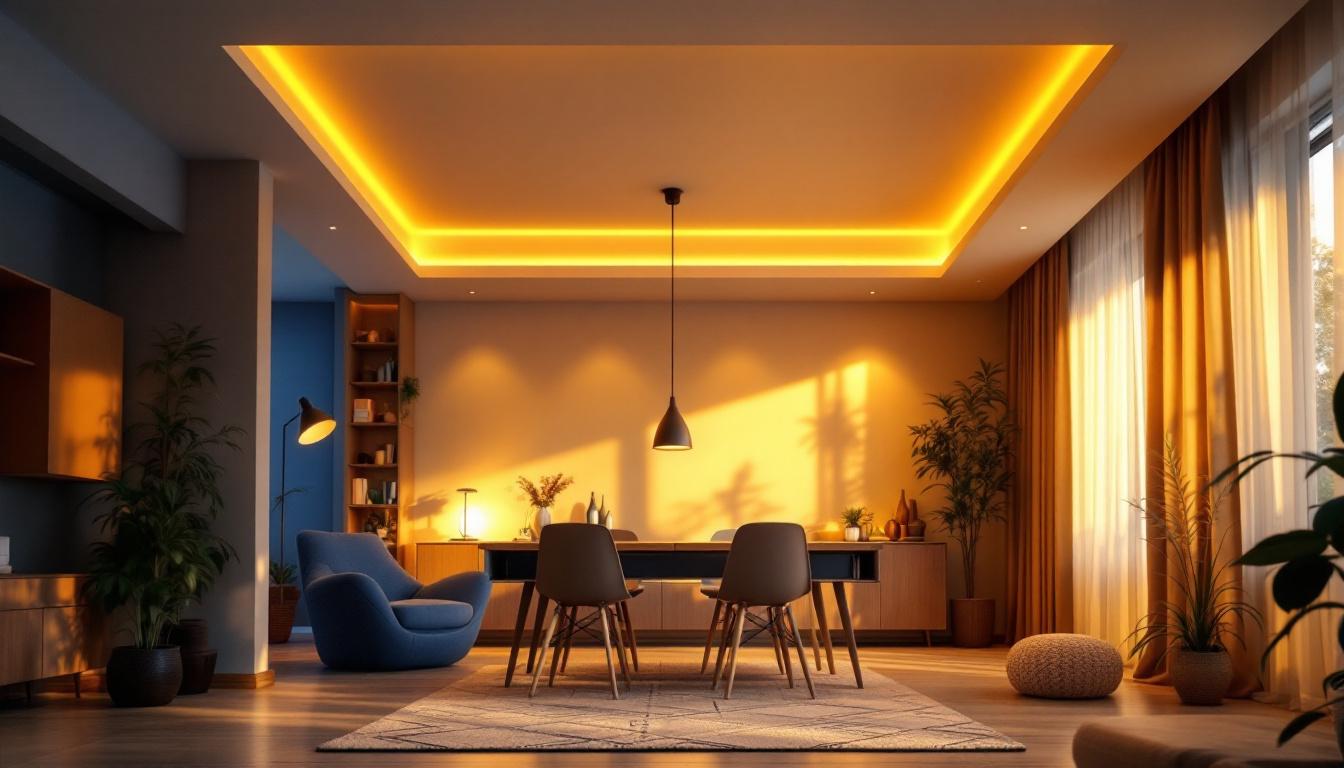
At their core, halogen bulbs are a type of incandescent lighting that uses halogen gas to increase light output and lifespan compared to traditional incandescent bulbs. When installed in can fixtures recessed into ceilings or walls, they offer a clean, modern look that integrates seamlessly into architectural designs. Their bright, crisp light is often favored for accent lighting, task lighting, and ambient illumination.
However, despite their advantages, halogen can lights come with specific considerations that, if overlooked, can lead to costly mistakes. These include issues related to heat management, energy efficiency, compatibility with dimmers, and installation challenges. Understanding these factors upfront helps contractors avoid common pitfalls and ensures client satisfaction.
One of the key benefits of halogen can lights is their excellent color rendering capability. With a Color Rendering Index (CRI) often exceeding 100, halogen lights can illuminate colors more accurately than many other lighting options, making them particularly suitable for spaces where color differentiation is crucial, such as art galleries or retail environments. This quality not only enhances the aesthetic appeal of a space but also plays a significant role in creating an inviting atmosphere for customers and guests alike.
Moreover, halogen can lights are versatile in their application. They can be used in various settings, from kitchens and living rooms to commercial spaces like offices and showrooms. Their ability to be angled and directed allows for creative lighting solutions, such as highlighting architectural features or artwork. Additionally, with the advent of LED replacements for halogen bulbs, contractors now have the option to provide energy-efficient solutions that maintain the desirable qualities of halogen lighting while significantly reducing energy consumption and heat output. This shift not only caters to environmentally conscious clients but also aligns with modern energy efficiency standards, making halogen can lights a relevant choice in today’s market.
“`html
Common Costly Mistakes in Halogen Can Light Projects
Ignoring Heat Dissipation Requirements
One of the most frequent errors contractors make is underestimating the heat generated by halogen bulbs. Halogen lamps can run significantly hotter than LED or CFL alternatives, sometimes reaching temperatures upwards of 250°F (120°C). Without proper heat dissipation, this can cause premature fixture failure, damage to ceiling materials, or even fire hazards.
Manufacturers typically specify clearances around the fixture to allow for adequate airflow. Failing to maintain these clearances, especially in insulated ceilings, can trap heat and compromise safety. Lighting contractors should always verify that the chosen fixtures are rated for insulation contact (IC-rated) if they will be installed in insulated ceilings. Using non-IC rated fixtures in such environments is a common and costly mistake.
Additionally, it is crucial to consider the placement of the fixtures in relation to other elements in the space. For instance, placing halogen lights too close to combustible materials, such as wooden beams or fabric drapes, can exacerbate the risk of fire. Educating clients about the importance of proper fixture placement and heat management can prevent potential disasters and enhance the overall safety of the installation.
Overlooking Energy Efficiency and Operational Costs
While halogen bulbs offer excellent color rendering and brightness, they are less energy-efficient compared to modern alternatives like LEDs. This inefficiency translates into higher energy bills over time, which can be a significant concern for commercial clients or large-scale projects.
Contractors who fail to discuss these operational costs with clients may face dissatisfaction down the line. It is essential to provide a comprehensive lighting plan that considers not only upfront installation costs but also long-term energy consumption and maintenance expenses. In some cases, recommending hybrid solutions—such as dimmable halogen fixtures paired with energy-efficient controls—can balance performance with cost savings.
Moreover, it is beneficial to highlight the environmental impact of energy consumption. Clients are increasingly conscious of their carbon footprint, and presenting the advantages of energy-efficient lighting options can lead to more informed decisions. By illustrating potential savings and environmental benefits, contractors can foster a sense of responsibility and encourage clients to invest in sustainable lighting solutions.
Improper Selection of Bulb Wattage and Beam Angle
Choosing the wrong bulb wattage or beam angle can drastically affect both the aesthetics and functionality of a lighting project. Too high a wattage can cause glare and excessive heat, while too low a wattage might fail to illuminate the space adequately. Similarly, beam angles that are too narrow or too wide can result in uneven lighting, creating unwanted shadows or hotspots.
Lighting contractors should conduct thorough site assessments and work closely with designers or clients to select bulbs that match the intended lighting effect. For example, a 38-degree beam angle is often ideal for general ambient lighting, whereas a 15-degree narrow beam is better suited for accentuating artwork or architectural features.
Furthermore, it is essential to consider the color temperature of the bulbs in conjunction with wattage and beam angle. The color temperature can significantly influence the mood and functionality of a space. A warm white (around 2700K) might be perfect for cozy living areas, while a cooler white (4000K or above) can enhance productivity in workspaces. By integrating these elements into the planning process, contractors can create a cohesive lighting design that meets both aesthetic and practical needs.
“`
Best Practices for Installation and Maintenance
Ensuring Proper Fixture Compatibility and Wiring
Compatibility between fixtures, transformers, and dimmers is critical for halogen can lights. Since halogen bulbs operate on low voltage (typically 12V), they require transformers to step down the standard line voltage. Using an incompatible or undersized transformer can cause flickering, reduced bulb life, or even electrical hazards.
Contractors should always verify the specifications of each component and ensure that transformers are rated for the total wattage of all connected bulbs. Additionally, selecting dimmers designed specifically for halogen lighting will prevent issues such as buzzing or inconsistent dimming performance.
Adhering to Electrical Codes and Safety Standards
Compliance with local electrical codes and safety standards is non-negotiable. This includes using appropriate wiring methods, securing fixtures properly, and installing protective housings where required. For example, in fire-rated ceilings, fixtures must be installed in a way that maintains the ceiling’s fire-resistance rating.
Neglecting these requirements can lead to costly rework, fines, or liability issues. Staying up-to-date with the latest National Electrical Code (NEC) guidelines and manufacturer instructions is essential for professional contractors.
Regular Maintenance and Bulb Replacement Strategies
Halogen bulbs have a shorter lifespan compared to LEDs, typically lasting between 2,000 to 4,000 hours. To minimize downtime and maintenance costs, contractors should advise clients on proper maintenance schedules and easy access for bulb replacement.
Using fixtures with easy-to-remove trims and considering the use of GU10 or MR16 bulbs, which are widely available, can simplify maintenance. Additionally, educating clients about the importance of cleaning lenses and fixtures to prevent dust buildup will help maintain optimal light output.
Advanced Considerations: Upgrading and Integrating Halogen Can Lights
Transitioning to LED Retrofits Without Compromising Quality
Many clients are interested in upgrading existing halogen can lights to LED for improved energy efficiency. While LED retrofit bulbs are available that fit into halogen fixtures, contractors must carefully evaluate compatibility to avoid issues such as flickering, color mismatch, or reduced beam quality.
Key factors include ensuring the LED bulb’s base matches the fixture, verifying transformer compatibility, and selecting LEDs with appropriate color temperature and beam angles. Sometimes, replacing the entire fixture with an LED-integrated can light is more cost-effective in the long run.
Incorporating Smart Lighting Controls
Smart lighting systems offer enhanced control over halogen can lights, including dimming, scheduling, and integration with building automation systems. Contractors should consider these options when designing projects, especially for commercial or high-end residential clients.
Using compatible smart dimmers and controllers can extend the functionality of halogen lighting while improving energy management. However, it is crucial to ensure that all components are interoperable and that the installation meets electrical safety standards.
Designing for Aesthetic and Functional Balance
Lighting is as much about aesthetics as it is about function. Contractors should collaborate with architects and interior designers to achieve a balanced lighting scheme that complements the space’s style and purpose.
For example, combining halogen can lights with wall sconces or pendant lights can create layered lighting that enhances ambiance and usability. Proper placement, spacing, and fixture selection are key to avoiding over-illumination or dark spots.
Conclusion: Delivering Value Through Expertise and Attention to Detail
Halogen can lights remain a versatile and effective lighting solution when installed and maintained correctly. Avoiding costly mistakes requires a deep understanding of their technical requirements, thoughtful planning, and adherence to best practices.
For lighting contractors, investing time in proper product selection, installation techniques, and client education pays dividends in project success and reputation. By staying informed about evolving technologies and industry standards, contractors can confidently recommend and implement halogen can lighting solutions that meet both aesthetic and functional goals.
Ultimately, the key to avoiding costly mistakes lies in a proactive approach—anticipating challenges before they arise and delivering lighting projects that combine safety, efficiency, and beauty.
Get Your Spec-Grade Halogen Can Lights at LumenWholesale
Ready to elevate your lighting projects with the expertise and attention to detail that only LumenWholesale can provide? We offer an extensive selection of spec-grade halogen can lights that meet the highest industry standards, ensuring you deliver safety, efficiency, and beauty in every installation. Take advantage of our unbeatable wholesale prices, free shipping on bulk orders, and the convenience of cutting out the middleman. Visit LumenWholesale today and experience the best value in wholesale lighting for your next project.