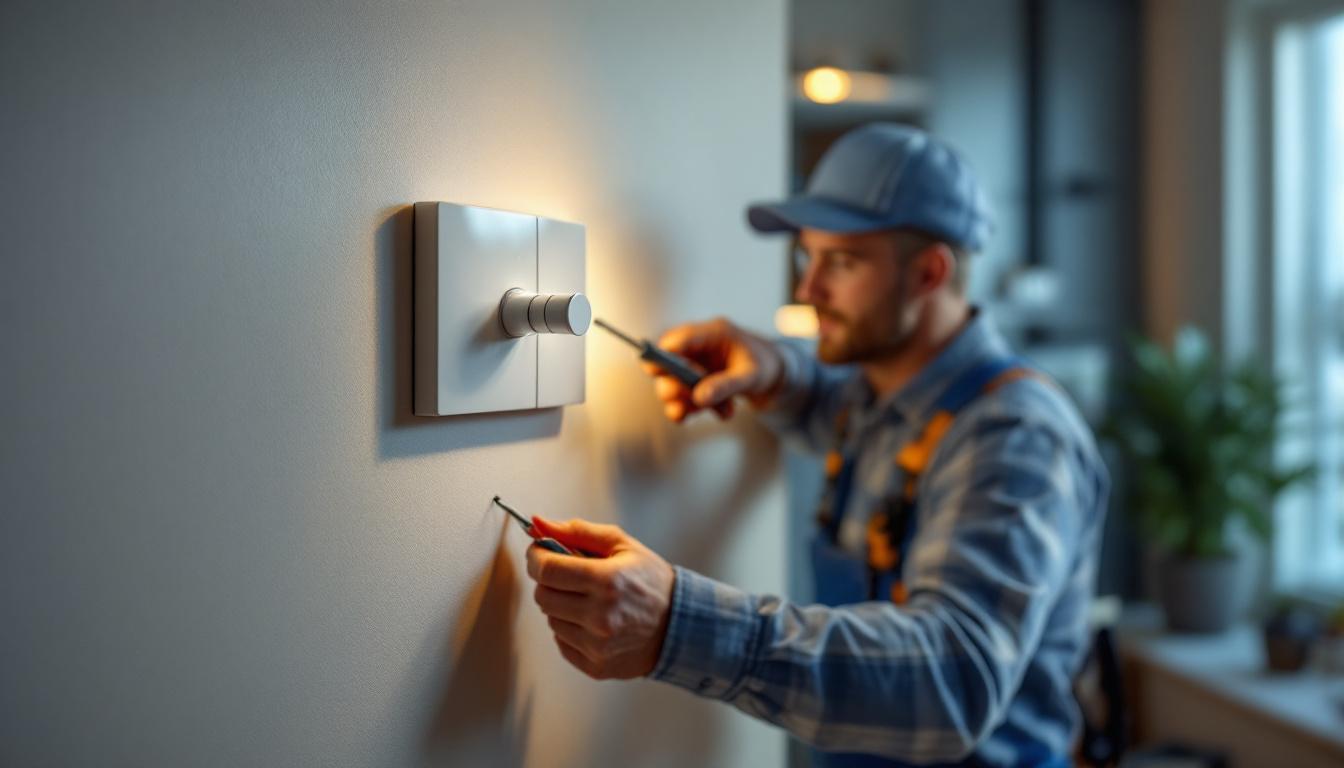
Understanding the Diverse Landscape of Dimmer Switch Styles
Dimmer switches have evolved significantly from the simple rotary knobs of the past to a wide array of sophisticated styles, including slide, toggle, touch-sensitive, and smart dimmers. For lighting contractors, this diversity presents both opportunities and challenges. Selecting the right dimmer switch style for a project is not merely about aesthetics; it involves understanding compatibility with lighting loads, user preferences, and installation environments.
One of the primary challenges contractors face is keeping pace with the rapid innovation in dimmer technology. For instance, LED-compatible dimmers have become essential due to the widespread adoption of LED lighting, which behaves differently from traditional incandescent bulbs. Many older dimmer switches are incompatible with LEDs, leading to flickering, buzzing, or reduced dimming range. Contractors must be well-versed in the nuances of these technologies to ensure optimal performance and customer satisfaction.
Variety of Dimmer Styles and Their Applications
Each dimmer style offers unique benefits and limitations. Rotary dimmers provide intuitive control but may lack the sleekness desired in modern interiors. Slide dimmers offer precise adjustment but can be more prone to mechanical wear. Toggle dimmers combine traditional switch functionality with dimming but may confuse users unfamiliar with their operation. Touch and smart dimmers integrate advanced features like remote control and preset scenes but require more complex installation and troubleshooting.
Understanding these styles in the context of the installation environment—residential, commercial, or hospitality—is critical. For example, a smart dimmer might be ideal for a high-end restaurant seeking customizable ambiance, whereas a simple slide dimmer may suffice for a residential hallway. Furthermore, in commercial settings, the choice of dimmer can greatly influence energy efficiency and operational costs. Businesses are increasingly looking for solutions that not only enhance the aesthetic appeal of their spaces but also contribute to sustainability goals. This trend has led to the rise of dimmers that can be integrated with building management systems, allowing for automated lighting control based on occupancy and natural light levels.
Moreover, the growing trend of home automation has made smart dimmers particularly appealing for residential applications. Homeowners can now control their lighting through smartphone apps or voice-activated devices, creating a seamless integration of technology into their daily lives. This shift not only enhances convenience but also allows for greater customization of lighting scenes to match various activities, from movie nights to dinner parties. As contractors navigate this evolving landscape, staying informed about the latest advancements in dimmer technology and user preferences will be essential for delivering tailored solutions that meet the diverse needs of their clients.
Compatibility Challenges: Matching Dimmer Switches with Lighting Loads
One of the most significant technical challenges for lighting contractors is ensuring that the dimmer switch is compatible with the type of lighting load it controls. The three primary load types are incandescent/halogen, LED, and fluorescent, each with distinct electrical characteristics.
Incandescent and halogen bulbs are resistive loads and generally compatible with most traditional dimmers. However, LED and fluorescent lights are electronic loads with drivers that can cause compatibility issues if paired with incompatible dimmers.
LED Dimming Complexities
LED lighting has become the industry standard due to its energy efficiency and longevity, but it introduces complexity in dimming. LEDs require dimmers specifically designed for low-wattage electronic loads. Using an incompatible dimmer can result in flickering, buzzing, or limited dimming range, frustrating both contractors and end-users.
Furthermore, LED drivers vary widely in quality and design, affecting dimming performance. Lighting contractors must often test dimmer and LED combinations before installation or rely on manufacturer compatibility charts. This process can be time-consuming but is essential to avoid callbacks and maintain professional reputation. Additionally, the rapid evolution of LED technology means that new products frequently enter the market, necessitating ongoing education and adaptation for contractors to stay informed about the latest advancements and compatibility issues.
Fluorescent Lighting and Dimming
Fluorescent dimming is less common today but still relevant in certain commercial and industrial settings. Fluorescent lamps require special dimmers compatible with their ballasts. Mismatched dimmers can cause flickering, reduced lamp life, or failure to dim properly. Contractors must verify ballast compatibility and sometimes replace ballasts to accommodate dimming functionality.
Moreover, the transition from traditional fluorescent lighting to more modern alternatives like LED has led to a decline in the availability of compatible dimmers for fluorescent systems. This scarcity can pose a challenge for contractors working in older buildings where fluorescent lighting is still prevalent. In such cases, they may need to educate clients about the benefits of upgrading to LED systems, which not only offer better dimming capabilities but also contribute to lower energy costs and reduced maintenance requirements over time. As the industry shifts towards more sustainable practices, understanding these compatibility challenges becomes crucial for contractors aiming to provide effective and future-proof lighting solutions.
Installation and Wiring Challenges
Dimmer switch installation is often more complex than installing a standard on/off switch. Lighting contractors must navigate various wiring configurations, including single-pole, three-way, and multi-location dimming setups. Each configuration demands a precise understanding of electrical wiring principles and the specific dimmer’s requirements. Moreover, the growing popularity of smart dimmers adds another layer of complexity, as these devices often incorporate wireless technology and require integration with home automation systems, necessitating a deeper knowledge of both electrical systems and network connectivity.
Wiring Configurations and Troubleshooting
Three-way dimming circuits, which allow control from two locations, are particularly challenging. Incorrect wiring can lead to non-functional dimmers, flickering lights, or even electrical hazards. Contractors must carefully follow manufacturer instructions and often use specialized tools such as circuit testers and voltage detectors to verify correct wiring. Additionally, the presence of older wiring systems can complicate matters further; for instance, if the existing wiring is frayed or outdated, it may not support modern dimmer technology, leading to potential safety risks. In such cases, contractors may need to recommend a complete rewiring of the circuit to ensure safety and functionality.
Additionally, some advanced dimmers require a neutral wire for operation, which older homes may lack. In such cases, contractors face the challenge of retrofitting wiring or selecting alternative dimmer models that do not require a neutral connection. This can involve creative solutions, such as using wireless dimmers that communicate with a hub, thus bypassing the need for a neutral wire altogether. However, these solutions often come with their own set of challenges, including ensuring compatibility with existing fixtures and the potential need for additional hubs or bridges to connect the devices.
Load Capacity and Multiple Fixtures
Another installation consideration is the total wattage load on a dimmer. Exceeding the dimmer’s rated capacity can cause overheating and premature failure. Conversely, very low loads may cause flickering or inconsistent dimming. When controlling multiple fixtures, contractors must calculate the total load accurately and select dimmers rated accordingly. This is especially crucial in spaces with multiple light sources, such as living rooms or dining areas, where the aesthetic and functional aspects of lighting play a significant role in the overall ambiance. Furthermore, contractors should consider the types of bulbs being used, as LED and CFL bulbs have different load characteristics compared to traditional incandescent bulbs, which can affect the performance of the dimmer.
Customer Expectations and Aesthetic Considerations
Beyond technical challenges, lighting contractors must address customer expectations regarding the look and feel of dimmer switches. Dimmer switches are often visible elements in a room’s design, and clients expect them to complement their décor seamlessly.
Matching Dimmer Styles to Interior Design
Modern interiors may call for minimalist touch dimmers with sleek glass panels, while traditional homes might favor classic rotary or toggle styles. Contractors must be familiar with a wide range of dimmer designs and finishes, including white, ivory, black, stainless steel, and customizable faceplates.
Offering clients a variety of options and explaining the functional differences can enhance customer satisfaction and reduce post-installation dissatisfaction. Contractors who can advise on both technical and aesthetic aspects position themselves as trusted experts.
User Interface and Accessibility
Ease of use is another critical factor. Some clients prefer simple, tactile controls, while others desire programmable or remote-controlled dimmers. Accessibility considerations, such as dimmers with large buttons or voice control compatibility, are increasingly important, especially in homes with elderly or disabled residents.
Emerging Technologies and Future-Proofing Installations
The lighting industry is rapidly embracing smart home technologies, integrating dimmers with Wi-Fi, Bluetooth, and voice assistants. While these innovations offer exciting possibilities, they also introduce new challenges for lighting contractors.
Smart Dimmer Installation and Integration
Smart dimmers often require network setup, firmware updates, and compatibility checks with other smart devices. Contractors must develop skills beyond traditional electrical work, including basic networking and troubleshooting smart home ecosystems.
Moreover, smart dimmers may have different wiring requirements and may not be compatible with all lighting loads. Contractors need to stay informed about the latest products and standards to provide reliable installations.
Ensuring Longevity and Client Satisfaction
Future-proofing installations by selecting dimmers that support firmware updates and are compatible with emerging standards can save clients from costly upgrades later. Educating clients about the benefits and limitations of smart dimmers helps manage expectations and fosters long-term satisfaction.
Conclusion: Navigating the Complexities of Dimmer Switch Styles
Lighting contractors face a multifaceted set of challenges when working with dimmer switch styles. From technical compatibility and wiring complexities to aesthetic choices and emerging smart technologies, success requires a comprehensive understanding of the products and the needs of the end user.
By staying informed about the latest developments, rigorously testing dimmer and lighting combinations, and effectively communicating options to clients, contractors can overcome these challenges and deliver installations that enhance both functionality and ambiance.
Ultimately, mastering dimmer switch styles is not just about controlling light levels—it’s about illuminating spaces in ways that meet modern demands for efficiency, design, and user experience.
Illuminate Your Projects with LumenWholesale
As you navigate the complexities of dimmer switch styles and seek to meet the modern demands for efficiency, design, and user experience, LumenWholesale is here to support you. We provide contractors with top-quality, spec-grade lighting products at unbeatable wholesale prices, ensuring you can tackle any challenge without compromise. With our extensive selection that meets the highest industry standards, you’ll find the perfect lighting solutions for your projects. Take advantage of our hassle-free bulk buying and free shipping to get premium lighting at the best value. Elevate your lighting installations today by visiting Wholesale Lighting at the Best Value and experience the LumenWholesale difference.