Understanding Handheld Ultraviolet Light Technology
Handheld ultraviolet (UV) light devices have become increasingly prevalent in various industries, including lighting contracting. These tools emit UV radiation, typically in the UVA or UV-C spectrum, and serve diverse purposes ranging from inspection and curing to sanitation. For lighting contractors, understanding the technical aspects and practical applications of handheld UV lights is essential to leverage their benefits safely and effectively.
UV light is categorized into three types based on wavelength: UVA (315–400 nm), UVB (280–315 nm), and UVC (100–280 nm). Handheld devices commonly use UVA for inspection purposes, such as detecting leaks or verifying coatings, while UVC is primarily used for germicidal applications. Recognizing these distinctions helps contractors select the right tool for specific tasks and ensures compliance with safety standards.
Key Features of Handheld UV Lights
Modern handheld UV lights are designed with portability, durability, and efficiency in mind. Many models feature rechargeable lithium-ion batteries, adjustable intensity settings, and ergonomic designs to facilitate prolonged use on job sites. Additionally, some devices incorporate filters or lenses to focus the UV beam, enhancing precision during inspections or curing processes.
For lighting contractors, features such as water resistance and impact protection are particularly valuable, given the demanding environments in which these tools are often employed. Moreover, the availability of various wavelengths within a single device can provide versatility, enabling contractors to perform multiple functions without switching tools.
In addition to their practical applications, handheld UV lights can also play a crucial role in enhancing workplace safety. For instance, the use of UV-C light for disinfection has gained traction in recent years, especially in response to heightened awareness of hygiene standards. By effectively eliminating pathogens on surfaces, these devices can help contractors maintain a safer work environment, protecting both employees and clients. Furthermore, the integration of smart technology in some models allows for real-time monitoring and data logging, providing contractors with valuable insights into their sanitation practices and compliance with health regulations.
Another significant aspect of handheld UV lights is their role in energy efficiency. As industries move towards more sustainable practices, the ability to quickly cure materials or inspect for defects without the need for excessive energy consumption becomes increasingly important. Many handheld UV devices utilize LED technology, which not only extends the lifespan of the tool but also reduces the carbon footprint associated with traditional UV light sources. This shift towards energy-efficient solutions aligns with the broader goals of reducing environmental impact while maintaining high standards of performance in the lighting contracting industry.
Applications of Handheld UV Light in Lighting Contracting
Handheld UV lights offer a range of practical applications that can improve efficiency, accuracy, and safety in lighting projects. Recognizing these uses enables contractors to integrate UV technology seamlessly into their workflows.
Inspection and Quality Control
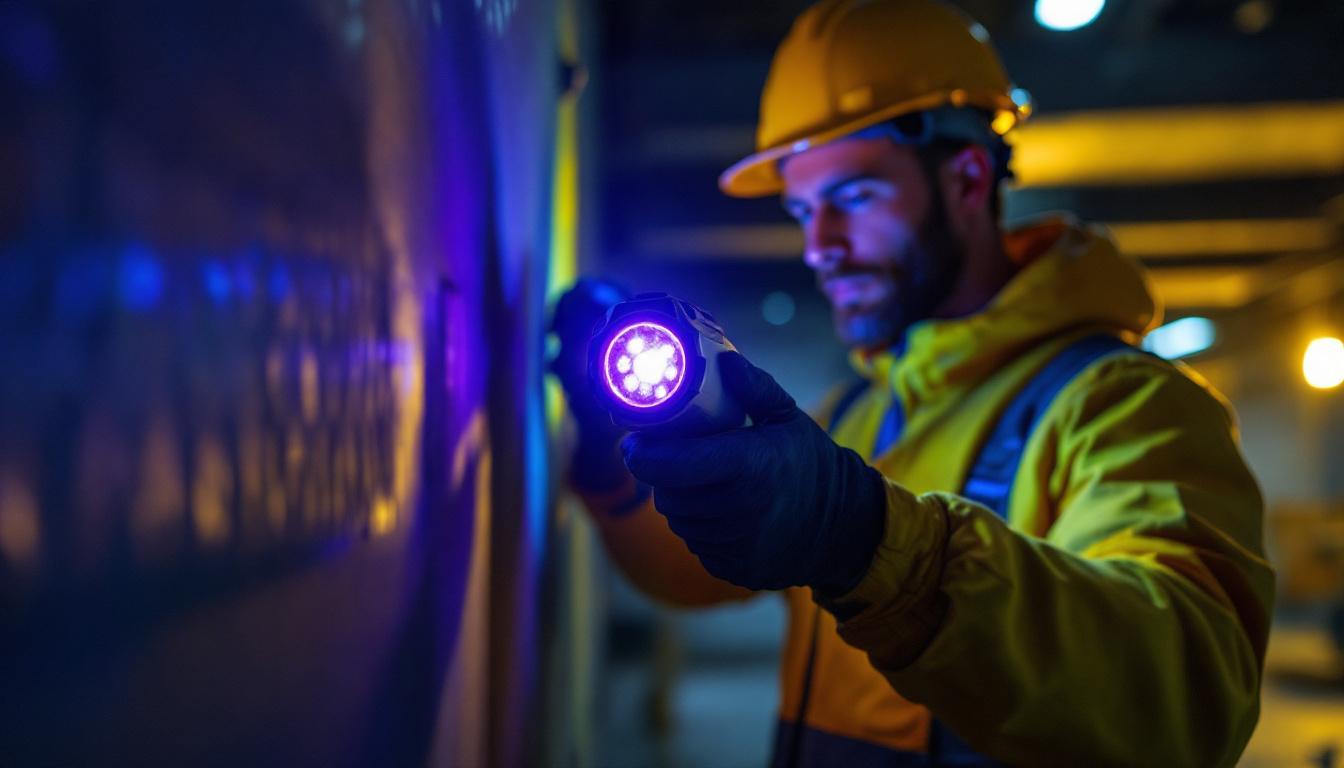
One of the most common uses of handheld UV lights in lighting contracting is inspection. UV light can reveal defects or inconsistencies that are invisible under normal lighting conditions. For example, contractors can use UV light to detect cracks, leaks, or contamination on surfaces such as lenses, fixtures, and wiring insulation.
Additionally, UV light aids in verifying the proper application of coatings and adhesives. Many sealants and coatings fluoresce under UV light, allowing contractors to confirm coverage and uniformity quickly. This capability reduces the risk of premature failures and costly rework. Furthermore, the ability to perform real-time inspections enhances overall project quality, as any issues can be addressed immediately, ensuring that the final installation meets both aesthetic and functional standards.
UV Curing of Materials
UV curing technology is widely used in the lighting industry to accelerate the hardening of adhesives, coatings, and inks. Handheld UV lights provide a convenient solution for on-site curing, especially in tight or hard-to-reach areas where larger curing systems are impractical.
By using UV light to cure materials, contractors benefit from faster project turnaround times and improved bond strength. This method also reduces the need for heat, minimizing the risk of damage to sensitive components. Understanding the appropriate wavelength and exposure time is critical to achieving optimal curing results. Moreover, the versatility of handheld UV lights allows contractors to adapt their curing processes to various materials, including plastics and composites, which are increasingly used in modern lighting designs.
Sanitation and Safety Measures
In recent years, the germicidal properties of UVC light have gained attention for sanitation purposes. Lighting contractors working in healthcare facilities, laboratories, or public spaces may use handheld UVC devices to disinfect surfaces and equipment.
While effective, UVC light requires careful handling due to its potential health hazards. Contractors must follow strict safety protocols to prevent skin and eye exposure, including the use of protective gear and adherence to manufacturer guidelines. Proper training and awareness are essential to harness the benefits of UVC sanitation without compromising safety. Additionally, as the demand for cleanliness in public spaces continues to rise, contractors who are proficient in UVC sanitation techniques can offer a competitive edge, positioning themselves as leaders in the industry. This not only enhances their service offerings but also builds trust with clients who prioritize health and safety in their environments.
Safety Considerations and Best Practices
Safety is paramount when working with handheld UV lights. Exposure to UV radiation can cause skin burns, eye injuries, and long-term health effects. Lighting contractors must implement comprehensive safety measures to protect themselves and others on the job site.
Personal Protective Equipment (PPE)
Using appropriate PPE is the first line of defense against UV exposure. Contractors should wear UV-blocking safety glasses or goggles, gloves, and protective clothing when operating handheld UV devices. These measures minimize the risk of accidental exposure and ensure compliance with occupational health standards.
In addition to PPE, contractors should educate their teams about the dangers of UV light and the importance of maintaining safe distances from active devices. Clear signage and barriers can help prevent unauthorized access to areas where UV light is in use.
Operational Guidelines
Adhering to manufacturer instructions is critical for safe and effective use of handheld UV lights. Contractors should verify the device’s wavelength, intensity, and recommended exposure times before each use. Overexposure can damage materials or compromise safety, while underexposure may yield inadequate results.
Regular maintenance and inspection of UV devices ensure consistent performance and reduce the risk of malfunction. This includes checking batteries, cleaning lenses, and verifying output intensity with calibrated meters when available.
Regulatory Compliance
Lighting contractors must stay informed about regulatory requirements related to UV light usage. Agencies such as the Occupational Safety and Health Administration (OSHA) provide guidelines for UV radiation exposure limits and workplace safety practices.
Compliance not only protects workers but also mitigates liability risks. Contractors should document safety training, equipment maintenance, and exposure monitoring as part of their health and safety programs.
Choosing the Right Handheld UV Light for Your Projects
Selecting the appropriate handheld UV light involves evaluating several factors, including the intended application, device specifications, and budget constraints. Making an informed choice enhances productivity and ensures safety on the job.
Wavelength and Intensity
The choice of wavelength depends on the task at hand. For inspection and curing, UVA devices (around 365 nm) are typically preferred due to their effectiveness and lower health risks compared to shorter wavelengths. For disinfection, UVC devices (254 nm) are necessary but require stricter safety protocols.
Intensity or irradiance affects the speed and quality of results. Higher intensity devices can reduce exposure times but may increase safety risks if not handled properly. Contractors should balance power output with operational safety and efficiency.
Portability and Durability
Given the dynamic nature of lighting projects, portability is a key consideration. Lightweight, compact UV lights with ergonomic grips facilitate ease of use in confined spaces or at heights. Durability features such as shock resistance and weatherproofing extend the device’s lifespan and reliability.
Additional Features
Advanced features like adjustable beam focus, multiple wavelength options, and battery life indicators can enhance usability. Some devices also offer compatibility with accessories such as tripods or remote controls, providing greater flexibility for complex tasks.
Integrating Handheld UV Light into Your Workflow
Successfully incorporating handheld UV light technology into lighting contracting operations requires planning, training, and continuous evaluation.
Training and Skill Development
Proper training ensures that contractors and technicians understand the capabilities and limitations of UV devices. Training programs should cover operational techniques, safety protocols, and troubleshooting procedures. Hands-on practice helps build confidence and proficiency.
Workflow Optimization
Integrating UV light inspections or curing steps into project schedules can streamline processes and reduce downtime. For example, using UV curing to accelerate adhesive setting can shorten wait times between assembly stages, improving overall project timelines.
Contractors should also establish protocols for documenting UV light usage, including inspection results and maintenance records, to maintain quality control and accountability.
Collaborating with Clients and Stakeholders
Educating clients about the benefits and safety considerations of handheld UV light can enhance trust and project outcomes. Transparent communication regarding the technology’s role in quality assurance or sanitation demonstrates professionalism and commitment to best practices.
Engaging with manufacturers and industry experts can also provide valuable insights into emerging UV technologies and applications, keeping contractors at the forefront of innovation.
Conclusion
Handheld ultraviolet light devices offer lighting contractors powerful tools for inspection, curing, and sanitation. By understanding the technology, adhering to safety standards, and selecting the right equipment, contractors can improve project quality and efficiency. Ongoing training and thoughtful integration into workflows ensure that UV light technology becomes a valuable asset rather than a hazard.
As the lighting industry continues to evolve, staying informed about advancements in UV technology and regulatory developments will help contractors maintain competitive advantages and deliver superior service to their clients.
Equip Your Projects with the Best UV Lighting Solutions
Ready to elevate your lighting projects with the most efficient and safe UV lighting technology? Look no further than LumenWholesale for all your handheld ultraviolet light needs. Our extensive selection of spec-grade lighting products is designed to meet the highest industry standards, ensuring you get the reliable, high-performance lighting that your projects deserve. With unbeatable wholesale prices and the convenience of free shipping on bulk orders, you can trust LumenWholesale to provide premium lighting solutions at the best value. Don’t let hidden fees or inflated markups compromise your work. Choose LumenWholesale for quality, affordability, and convenience. Wholesale Lighting at the Best Value is just a click away.