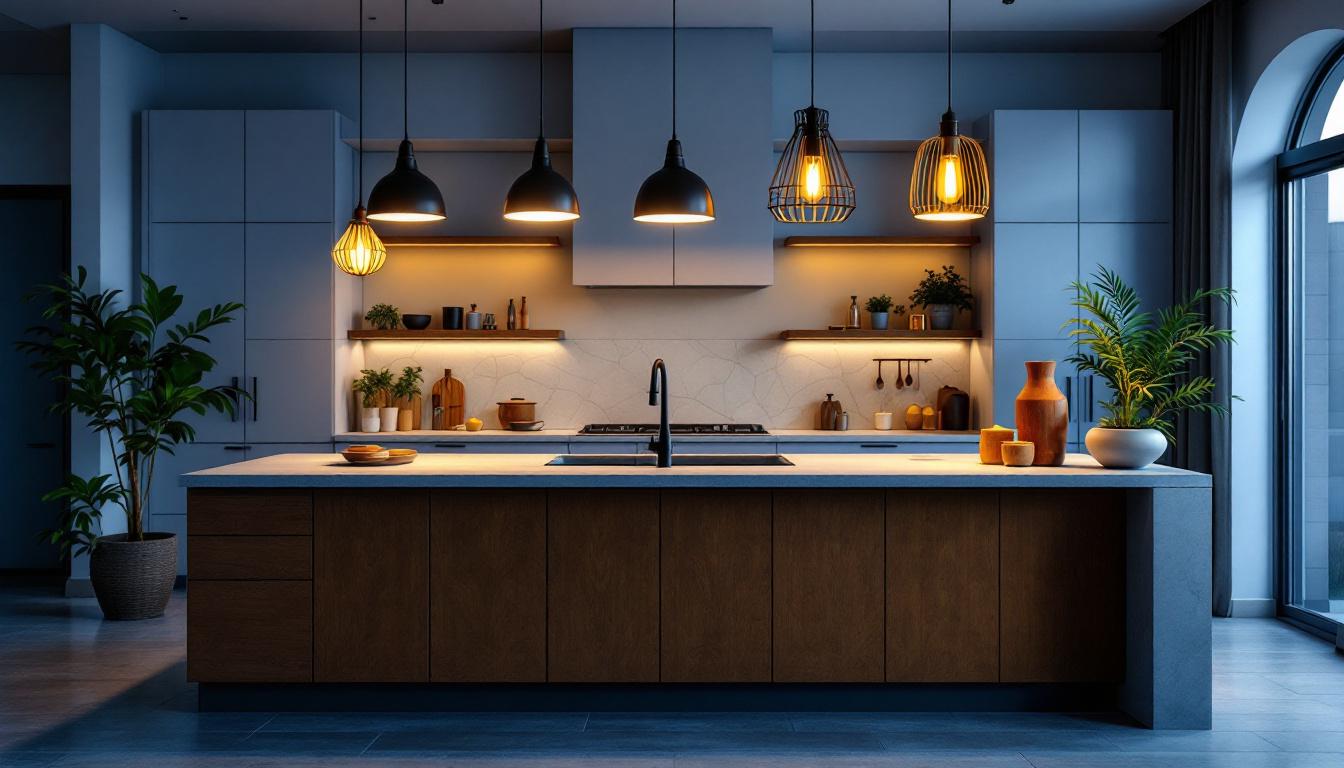
Why Tracks Matter in LED Strip Lighting Projects
LED strip lights have revolutionized the way lighting contractors approach both residential and commercial projects. Their flexibility, energy efficiency, and sleek design make them a popular choice. However, the installation process can sometimes be cumbersome, especially when dealing with long runs or complex layouts. This is where tracks for LED strip lights come into play.
Tracks serve as mounting channels that provide a stable, clean, and professional finish for LED strips. They not only protect the strips but also simplify installation and maintenance. For contractors aiming to boost efficiency without compromising quality, understanding the benefits and applications of tracks is crucial.
One of the significant advantages of using tracks is their ability to facilitate the seamless integration of LED strips into various environments. Whether it’s a modern kitchen, a retail space, or an office, tracks can be customized to fit any design aesthetic. This adaptability allows for creative lighting solutions that enhance the ambiance and functionality of a space. Additionally, tracks can be equipped with features like diffusers, which help to soften the light output and reduce glare, creating a more inviting atmosphere.
Moreover, tracks can significantly improve the longevity of LED strip lights. By providing a protective housing, tracks shield the strips from dust, moisture, and physical damage, which can lead to premature failure. This is particularly important in high-traffic areas or environments where the lighting may be exposed to the elements. Furthermore, tracks often come with built-in heat dissipation capabilities, ensuring that the LED strips operate at optimal temperatures, thereby extending their lifespan and maintaining consistent performance over time.
Streamlining Installation with LED Strip Light Tracks
Faster, Cleaner Mounting
One of the biggest challenges with LED strip lighting is ensuring the strips are mounted straight and securely. Tracks eliminate guesswork by providing a precise channel that holds the strip firmly in place. This reduces installation time significantly, especially on longer runs where alignment is critical.
Tracks often come with pre-drilled holes or mounting clips, allowing for quick attachment to surfaces like drywall, wood, or metal. This eliminates the need for adhesives or complicated mounting methods that can slow down the process or damage surfaces. Additionally, many tracks are designed with a snap-in feature that allows for easy installation and removal of the LED strips, making it simple to replace or upgrade lighting without the hassle of redoing the entire setup.
Moreover, the clean lines of track-mounted LED strips create a modern aesthetic that enhances the overall look of any space. Whether used in residential settings, commercial spaces, or creative installations, the seamless appearance of track lighting can elevate the design, making it not just functional but also visually appealing. This is particularly important in environments where ambiance plays a crucial role, such as restaurants, retail stores, or art galleries.
Improved Heat Dissipation and Longevity
LED strips generate heat during operation, which if not managed properly, can reduce their lifespan. Tracks, usually made from aluminum, act as heat sinks by drawing heat away from the LEDs. This thermal management not only extends the life of the strip lights but also maintains consistent light output over time.
For contractors, this means fewer callbacks and warranty issues. Clients benefit from a durable lighting solution that performs well for years. Furthermore, the efficient heat dissipation provided by the tracks can lead to reduced energy consumption, as the LEDs can operate at optimal temperatures without the risk of overheating. This efficiency not only contributes to lower electricity bills but also aligns with eco-friendly practices, appealing to environmentally conscious consumers.
In addition, many tracks are designed with versatility in mind, allowing for various configurations and angles. This flexibility enables designers to create unique lighting effects, such as indirect lighting or accent lighting, enhancing the functionality of the space. With the ability to customize the lighting layout, users can highlight architectural features or artwork, creating a dynamic and engaging atmosphere that can adapt to different needs and occasions.
Enhancing Aesthetics and Functionality
Seamless Integration into Designs
Tracks allow LED strips to be recessed or surface-mounted in a way that looks intentional and refined. Whether it’s under-cabinet lighting, cove lighting, or accent illumination, tracks help achieve clean lines and reduce glare by incorporating diffusers or lenses.
Diffusers soften the light, eliminating hotspots and creating a uniform glow. This is especially important in commercial settings like retail or hospitality, where lighting quality directly impacts ambiance and customer experience. For instance, in a high-end restaurant, the right lighting can enhance the dining experience, making food appear more appetizing while also creating a warm and inviting atmosphere. Similarly, in retail spaces, effective lighting can highlight products and draw customers’ attention, ultimately influencing their purchasing decisions.
Customization and Flexibility
Tracks come in various shapes and sizes, including corner profiles and flexible channels. This versatility lets contractors adapt to different architectural details and lighting needs without custom fabrication. Modular track systems can be cut to length and combined to fit complex layouts, saving time and minimizing waste. Furthermore, the ability to easily reposition or reconfigure tracks allows for future adjustments as design trends evolve or as the function of a space changes. This adaptability is particularly beneficial in environments such as offices or galleries, where layouts may need to be modified to accommodate new technologies or exhibits.
Moreover, the customization options extend beyond just shape and size; they also include finishes and colors that can complement any design scheme. From sleek metallics to matte blacks or whites, track systems can blend seamlessly with various interior styles, whether modern, industrial, or classic. This attention to detail ensures that the lighting not only serves its functional purpose but also enhances the overall aesthetic appeal of the space, creating a cohesive look that resonates with the intended design vision.
Cost Efficiency and Project Management Benefits
Reduced Labor Costs
Labor is often the largest expense in lighting projects. Using tracks simplifies the installation process, reducing the time workers spend on mounting and aligning LED strips. This efficiency translates directly into lower labor costs and faster project completion.
Additionally, the ease of installation means less risk of errors or damage that could require rework. This reliability helps keep projects on schedule and within budget. Moreover, the streamlined installation process allows project managers to allocate their workforce more effectively, enabling them to tackle multiple projects simultaneously without compromising quality or safety. As a result, companies can take on more work and increase their overall profitability, all while maintaining high standards of craftsmanship.
Inventory and Maintenance Advantages
Tracks standardize the mounting system, making it easier to stock compatible components and replacement parts. For maintenance teams, this means quicker repairs and less downtime. LED strips can be easily removed and replaced without damaging the mounting surface, a significant advantage in commercial or industrial environments.
This standardization also extends to the training of maintenance personnel, as they can become proficient in handling a uniform system rather than navigating a patchwork of different setups. With a well-organized inventory of standardized parts, businesses can streamline their supply chain management, reducing the need for excessive storage space and minimizing the risk of overstocking or stockouts. Additionally, this predictability in inventory can lead to better negotiation terms with suppliers, further enhancing cost efficiency and operational effectiveness.
Practical Considerations When Choosing LED Strip Light Tracks
Material and Durability
Aluminum tracks are the most common due to their excellent heat dissipation and lightweight properties. However, some projects may require stainless steel or plastic tracks for specific environmental conditions, such as high moisture or corrosive atmospheres.
Contractors should assess the installation environment carefully to select a track material that offers both durability and performance.
Compatibility with LED Strips and Accessories
Not all tracks fit every LED strip. It’s essential to verify the width and thickness of the LED strip and ensure the track accommodates it comfortably. Some tracks also support integrated diffusers or lenses, which can enhance the finished look and light quality.
Considering the power supply and wiring management is also important. Tracks with built-in channels for cables can streamline wiring and reduce clutter.
Ease of Installation Features
Look for tracks with features that simplify installation, such as snap-in diffusers, pre-drilled mounting holes, or adjustable mounting clips. These can save valuable time on site and reduce the need for specialized tools.
Case Studies: How Tracks Improved Project Outcomes
Retail Store Lighting Upgrade
A regional retail chain recently upgraded its store lighting to LED strip lights mounted in aluminum tracks. The tracks allowed for rapid installation across multiple locations, reducing labor time by nearly 30%. The integrated diffusers provided uniform lighting that enhanced product displays, leading to increased customer engagement.
Hospitality Venue Accent Lighting
In a boutique hotel, LED strip lights were installed in recessed tracks along corridors and common areas. The tracks ensured clean lines and protected the strips from accidental damage. Maintenance staff reported easier access for bulb replacement, reducing downtime and labor costs.
Final Thoughts on Using Tracks for LED Strip Lights
For lighting contractors, tracks for LED strip lights are more than just a mounting accessory-they are a tool to improve efficiency, quality, and client satisfaction. By simplifying installation, enhancing durability, and improving aesthetics, tracks help deliver professional results faster and with fewer headaches.
Choosing the right track system involves considering material, compatibility, and installation features. When done right, the investment pays off in smoother project execution and long-term performance.
Incorporating tracks into LED strip lighting projects is a smart strategy that benefits contractors and clients alike, turning a simple lighting upgrade into a seamless, high-quality experience.
Upgrade Your Lighting Projects with LumenWholesale
Ready to take your LED strip lighting projects to the next level? Discover the efficiency and quality that LumenWholesale can bring to your work. With our extensive selection of spec-grade lighting products, you’ll find the perfect tracks for your LED strip lights at unbeatable wholesale prices. Say goodbye to inflated markups and hello to reliable, high-performance lighting that fits your budget. Plus, enjoy the convenience of free shipping on bulk orders. Elevate your lighting projects today by visiting Wholesale Lighting at the Best Value and experience the LumenWholesale difference.