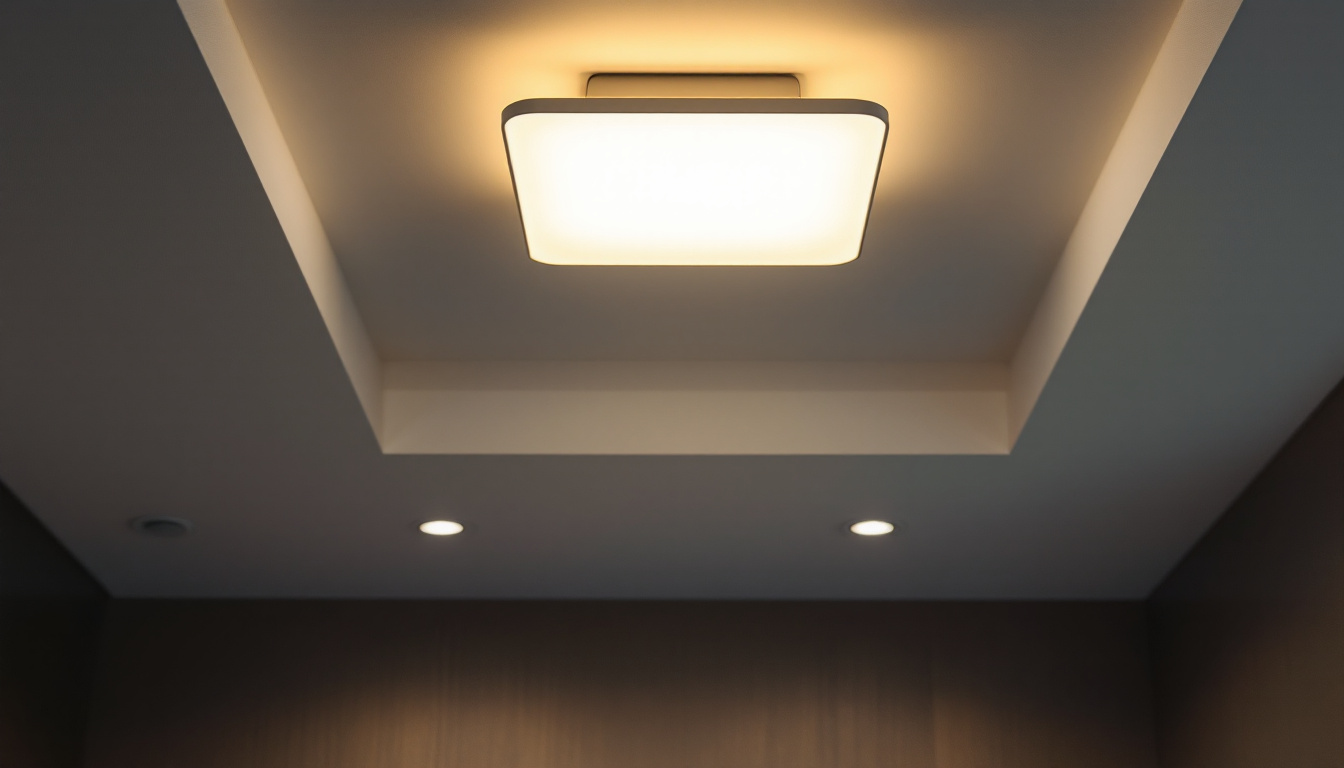
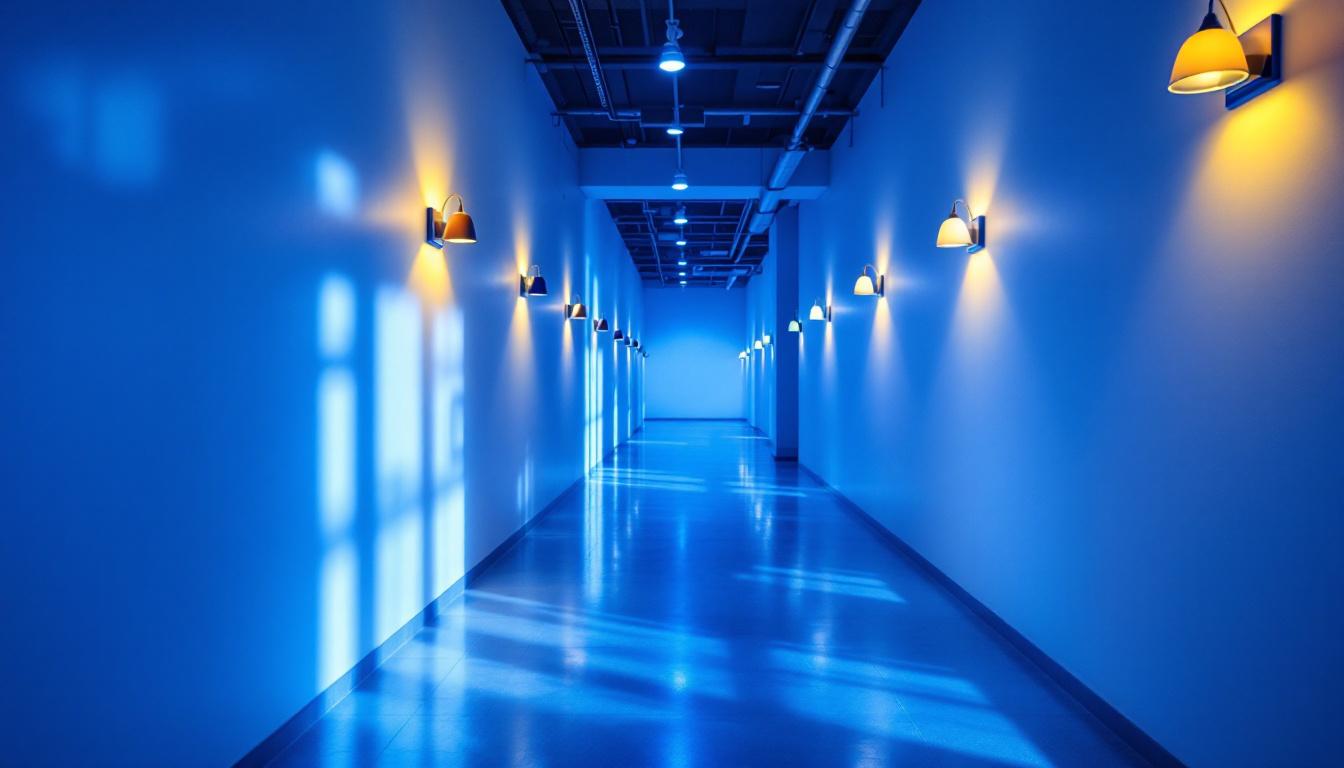
Understanding the Industrial Lighting Wall Concept
In the realm of industrial lighting, the term “industrial lighting wall” refers to a comprehensive display or system showcasing the latest lighting technologies, fixtures, and control solutions specifically designed for industrial environments. These walls serve as a centralized hub for contractors to evaluate and compare lighting options, enabling informed decisions that optimize both performance and energy efficiency.
For lighting contractors, staying abreast of the developments featured on industrial lighting walls is crucial. These displays often include cutting-edge LED fixtures, smart lighting controls, and durable materials engineered to withstand harsh industrial conditions. By familiarizing themselves with these innovations, contractors can offer clients solutions that improve workplace safety, reduce operational costs, and meet evolving regulatory standards.
Moreover, industrial lighting walls often incorporate interactive elements that allow contractors and clients to visualize how different lighting solutions will perform in real-world scenarios. For instance, some displays may feature simulation tools that showcase the impact of various light levels and color temperatures on productivity and mood within a workspace. This hands-on approach not only enhances understanding but also fosters a collaborative environment where clients can express their specific needs and preferences, leading to tailored lighting solutions that truly enhance their operational efficiency.
Additionally, these walls frequently highlight the importance of sustainability in industrial lighting. Many modern fixtures are designed with energy-efficient technologies that significantly reduce power consumption, which is not only cost-effective but also environmentally responsible. Contractors can leverage this information to educate clients about the long-term benefits of investing in sustainable lighting solutions, such as lower utility bills and potential tax incentives. As industries increasingly prioritize sustainability, being knowledgeable about eco-friendly lighting options can set contractors apart in a competitive market.
The Importance of Staying Updated in Industrial Lighting
Rapid Technological Advancements
Industrial lighting technology evolves at a rapid pace. Advances in LED efficiency, sensor integration, and wireless control systems continuously reshape what is possible within industrial environments. For example, modern LED fixtures can deliver superior illumination while consuming up to 70% less energy than traditional lighting sources. Additionally, smart lighting systems enable real-time monitoring and adaptive control, enhancing both energy savings and operational flexibility.
Lighting contractors who remain current with these trends are better positioned to recommend solutions that maximize client benefits. Conversely, those who rely on outdated knowledge risk specifying products that may soon become obsolete or fail to meet new efficiency benchmarks. Furthermore, the integration of IoT (Internet of Things) technology into lighting systems allows for unprecedented levels of customization and automation. Facilities can now utilize data analytics to optimize lighting schedules based on occupancy patterns, significantly reducing energy waste and improving overall productivity within the workspace.
Compliance with Regulatory Standards
Industrial facilities are subject to stringent lighting regulations aimed at ensuring safety, energy efficiency, and environmental responsibility. Standards such as those set by the Occupational Safety and Health Administration (OSHA) and the Illuminating Engineering Society (IES) dictate minimum illumination levels, glare control, and energy consumption limits.
Staying updated on the latest standards and how they apply to lighting products is essential for contractors. This knowledge not only helps avoid costly compliance issues but also enhances the contractor’s reputation as a trusted expert capable of delivering code-compliant installations. In addition to OSHA and IES guidelines, contractors must also be aware of local and state regulations that may impose additional requirements, such as energy efficiency mandates or sustainability certifications. Understanding these multifaceted regulations allows contractors to provide comprehensive solutions that not only meet but exceed client expectations, fostering long-term partnerships built on trust and reliability.
Key Benefits of Utilizing an Industrial Lighting Wall
Hands-On Product Evaluation
An industrial lighting wall provides contractors with the opportunity to interact directly with a variety of lighting products under controlled conditions. This hands-on experience is invaluable for understanding fixture brightness, color temperature, beam angles, and mounting options. Such tactile evaluation helps contractors make more precise recommendations tailored to the unique needs of each industrial space. Additionally, the ability to physically manipulate the fixtures allows contractors to gauge the build quality and design aesthetics, ensuring that the chosen lighting solutions not only perform well but also integrate seamlessly into the overall environment.
Comparative Analysis for Optimal Solutions
By displaying multiple products side-by-side, lighting walls facilitate direct comparison of features and performance metrics. Contractors can assess factors such as energy consumption, lumen output, and durability in one consolidated location. This comparative approach streamlines the selection process, enabling contractors to identify the best value and most suitable technology for their projects. Furthermore, this side-by-side analysis can highlight innovative features that may not be immediately apparent in product specifications, such as advanced control systems or compatibility with smart building technologies, thus empowering contractors to make informed decisions that align with the latest industry trends.
Access to Expert Insights and Training
Many industrial lighting walls are accompanied by educational resources, including product datasheets, installation guides, and staff expertise. Contractors can leverage these resources to deepen their understanding of emerging technologies and installation best practices. Continuous learning through these platforms enhances professional development and ensures contractors remain competitive in the market. Moreover, workshops and training sessions often held in conjunction with these displays provide an interactive forum for contractors to engage with manufacturers, ask questions, and gain firsthand knowledge about the latest innovations in lighting design and energy efficiency. This collaborative environment fosters a community of learning that can lead to improved project outcomes and stronger client relationships.
Emerging Trends Highlighted on Industrial Lighting Walls
Integration of IoT and Smart Controls
One of the most transformative trends in industrial lighting is the integration of Internet of Things (IoT) technology. Smart lighting systems enable remote monitoring, automated scheduling, occupancy sensing, and adaptive brightness control. These capabilities not only reduce energy waste but also improve workplace safety by ensuring optimal lighting conditions at all times. For instance, in large warehouses, IoT-enabled systems can adjust lighting levels based on real-time occupancy data, ensuring that areas are well-lit when needed and dimmed when unoccupied, thus maximizing energy efficiency.
Lighting contractors familiar with these smart systems can offer clients advanced solutions that align with Industry 4.0 initiatives, promoting more connected and efficient industrial operations. Moreover, the data collected from these systems can provide valuable insights into usage patterns, allowing businesses to make informed decisions about their lighting needs and further optimize their energy consumption strategies.
Advancements in LED Technology
LED technology continues to advance, with improvements in efficacy, color rendering, and lifespan. Newer LED fixtures deliver higher lumens per watt, meaning brighter light with less energy consumption. Additionally, innovations in thermal management extend fixture longevity, reducing maintenance costs in industrial settings where downtime can be costly. This is particularly crucial in environments such as manufacturing plants, where consistent lighting is essential for safety and productivity.
Contractors who understand these advancements can specify products that deliver superior performance and long-term reliability, enhancing client satisfaction. Furthermore, the versatility of LED technology allows for tailored lighting solutions, such as tunable white lighting that can adapt to different tasks or times of day, thereby improving worker comfort and efficiency across various industrial applications.
Sustainability and Energy Efficiency Focus
Environmental sustainability is increasingly influencing industrial lighting choices. Energy-efficient lighting reduces carbon footprints and aligns with corporate social responsibility goals. Furthermore, many jurisdictions offer incentives or rebates for upgrading to energy-efficient lighting systems. These financial benefits can significantly offset initial investment costs, making it more feasible for companies to transition to sustainable lighting solutions.
By staying informed about sustainable lighting options showcased on industrial lighting walls, contractors can help clients capitalize on these benefits while contributing to broader environmental objectives. The trend towards sustainability also includes the use of recyclable materials in lighting fixtures and designs that minimize light pollution, further enhancing the appeal of modern industrial lighting solutions. As businesses become more environmentally conscious, the demand for innovative, eco-friendly lighting solutions will likely continue to grow, presenting new opportunities for contractors in the industry.
Practical Strategies for Lighting Contractors to Stay Updated
Regular Visits to Industry Showrooms and Lighting Walls
Contractors should prioritize frequent visits to manufacturer showrooms and trade exhibitions featuring industrial lighting walls. These visits provide firsthand exposure to new products and technologies. Engaging directly with product representatives also offers opportunities to ask technical questions and gain deeper insights.
Participation in Continuing Education and Certification Programs
Many industry organizations and manufacturers offer training sessions, webinars, and certification programs focused on the latest lighting technologies and standards. Enrolling in these programs helps contractors maintain professional credentials and stay informed about best practices and regulatory changes.
Subscribing to Industry Publications and Online Platforms
Staying updated also involves consuming relevant industry news and technical articles. Subscriptions to lighting trade magazines, newsletters, and online forums provide timely information on product launches, case studies, and emerging trends. Active participation in professional networks fosters knowledge exchange and collaboration.
Conclusion: The Competitive Edge of Staying Current
For lighting contractors operating in the industrial sector, staying updated through resources like industrial lighting walls is not merely advantageous—it is essential. The fast pace of technological innovation, evolving regulatory landscapes, and growing emphasis on sustainability demand continuous learning and adaptation.
By leveraging industrial lighting walls to explore new products, understand emerging trends, and deepen technical expertise, contractors can deliver superior solutions that enhance client satisfaction and operational efficiency. Ultimately, this commitment to staying informed secures a competitive edge in a dynamic and demanding marketplace.
Upgrade Your Lighting Solutions with LumenWholesale
Ready to stay ahead of the curve in the industrial lighting sector? At LumenWholesale, we provide lighting contractors with the cutting-edge, spec-grade lighting products you need to outshine the competition. Our extensive selection is not only top-quality but also available at unbeatable wholesale prices, giving you the best value for your investment. Say goodbye to middleman markups and hello to hassle-free bulk buying with free shipping. Elevate your lighting game and ensure every project shines with reliability and high performance. Don’t settle for less—choose LumenWholesale for quality, affordability, and convenience. Wholesale Lighting at the Best Value is just a click away.