Understanding the Critical Role of Emergency Floodlights
Emergency floodlights are essential components in both commercial and residential safety systems. They provide vital illumination during power outages, natural disasters, or any situation where normal lighting fails. For lighting contractors, understanding the importance of these systems is not just about installation—it’s about ensuring safety, compliance, and peace of mind for clients.
Clients expect lighting contractors to be experts in emergency floodlighting technology, regulations, and best practices. They want assurance that their emergency lighting will activate reliably when needed, provide adequate illumination, and comply with all relevant safety standards. This expectation places a significant responsibility on contractors to stay informed and deliver solutions that meet stringent requirements.
The Safety Imperative
Emergency floodlights are often the first line of defense in preventing accidents during emergencies. In poorly lit environments, the risk of slips, trips, and falls increases dramatically. Effective emergency lighting helps occupants safely navigate exit routes, identify hazards, and evacuate buildings quickly.
According to safety studies, well-designed emergency lighting can reduce injury rates during emergencies by up to 50%. This statistic underscores why clients prioritize contractors who understand how to design and install emergency floodlights that perform under pressure. Furthermore, the psychological aspect of having reliable emergency lighting cannot be overlooked; it instills a sense of security among occupants, allowing them to focus on evacuating safely rather than worrying about potential hazards in the dark.
Compliance with Codes and Standards
Clients expect contractors to be well-versed in local and national regulations governing emergency lighting. This includes standards such as those from the National Fire Protection Association (NFPA), the International Building Code (IBC), and the Occupational Safety and Health Administration (OSHA).
Failure to comply with these codes can result in legal liabilities, fines, and increased risk of harm to occupants. Lighting contractors must therefore be knowledgeable about the minimum illumination levels, duration of operation, placement requirements, and testing protocols mandated by these standards. Additionally, staying updated on amendments to these regulations is crucial, as they can evolve based on new safety research or technological advancements. By proactively engaging in continuous education and training, contractors can ensure their installations not only meet but exceed the expectations set forth by these governing bodies, ultimately fostering trust and reliability in their services.
Technical Knowledge Lighting Contractors Must Possess
Beyond regulatory compliance, clients expect contractors to have deep technical expertise in emergency floodlight systems. This expertise ensures that the lighting solutions provided are both effective and reliable. A well-informed contractor can significantly enhance the safety of a facility by selecting the right equipment and ensuring it functions optimally during emergencies.
Types of Emergency Floodlights
There are several types of emergency floodlights, each suited to different applications. Contractors should be able to advise clients on the best options based on the environment and specific needs. Understanding the nuances of each type can help in creating customized solutions that meet the unique challenges of various settings.
- LED Emergency Floodlights: Known for energy efficiency, long lifespan, and quick activation, LED models are increasingly preferred in modern installations. Their low heat output also reduces fire hazards, making them a safer choice for many environments.
- Halogen Emergency Floodlights: While less energy-efficient, halogen lights provide intense brightness and are sometimes used in outdoor or industrial settings. Their ability to produce a warm light can be beneficial in creating a welcoming environment during emergencies.
- Battery-Operated Floodlights: These are crucial when power outages are expected, as they operate independently of the main electrical supply. They are often compact and portable, making them ideal for temporary setups or areas where permanent installations are not feasible.
Clients expect contractors to recommend the most appropriate technology, balancing factors such as energy consumption, brightness, durability, and maintenance requirements. Additionally, understanding the latest advancements in lighting technology allows contractors to provide clients with cutting-edge solutions that enhance safety and efficiency.
Power Sources and Backup Systems
Emergency floodlights must operate independently of the main power supply during outages. Contractors need to understand the various power backup options available:
- Battery Backup: The most common solution, batteries must be capable of powering the floodlights for a minimum duration, typically 90 minutes or more, as required by code. Regular testing and maintenance of these batteries are essential to ensure they will perform when needed.
- Generator Integration: In larger facilities, emergency floodlights may be connected to backup generators to ensure extended operation. This integration requires careful planning to ensure seamless transition during power failures.
- Solar-Powered Systems: An emerging option, solar-powered emergency lighting can offer sustainability benefits, especially in remote locations. These systems can significantly reduce operational costs and are particularly advantageous in areas with ample sunlight.
Clients expect contractors to not only install these systems correctly but also to provide guidance on maintenance and testing to ensure ongoing reliability. This includes educating clients about the importance of routine checks and the potential need for upgrades as technology evolves.
Installation Best Practices
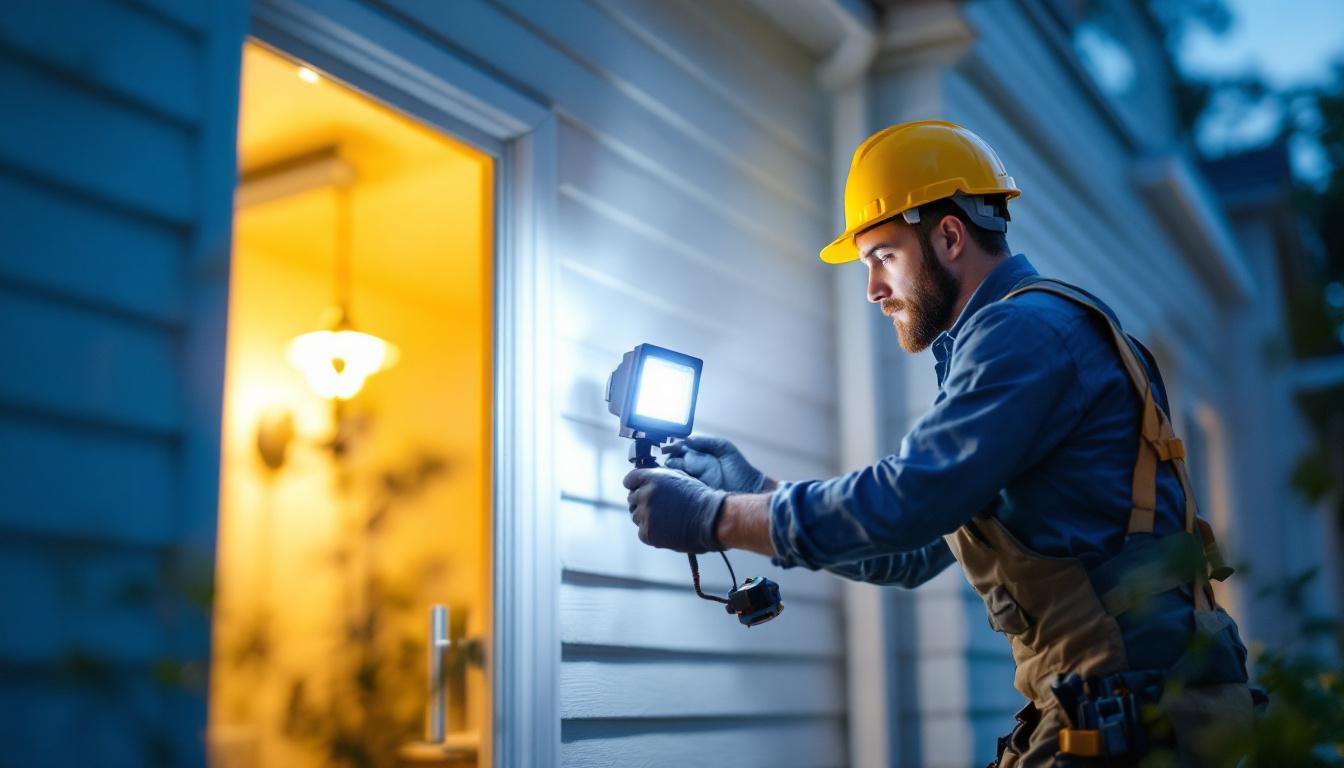
Proper installation is critical to the performance of emergency floodlights. Contractors must know how to position lights to maximize coverage of exit routes and hazard areas, avoid glare, and ensure durability against environmental factors. The strategic placement of lights can make a significant difference in visibility during emergencies, potentially saving lives.
For instance, floodlights installed outdoors must be weatherproof and resistant to vandalism. Indoor installations require careful consideration of ceiling height, wall reflectivity, and potential obstructions. Clients expect contractors to tailor their approach to each unique environment. This might involve conducting site assessments to identify the best locations for installation, ensuring that all potential hazards are adequately illuminated. Moreover, contractors should be familiar with the latest mounting techniques and fixtures that enhance the longevity and effectiveness of the lighting systems.
Client Expectations on Maintenance and Testing
Emergency floodlights are not “install and forget” devices. Clients expect lighting contractors to provide comprehensive maintenance and testing services to guarantee ongoing functionality.
Routine Testing Requirements
Regulations typically require emergency lighting systems to be tested regularly—monthly functional tests and annual full-duration tests are common standards. Clients rely on contractors to perform these tests or train facility personnel to do so correctly.
Testing includes verifying that lights activate automatically during power failures, assessing battery capacity, and checking for any faults or damage. Proper documentation of these tests is often required for compliance and insurance purposes. In addition to these standard tests, clients may also expect contractors to stay updated on any changes in local or national regulations, ensuring that their systems remain compliant with the latest safety standards. This proactive approach not only enhances safety but also builds trust between clients and contractors, as clients feel reassured that their emergency lighting systems are in capable hands.
Maintenance and Troubleshooting
Over time, batteries degrade and components may fail. Clients expect contractors to offer maintenance plans that include battery replacement, cleaning, and repairs. Prompt troubleshooting services are essential to minimize downtime and maintain safety.
Proactive maintenance not only extends the lifespan of emergency floodlights but also reduces the risk of non-compliance penalties and safety incidents. Furthermore, clients appreciate when contractors provide detailed reports after maintenance visits, outlining the condition of the systems and any recommended actions. This transparency helps clients make informed decisions regarding their emergency lighting systems and fosters a collaborative relationship. Additionally, offering clients options for upgrades or enhancements to their systems can be beneficial, as technology continues to evolve and improve the efficiency and effectiveness of emergency lighting solutions.
Communication and Client Education
Effective communication is a key factor in client satisfaction. Lighting contractors are expected to educate clients about the importance of emergency floodlights, how the systems work, and what to expect in terms of operation and upkeep.
Setting Realistic Expectations
Clients may not always understand the technical complexities of emergency lighting. Contractors should clearly explain the limitations and capabilities of different systems, including battery life, illumination coverage, and maintenance needs.
Setting realistic expectations helps build trust and ensures clients are prepared to invest appropriately in safety measures.
Providing Documentation and Support
Clients appreciate thorough documentation, including installation manuals, testing logs, and maintenance schedules. Providing this information supports clients in managing their emergency lighting systems effectively and demonstrates professionalism.
Additionally, offering ongoing support and being responsive to client inquiries strengthens the contractor-client relationship and encourages repeat business.
Emerging Trends Lighting Contractors Should Know
Staying ahead of industry trends is crucial for lighting contractors aiming to meet evolving client expectations. Several innovations are shaping the future of emergency floodlighting.
Smart Emergency Lighting Systems
Integration of smart technology allows emergency floodlights to be monitored and controlled remotely. Systems can send alerts if a light fails or if battery levels drop below safe thresholds, enabling proactive maintenance.
Clients increasingly seek these smart solutions for enhanced reliability and ease of management, especially in large or complex facilities.
Energy Efficiency and Sustainability
With growing emphasis on green building practices, clients expect contractors to recommend energy-efficient emergency lighting solutions. LED technology and solar-powered options are popular choices that reduce environmental impact and operational costs.
Contractors who can demonstrate expertise in sustainable lighting solutions position themselves as forward-thinking and client-focused professionals.
Enhanced Durability and Design
Advances in materials and design have produced emergency floodlights that are more resistant to harsh environments, vandalism, and wear. Clients in industrial, outdoor, or high-traffic settings expect contractors to specify products that withstand these challenges without compromising performance.
Conclusion: Meeting and Exceeding Client Expectations
Clients rely heavily on lighting contractors to provide emergency floodlighting solutions that are safe, compliant, reliable, and tailored to their unique needs. To meet these expectations, contractors must maintain a comprehensive understanding of technical specifications, regulatory requirements, installation best practices, and maintenance protocols.
Furthermore, effective communication and client education are essential to building trust and ensuring long-term satisfaction. By staying informed about emerging trends and innovations, lighting contractors can offer cutting-edge solutions that enhance safety and sustainability.
Ultimately, the success of emergency floodlight installations hinges on the contractor’s ability to combine technical expertise with proactive service and clear communication—delivering peace of mind when it matters most.
Illuminate Your Projects with LumenWholesale
Ready to elevate your emergency floodlight installations with products that promise safety, compliance, and reliability? Look no further than LumenWholesale. Our extensive selection of spec-grade lighting products is designed to meet the highest industry standards, ensuring your projects shine with excellence. With unbeatable wholesale prices and the convenience of free shipping on bulk orders, you can trust us to provide premium lighting solutions that deliver both quality and value. Don’t let inflated markups dim your success. Choose LumenWholesale for the best in lighting—where quality, affordability, and convenience come together. Wholesale Lighting at the Best Value is just a click away.