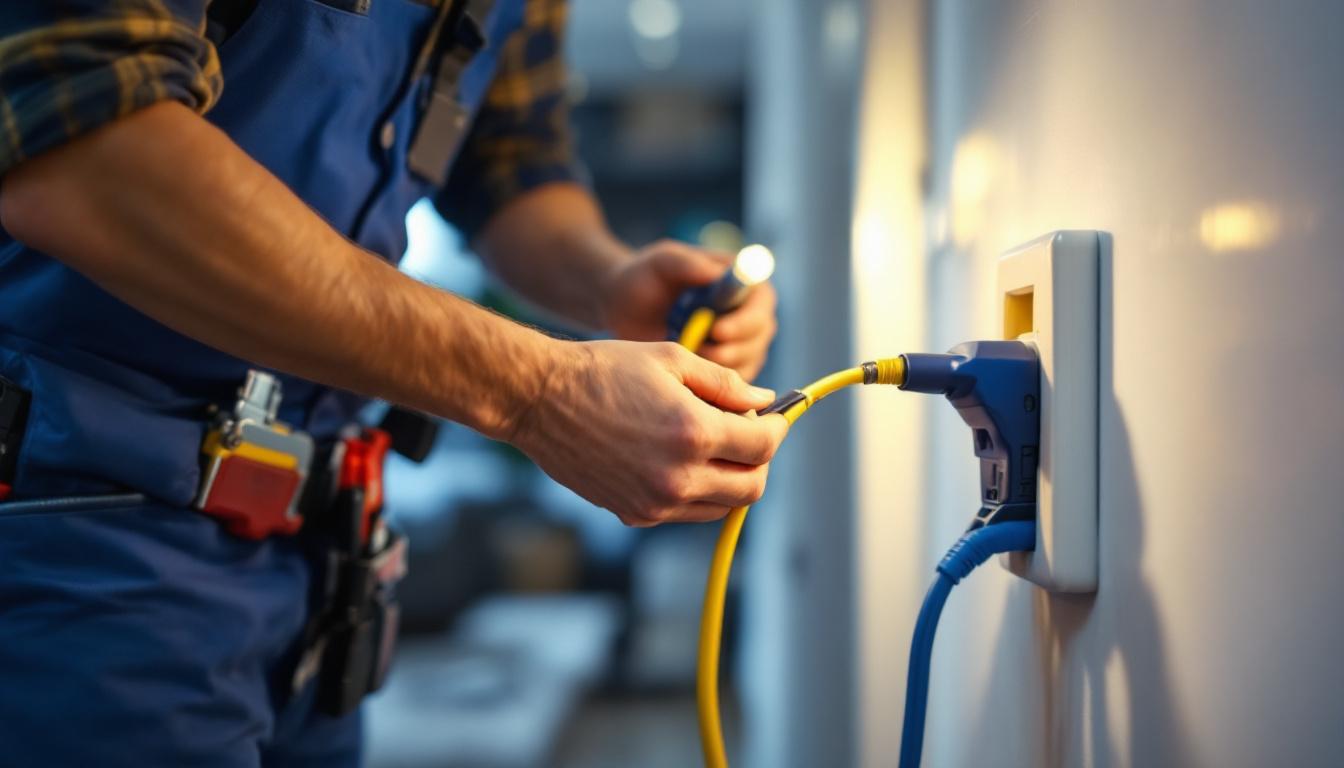
Understanding the Fundamentals of 120 V Plug Wiring
For lighting contractors, mastering the intricacies of 120 V plug wiring is essential. This knowledge forms the backbone of safe and efficient lighting installations, particularly in residential and commercial environments where standard North American voltage is prevalent. The 120-volt system is the most common electrical supply for lighting circuits, and understanding its wiring nuances ensures compliance with electrical codes and enhances system reliability.
At its core, a 120 V plug wiring setup involves three primary conductors: the hot (live) wire, the neutral wire, and the ground wire. The hot wire carries the current from the power source, the neutral wire completes the circuit back to the source, and the ground wire provides a safety path to prevent electrical shock. Proper identification and connection of these wires are critical to avoid hazards such as short circuits, electrical fires, or equipment damage.
Lighting contractors must also be familiar with the National Electrical Code (NEC) requirements related to 120 V wiring. For example, the NEC mandates the use of grounding conductors in all 120 V circuits and specifies the color coding for wires—typically black or red for hot, white for neutral, and green or bare copper for ground. Adhering to these standards not only ensures safety but also facilitates troubleshooting and future maintenance.
Moreover, understanding the load capacity of 120 V circuits is crucial for effective installation. Each circuit is designed to handle a specific maximum load, often rated at 15 or 20 amps, depending on the circuit breaker. Exceeding this load can lead to tripped breakers or, worse, overheating and fire hazards. Lighting contractors should calculate the total wattage of all connected devices to ensure they remain within the safe operating limits. This consideration is especially important when installing multiple fixtures or integrating new technology, such as LED lighting, which may have different power requirements compared to traditional incandescent bulbs.
In addition to load calculations, contractors should also be aware of the various types of 120 V plugs and receptacles available on the market. Standard configurations include NEMA 5-15 for general-purpose use and NEMA 5-20 for devices requiring a higher amperage. Understanding the differences between these plugs can help contractors select the appropriate type for specific applications, ensuring compatibility and safety. Furthermore, incorporating features such as GFCI (Ground Fault Circuit Interrupter) outlets in areas prone to moisture, like kitchens and bathrooms, is vital for protecting users from electrical shock, thereby elevating the overall safety of the installation.
Key Techniques for Efficient and Safe 120 V Plug Wiring
Selecting the Right Materials and Tools
The choice of materials and tools significantly impacts the quality and safety of 120 V plug wiring installations. Lighting contractors should use UL-listed plugs, receptacles, and wiring components that meet or exceed local electrical codes. Copper conductors are preferred for their superior conductivity and durability compared to aluminum wiring, which can pose challenges such as oxidation and thermal expansion. Additionally, using high-quality insulation materials can further enhance safety by preventing short circuits and reducing the risk of electrical fires.
Wire gauge selection is another crucial factor. For typical lighting circuits operating at 120 V, 14-gauge wire is standard for up to 15 amps, while 12-gauge wire is used for circuits requiring 20 amps. Using the correct wire gauge prevents overheating and ensures the circuit can handle the intended load without voltage drop. Moreover, understanding the specific requirements of the installation, such as the length of the wire run and the total load, can help in making informed decisions about wire gauge and type.
In terms of tools, precision wire strippers, voltage testers, and insulated screwdrivers are indispensable for safe and accurate wiring. A reliable multimeter is also valuable for verifying voltage levels and continuity before energizing the circuit. It is also beneficial to have a circuit tracer on hand, which can help identify and troubleshoot wiring issues by tracing the path of the electrical circuit without the need for invasive inspection.
Step-by-Step Wiring Process
Executing a 120 V plug wiring task involves a systematic approach to ensure all connections are secure and correctly oriented. The process begins with turning off power at the circuit breaker to eliminate the risk of electric shock. Next, the contractor should verify the absence of voltage using a non-contact voltage tester. This initial step is crucial, as it not only protects the installer but also ensures that the electrical system is safe for any subsequent work.
Once safety is confirmed, the wiring can proceed. The hot wire (black) is connected to the brass terminal screw on the plug, the neutral wire (white) to the silver terminal screw, and the ground wire (green or bare) to the green grounding screw. It is vital to ensure that wire insulation is stripped just enough to make a solid connection without exposing excess conductor, which could cause shorts. Additionally, proper tightening of the terminal screws is essential; loose connections can lead to arcing and overheating, which pose significant safety hazards.
After securing the wires, the plug housing should be closed carefully without pinching any conductors. It’s advisable to double-check that all connections are tight and that no bare wires are exposed before sealing the plug. Finally, the circuit breaker can be turned back on, and the connection tested with a voltage tester or plug-in device to confirm proper operation. This testing phase is critical, as it not only verifies that the installation is functioning correctly but also helps identify any potential issues that may need to be addressed before the system is put into regular use.
Integrating Smart Lighting Solutions with 120 V Wiring
Challenges and Considerations
The rise of smart lighting systems introduces new complexities to traditional 120 V plug wiring. Smart lighting devices often require not only power but also data connectivity, which may necessitate additional wiring or wireless communication setups. Lighting contractors must understand how to integrate smart modules, dimmers, and sensors without compromising electrical safety or system performance.
One common challenge is ensuring compatibility between smart lighting components and existing 120 V wiring infrastructure. For instance, some smart dimmers require a neutral wire for proper operation, which may not be present in older installations. In such cases, contractors must devise solutions such as running new neutral conductors or selecting smart devices that do not require a neutral connection.
Additionally, contractors should consider the load requirements of smart lighting devices, as some may have minimal power consumption but still impact the overall circuit design, especially when multiple devices are connected in parallel. This can lead to potential overloads or circuit failures if not properly accounted for, emphasizing the need for careful load calculations and circuit analysis.
Moreover, the integration of smart lighting systems often involves dealing with various manufacturers and their proprietary technologies, which can create compatibility issues. As a result, contractors must be well-versed in the specifications and requirements of different products, ensuring that all components can communicate effectively and function as intended. This knowledge is crucial in preventing future maintenance headaches and ensuring a seamless user experience.
Best Practices for Smart Lighting Wiring
To optimize smart lighting installations, contractors should adopt a few best practices. First, thorough planning is essential—mapping out the circuit layout to accommodate both power and communication needs. Using junction boxes with sufficient capacity to house additional smart components and wiring helps maintain neat and accessible installations.
Second, labeling all wires and components clearly during installation aids future troubleshooting and upgrades. This is particularly important in smart systems where multiple devices interact and wiring complexity increases. Proper documentation of the installation process, including diagrams and specifications, can also serve as a valuable reference for future modifications or repairs.
Finally, contractors should stay informed about the latest smart lighting technologies and standards. Many smart devices now support Power over Ethernet (PoE) or wireless protocols like Zigbee and Z-Wave, which may reduce the need for extensive 120 V wiring but require knowledge of networking and signal integrity. Understanding these technologies not only enhances installation efficiency but also opens up opportunities for integrating additional smart home features, such as automated control systems and energy management solutions.
Additionally, it is beneficial for contractors to engage with ongoing training and certification programs related to smart technologies. This commitment to education can help them stay ahead of industry trends and innovations, ensuring that they can offer clients the most current and effective solutions. As smart lighting continues to evolve, being proactive in learning about new products and installation techniques will set contractors apart in a competitive market.
Ensuring Compliance and Safety in 120 V Plug Wiring
Adhering to Electrical Codes and Standards
Compliance with electrical codes is non-negotiable for lighting contractors working with 120 V plug wiring. The NEC provides comprehensive guidelines that govern wire sizing, grounding, circuit protection, and installation practices. Failure to comply can result in safety hazards, legal liabilities, and failed inspections.
Contractors should regularly consult the latest NEC editions and local amendments, as codes evolve to address emerging technologies and safety concerns. Additionally, obtaining proper permits and scheduling inspections ensures that installations meet regulatory requirements and gain official approval.
Implementing Safety Protocols
Safety protocols extend beyond code compliance. Lighting contractors must adopt rigorous on-site safety measures, including the use of personal protective equipment (PPE) such as insulated gloves and eye protection. Lockout/tagout procedures should be implemented to prevent accidental energization during wiring work.
Moreover, contractors should educate clients about the importance of not overloading circuits and the benefits of surge protection devices. Properly installed 120 V wiring with adequate grounding reduces the risk of electrical shock and fire, safeguarding both occupants and property.
Future Trends in 120 V Plug Wiring for Lighting Contractors
The evolution of lighting technology continues to influence wiring practices. Advancements such as LED lighting, integrated sensors, and IoT-enabled fixtures are reshaping the demands placed on 120 V wiring systems. Lighting contractors must adapt by expanding their skill sets to include low-voltage wiring, data networking, and smart device integration.
Emerging standards for energy efficiency and sustainability also encourage the use of wiring solutions that support renewable energy sources and advanced control systems. For example, integrating solar power with 120 V lighting circuits requires knowledge of both AC and DC wiring principles.
Ultimately, staying ahead in the lighting industry means embracing continuous learning and leveraging innovative wiring techniques that enhance functionality, safety, and client satisfaction.
Get Your Premium Lighting Supplies at LumenWholesale
As you stay ahead of the curve in the lighting industry, LumenWholesale is here to support your journey. We provide contractors with the highest quality, spec-grade lighting products at prices that can’t be beaten. Our extensive selection is designed to meet the most rigorous industry standards, ensuring that every installation is not only safe but also up to the latest trends in smart and efficient lighting. With free shipping on bulk orders, you can stock up on everything you need without worrying about hidden fees or compromises. Elevate your lighting projects with the perfect combination of quality, affordability, and convenience. Discover the best value in wholesale lighting by visiting Wholesale Lighting at the Best Value today.