Understanding the Unique Challenges of Tennis Court Lighting
Lighting a tennis court is a specialized task that requires more than just installing bright fixtures. For lighting contractors, the nuances of tennis court illumination present unique challenges that must be addressed to ensure optimal playability, safety, and energy efficiency.
Unlike general outdoor lighting, tennis court lighting demands precise uniformity, minimal glare, and compliance with specific standards set by governing bodies such as the International Tennis Federation (ITF). Achieving these goals requires a deep understanding of both the sport’s requirements and the technical capabilities of modern lighting systems.
Key Lighting Requirements for Tennis Courts
Tennis courts require a minimum horizontal illuminance level that varies depending on the level of play. Recreational courts may require around 200 lux, while professional or televised matches can demand upwards of 1000 lux. Uniformity is equally critical; uneven lighting can cause distracting shadows or bright spots, negatively impacting player performance.
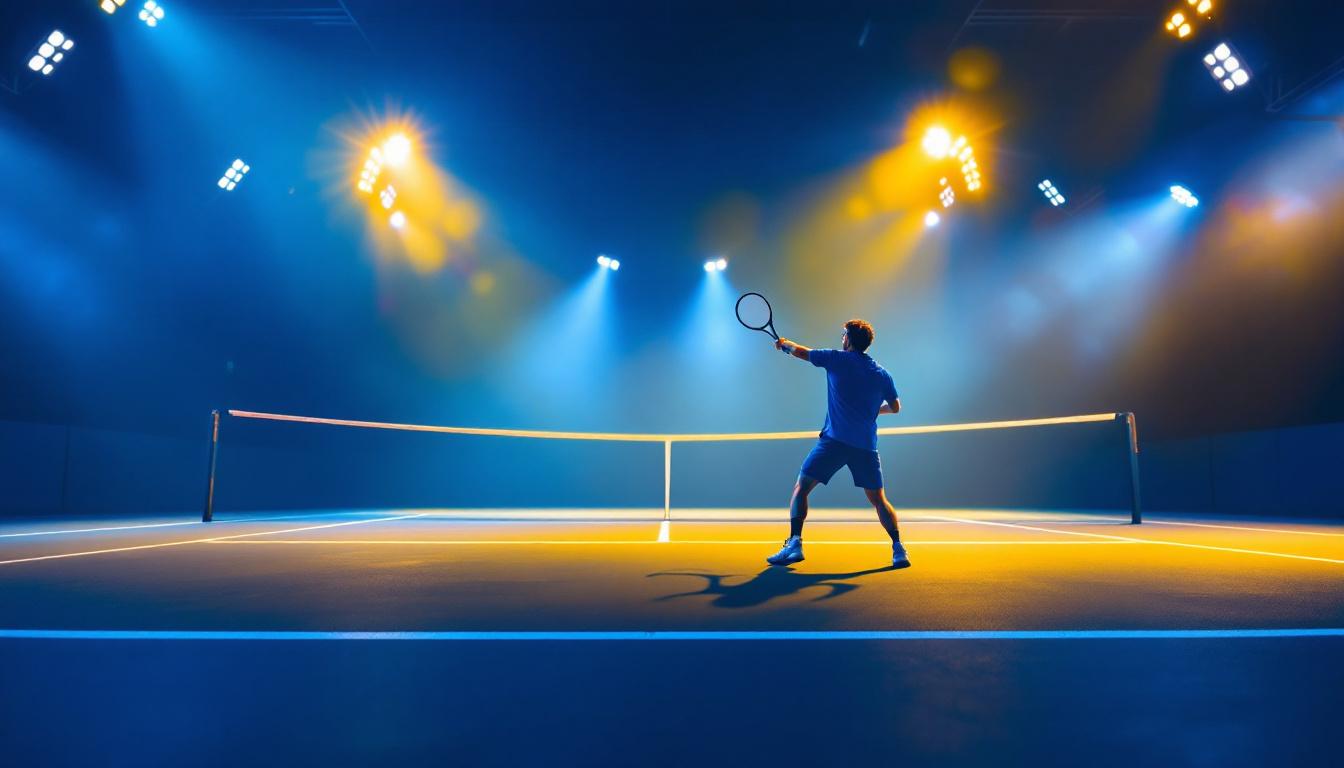
Glare control is another essential factor. Excessive glare can impair players’ vision, especially when tracking fast-moving balls against bright backgrounds. Thus, lighting fixtures must be carefully selected and positioned to minimize direct light in players’ eyes. Additionally, the angle of the lights plays a crucial role; fixtures should be mounted at heights and angles that provide optimal coverage without creating harsh contrasts that could disrupt gameplay.
Environmental and Regulatory Considerations
Lighting contractors must also navigate environmental concerns such as light pollution and energy consumption. Many communities enforce regulations limiting light spill and brightness to protect neighboring properties and nocturnal wildlife. Incorporating energy-efficient LED technology and smart controls can help meet these requirements while reducing operational costs.
Furthermore, the choice of lighting technology can significantly impact the overall sustainability of the installation. For instance, solar-powered lighting systems are gaining traction as they utilize renewable energy, thus minimizing the carbon footprint associated with traditional lighting methods. These systems not only reduce electricity costs but also provide a reliable solution in areas where grid access is limited. As communities increasingly prioritize sustainability, the integration of such innovative technologies into tennis court lighting design becomes not just beneficial but essential for future projects.
Designing Effective Lighting Solutions for Tennis Courts
Successful tennis court lighting begins with a comprehensive design process that balances technical specifications, client needs, and site conditions. Lighting contractors who invest time in thorough planning are more likely to deliver systems that satisfy all stakeholders.
Site Assessment and Client Consultation
Before selecting fixtures or layouts, contractors should conduct a detailed site assessment. This includes measuring court dimensions, evaluating ambient light sources, and identifying potential obstructions such as trees or buildings. Understanding the client’s intended use—whether for casual play, club tournaments, or professional events—guides the lighting level and control system choices. Additionally, it is crucial to consider the local climate and weather patterns, as these factors can influence the durability and performance of the lighting systems. For instance, areas prone to high winds or heavy rainfall may require fixtures with enhanced weather resistance and stability.
Fixture Selection and Placement
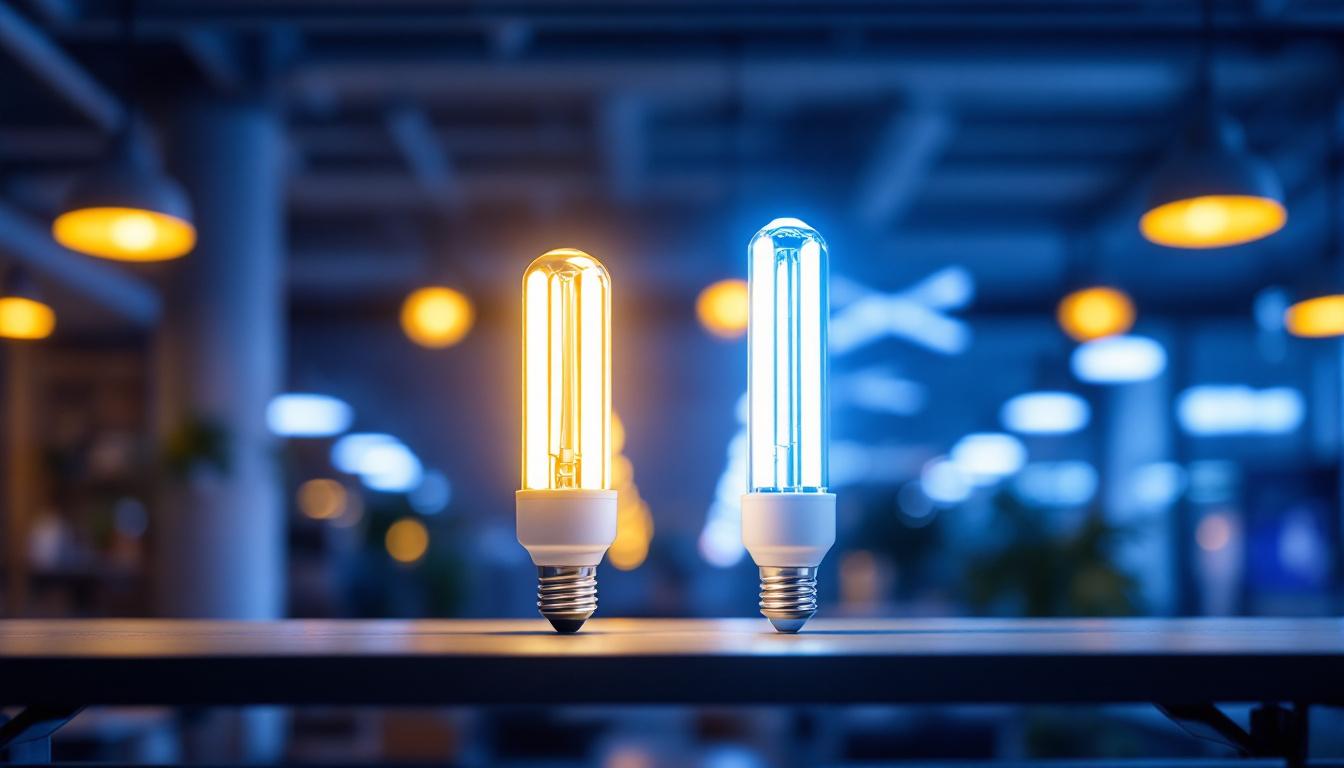
Modern LED fixtures are the preferred choice for tennis courts due to their longevity, energy efficiency, and controllability. Contractors should choose luminaires with appropriate beam angles to ensure even coverage and minimal light spill. Pole height and spacing are critical factors; higher poles can reduce glare but may require more powerful fixtures. The choice of color temperature is also significant, as warmer tones can create a more inviting atmosphere, while cooler tones enhance visibility and focus. Furthermore, considering the aesthetic aspect of lighting design can elevate the overall appeal of the facility, making it a more attractive venue for players and spectators alike.
Advanced optical designs, such as asymmetric lenses, help direct light precisely onto the playing surface. This precision reduces wasted light and enhances uniformity, contributing to better player experience and compliance with lighting standards. In addition, the integration of glare-reduction technologies not only improves visibility for players but also ensures that spectators and nearby residents are not adversely affected by excessive brightness, fostering a more harmonious environment.
Control Systems and Automation
Integrating smart control systems can significantly enhance the functionality and efficiency of tennis court lighting. Automated dimming, scheduling, and motion sensors allow courts to be illuminated only when needed, reducing energy consumption and extending fixture life. These systems can also be programmed to adjust lighting levels based on the time of day or specific events, ensuring optimal conditions for both practice and competition.
Remote monitoring capabilities enable facility managers to track performance and detect issues proactively, minimizing downtime and maintenance costs. Lighting contractors who offer these advanced solutions can differentiate themselves in a competitive market. Moreover, incorporating user-friendly interfaces for these control systems can empower clients to manage their lighting with ease, allowing them to customize settings based on their unique needs and preferences. This level of flexibility not only enhances user satisfaction but also promotes sustainable practices within the community, as facilities can operate more efficiently and responsibly.
Installation Best Practices for Quality and Longevity
Proper installation is crucial to realizing the full benefits of a well-designed tennis court lighting system. Lighting contractors must adhere to industry best practices to ensure safety, durability, and optimal performance.
Electrical Safety and Compliance
All electrical work must comply with local codes and standards. Using certified components, proper grounding, and weatherproof enclosures protects both the installation team and end-users. Contractors should also coordinate with utility providers when necessary to ensure adequate power supply and avoid disruptions. Additionally, implementing surge protection devices can safeguard the lighting system against voltage spikes, which can be caused by lightning strikes or power fluctuations. This extra layer of protection not only enhances safety but also extends the lifespan of the lighting fixtures.
Precise Alignment and Calibration
Once fixtures are mounted, careful alignment is essential to achieve the desired lighting distribution. Contractors should use specialized tools such as light meters and aiming devices to verify illuminance levels and uniformity across the court. The importance of this step cannot be overstated, as improper alignment can lead to uneven lighting, creating shadows that may affect players’ performance and safety. Furthermore, factors such as the surrounding environment, including nearby trees or buildings, should be considered during this process to ensure that natural obstructions do not interfere with the lighting setup.
Calibration may require iterative adjustments to pole angles and fixture orientation. Documenting these settings facilitates future maintenance and troubleshooting. Additionally, it is advisable to conduct a post-installation assessment after a few weeks of use to ensure that the lighting system continues to meet the intended specifications. This proactive approach allows for timely adjustments and reinforces the commitment to providing a high-quality playing environment.
Quality Assurance and Client Training
Before project handover, conducting a comprehensive quality assurance inspection ensures that all specifications are met. Providing clients with detailed operation manuals and training on control systems empowers them to maximize the system’s benefits and maintain it properly. This training should cover not only the operational aspects but also routine maintenance tasks, such as cleaning fixtures and checking for any signs of wear or damage. By equipping clients with this knowledge, contractors foster a sense of ownership and responsibility, which can lead to better care of the installation.
Moreover, establishing a follow-up schedule for periodic check-ins can help address any emerging issues and reinforce the importance of regular maintenance. This ongoing relationship not only enhances client satisfaction but also opens the door for future projects or upgrades, as clients are more likely to return to contractors they trust and have had positive experiences with. By prioritizing quality assurance and client education, contractors can ensure that their installations deliver long-term value and performance.
Maintaining and Upgrading Tennis Court Lighting Systems
Ongoing maintenance and timely upgrades are vital to sustaining the performance and efficiency of tennis court lighting installations. Lighting contractors can build lasting client relationships by offering reliable service and modernization options.
Routine Maintenance Practices
Regular cleaning of fixtures prevents dirt and debris from reducing light output. Inspecting electrical connections and control systems helps identify potential issues before they escalate. Scheduling preventive maintenance visits can extend fixture lifespan and maintain consistent lighting quality. Additionally, keeping an inventory of replacement parts can ensure that repairs are made promptly, minimizing downtime for the courts. Establishing a maintenance log can also help track the performance of the lighting system over time, allowing contractors to make data-driven decisions regarding future upgrades and repairs.
Energy Efficiency Upgrades
As lighting technology evolves, contractors should advise clients on opportunities to upgrade older systems. Retrofitting with high-efficiency LEDs or adding smart controls can lower energy costs and improve lighting quality without extensive infrastructure changes. Furthermore, integrating motion sensors can provide automated lighting adjustments based on usage, further enhancing energy savings. Clients may also benefit from exploring renewable energy options, such as solar-powered lighting systems, which can significantly reduce operational costs while promoting sustainability in their facilities.
Adapting to Changing Client Needs
Clients’ requirements may evolve over time, such as expanding facilities or hosting higher-level competitions. Lighting contractors who proactively assess and recommend system enhancements demonstrate value and expertise, fostering client loyalty and new business opportunities. Understanding the specific needs of different types of events, from casual matches to professional tournaments, allows contractors to customize lighting solutions that meet varying standards. By staying informed about industry trends and technological advancements, contractors can position themselves as trusted advisors, ensuring that their clients’ facilities remain competitive and appealing to players and spectators alike.
Conclusion: Positioning for Success in Tennis Court Lighting
Lighting contractors who specialize in tennis court illumination can capitalize on a niche market by mastering the technical, regulatory, and client-focused aspects of this field. Delivering well-designed, expertly installed, and efficiently maintained lighting systems enhances player experience and facility reputation.
Staying current with technological advancements and industry standards enables contractors to provide innovative solutions that meet evolving demands. By prioritizing quality, safety, and energy efficiency, lighting contractors can maximize their success and build a strong reputation in the competitive sports lighting sector.
Illuminate Your Tennis Courts with LumenWholesale
Ready to elevate your tennis court projects with superior lighting solutions? At LumenWholesale, we provide lighting contractors with the high-quality, spec-grade lighting products you need at unbeatable wholesale prices. Say goodbye to local distributor markups and hello to our extensive selection that meets the highest industry standards. With free shipping on bulk orders, you can trust that you’re getting premium lighting at the best value — no hidden fees, no compromises. Enhance your client’s experience and your facility’s reputation with reliable, high-performance lighting. Take the first step towards a brighter future and Wholesale Lighting at the Best Value today.