Introduction to LED Exterior Lighting and Safety
In the realm of lighting installations, especially for outdoor environments, safety is paramount. Exterior lighting not only illuminates spaces but also plays a critical role in deterring crime, preventing accidents, and enhancing overall visibility. With advances in technology, LED (Light Emitting Diode) lighting has emerged as a leading choice for exterior applications, offering numerous benefits over traditional lighting solutions. Unlike incandescent or fluorescent lights, LEDs are more energy-efficient, have a longer lifespan, and provide brighter illumination, which is crucial for outdoor safety.
For lighting contractors, understanding how LED exterior lighting enhances safety is essential. This knowledge allows for better design, installation, and maintenance of lighting systems that meet both client expectations and regulatory standards. This article explores the multifaceted ways LED lighting improves safety in exterior installations, supported by relevant examples and industry insights. For instance, well-placed LED lights can significantly reduce the risk of accidents in parking lots and walkways by providing clear visibility, which is especially important during nighttime or in adverse weather conditions. Moreover, the ability of LEDs to produce a daylight-like quality of light can help individuals better discern their surroundings, thus minimizing potential hazards.
Additionally, the integration of smart technology with LED exterior lighting systems has revolutionized safety measures. Smart LEDs can be programmed to adjust their brightness based on the time of day or the presence of movement, ensuring that areas remain well-lit when needed while conserving energy during off-peak hours. This adaptability not only enhances safety but also contributes to sustainability efforts, making LED systems an environmentally friendly choice. Furthermore, the use of motion sensors and timers can deter intruders by creating the illusion of occupancy, thereby enhancing security in residential and commercial properties alike. As cities and communities continue to embrace smart lighting solutions, the potential for LED technology to improve safety and security will only grow, paving the way for safer outdoor environments.
Energy Efficiency and Reliability: Foundations of Safe Lighting
Longer Lifespan and Reduced Maintenance
One of the primary advantages of LED lighting is its extended lifespan compared to conventional lighting technologies such as incandescent or halogen bulbs. LEDs typically last tens of thousands of hours longer, which translates to fewer replacements and reduced maintenance visits. For exterior lighting installations, this reliability is crucial because consistent illumination is a fundamental safety requirement.
When lighting fails unexpectedly, it can create dark spots and shadows that compromise visibility and increase the risk of accidents or criminal activity. By minimizing outages through the use of LEDs, contractors help ensure that outdoor spaces remain well-lit and secure over time. Furthermore, the durability of LED fixtures means they are less susceptible to damage from environmental factors such as rain, wind, and temperature fluctuations, making them an ideal choice for outdoor applications. This resilience not only extends the life of the lighting system but also contributes to lower overall lifecycle costs, as the need for frequent replacements is significantly diminished.
Energy Efficiency and Consistent Performance
LEDs consume significantly less energy than traditional lighting options, which allows for brighter illumination without a corresponding increase in power consumption. This efficiency means that contractors can design lighting systems that provide optimal coverage and brightness while keeping operational costs low. Consistent, bright lighting enhances the visibility of pathways, parking lots, building perimeters, and other critical areas, reducing the likelihood of slips, trips, and falls.
Moreover, the energy efficiency of LED lighting contributes to a reduction in carbon footprints, aligning with global sustainability efforts. As municipalities and organizations strive to meet environmental goals, the adoption of LED technology plays a pivotal role in reducing energy consumption and greenhouse gas emissions. Additionally, many LED systems are compatible with smart technology, allowing for advanced features such as dimming, motion sensing, and automated scheduling. These capabilities not only enhance safety by ensuring that lights are only on when needed but also further optimize energy use, leading to even greater savings and environmental benefits.
Enhanced Visibility and Crime Deterrence
Improved Color Rendering and Uniformity
LED exterior lighting offers superior color rendering compared to many traditional light sources. This means that colors appear more natural and objects are easier to distinguish under LED illumination. For safety, this is significant because it allows pedestrians, drivers, and security personnel to better identify potential hazards or suspicious activity.
Moreover, LEDs provide more uniform light distribution, reducing harsh shadows and dark corners where intruders might hide. Uniform lighting coverage is essential for surveillance cameras to capture clear footage and for security personnel to monitor areas effectively. The enhanced visibility not only aids in crime prevention but also fosters a sense of community safety, encouraging more people to utilize public spaces during nighttime hours. This increased foot traffic can further deter criminal activity, as the presence of more individuals creates a natural surveillance effect.
Strategic Lighting Placement and Smart Controls
Modern LED systems often incorporate smart controls such as motion sensors, dimmers, and timers. These features allow lighting to respond dynamically to environmental conditions and human presence. For example, motion-activated LED lights can illuminate a pathway or entrance only when someone approaches, startling potential intruders and alerting occupants.
Lighting contractors can leverage these technologies to create adaptive lighting schemes that enhance safety while conserving energy. Smart controls also enable remote monitoring and management, ensuring that lighting systems remain operational and effective. In addition, integrating these systems with mobile applications allows users to adjust settings or receive alerts directly on their smartphones, providing an added layer of convenience and security. This level of control not only enhances the user experience but also empowers property owners to take proactive measures in safeguarding their premises, making it increasingly difficult for criminal activities to go unnoticed.
Durability and Environmental Resistance
Robust Construction for Outdoor Conditions
Exterior lighting installations are exposed to a variety of environmental stresses, including rain, wind, temperature fluctuations, and dust. LEDs are inherently more durable than traditional bulbs because they are solid-state devices without fragile filaments or glass enclosures prone to breakage.
This robustness reduces the risk of lighting failure due to physical damage or weather-related issues, maintaining consistent illumination and safety. Lighting contractors should select LED fixtures with appropriate ingress protection (IP) ratings to ensure resistance to moisture and dust, tailored to the specific installation environment.
Thermal Management and Performance Stability
Effective thermal management is critical for LED longevity and performance. High-quality LED fixtures include heat sinks and other cooling mechanisms that prevent overheating, which can degrade light output and shorten lifespan.
Maintaining stable performance under varying temperatures ensures that exterior lighting remains bright and reliable, even in extreme climates. This stability is essential for safety-critical applications such as roadways, industrial sites, and public spaces.
Compliance with Safety Standards and Regulations
Meeting Local and National Lighting Codes
Lighting contractors must ensure that exterior LED installations comply with relevant safety standards and building codes. These regulations often specify minimum illumination levels, uniformity ratios, glare control, and energy efficiency requirements to promote safe environments.
LED technology facilitates compliance by offering precise control over light output and distribution. Contractors can design systems that meet or exceed code requirements while optimizing energy use and minimizing light pollution.
Reducing Glare and Light Pollution
Excessive glare from poorly designed lighting can impair visibility and create hazards, particularly for drivers and pedestrians. LED fixtures with well-engineered optics reduce glare by directing light precisely where it is needed.
Additionally, minimizing light pollution benefits community safety by preserving night vision and reducing distractions. Thoughtful LED lighting design contributes to safer outdoor environments by balancing brightness with comfort and visibility.
Case Studies and Practical Applications
Parking Lot Lighting Enhancements
Parking lots are common sites for accidents and criminal activity due to inadequate lighting. Upgrading to LED exterior lighting has proven effective in increasing safety in these areas. The brighter, more uniform illumination improves driver awareness and pedestrian visibility, while motion sensors can activate lights only when needed, deterring unauthorized access.
For contractors, selecting LED fixtures with wide beam angles and high color rendering indexes (CRI) ensures that license plates, signage, and individuals are clearly visible, enhancing security and reducing liability risks.
Pathway and Pedestrian Area Lighting
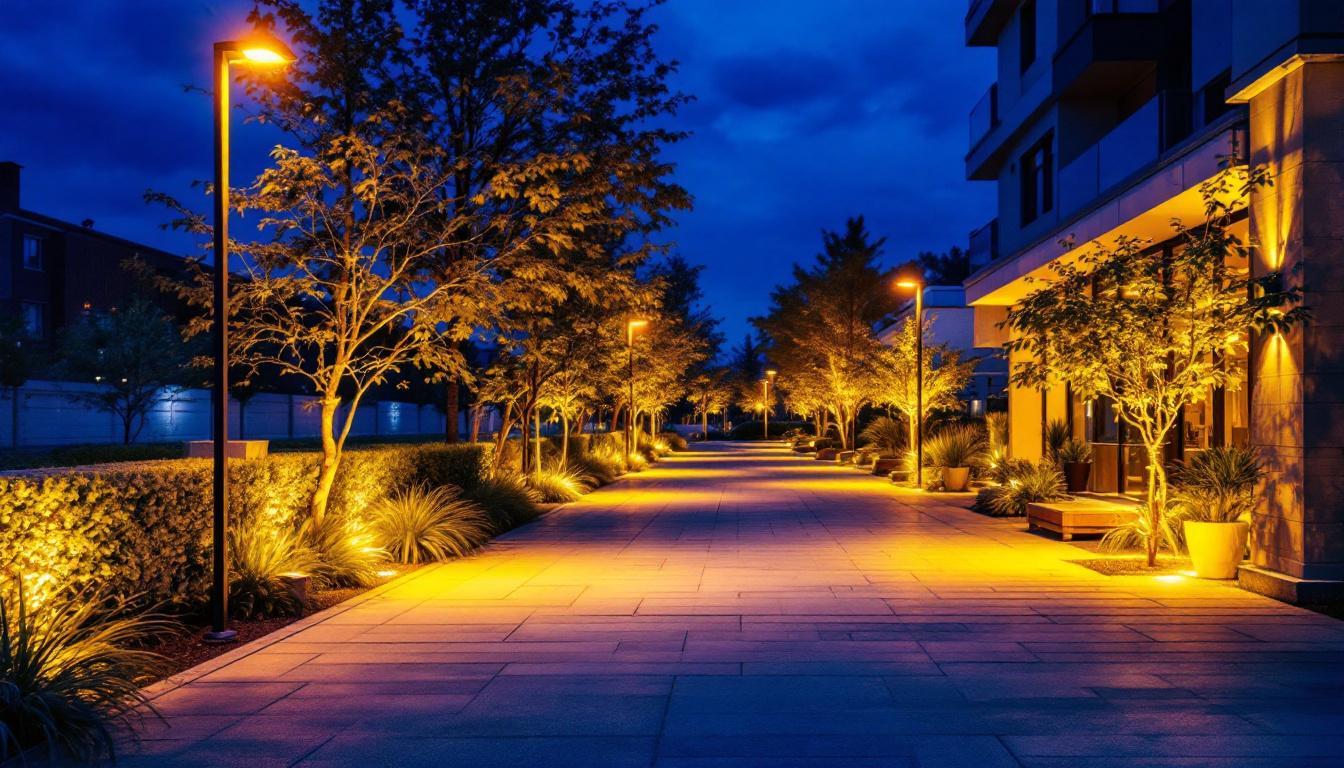
Pathways, sidewalks, and parks require lighting that balances safety with aesthetic considerations. LEDs offer a range of color temperatures and dimming options that can create welcoming environments without sacrificing visibility.
Incorporating low-glare LED fixtures and adaptive controls helps prevent accidents by illuminating trip hazards and guiding pedestrians safely. Contractors can also integrate solar-powered LED solutions in remote areas, combining safety with sustainability.
Industrial and Commercial Perimeter Security
Industrial facilities and commercial properties often face heightened security challenges. LED exterior lighting systems designed for these sites provide robust illumination that supports surveillance cameras and security patrols.
High-intensity LEDs with focused beam patterns can illuminate fences, gates, and access points without causing light trespass onto neighboring properties. This precision lighting enhances safety while respecting community standards.
Conclusion: The Integral Role of LED Lighting in Safety
For lighting contractors, embracing LED technology in exterior lighting installations is a strategic decision that enhances safety on multiple fronts. From energy efficiency and durability to superior visibility and regulatory compliance, LEDs offer comprehensive advantages that traditional lighting cannot match.
By carefully selecting, designing, and implementing LED exterior lighting systems, contractors contribute to safer outdoor environments that protect people, property, and communities. Staying informed about the latest LED innovations and best practices ensures that lighting professionals deliver installations that stand the test of time and meet evolving safety demands.
Illuminate Safely with LumenWholesale
Ready to elevate the safety and efficiency of your exterior lighting installations? Choose LumenWholesale for your lighting needs and experience the difference quality and value can make. Our spec-grade LED lighting solutions are designed to meet the highest industry standards, ensuring you deliver reliable, high-performance lighting for every project. With unbeatable wholesale prices and the convenience of free shipping on bulk orders, LumenWholesale is your go-to source for premium lighting without the premium price tag. Discover our collection and secure the best value in wholesale lighting today, and light the way to a safer tomorrow.