Understanding the Importance of Floor Lamp Lighting in Interior Design
Floor lamps are more than just functional lighting fixtures; they are pivotal elements that can transform the ambiance and aesthetic of any space. For lighting contractors, mastering the art of floor lamp lighting is essential to delivering projects that satisfy both practical needs and design aspirations.
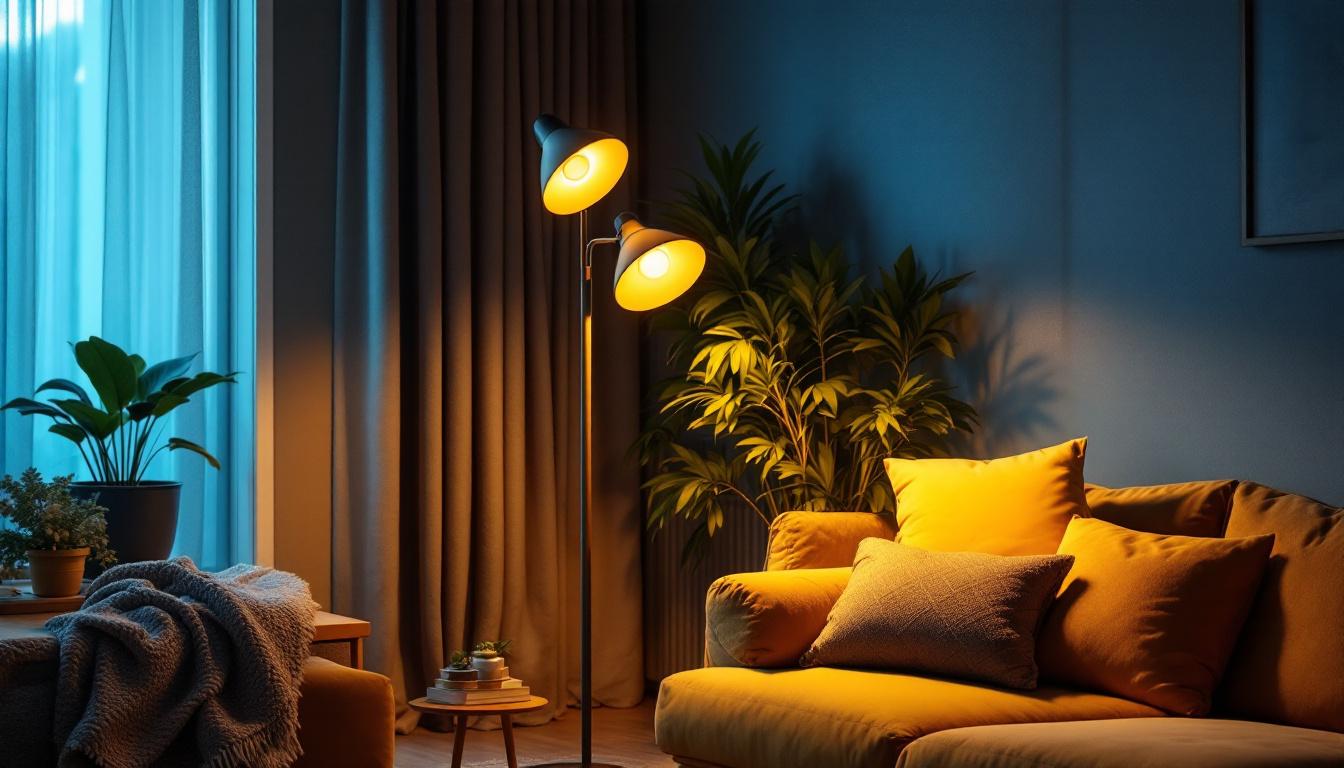
Unlike ceiling fixtures or recessed lighting, floor lamps offer versatility in placement and style. They can serve as task lighting, accent lighting, or ambient lighting depending on the bulb type, shade design, and positioning. Recognizing these nuances allows contractors to recommend and install floor lamps that enhance the overall lighting scheme effectively.
Moreover, floor lamps often become focal points or statement pieces within a room. Their design, height, and light quality contribute significantly to the spatial experience. Lighting contractors who understand these dynamics can better collaborate with interior designers and clients to achieve cohesive and impactful lighting solutions.
In addition to their aesthetic contributions, floor lamps can also play a crucial role in defining the functionality of a space. For instance, in a cozy reading nook, a well-placed floor lamp can provide the necessary illumination for enjoying a good book, while simultaneously creating a warm and inviting atmosphere. The choice of lampshade can further influence the quality of light, with options ranging from translucent materials that diffuse light softly to more opaque designs that focus illumination downward. This adaptability allows for personalized lighting solutions that cater to individual preferences and activities.
Furthermore, the rise of smart home technology has introduced exciting possibilities for floor lamps. Many modern floor lamps now come equipped with smart features, such as adjustable brightness levels, color temperature settings, and even remote control capabilities. This integration not only enhances convenience but also allows users to tailor their lighting experience to suit different moods and occasions. For lighting contractors, staying abreast of these advancements is vital, as it enables them to offer clients the latest innovations that can elevate their interior spaces to new heights of comfort and style.
Key Technical Considerations for Lighting Contractors
Choosing the Right Bulb Type and Wattage
The selection of bulbs is critical in floor lamp lighting. Contractors must consider the appropriate bulb type—LED, incandescent, halogen, or CFL—based on the desired light output, energy efficiency, and color temperature. LED bulbs have become the industry standard due to their longevity and low energy consumption, making them a preferred choice for most projects. Moreover, the versatility of LED technology allows for a wide range of designs, including dimmable options and smart bulbs that can be controlled via mobile apps, adding another layer of convenience and customization for users.
Wattage also plays a vital role. Overly bright bulbs can cause glare and discomfort, while bulbs with insufficient wattage may fail to provide adequate illumination. Lighting contractors should calculate the lumen requirements for the intended space, ensuring the floor lamp complements other light sources without overpowering them. It’s also beneficial to consider the specific activities that will take place in the area; for example, reading or crafting may require higher lumen output than ambient lighting for relaxation. By tailoring the wattage and bulb type to the specific needs of the space, contractors can enhance both functionality and aesthetic appeal.
Understanding Color Temperature and CRI
Color temperature, measured in Kelvins (K), influences the mood and functionality of a space. Warm white (2700K–3000K) creates a cozy, inviting atmosphere, ideal for living rooms and bedrooms, while cool white (3500K–4100K) supports focus and alertness, suitable for workspaces. Furthermore, daylight white (5000K–6500K) can be used in areas where natural light is limited, helping to reduce eye strain and improve productivity. Understanding these nuances allows contractors to make informed decisions that align with the intended use of each room.
Another critical factor is the Color Rendering Index (CRI), which measures a light source’s ability to reveal colors accurately. A CRI of 80 or above is generally recommended for residential and commercial settings. Lighting contractors should prioritize bulbs with high CRI values to ensure the floor lamp enhances the visual appeal of furnishings and décor. Additionally, it’s important to educate clients about how different color temperatures and CRI values can affect their perception of space and color, enabling them to make choices that reflect their personal style and enhance their living environment.
Electrical Safety and Code Compliance
Ensuring electrical safety is paramount when installing floor lamps. Contractors must adhere to local electrical codes and standards, including proper grounding, wiring, and the use of certified components. This compliance not only protects end-users but also shields contractors from liability issues. Regular training and staying updated with the latest electrical codes can significantly enhance a contractor’s credibility and ensure that installations are both safe and compliant.
Additionally, contractors should verify that floor lamps have adequate stability to prevent tipping hazards, especially in high-traffic areas or homes with children and pets. Incorporating safety features such as anti-tip bases or weighted bottoms is a professional best practice. Beyond stability, it’s also wise to consider the materials used in the lamp’s construction; selecting durable, high-quality materials can further enhance safety and longevity. By taking these precautions, contractors can provide peace of mind to clients while ensuring that their installations are both functional and secure.
Design Strategies to Maximize Floor Lamp Effectiveness
Placement Techniques for Optimal Lighting
Strategic placement of floor lamps is essential to maximize their effectiveness. Lighting contractors should consider the room’s layout, furniture arrangement, and natural light sources when determining where to position floor lamps.
For task lighting, placing a floor lamp near reading chairs, desks, or workstations ensures sufficient illumination without straining the eyes. For ambient lighting, floor lamps can be positioned in corners or behind sofas to create a soft, diffused glow that enhances the room’s atmosphere.
Layering Light with Floor Lamps
Layered lighting involves combining ambient, task, and accent lighting to create a balanced and dynamic environment. Floor lamps play a crucial role in this layering process.
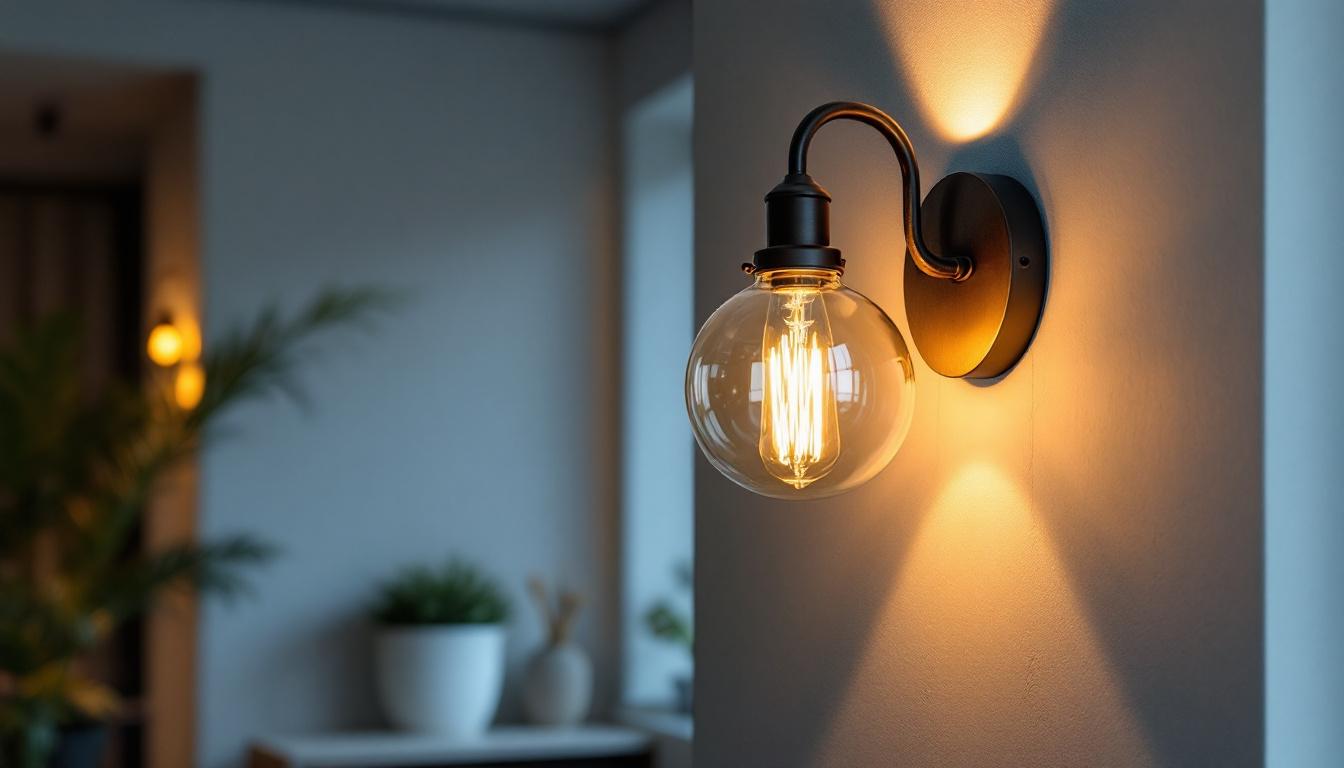
Contractors should collaborate with designers to integrate floor lamps alongside ceiling fixtures, wall sconces, and table lamps. This approach not only improves functionality but also adds depth and texture to the lighting design, elevating the overall aesthetic.
Selecting Styles to Complement Interior Themes
Floor lamps come in a wide array of styles—from minimalist and modern to vintage and industrial. Lighting contractors must be familiar with these styles to recommend options that align with the client’s interior design themes.
Understanding materials, finishes, and shapes helps contractors guide clients in choosing floor lamps that serve as cohesive design elements rather than mere accessories. For example, a sleek metal arc floor lamp pairs well with contemporary décor, while a wooden tripod floor lamp complements rustic or Scandinavian interiors.
Advanced Installation Techniques and Troubleshooting
Concealing Cords for a Clean Finish
One common challenge in floor lamp installation is managing cords to maintain a neat appearance. Lighting contractors can employ several techniques such as cord covers, raceways, or routing cords behind furniture to minimize visual clutter.
In some cases, integrating floor lamps with in-floor or in-wall outlets can provide a seamless look, though this requires coordination with electricians and adherence to building codes. Mastery of these techniques distinguishes professional installations from amateur setups.
Adjustable Features and Customization
Many modern floor lamps offer adjustable height, swivel heads, or dimmable functions. Contractors should ensure these features are properly installed and functional to provide clients with flexible lighting options.
Additionally, integrating smart lighting controls—such as voice activation or app-based dimming—can enhance user experience. Lighting contractors versed in smart home technology can add significant value by incorporating these advanced features.
Common Issues and How to Resolve Them
Lighting contractors often encounter issues such as flickering bulbs, unstable bases, or faulty switches during floor lamp installation or maintenance. Diagnosing these problems promptly and applying appropriate solutions is crucial for client satisfaction.
For instance, flickering may result from loose connections or incompatible dimmer switches, while instability can be addressed by adding weight or adjusting the lamp’s base. Keeping a toolkit ready with spare parts and testing equipment ensures efficient troubleshooting on-site.
Trends and Innovations in Floor Lamp Lighting
Energy Efficiency and Sustainability
The lighting industry continues to prioritize sustainability, with floor lamps increasingly designed to accommodate energy-efficient bulbs and materials. Contractors should stay informed about the latest advancements in LED technology, including tunable white LEDs that allow users to adjust color temperature throughout the day.
Incorporating eco-friendly materials such as recycled metals and sustainably sourced wood also aligns with growing consumer demand for green products. Lighting contractors can position themselves as environmentally conscious professionals by recommending and installing such options.
Integration with Smart Home Systems
Smart floor lamps that integrate with home automation systems are gaining popularity. These lamps offer features like remote control, scheduling, and scene-setting, enhancing convenience and energy management.
Lighting contractors knowledgeable in smart technologies can advise clients on compatible devices and ensure seamless integration with existing smart home ecosystems, thereby future-proofing installations.
Innovative Designs and Customization Options
Customization is a significant trend in floor lamp lighting. From modular designs that allow clients to mix and match components to bespoke lamps crafted to specific dimensions and finishes, the market offers unprecedented flexibility.
Lighting contractors who cultivate relationships with manufacturers and artisans can access unique products that differentiate their service offerings. This capability not only satisfies discerning clients but also elevates the contractor’s reputation in the industry.
Conclusion: Mastering Floor Lamp Lighting as a Professional Contractor
For lighting contractors, mastering floor lamp lighting involves a blend of technical expertise, design sensibility, and practical problem-solving skills. Understanding the interplay of bulb selection, placement, style, and advanced installation techniques enables contractors to deliver superior lighting solutions that enhance both function and form.
Staying abreast of industry trends such as energy efficiency, smart integration, and customization further empowers contractors to meet evolving client expectations and maintain a competitive edge. Ultimately, the secrets to mastering floor lamp lighting lie in continuous learning, attention to detail, and a commitment to excellence in every project.
Illuminate Your Projects with LumenWholesale
Ready to elevate your lighting game and impress your clients with the best in floor lamp lighting? Look no further than LumenWholesale, where we provide contractors with exceptional, spec-grade lighting products at unbeatable wholesale prices. Our commitment to quality and affordability ensures you have access to the finest lighting solutions that meet the highest industry standards. Say goodbye to inflated markups and hello to hassle-free bulk buying with free shipping. Don’t compromise on quality or value—choose LumenWholesale for premium lighting that blends seamlessly with your projects. Discover our extensive selection and take advantage of the best value in wholesale lighting by visiting LumenWholesale today.