Introduction to Path Lighting for Contractors
Path lighting is an essential component of outdoor illumination, serving both functional and aesthetic purposes. For lighting contractors, selecting and installing the best path lights can significantly enhance the safety, security, and curb appeal of residential and commercial properties. This guide delves into the critical aspects of path lighting, offering expert insights to help contractors make informed decisions and deliver superior results to their clients.
Understanding the nuances of path lighting is vital in today’s competitive market. Clients expect durable, energy-efficient, and visually appealing solutions that complement their landscape design. Contractors must balance these demands with practical installation considerations and budget constraints.
One of the key factors to consider when choosing path lighting is the variety of styles and technologies available. From traditional lanterns to modern LED fixtures, the options are vast and can cater to different aesthetic preferences and functional needs. For instance, LED path lights not only consume less energy but also have a longer lifespan compared to incandescent bulbs, making them a popular choice among eco-conscious clients. Furthermore, smart lighting technologies are gaining traction, allowing homeowners to control their outdoor lighting through mobile apps or voice commands, adding an extra layer of convenience and customization.
In addition to style and technology, the placement and spacing of path lights are crucial for maximizing their effectiveness. Properly positioned lights can illuminate walkways, driveways, and garden areas, reducing the risk of accidents while enhancing the beauty of the landscape at night. Contractors should consider factors such as the height of the fixtures, the intensity of the light, and the surrounding foliage when planning the layout. Additionally, incorporating motion sensors can provide added security and energy efficiency, ensuring that lights only activate when needed. By paying attention to these details, contractors can create a well-lit environment that not only meets safety standards but also elevates the overall aesthetic of the property.
Key Considerations When Choosing Path Lights
Light Source and Technology
The choice of light source is foundational. LED technology has become the industry standard due to its longevity, energy efficiency, and low heat emission. LEDs consume up to 80% less energy than traditional incandescent bulbs and can last tens of thousands of hours, reducing maintenance frequency and costs.
Contractors should also be aware of advancements such as smart LED path lights, which offer features like color tuning, dimming, and remote control via mobile apps. Incorporating smart technology can add value to installations, appealing to tech-savvy clients. Additionally, some smart path lights can integrate with home automation systems, allowing users to schedule lighting or adjust settings based on their daily routines, enhancing convenience and energy savings.
Material and Durability
Path lights are exposed to various weather conditions, so material quality is paramount. Common materials include aluminum, stainless steel, brass, and durable plastics. Aluminum is lightweight and corrosion-resistant, making it a popular choice for coastal environments. Brass and stainless steel offer superior durability and a premium aesthetic but often come at a higher price point.
Contractors should recommend fixtures with a high IP (Ingress Protection) rating to ensure resistance against dust and water intrusion. An IP rating of IP65 or higher is generally advisable for outdoor path lighting. Furthermore, it’s essential to consider the finish of the materials; powder-coated or anodized finishes can provide additional protection against fading and wear, ensuring that the lights maintain their appearance over time, even in harsh climates.
Light Distribution and Beam Angle
Effective path lighting requires careful attention to light distribution. Narrow beam angles (15°-30°) focus light on specific areas, ideal for accentuating pathways or architectural features. Wider beam angles (60°-120°) provide broader illumination, enhancing overall visibility and safety.
Choosing the appropriate beam angle depends on the path width, surrounding landscape, and client preferences. Adjustable fixtures offer flexibility, allowing contractors to fine-tune lighting after installation. Additionally, the color temperature of the lights can influence the ambiance; warmer tones (2700K-3000K) create a cozy atmosphere, while cooler tones (4000K-5000K) can enhance visibility and a modern aesthetic, making it crucial to align the lighting choice with the intended mood of the outdoor space.
Power Source and Installation Considerations
Path lights can be powered by low-voltage wiring, solar energy, or batteries. Low-voltage systems are preferred for their reliability and consistent performance, especially in commercial applications. Solar path lights offer easy installation without wiring but may suffer from inconsistent brightness due to weather variability.
Contractors must evaluate site conditions, including soil type, accessibility, and electrical infrastructure, to determine the most suitable power source. Proper wiring techniques and compliance with local electrical codes are critical to ensure safety and longevity. Furthermore, considering the potential for future upgrades, it may be wise to install conduit for wiring, allowing for easy additions or changes to the lighting system without extensive excavation or disruption to the landscape.
Top Path Light Styles and Their Applications
Traditional and Classic Designs
Traditional path lights often feature lantern-style heads with frosted or clear glass, evoking a timeless aesthetic. These fixtures are well-suited for historic homes, gardens, and parks where a classic ambiance is desired. Their warm light creates inviting pathways that enhance the charm of outdoor spaces.
Contractors should consider the scale and proportion of these fixtures relative to the landscape to avoid overpowering or underwhelming the design.
Modern and Minimalist Fixtures
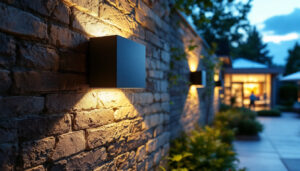
Modern path lights emphasize clean lines, sleek finishes, and understated elegance. Materials like brushed aluminum and matte black powder-coated steel are common. These fixtures complement contemporary architecture and minimalist landscapes, providing subtle yet effective illumination.
Many modern fixtures incorporate integrated LEDs and diffusers to produce uniform light distribution, reducing glare and enhancing visual comfort.
Decorative and Thematic Options
For clients seeking unique or themed outdoor spaces, decorative path lights offer creative possibilities. Designs may include nature-inspired motifs, geometric shapes, or artistic elements that serve as focal points. While aesthetics are important, contractors must ensure these fixtures meet durability and performance standards.
Customizable options, such as interchangeable shades or color filters, can further personalize installations.
Installation Best Practices for Lighting Contractors
Site Assessment and Planning
Successful path lighting begins with a thorough site assessment. Contractors should evaluate the pathway’s length, width, and intended use, as well as surrounding vegetation, structures, and terrain. This information guides fixture placement, spacing, and light intensity requirements.
Planning should also account for electrical access points, potential obstructions, and drainage issues to avoid future complications.
Fixture Placement and Spacing
Proper spacing is crucial to achieve uniform illumination and avoid dark spots or excessive overlap. A general rule is to space path lights at intervals equal to the height of the fixture, but this can vary based on beam angle and desired brightness.
Contractors should position fixtures to highlight the edges of pathways, ensuring safe navigation while minimizing light trespass onto adjacent properties.
Wiring and Electrical Safety
Low-voltage wiring requires careful trenching and protection to prevent damage from landscaping activities or weather. Using direct burial cables rated for outdoor use and installing protective conduit where necessary enhances system reliability.
Adherence to the National Electrical Code (NEC) and local regulations is mandatory. Ground fault circuit interrupters (GFCIs) should be installed to protect against electrical hazards.
Testing and Adjustment
After installation, contractors should test all fixtures for proper operation and uniformity. Adjusting beam angles, fixture height, and aiming can optimize lighting effects and client satisfaction.
Providing clients with maintenance tips and demonstrating control features, especially for smart lighting systems, enhances the overall service experience.
Energy Efficiency and Sustainability in Path Lighting
Leveraging LED and Smart Controls
Energy efficiency is a growing priority for clients and contractors alike. LEDs inherently reduce power consumption, but integrating smart controls such as motion sensors, timers, and dimmers can further optimize energy use.
Motion-activated path lights enhance security while conserving energy by illuminating only when movement is detected. Timers allow lights to operate during peak usage hours, reducing unnecessary operation.
Solar Path Lights: Pros and Cons
Solar path lights appeal for their ease of installation and zero operating costs. However, their performance depends heavily on location, weather, and battery capacity. In shaded or northern-facing areas, solar lights may provide insufficient illumination.
Contractors should carefully evaluate site conditions and client expectations before recommending solar options, ensuring realistic performance outcomes.
Material Sustainability and Lifecycle Considerations
Choosing fixtures made from recyclable or sustainably sourced materials supports environmental responsibility. Additionally, modular designs that allow easy replacement of components extend fixture lifespan and reduce waste.
Contractors can advise clients on maintenance practices that prolong the life of path lights, such as regular cleaning and timely bulb replacement.
Common Challenges and Solutions in Path Lighting Projects
Addressing Glare and Light Pollution
Excessive glare can cause discomfort and reduce the effectiveness of path lighting. Using fixtures with proper shielding, diffusers, and appropriate beam angles minimizes glare. Ensuring lights are directed downward and away from neighbors helps mitigate light pollution concerns.
Contractors should stay informed about local lighting ordinances that regulate brightness and light trespass.
Dealing with Harsh Environmental Conditions
Exposure to moisture, temperature extremes, and physical impact can degrade path lighting systems. Selecting robust materials and fixtures rated for harsh environments is essential. In areas prone to flooding, elevated mounting or waterproof enclosures protect electrical components.
Routine inspections and preventive maintenance can identify issues before they lead to failures.
Balancing Aesthetics with Functionality
Clients often desire visually striking path lighting that also meets safety standards. Contractors must educate clients about the trade-offs between decorative fixtures and practical illumination. Combining different fixture types or layering lighting techniques can achieve both goals effectively.
Collaborating with landscape designers or architects can enhance project outcomes.
Conclusion: Elevating Outdoor Spaces with Expert Path Lighting
For lighting contractors, mastering the art and science of path lighting is a pathway to delivering exceptional outdoor environments. By understanding the latest technologies, materials, and installation techniques, contractors can provide solutions that enhance safety, beauty, and sustainability.
Staying current with industry trends and client preferences ensures competitive advantage and client satisfaction. This comprehensive guide serves as a foundation for making informed choices and executing successful path lighting projects that stand the test of time.
Illuminate Your Projects with LumenWholesale
Ready to elevate your path lighting projects with the best in the business? At LumenWholesale, we provide lighting contractors like you with the highest quality, spec-grade lighting products at prices that can’t be beaten. Say goodbye to local distributor markups and hello to a vast selection of reliable, high-performance lighting that meets the most stringent industry standards. With free shipping on bulk orders, you can stock up on premium lighting solutions without worrying about hidden fees or compromises. Don’t miss out on the perfect combination of quality, affordability, and convenience. Wholesale Lighting at the Best Value is just a click away. Enhance your outdoor spaces with LumenWholesale today.