Introduction to Wall Switch Motion Detectors
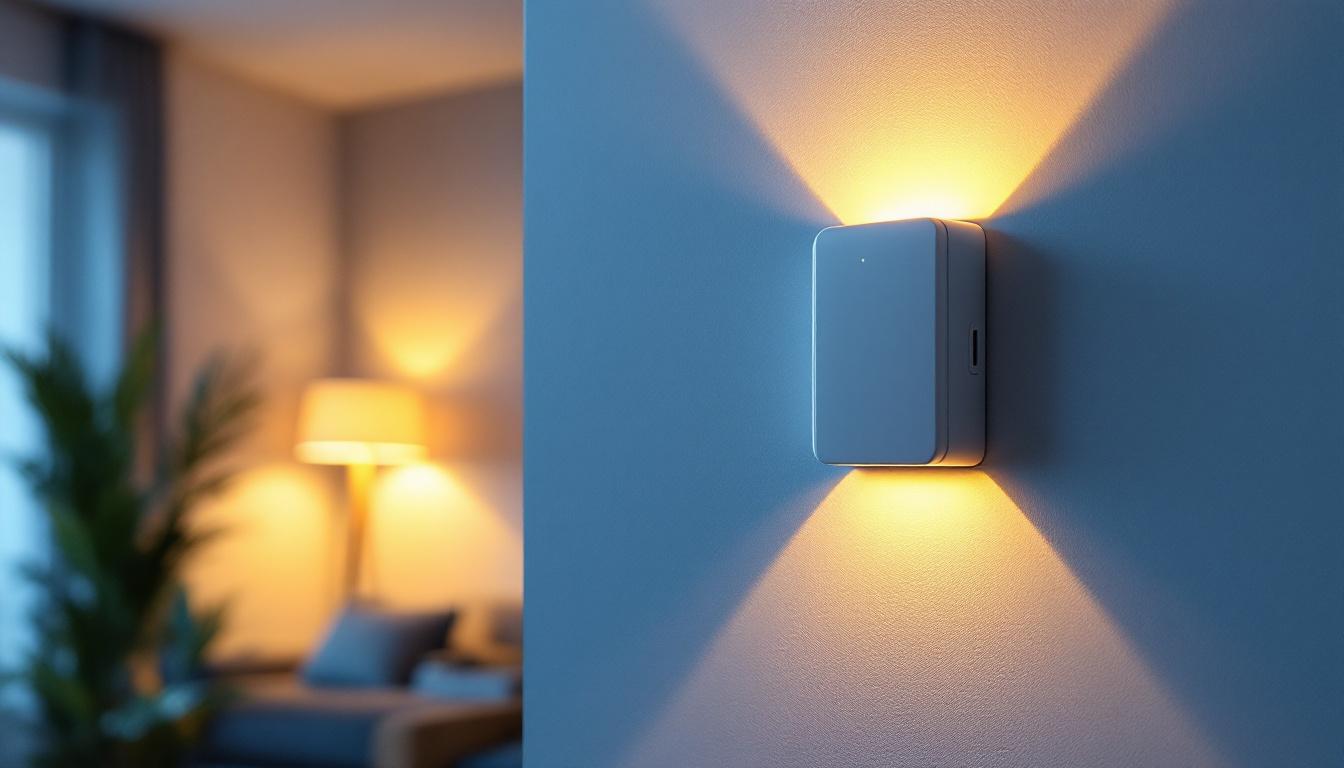
In the ever-evolving landscape of lighting technology, wall switch motion detectors have emerged as a pivotal innovation for contractors seeking to deliver smarter, more efficient lighting solutions. These devices integrate seamlessly into existing electrical systems, offering automated control that enhances convenience, energy savings, and building security. For lighting contractors, understanding the capabilities and benefits of wall switch motion detectors is essential to future-proofing projects and meeting the increasing demands of clients.
Unlike standalone motion sensors or traditional manual switches, wall switch motion detectors combine detection and control into a single, user-friendly unit. This integration simplifies installation and maintenance, making them an attractive option for both new constructions and retrofit projects. As sustainability and smart building technologies gain momentum, these devices play a crucial role in aligning lighting projects with modern standards and expectations.
One of the standout features of wall switch motion detectors is their ability to adjust lighting based on occupancy, which not only conserves energy but also extends the lifespan of lighting fixtures. By automatically turning lights off in unoccupied spaces, these detectors help reduce electricity costs and minimize environmental impact. Furthermore, many models come equipped with advanced settings that allow users to customize sensitivity levels and time delays, ensuring that the lighting responds appropriately to the specific needs of each area. This level of customization is particularly beneficial in commercial settings, where varying occupancy patterns can lead to significant energy savings over time.
Additionally, wall switch motion detectors can enhance safety and security in both residential and commercial environments. By ensuring that lights automatically illuminate when someone enters a room or hallway, these devices can help prevent accidents and improve visibility in dark areas. In commercial buildings, the presence of motion-activated lighting can deter unauthorized access and enhance overall security measures. As businesses increasingly prioritize safety and efficiency, integrating wall switch motion detectors into their lighting systems becomes not just a choice, but a strategic necessity. With the rise of smart home technology, many of these detectors can also be integrated into larger home automation systems, allowing for even greater control and flexibility in managing lighting and energy use. This interconnectedness not only provides convenience but also positions contractors to offer cutting-edge solutions that meet the demands of modern consumers.
Why Future-Proofing Matters in Lighting Projects
Adapting to Technological Advancements
The lighting industry is rapidly advancing with innovations such as IoT integration, wireless connectivity, and adaptive lighting controls. Future-proofing involves selecting components and systems that can accommodate these changes without requiring costly overhauls. Wall switch motion detectors are designed with compatibility and scalability in mind, often supporting communication protocols like Zigbee, Z-Wave, or Wi-Fi, which enable integration with smart home or building management systems.
By incorporating these devices, contractors ensure that lighting installations remain relevant and functional as new technologies emerge. This approach not only protects investments but also positions contractors as forward-thinking professionals capable of delivering cutting-edge solutions.
Meeting Increasing Energy Efficiency Standards
Energy efficiency regulations continue to tighten globally, pushing for reduced consumption and smarter energy use in buildings. Motion detectors directly contribute to these goals by minimizing unnecessary lighting operation. According to studies, lighting accounts for approximately 15-20% of total electricity consumption in commercial buildings, and motion-activated controls can reduce lighting energy use by up to 30-50% in certain applications.
For contractors, specifying wall switch motion detectors helps clients comply with energy codes and achieve sustainability certifications such as LEED or WELL. This not only enhances the marketability of projects but also aligns with growing environmental responsibility trends.
Key Features of Wall Switch Motion Detectors for Contractors
Sensor Types and Detection Capabilities
Wall switch motion detectors typically employ either passive infrared (PIR) sensors, ultrasonic sensors, or a combination of both. PIR sensors detect changes in infrared radiation caused by movement, making them effective for general occupancy detection. Ultrasonic sensors emit sound waves and detect motion through reflected signals, offering higher sensitivity and coverage in complex environments.
Choosing the appropriate sensor type depends on the application. For example, PIR sensors are ideal for open areas with clear lines of sight, while ultrasonic sensors excel in spaces with obstacles or partitions. Hybrid sensors combine both technologies to reduce false triggers and improve accuracy, an important consideration in high-traffic or sensitive environments.
Adjustable Settings and Customization
Modern wall switch motion detectors provide a range of adjustable parameters, including detection range, time delay before lights turn off, and ambient light thresholds. These settings allow contractors to tailor device performance to specific project requirements, optimizing user experience and energy savings.
For instance, the ability to set a daylight threshold ensures lights remain off when sufficient natural light is present, preventing unnecessary energy use. Time delay adjustments help accommodate varying occupancy patterns, such as longer delays in conference rooms versus shorter ones in corridors.
Integration with Smart Systems
Integration capabilities are a critical feature for future-proofing. Many wall switch motion detectors support communication with smart hubs and building automation systems, enabling centralized control and data analytics. This connectivity allows for advanced functions such as remote monitoring, scheduling, and adaptive lighting based on occupancy trends.
By offering devices with open protocols or compatibility with popular platforms, contractors can provide clients with scalable solutions that evolve alongside their building’s technological infrastructure.
Installation Best Practices for Lighting Contractors
Pre-Installation Planning
Successful integration of wall switch motion detectors begins with thorough planning. Contractors should conduct detailed site assessments to identify optimal sensor placement, considering factors such as typical traffic flow, room layout, and potential obstructions. Proper positioning maximizes detection accuracy and minimizes false activations.
Additionally, reviewing electrical schematics and ensuring compatibility with existing wiring and load requirements is essential. Some devices may require neutral wires or specific voltage ranges, which must be verified before installation to avoid complications.
Wiring and Mounting Considerations
Wall switch motion detectors are designed to fit standard electrical boxes, simplifying physical installation. However, contractors should follow manufacturer guidelines closely to ensure safe and compliant wiring. This includes proper grounding, securing connections, and verifying load ratings to prevent device failure or hazards.
Mounting height and orientation significantly influence sensor performance. Typically, installing the device at eye level or slightly higher (around 48 to 60 inches) provides optimal coverage. Angling the sensor to cover entry points and high-traffic zones enhances responsiveness.
Testing and Calibration
Post-installation testing is critical to confirm correct operation. Contractors should verify that motion detection triggers lighting as expected, adjust sensitivity and time delay settings, and ensure daylight sensing functions properly. Testing under various conditions, including different lighting levels and occupancy scenarios, helps fine-tune performance.
Documenting settings and providing clients with user instructions facilitates ongoing maintenance and empowers end-users to optimize the system according to their needs.
Case Studies: Successful Implementations of Wall Switch Motion Detectors
Commercial Office Building Retrofit
A mid-sized commercial office underwent a lighting retrofit aimed at reducing energy costs and improving occupant comfort. The contractor installed wall switch motion detectors in all conference rooms, restrooms, and corridors. By integrating these devices with the building’s existing lighting control system, the project achieved a 40% reduction in lighting energy consumption.
The client reported enhanced user satisfaction due to the seamless automation and improved lighting responsiveness. Additionally, the retrofit qualified the building for energy efficiency incentives, demonstrating the financial benefits of future-proofed lighting solutions.
Educational Facility New Construction
In a newly constructed educational facility, wall switch motion detectors were specified throughout classrooms, hallways, and common areas. The devices were chosen for their compatibility with the school’s smart building platform, enabling centralized control and monitoring.
This integration allowed facility managers to analyze occupancy patterns and adjust lighting schedules dynamically, further optimizing energy use. The project highlighted how early adoption of advanced motion detection technology supports long-term operational efficiency and sustainability goals.
Emerging Trends and Innovations in Motion Detection
Artificial Intelligence and Predictive Analytics
Emerging wall switch motion detectors are beginning to incorporate artificial intelligence (AI) to enhance detection accuracy and adapt to user behavior. AI algorithms analyze occupancy patterns and environmental factors to predict when lighting should be activated or dimmed, reducing false triggers and improving energy savings.
For contractors, staying informed about these advancements enables the specification of cutting-edge devices that offer superior performance and user experience.
Wireless and Battery-Powered Solutions
Wireless wall switch motion detectors are gaining popularity due to their ease of installation and flexibility. Battery-powered models eliminate the need for complex wiring, making them ideal for retrofit projects or locations where electrical access is limited.
These solutions often support mesh networking, allowing devices to communicate and extend coverage without additional infrastructure. Contractors can leverage these technologies to offer cost-effective and minimally invasive upgrades.
Integration with Voice and Mobile Controls
Integration with voice assistants and mobile applications is becoming a standard expectation in smart lighting systems. Wall switch motion detectors that support these interfaces provide users with multiple control options, enhancing convenience and accessibility.
Contractors who incorporate devices with these capabilities can deliver comprehensive smart lighting experiences that appeal to tech-savvy clients and future occupants.
Conclusion: Positioning for Success with Wall Switch Motion Detectors
For lighting contractors, embracing wall switch motion detectors is a strategic move toward future-proofing projects and delivering value-driven solutions. These devices offer a blend of energy efficiency, user convenience, and technological adaptability that aligns with modern building requirements and client expectations.
By understanding the technical features, installation best practices, and emerging trends, contractors can confidently specify and install motion detectors that enhance lighting projects’ longevity and performance. This proactive approach not only benefits clients but also strengthens the contractor’s reputation as an innovator in the competitive lighting industry.
Illuminate Your Projects with LumenWholesale
Ready to elevate your lighting projects with the most advanced wall switch motion detectors? Look no further than LumenWholesale, where we offer an exceptional range of spec-grade lighting products at unbeatable wholesale prices. Say goodbye to unnecessary markups and hello to premium quality and affordability. With our commitment to hassle-free bulk buying and free shipping, you can ensure your projects are not only future-proof but also cost-effective. Don’t compromise on performance or value—Wholesale Lighting at the Best Value is just a click away. Partner with LumenWholesale today and light up your projects with confidence.