Understanding the Rise of LED Solar Landscape Lights
In recent years, LED solar landscape lights have transformed the outdoor lighting industry, offering a sustainable, cost-effective, and versatile solution for illuminating gardens, pathways, and commercial landscapes. For lighting contractors, mastering the nuances of these systems is essential to deliver value-driven projects that meet client expectations while optimizing installation efficiency and long-term maintenance.
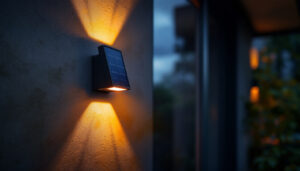
The global push toward renewable energy and energy-efficient technologies has accelerated the adoption of solar-powered LED lighting. Unlike traditional wired lighting systems, LED solar lights harness sunlight through photovoltaic panels, converting it into electrical energy stored in rechargeable batteries. This independence from the electrical grid not only reduces installation complexity but also significantly cuts operational costs.
Moreover, advances in LED technology have improved brightness, color rendering, and energy consumption, making solar landscape lighting a practical choice even for demanding applications. For contractors, staying informed about these developments is crucial to advising clients accurately and ensuring project success.
In addition to their environmental benefits, LED solar landscape lights offer a plethora of design options that can enhance the aesthetic appeal of any outdoor space. From sleek, modern fixtures to more traditional lantern styles, these lights can be integrated seamlessly into various landscaping themes. Furthermore, many models now come equipped with smart technology, allowing users to control brightness levels and set timers through mobile applications. This level of customization not only caters to individual preferences but also allows for energy savings by ensuring lights are only on when needed.
As the technology continues to evolve, the durability and lifespan of solar landscape lights have also seen significant improvements. Many products are now designed to withstand harsh weather conditions, featuring materials that resist corrosion and fading. This resilience is particularly important for contractors who want to ensure their installations remain functional and visually appealing over time. Additionally, the growing trend of integrating solar lights with smart home systems offers an exciting opportunity for contractors to provide clients with comprehensive, modern solutions that enhance both security and convenience in outdoor spaces.
Key Benefits of LED Solar Landscape Lights for Contractors and Clients
Energy Efficiency and Sustainability
LED solar lights consume a fraction of the energy compared to incandescent or halogen fixtures. Since they rely on solar energy, operational expenses related to electricity are virtually eliminated. This appeals to environmentally conscious clients and those seeking to reduce their carbon footprint. Additionally, many municipalities and homeowners associations now encourage or mandate the use of energy-efficient lighting, making solar LED solutions a strategic offering for contractors. The longevity of LED technology also contributes to sustainability; with lifespans often exceeding 25,000 hours, these lights require less frequent replacement, which means fewer materials are consumed over time. This durability not only benefits the environment but also aligns with the growing trend of sustainable building practices that many clients are now prioritizing.
Reduced Installation Complexity and Costs
Traditional landscape lighting often requires trenching, conduit installation, and electrical wiring, which can be labor-intensive and disruptive to existing landscaping. Solar LED lights eliminate the need for extensive wiring, enabling quicker installations and minimizing site disturbance. This not only reduces labor costs but also shortens project timelines, allowing contractors to take on more projects efficiently. Moreover, the portability of solar lights means they can be easily repositioned or upgraded without the need for additional electrical work, providing clients with a flexible lighting solution that adapts to their evolving needs. This adaptability can be particularly appealing for clients who may want to change their landscape design or enhance their outdoor spaces over time.
Flexibility and Design Versatility
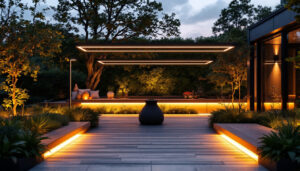
Because solar LED lights are not tethered to electrical outlets, they can be placed in locations previously considered impractical for wired lighting. This flexibility allows contractors to propose creative lighting designs that enhance aesthetic appeal and safety. From accentuating architectural features to illuminating remote garden areas, solar LEDs offer a broad palette of design possibilities. Additionally, many solar LED lights come with adjustable brightness settings and color temperatures, allowing for customization that can match the ambiance of any outdoor setting. This versatility not only enhances the visual appeal of landscapes but also provides functional lighting solutions for various activities, such as outdoor gatherings or evening strolls, ensuring that clients can enjoy their outdoor spaces to the fullest, day or night.
Smart Installation Hacks for LED Solar Landscape Lights
Site Assessment and Solar Exposure Optimization
One of the most critical factors for successful solar lighting installation is ensuring adequate sunlight exposure. Contractors should conduct thorough site assessments to identify optimal locations for solar panels, avoiding shaded areas caused by trees, buildings, or other obstructions. Using tools such as solar pathfinders or smartphone apps that simulate sun paths can help predict sunlight availability throughout the day and across seasons.
In cases where shading is unavoidable, consider selecting solar lights with larger photovoltaic panels or higher-capacity batteries to compensate for reduced solar input. Educating clients about the importance of solar exposure upfront can prevent dissatisfaction due to dim or non-functioning lights.
Battery Selection and Maintenance Strategies
Battery performance directly impacts the longevity and reliability of solar LED lights. Lithium-ion batteries are becoming the preferred choice due to their higher energy density, longer lifespan, and better performance in varying temperatures compared to traditional nickel-metal hydride (NiMH) or sealed lead-acid batteries.
Contractors should specify high-quality batteries and design installations for easy access to facilitate periodic maintenance or replacement. Implementing a maintenance schedule that includes cleaning solar panels and checking battery health can significantly extend system life and client satisfaction.
Utilizing Smart Controls and Sensors
Integrating smart controls such as motion sensors, dusk-to-dawn timers, or remote management systems can enhance the functionality and energy efficiency of solar LED lighting. Motion sensors, for example, can trigger lights only when movement is detected, conserving battery power and increasing security.
For larger commercial projects, contractors may consider solar lighting systems compatible with wireless control networks, enabling centralized management and monitoring. This adds value for clients seeking sophisticated lighting solutions and positions contractors as forward-thinking professionals.
Design Considerations for Maximizing Impact and Client Satisfaction
Balancing Brightness and Ambiance
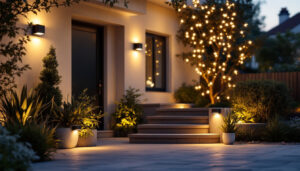
While LED solar lights are efficient, their brightness output is generally lower than wired fixtures. Contractors should carefully balance illumination levels to meet functional needs without overpowering the landscape’s natural beauty. Layered lighting techniques—combining path lights, spotlights, and ambient fixtures—can create depth and visual interest.
Choosing LEDs with adjustable brightness or color temperature options allows customization tailored to the client’s preferences and the setting’s mood. Warm white LEDs often provide a welcoming ambiance, while cooler tones may be suited for security-focused applications.
Durability and Weather Resistance
Outdoor lighting fixtures must withstand exposure to moisture, temperature fluctuations, and physical impacts. Selecting solar LED lights with robust IP ratings (Ingress Protection) ensures resistance against dust and water ingress. Materials such as die-cast aluminum or high-grade plastics contribute to fixture longevity.
Contractors should also advise clients on proper installation techniques, such as securing fixtures firmly and avoiding areas prone to flooding or heavy foot traffic, to prevent premature damage.
Integration with Existing Landscape Elements
Successful landscape lighting complements and enhances existing features rather than overpowering them. Contractors should collaborate with landscape designers or horticulturists when possible to align lighting plans with plant placement, water features, and architectural elements.
Using solar LED lights with adjustable heads or flexible mounts allows precise aiming, highlighting focal points without causing glare or light pollution. This thoughtful integration elevates the overall aesthetic and adds perceived value to the property.
Overcoming Common Challenges in Solar LED Landscape Lighting Projects
Addressing Client Misconceptions
Despite their advantages, some clients may harbor doubts about solar lighting’s reliability or brightness. Contractors can overcome these concerns by providing demonstrations, sharing case studies, and explaining the technology’s evolution. Offering trial installations or phased approaches can build client confidence.
Managing Seasonal Variability
Solar lighting performance can fluctuate with seasonal changes in sunlight duration and intensity. Contractors should design systems with sufficient battery capacity and panel size to accommodate lower light conditions during winter months or overcast periods. Setting realistic expectations with clients about seasonal dimming helps avoid dissatisfaction.
Ensuring Compliance with Local Regulations
Some jurisdictions have specific codes governing outdoor lighting, including restrictions on brightness, color temperature, and light trespass. Contractors must familiarize themselves with local ordinances and obtain necessary permits to ensure compliance. Solar LED lighting often facilitates adherence to these regulations due to its lower intensity and directional capabilities.
Leveraging Technology Trends to Stay Ahead
Advancements in Solar Panel Efficiency
Emerging solar panel technologies, such as bifacial panels and perovskite materials, promise higher conversion efficiencies and better performance under diffuse light conditions. Contractors who stay informed about these innovations can offer clients cutting-edge solutions that maximize energy harvest and system reliability.
Integration with Smart Home and IoT Systems
The growing prevalence of smart home ecosystems presents opportunities for solar landscape lighting integration. Lighting contractors can differentiate their services by offering solar LED systems compatible with voice assistants, smartphone apps, and home automation platforms. This connectivity enhances user convenience and system adaptability.
Data-Driven Maintenance and Analytics
Some advanced solar lighting systems now incorporate sensors and connectivity features that provide real-time performance data and predictive maintenance alerts. Contractors can leverage these tools to offer proactive service agreements, ensuring optimal system operation and fostering long-term client relationships.
Conclusion: Positioning as a Smart Lighting Contractor
LED solar landscape lights represent a convergence of sustainability, technology, and design flexibility that is reshaping outdoor lighting. For lighting contractors, embracing these systems and applying smart installation hacks can unlock new business opportunities, improve project outcomes, and enhance client satisfaction.
By prioritizing site assessment, battery quality, smart controls, and thoughtful design, contractors can deliver solar lighting solutions that are both beautiful and reliable. Staying abreast of technological advancements and regulatory requirements further positions contractors as trusted experts in the evolving landscape lighting market.
Ultimately, the successful integration of LED solar landscape lights hinges on a combination of technical knowledge, creative vision, and client education—qualities that define the modern smart lighting contractor.
Illuminate Your Projects with LumenWholesale
Ready to elevate your lighting projects with the latest LED solar landscape lights? At LumenWholesale, we provide you with the high-quality, spec-grade lighting products you need at the best wholesale value. Say goodbye to local distributor markups and hello to our extensive selection that meets the highest industry standards. With free shipping on bulk orders, you can trust that you’re getting premium lighting solutions at the best price, with no hidden fees. Make your next project shine with the perfect blend of quality, affordability, and convenience. Explore our Wholesale Lighting at the Best Value today and light up your client’s world with confidence.