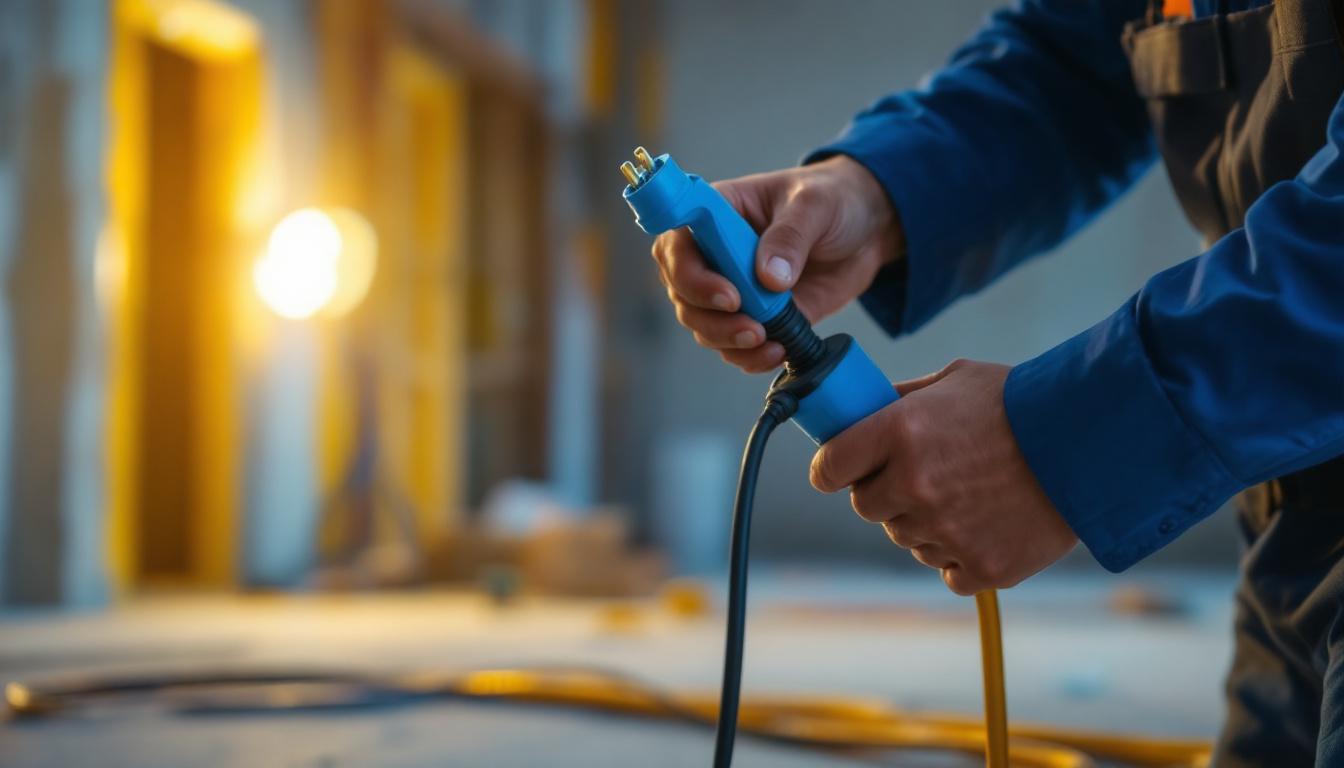
Understanding Electrical Whips With Plugs: An Essential Overview
For lighting contractors, the electrical whip with plug is a fundamental component that streamlines the installation process of lighting fixtures. Essentially, an electrical whip is a flexible conduit or cable assembly that connects electrical wiring from a power source to a fixture or device. When equipped with a plug, it offers a convenient, safe, and efficient way to connect and disconnect lighting equipment without hardwiring directly into the electrical system.
Electrical whips with plugs are widely used in commercial and residential lighting projects, especially where modularity and ease of maintenance are priorities. They reduce installation time, improve safety by minimizing exposed wiring, and provide flexibility for future upgrades or repairs. Understanding their specifications, applications, and best practices is crucial for contractors aiming to deliver high-quality, code-compliant lighting installations.
Key Components and Types
Typically, an electrical whip with plug consists of a flexible conduit or armored cable housing insulated conductors, a plug at one end, and a connector or junction box at the other. The choice of materials and design depends on the environment—whether indoor, outdoor, wet locations, or hazardous areas.
Common types include:
- Flexible Metal Conduit (FMC) Whips: Known for durability and protection against mechanical damage.
- Liquidtight Flexible Nonmetallic Conduit (LFNC) Whips: Ideal for wet or damp environments due to their moisture resistance.
- Armored Cable (AC) or Metal-Clad (MC) Cable Whips: Provide robust protection and are often used in commercial installations.
Choosing the right type depends on the project’s requirements, local electrical codes, and the specific lighting fixture involved. Additionally, the gauge of the conductors within the whip is essential to ensure that the electrical load is adequately supported, preventing overheating and potential failures. For example, a thicker gauge wire can handle higher currents, making it suitable for more powerful lighting systems, while thinner wires are adequate for lower wattage applications.
Moreover, the length of the whip can also play a significant role in the installation process. Longer whips provide greater flexibility in positioning fixtures, allowing for creative lighting designs that can adapt to various architectural features. However, it’s important to balance length with the potential for voltage drop, which can affect the performance of the lighting system. Thus, contractors must carefully calculate the required lengths and gauge sizes to ensure optimal functionality while adhering to safety standards.
Benefits of Using Electrical Whips With Plugs in Lighting Installations
Electrical whips with plugs offer multiple advantages that make them a preferred choice for lighting contractors. Understanding these benefits helps contractors communicate value to clients and optimize installation workflows.
Improved Installation Efficiency
One of the most significant benefits is the reduction in installation time. Traditional hardwired connections require careful stripping, twisting, and securing of wires, often inside tight junction boxes. With a plug-equipped whip, contractors can simply plug the fixture into a receptacle, speeding up the process and reducing labor costs.
This efficiency is especially valuable in large-scale commercial projects or renovations where minimizing downtime is critical. Additionally, the use of electrical whips can streamline the training process for new electricians. Since the installation process is simplified, less experienced workers can quickly learn how to connect fixtures without the steep learning curve associated with traditional wiring methods. This not only enhances team productivity but also helps in maintaining project timelines.
Enhanced Safety and Code Compliance
Using a plug connection reduces the risk of loose or exposed wires, which can cause electrical shocks or short circuits. Many electrical codes recognize plug-in connections as a safer alternative when installed correctly, particularly in accessible areas where fixtures may need to be serviced or replaced frequently.
Additionally, electrical whips with plugs often come pre-assembled and tested, ensuring consistent quality and adherence to safety standards. This pre-testing minimizes the risk of installation errors, which can lead to costly rework or safety violations. Furthermore, the ability to quickly disconnect fixtures for maintenance or replacement without the need for specialized tools enhances safety for technicians who may be working at heights or in challenging environments.
Flexibility and Future-Proofing
Lighting needs often evolve with changing design trends or functional requirements. Electrical whips with plugs allow for easy fixture swaps without rewiring, making upgrades or replacements straightforward. This flexibility is a selling point for clients who want adaptable lighting solutions.
Moreover, in commercial settings, modular lighting systems connected via whips facilitate phased installations and expansions without extensive electrical work. This adaptability is particularly beneficial in environments like retail spaces, where lighting design may need to shift frequently to highlight new products or create seasonal atmospheres. The ease of reconfiguring lighting setups not only saves time and money but also enhances the overall aesthetic appeal of the space, allowing businesses to remain competitive and responsive to customer preferences.
Key Considerations When Selecting Electrical Whips With Plugs
Choosing the right electrical whip with plug is critical to ensuring a safe, durable, and code-compliant installation. Several factors should guide the selection process.
Voltage and Amperage Ratings
Electrical whips must be rated to handle the voltage and current of the lighting fixtures they serve. For example, standard residential lighting circuits typically operate at 120 volts, while commercial systems may use 277 volts or higher. The whip’s conductors and plug must support the maximum current draw to prevent overheating or failure.
Always verify the whip’s specifications against the fixture’s electrical requirements and consult local electrical codes for compliance.
Environmental Conditions
Consider the installation environment carefully. For outdoor or damp locations, whips with liquidtight conduits and weather-resistant plugs are essential to prevent moisture ingress and corrosion. In industrial or hazardous environments, explosion-proof or specially rated whips may be required.
Additionally, temperature ratings of the whip materials should align with the ambient conditions to maintain performance and safety.
Length and Flexibility
The whip length must be sufficient to reach from the power source to the fixture without strain or excessive slack. Too short a whip can cause tension on connections, while too long can create clutter and potential tripping hazards.
Flexibility is also important, especially in tight or complex installation spaces. Selecting a whip with appropriate bend radius and conduit flexibility can ease routing and reduce installation time.
Plug Type and Compatibility
Plugs come in various configurations depending on voltage, amperage, and grounding requirements. Ensuring compatibility between the whip’s plug and the receptacle or fixture is essential. Mismatched plugs can lead to unsafe connections or non-compliance with electrical codes.
Standardizing plug types across a project can simplify maintenance and reduce the risk of incorrect connections.
Installation Best Practices for Lighting Contractors
Proper installation of electrical whips with plugs is vital to maximize their benefits and ensure safety. The following best practices are recommended for lighting contractors.
Pre-Installation Inspection
Before installation, thoroughly inspect the whip for any signs of damage, such as cuts, abrasions, or loose connections. Verify that the plug and conductors are intact and meet the project specifications.
Confirm that the whip’s ratings align with the fixture’s electrical requirements and the installation environment.
Secure Mounting and Routing
Route the whip to avoid sharp bends, kinks, or exposure to physical damage. Use appropriate clamps or straps to secure the whip along its path, preventing movement that could loosen connections over time.
Maintain clearance from heat sources, water pipes, or other potential hazards. In commercial installations, follow guidelines for conduit support intervals and mounting heights.
Proper Plug Connection
Ensure the plug is fully inserted into the receptacle and locks securely if applicable. Loose connections can cause arcing, overheating, or intermittent power loss.
For plugs with locking mechanisms, verify engagement to prevent accidental disconnection. In wet or outdoor environments, use weatherproof covers or enclosures to protect the plug and receptacle.
Testing and Verification
After installation, test the circuit for proper voltage, continuity, and grounding. Use a multimeter or dedicated electrical testers to confirm that the whip and plug assembly functions correctly and safely.
Document the installation and testing results as part of quality assurance and compliance records.
Common Challenges and How to Overcome Them
Despite their advantages, electrical whips with plugs can present challenges that lighting contractors should anticipate and manage effectively.
Compatibility Issues
One common challenge is mismatched plugs and receptacles, especially in projects involving multiple manufacturers or retrofit installations. To avoid this, standardize plug types early in the project planning phase and coordinate with suppliers and electricians.
Environmental Degradation
Exposure to moisture, UV rays, or chemicals can degrade whip materials and plugs over time, leading to failures. Selecting whips with appropriate environmental ratings and performing regular inspections can mitigate this risk.
Mechanical Damage
Whips routed through high-traffic or mechanical areas may suffer physical damage. Using armored conduit or protective covers and proper securing techniques can protect the whip from impact or abrasion.
Emerging Trends and Innovations in Electrical Whips
The electrical industry continues to evolve, and lighting contractors can benefit from staying informed about new developments related to electrical whips with plugs.
Smart Connectors and Integrated Controls
Some manufacturers now offer electrical whips with integrated smart connectors that support data transmission alongside power delivery. These enable advanced lighting controls, such as dimming, color tuning, and occupancy sensing, without additional wiring.
Adopting these technologies can enhance the functionality and energy efficiency of lighting systems, meeting the growing demand for smart buildings.
Eco-Friendly Materials and Designs
There is increasing focus on sustainability in electrical components. Whips made from recyclable or low-impact materials, along with designs that reduce waste during installation, are gaining popularity.
Contractors who prioritize eco-friendly products can appeal to environmentally conscious clients and contribute to green building certifications.
Conclusion: Mastering Electrical Whips With Plugs for Superior Lighting Installations
For lighting contractors, mastering the use of electrical whips with plugs is a critical skill that enhances installation efficiency, safety, and flexibility. By understanding the types, benefits, selection criteria, and best practices outlined above, contractors can deliver high-quality lighting solutions that meet client expectations and comply with electrical codes.
Staying aware of common challenges and embracing emerging innovations further positions contractors as trusted experts in the evolving lighting industry. Ultimately, the thoughtful application of electrical whips with plugs contributes to safer, smarter, and more adaptable lighting installations across diverse projects.
Get Your Premium Lighting Supplies at LumenWholesale
Ready to elevate your lighting installations with the efficiency, safety, and flexibility of electrical whips with plugs? Look no further than LumenWholesale for all your lighting needs. Our extensive selection of spec-grade lighting products is available at unbeatable wholesale prices, ensuring you get the best value for your investment. Say goodbye to inflated markups and hello to high-performance lighting that meets the highest industry standards. With the added convenience of free shipping on bulk orders, LumenWholesale is your go-to source for quality lighting solutions. Don’t compromise on quality or price—Wholesale Lighting at the Best Value is just a click away.