Understanding LED Track Bulbs and Their Advantages
LED track bulbs have revolutionized the lighting industry, offering a versatile and energy-efficient solution for a wide range of applications. For lighting contractors, understanding the core benefits and functionalities of LED track bulbs is essential to delivering superior lighting solutions to clients.
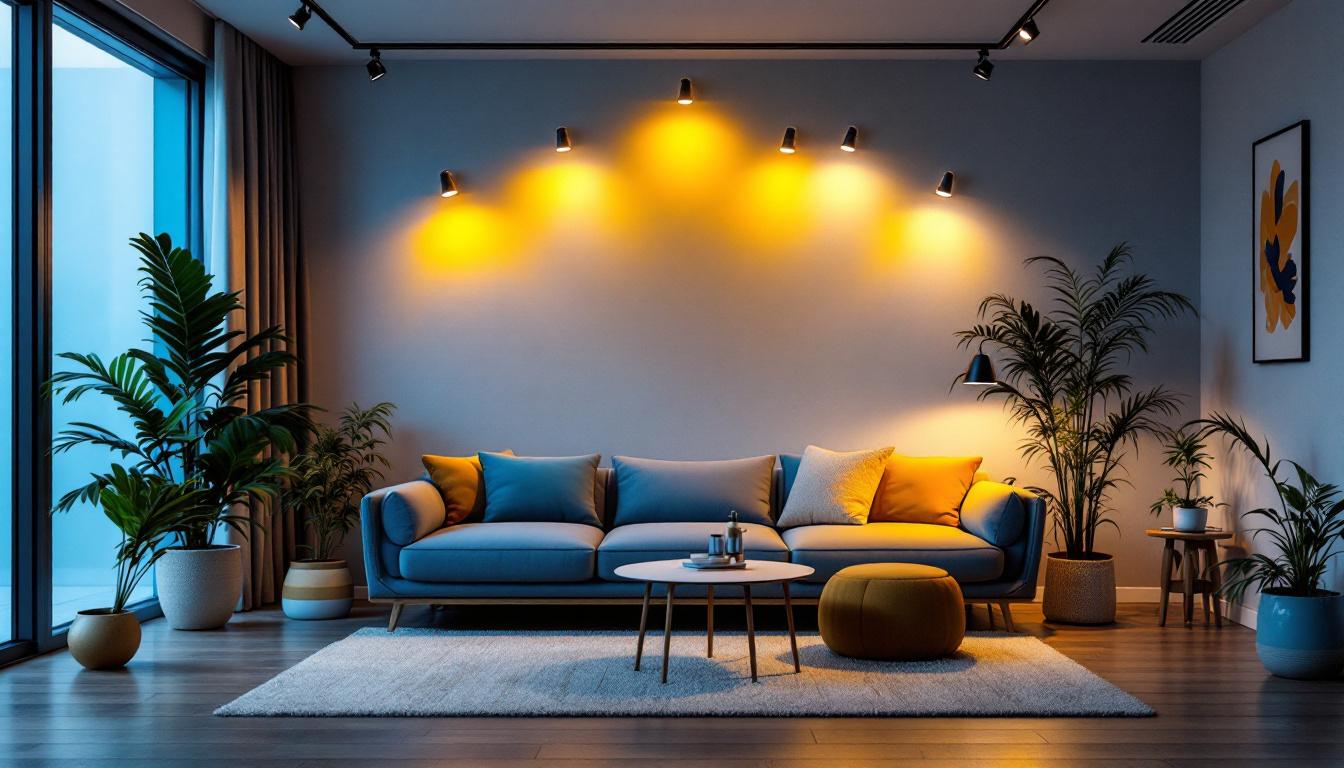
LED track bulbs are designed to fit into track lighting systems, which consist of a track mounted on ceilings or walls that can hold multiple light fixtures. These bulbs can be easily repositioned along the track, allowing for flexible lighting arrangements that cater to dynamic environments such as retail stores, galleries, offices, and residential spaces. This adaptability not only enhances the aesthetic appeal of a space but also allows for targeted illumination, making it easier to highlight specific areas or products, thus improving the overall customer experience.
The primary advantages of LED track bulbs include their energy efficiency, longevity, and directional lighting capabilities. Compared to traditional halogen or incandescent bulbs, LEDs consume significantly less power while producing the same or higher levels of brightness. This translates into lower electricity bills and reduced environmental impact, a critical consideration for clients aiming for sustainable solutions. Additionally, the ability to choose from a variety of color temperatures and brightness levels means that contractors can tailor the lighting to meet the specific needs of each space, whether it’s creating a warm, inviting atmosphere in a restaurant or providing bright, focused light in a workshop.
Energy Efficiency and Cost Savings
One of the most compelling reasons to recommend LED track bulbs is their remarkable energy efficiency. LEDs convert a higher percentage of electrical energy into light, with minimal heat loss. This efficiency can result in energy savings of up to 75% compared to halogen bulbs, which is a substantial benefit for commercial and residential clients alike. Furthermore, many LED track bulbs are now available with smart technology features that allow users to control their lighting remotely, adjust brightness, and even set schedules, further enhancing energy savings and convenience.
For lighting contractors, emphasizing these savings can help justify the initial investment in LED technology. Over time, the reduced energy consumption and lower maintenance costs due to longer bulb lifespans create a compelling return on investment. Clients can also benefit from potential rebates and incentives offered by local utilities for upgrading to energy-efficient lighting solutions, making the transition even more financially appealing.
Longevity and Reduced Maintenance
LED track bulbs typically have a lifespan ranging from 25,000 to 50,000 hours, far exceeding that of traditional lighting options. This longevity reduces the frequency of bulb replacements, which is particularly advantageous in commercial settings where maintenance can be disruptive and costly. The durability of LED technology also means that these bulbs are less prone to breakage, making them a safer option in high-traffic areas.
For contractors, this means fewer service calls and satisfied clients who appreciate the reliability and durability of their lighting systems. The reduced maintenance also aligns with sustainability goals by minimizing waste. Moreover, many LED track bulbs are designed to be more resilient to temperature fluctuations and vibrations, making them suitable for a variety of environments, from bustling retail spaces to serene art galleries. This versatility ensures that contractors can confidently recommend LED track bulbs for nearly any project, knowing they will deliver consistent performance and aesthetic appeal over time.
Design Flexibility and Enhanced Lighting Control
One of the standout features of LED track lighting is the design flexibility it offers. Track systems allow multiple fixtures to be mounted and adjusted along a single track, enabling precise control over the direction and focus of light.
This flexibility is invaluable in environments where lighting needs change frequently, such as retail spaces where product displays rotate regularly or art galleries that require adjustable spotlighting to highlight different exhibits.
Directional Lighting and Beam Angle Options
LED track bulbs come with various beam angles, ranging from narrow spotlights to wide floodlights. This range allows contractors to tailor the lighting to specific tasks or aesthetic goals. For example, a narrow beam angle is ideal for accent lighting that draws attention to particular objects, while a wider beam angle can provide general illumination.
Moreover, many LED track bulbs feature adjustable heads or swivel mechanisms, granting even greater control over light placement. This adaptability ensures that lighting can be optimized for both functionality and ambiance.
Color Temperature and CRI Considerations
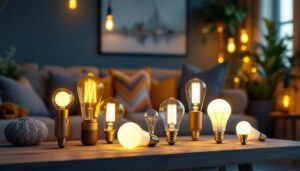
Color temperature and Color Rendering Index (CRI) are critical factors in achieving the desired lighting effect. LED track bulbs are available in a spectrum of color temperatures, from warm white (around 2700K) to cool white (upwards of 5000K). Selecting the appropriate color temperature can influence the mood and perceived space within a room.
High CRI values (above 80, and ideally 90+) are essential in settings where accurate color representation is crucial, such as retail environments or art displays. Lighting contractors should guide clients in choosing bulbs with suitable CRI ratings to ensure that colors appear vibrant and true to life.
Installation Best Practices for Optimal Performance
Proper installation of LED track bulbs is fundamental to maximizing their performance and lifespan. Lighting contractors must adhere to best practices that ensure safety, efficiency, and client satisfaction.
Compatibility and Track Selection
Not all LED track bulbs are compatible with every track system. There are different track standards—such as H, J, and L tracks—and bulbs must match the system’s specifications. Selecting the correct bulb and track combination prevents electrical issues and ensures secure fixture mounting.
Contractors should verify the electrical ratings of both the track and bulbs to avoid overloading circuits. Additionally, using dimmable LED track bulbs with compatible dimmer switches can enhance energy savings and allow clients to customize lighting levels.
Heat Management and Ventilation
Although LEDs generate less heat than traditional bulbs, they still produce some heat that needs to be dissipated to maintain efficiency and longevity. Ensuring adequate ventilation around the track fixtures prevents overheating, which can degrade LED components over time.
When designing lighting layouts, contractors should avoid densely packing fixtures without sufficient airflow. This consideration is especially important in enclosed or recessed track systems.
Wiring and Electrical Safety
Safe and compliant wiring is a non-negotiable aspect of track lighting installation. Contractors must follow local electrical codes and standards, using appropriate gauge wires, connectors, and circuit breakers. Proper grounding and secure connections reduce the risk of electrical faults and fire hazards.
Testing the system thoroughly before finalizing the installation helps identify any issues early, ensuring a smooth handover to clients.
Applications and Case Studies: Leveraging LED Track Bulbs Effectively
LED track bulbs have found success across diverse applications, demonstrating their adaptability and effectiveness. Exploring real-world examples can provide lighting contractors with insights into how to leverage these bulbs for various client needs.
Retail Environments: Enhancing Product Visibility
In retail settings, lighting plays a pivotal role in influencing customer behavior and product perception. LED track bulbs offer the flexibility to spotlight merchandise, create focal points, and adjust lighting as displays change.
For instance, a clothing boutique can use narrow-beam LED track bulbs to highlight featured apparel, while wider beams provide ambient lighting for the overall space. The ability to dim lights during different times of day or promotional events adds another layer of control.
Art Galleries and Museums: Preserving and Showcasing Art
Art galleries require lighting solutions that not only enhance the visual appeal of artworks but also protect them from damage caused by heat and UV exposure. LED track bulbs are ideal because they emit minimal heat and no UV radiation.
Adjustable track fixtures allow curators to direct light precisely, emphasizing textures and colors without glare. High CRI LEDs ensure that the artwork’s colors are rendered authentically, preserving the artist’s intent.
Office Spaces: Improving Productivity and Comfort
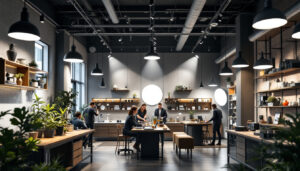
In office environments, lighting quality directly impacts employee productivity and well-being. LED track bulbs can be configured to provide balanced, glare-free illumination that reduces eye strain.
Dynamic lighting systems incorporating LED track bulbs can adjust color temperature throughout the day to mimic natural light patterns, supporting circadian rhythms and enhancing focus.
Emerging Trends and Innovations in LED Track Lighting
The LED lighting industry continues to evolve, bringing new features and technologies that lighting contractors can leverage to offer cutting-edge solutions.
Smart Lighting Integration
Smart LED track bulbs equipped with wireless connectivity allow for remote control, scheduling, and scene setting via mobile apps or voice assistants. This integration enhances user convenience and energy management.
For contractors, offering smart lighting solutions can differentiate their services and meet increasing client demand for intelligent, customizable lighting environments.
Improved Optical Designs
Advancements in optical engineering have led to LED track bulbs with improved beam uniformity and reduced glare. These innovations contribute to more comfortable and visually appealing lighting conditions, particularly in commercial and hospitality settings.
Sustainability and Eco-Friendly Materials
Manufacturers are increasingly focusing on sustainable materials and manufacturing processes for LED track bulbs. Lighting contractors can highlight these eco-friendly attributes when advising environmentally conscious clients, reinforcing the value of LED technology beyond energy savings.
Conclusion: Maximizing the Potential of LED Track Bulbs
For lighting contractors, LED track bulbs represent a powerful tool to deliver customized, efficient, and aesthetically pleasing lighting solutions. By understanding their technical advantages, design flexibility, and installation requirements, contractors can confidently recommend and implement LED track lighting systems that meet diverse client needs.
Staying informed about emerging trends and innovations ensures that contractors remain competitive and capable of providing state-of-the-art lighting solutions. Ultimately, leveraging LED track bulbs effectively translates into satisfied clients, sustainable practices, and successful projects.
Discover Unmatched Lighting Solutions with LumenWholesale
Ready to elevate your lighting projects with the efficiency and design versatility of LED track bulbs? At LumenWholesale, we offer an exceptional range of spec-grade lighting products tailored to your needs. Our commitment to quality and affordability means you can access the best lighting solutions at wholesale prices, without the extra costs. Take advantage of our hassle-free bulk buying and free shipping to ensure your projects shine with reliability and performance. Explore our collection now and experience the perfect blend of quality, affordability, and convenience that only LumenWholesale can provide.